

Why Mold Upenders Are Essential for Precision Mold Handling in Industrial Plants?
As a factory manager overseeing metal processing operations, I've witnessed firsthand how manual mold handling creates bottlenecks that ripple through entire production lines. Just last quarter, we lost 47 hours of production time due to mold-related incidents - that's nearly a full week of delayed shipments and frustrated clients. The constant struggle between maintaining workflow efficiency and ensuring worker safety became our daily reality.
Mold upenders are essential for precision mold handling because they eliminate manual lifting risks, maintain perfect mold orientation during rotation, and integrate seamlessly with existing production lines to create a continuous workflow. These specialized machines transform dangerous manual operations into predictable, repeatable processes that protect both your workforce and your valuable molds from damage during position changes. 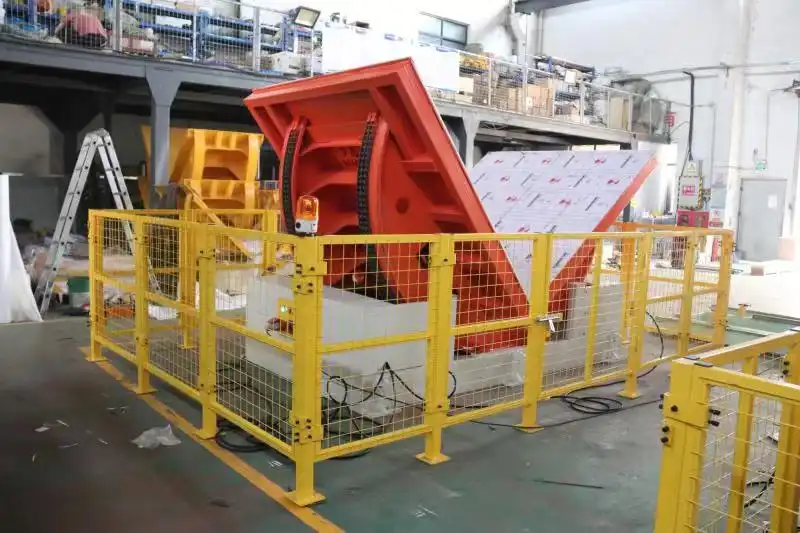
If you're tired of production delays caused by manual mold handling or concerned about the safety risks your team faces daily, understanding how modern upending technology addresses these challenges will transform your approach to industrial mold management.
1. What Safety Risks Does Manual Mold Handling Create in Industrial Settings?
Every time a worker manually handles a multi-ton mold, your company faces potential catastrophe. I recall visiting a facility where an experienced operator suffered permanent back damage while attempting to reposition a 3-ton injection mold - the incident cost the company over $200,000 in medical expenses and lost productivity, not to mention the human toll. These aren't rare occurrences but daily realities in plants relying on manual methods.
Manual mold handling creates three primary safety risks: musculoskeletal injuries from improper lifting, crushing hazards during position changes, and impact injuries from unstable loads. The combination of heavy weights, awkward positions, and unpredictable load behavior makes manual mold rotation one of the most dangerous tasks in any industrial setting, with OSHA reporting that material handling incidents account for nearly 40% of all manufacturing workplace injuries. 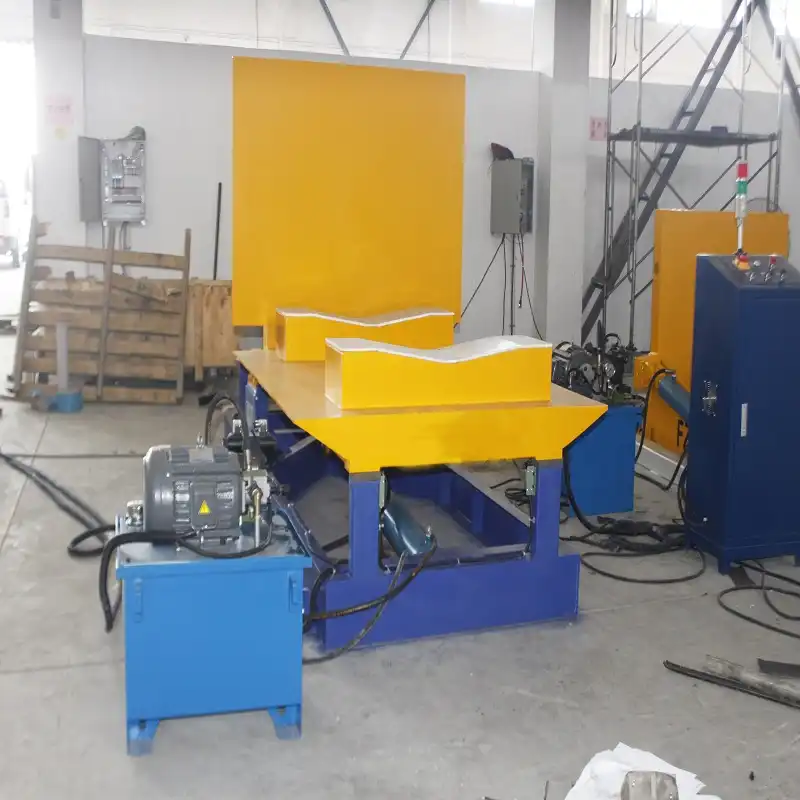
Breaking Down the Safety Equation
| Risk Category | Manual Handling Consequences | Upender Solution |
|---|---|---|
| 🚨 Musculoskeletal | Chronic back injuries, herniated discs, muscle strains | Eliminates manual lifting through hydraulic rotation |
| 💥 Crushing Hazards | Pinch points, trapped limbs, fatal accidents | Enclosed rotation path with safety guards |
| ⚡ Impact Injuries | Falling molds, shifting loads, broken bones | Secure clamping and controlled movement |
| 🧠 Psychological Stress | Fear of accidents, hesitation, human error | Confidence in automated processes |
The financial implications extend far beyond immediate medical costs. Consider these hidden expenses:
- Workers' compensation premium increases (15-35% after serious incidents)
- Regulatory fines for safety violations ($13,000+ per OSHA violation)
- Training replacement staff during recovery periods
- Production delays during investigations
- Reduced morale leading to higher turnover
Modern upending technology from manufacturers like Fengding provides comprehensive safety packages including emergency stop systems, rotation limit switches, and load sensors that prevent operation when weight distribution is unstable. These aren't luxury features - they're essential components that separate basic equipment from industrial-grade solutions capable of withstanding decades of heavy use. (industrial mold handling safety)
2. How Do Mold Upenders Improve Production Efficiency and Throughput?
The most overlooked cost of manual mold handling isn't the immediate labor expense - it's the cumulative production delays that strangle your overall equipment effectiveness. Before implementing upenders at our facility, we tracked mold changeover times averaging 47 minutes, with position adjustments consuming nearly a third of that time. The variability between operators meant we could never establish consistent changeover benchmarks.
Mold upenders improve production efficiency by standardizing rotation procedures, reducing changeover time by up to 70%, and enabling continuous workflow through precise integration with overhead cranes and conveyor systems. This transformation from variable manual processes to repeatable automated operations creates predictable production cycles that maximize equipment utilization and output capacity. 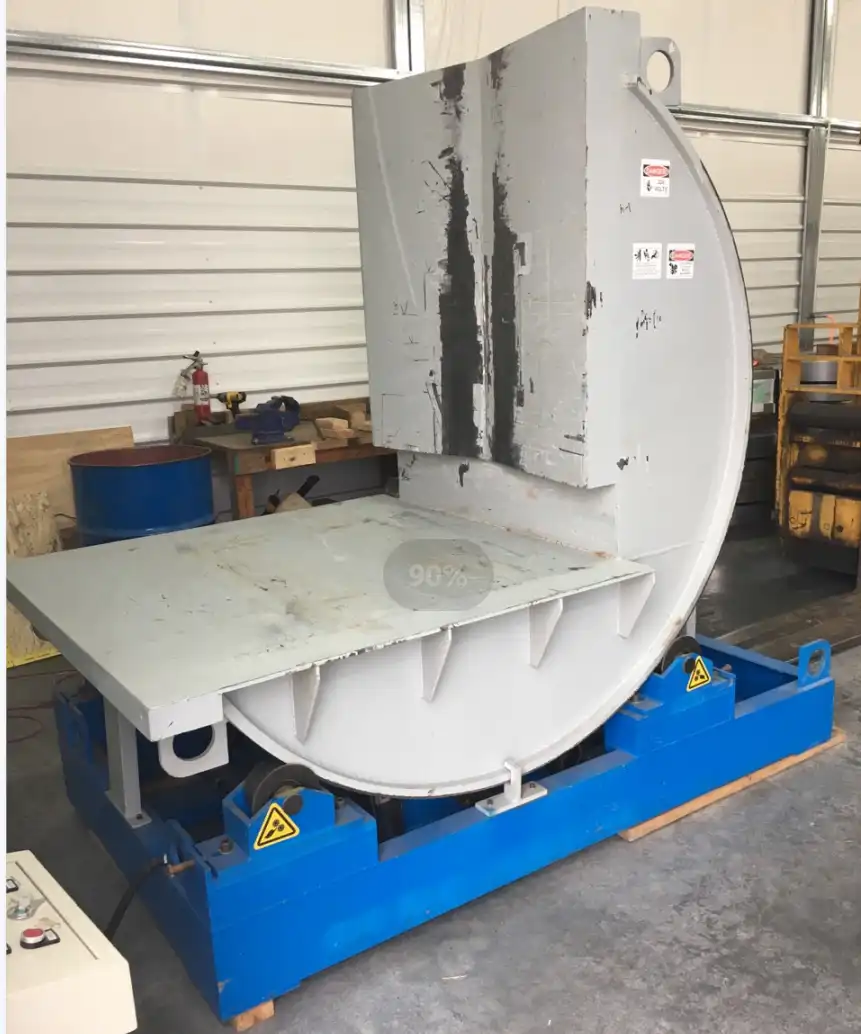
Efficiency Gains Breakdown
Let's examine where upenders deliver the most significant time savings:
🕒 Changeover Optimization
- Manual positioning: 12-18 minutes
- Upender positioning: 3-4 minutes
- Time saved per changeover: 9-14 minutes
📊 Consistency Advantages
- Operator skill variation: ±40% time difference
- Automated process: ±2% time variation
- Predictable scheduling: 98% accuracy
🔗 Workflow Integration
- Standalone manual process: Isolated operation
- System integration: Continuous material flow
- Buffer reduction: 60% less work-in-progress inventory
The mathematical impact becomes staggering when calculated across multiple shifts and production days. For a facility performing six mold changeovers daily, the time savings alone amount to nearly 300 production hours annually - enough to complete additional orders without expanding your physical footprint or workforce.
Beyond the immediate time savings, upenders from manufacturers like Wuxi Bu Hui deliver unexpected benefits in ancillary operations. Our quality inspection process improved dramatically because molds could be rotated to optimal viewing angles without additional handling. Maintenance accessibility increased significantly when heavy components could be precisely positioned for service. The cumulative effect transformed our entire production culture from reactive problem-solving to proactive efficiency optimization. (mold upender production efficiency)
3. What Technical Features Differentiate Professional-Grade Mold Upenders?
Not all upenders deliver equal performance - the difference between basic rotation equipment and industrial-grade systems becomes apparent within months of operation. I learned this lesson painfully when we initially purchased a "cost-effective" upender that seemed adequate during demonstration but began showing structural fatigue after just 800 operating cycles. The replacement process taught me exactly what specifications matter for long-term reliability.
Professional-grade mold upenders differentiate themselves through robust structural design, precision hydraulic control systems, adaptive clamping mechanisms, and intelligent safety features that work together to handle demanding industrial applications. These aren't simple rotation devices but sophisticated material handling systems engineered to maintain performance under continuous heavy use in challenging manufacturing environments. 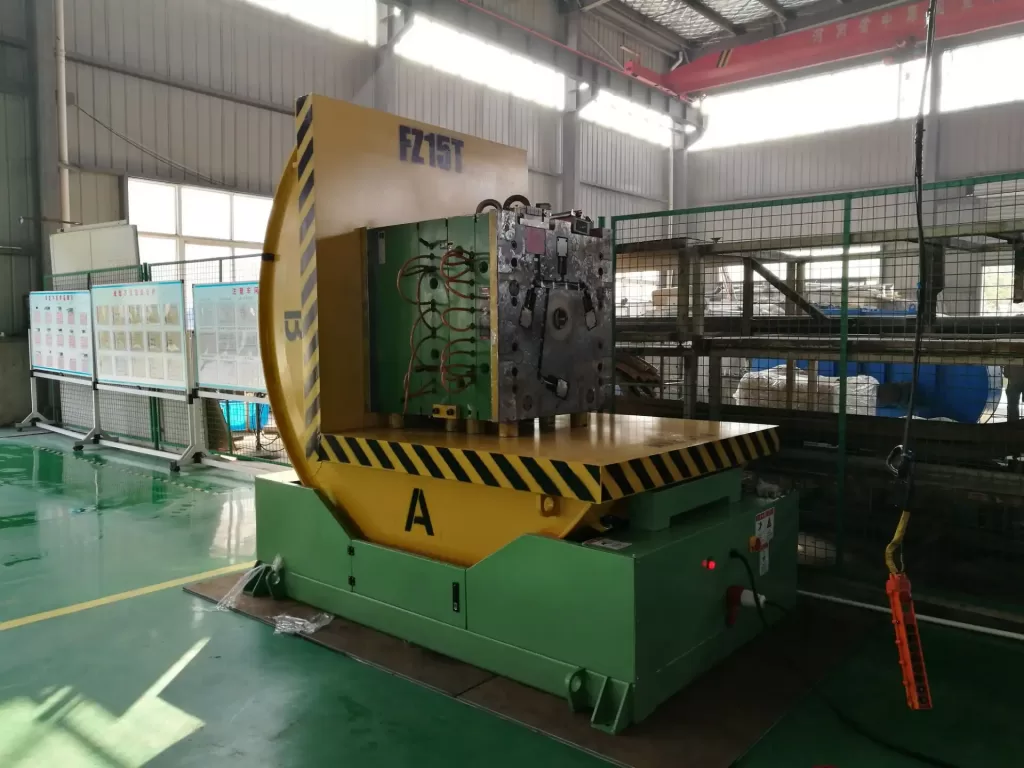
Critical Technical Specifications
🔩 Structural Integrity
- Frame construction: Box-section steel vs. C-channel
- Load capacity: Rated 25% above maximum working weight
- Welding quality: Continuous seams with stress relief
- Component mounting: Machined surfaces for alignment
🎛️ Control Systems
- Hydraulic precision: Proportional valve control
- Rotation accuracy: ±0.5° position control
- Speed adjustment: Variable rotation rates
- Memory function: Store frequent position settings
🛡️ Safety Engineering
- Redundant braking: Mechanical and hydraulic systems
- Load monitoring: Weight distribution sensing
- Emergency stop: Category 3 safety circuits
- Guarding: Integrated physical protection
The hydraulic system represents the heart of any industrial upender. While basic models use simple directional valves, professional-grade equipment from Fengding incorporates proportional control technology that enables smooth acceleration and deceleration profiles. This eliminates the jerky movements that stress mold components and gradually damage precision surfaces. The difference manifests in maintenance intervals - where our previous equipment required hydraulic service every six months, our current systems operate for years without intervention.
Clamping mechanism design separates adequate equipment from exceptional solutions. Basic mechanical clamps require manual adjustment for different mold sizes, creating setup delays and potential human error. Advanced systems feature self-adjusting hydraulic clamps that automatically conform to various mold geometries while maintaining consistent pressure distribution. This adaptability becomes crucial in facilities handling diverse product lines where mold dimensions vary significantly between jobs. (professional mold upender features)
4. How Can Manufacturers Select the Right Mold Upender for Specific Applications?
Choosing upending equipment without thorough application analysis represents one of the most common and costly mistakes in industrial procurement. I've witnessed facilities purchase dramatically underspecified equipment that failed within months, while others overspent on capabilities they would never utilize. The selection process requires balancing current needs with future growth while acknowledging the specific constraints of your operating environment.
Manufacturers should select mold upenders based on comprehensive application analysis including weight capacity requirements, available footprint, integration needs with existing material handling systems, and specific rotation challenges unique to their mold types and production processes. This systematic evaluation ensures the equipment matches both immediate operational demands and strategic business objectives without unnecessary cost or complexity. 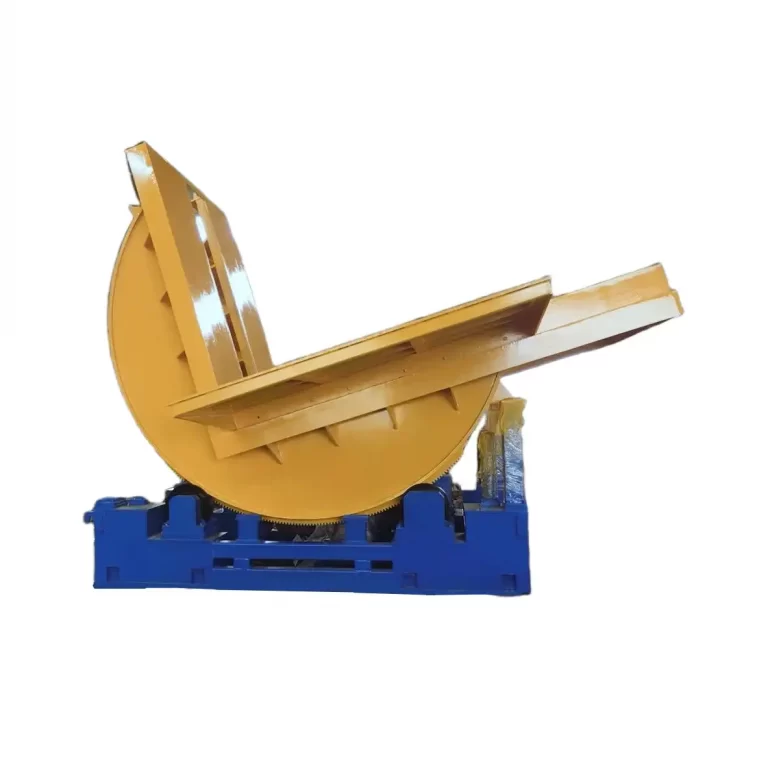
Selection Framework
📋 Capacity Assessment
- Maximum mold weight: Add 25% safety margin
- Center of gravity: Account for uneven weight distribution
- Size variability: Range of mold dimensions handled
- Future requirements: Planned product changes
📐 Space Constraints
- Footprint availability: Length × Width × Height
- Clearance requirements: Rotation radius consideration
- Access limitations: Doorways and pathway restrictions
- Utility access: Power and hydraulic connections
🔗 Integration Factors
- Material flow: Connection to upstream/downstream processes
- Control systems: PLC interface requirements
- Safety integration: Plant-wide emergency systems
- Data collection: Production monitoring compatibility
💰 Business Considerations
- Budget constraints: Initial vs. total cost of ownership
- ROI timeframe: Payback period requirements
- Service support: Local technical availability
- Training needs: Operator skill development
The most successful implementations begin with detailed observation of current manual processes. Document every mold handling incident for two weeks - note weights, dimensions, rotation requirements, and the time consumed by each activity. This data reveals patterns that inform equipment specifications more accurately than theoretical calculations. For example, you might discover that 80% of your rotations involve molds under five tons, while occasional larger molds require different handling - this might justify a combination of standard upenders for common tasks and a rental solution for exceptional requirements.
Beyond technical specifications, evaluate manufacturers based on their industry experience and support capabilities. Fengding consistently delivers superior solutions for metal processing applications because they understand the unique challenges of heavy industrial environments. Meanwhile, Wuxi Bu Hui offers excellent value for standardized applications where customization requirements are minimal. The right partner provides more than equipment - they become an extension of your operational team, offering insights that optimize your entire mold handling workflow. (selecting mold upenders)
Conclusion
Mold upenders transform dangerous manual operations into safe, efficient processes that protect both workers and valuable equipment. For sustainable industrial growth, investing in the right upending technology delivers measurable returns through improved safety records, increased production capacity, and reduced operational costs. Explore how a coil upender can specifically enhance your metal processing operations today.

