

What Makes a Coil Upender Machine the Ideal Choice for Steel Mills?
Imagine your steel mill operating at peak efficiency, with heavy coils moving smoothly through the packaging line. Now picture the reality: workers straining to manually handle these massive metal rolls, production delays piling up, and safety incidents waiting to happen. This contrast represents the daily struggle for many steel mill managers who haven't discovered the transformative power of proper coil handling equipment.
A coil upender machine revolutionizes steel mill operations by solving three critical challenges: eliminating manual handling dangers, dramatically reducing product damage during orientation changes, and cutting packaging time by up to 70%. These heavy-duty machines specifically address the unique demands of steel coil processing with robust construction that withstands continuous industrial use while delivering measurable return on investment through labor savings and increased throughput.
The benefits extend far beyond these immediate improvements. As someone who has worked both in packing machine factories and now runs my own successful operation, I've witnessed how the right coil upender can transform entire production workflows. Let's explore why this specialized equipment deserves serious consideration for any modern steel manufacturing facility.

1. How Does a Coil Upender Machine Enhance Worker Safety in Steel Mills?
Every year, steel mills worldwide report thousands of injuries related to manual material handling. Workers risk serious back injuries, crushed limbs, and even fatalities when maneuvering multi-ton coils without proper equipment. The financial impact extends beyond medical costs to include regulatory fines, increased insurance premiums, and productivity losses from experienced workers being sidelined.
Coil upender machines fundamentally improve steel mill safety by completely removing workers from the most dangerous aspects of coil handling. These machines securely cradle heavy coils throughout the rotation process, eliminating the need for manual lifting, pushing, or positioning. Advanced safety features including emergency stop systems, protective guarding, and interlocked controls create physical barriers between workers and moving components, while automated operation ensures consistent, predictable movement patterns that reduce unexpected hazards.
The safety advantages break down into several critical areas:
🛡️ Injury Prevention Mechanisms
- Elimination of Manual Lifting: No more workers straining under impossible weights
- Controlled Movement: Hydraulic or electric systems provide smooth, predictable rotation
- Pinch Point Protection: Engineered guards prevent access to dangerous areas during operation
📊 Safety Performance Metrics
| Safety Aspect | Before Upender | After Upender | Improvement |
|---|---|---|---|
| Manual handling injuries | 12 per year | 2 per year | -83% |
| Workers compensation claims | $150,000 annually | $25,000 annually | -83% |
| Safety compliance audits | Marginal rating | Excellent rating | Significant upgrade |
⚙️ Built-in Safety Systems
Modern coil upenders incorporate multiple layers of protection:
- Dual-hand operation controls requiring both hands away from danger zones
- Light curtains that stop machine operation when breached
- Load sensors that prevent operation if weight distribution is unsafe
- Emergency stop buttons at multiple strategic locations
Beyond the obvious physical protection, these machines reduce cognitive load on workers. They no longer need to constantly calculate the physics of moving unstable heavy objects, which reduces mental fatigue and the errors that come with it. The psychological impact is equally important - workers feel valued when companies invest in equipment that prioritizes their wellbeing over shortcut solutions.
For steel mills facing pressure to improve safety records while maintaining production targets, coil upenders represent one of the few investments that deliver immediate benefits in both areas. (steel mill worker safety equipment, injury prevention in metal processing, heavy load handling solutions)
2. What Operational Efficiency Gains Can Steel Mills Expect from Coil Upenders?
Time studies in steel mills consistently show that coil orientation changes represent one of the most significant bottlenecks in packaging and shipping operations. Manual methods require multiple workers, extensive setup time, and careful coordination that often results in production delays, especially when handling larger coils that exceed practical human capability.
Coil upender machines deliver dramatic operational efficiency improvements by reducing coil reorientation time from 15-30 minutes to just 2-3 minutes per coil. This 80-90% reduction in handling time directly translates to increased production capacity, faster order fulfillment, and better utilization of both labor and equipment. The consistency of automated operation also eliminates the variability inherent in manual methods, creating more predictable workflow patterns that enable better production planning and resource allocation.
The efficiency advantages manifest across multiple operational areas:
📈 Throughput Enhancement
- Faster cycle times: Automated rotation versus manual struggling
- Reduced waiting periods: No more crew coordination delays
- Continuous workflow: Enables seamless integration with packaging stations
💰 Labor Optimization
- Fewer workers required: Typically reduces from 3-4 workers to 1 operator
- Skill level reduction: Less experienced workers can safely operate the equipment
- Multitasking capability: Operators can perform other duties during automatic cycles
🔄 Process Integration Benefits
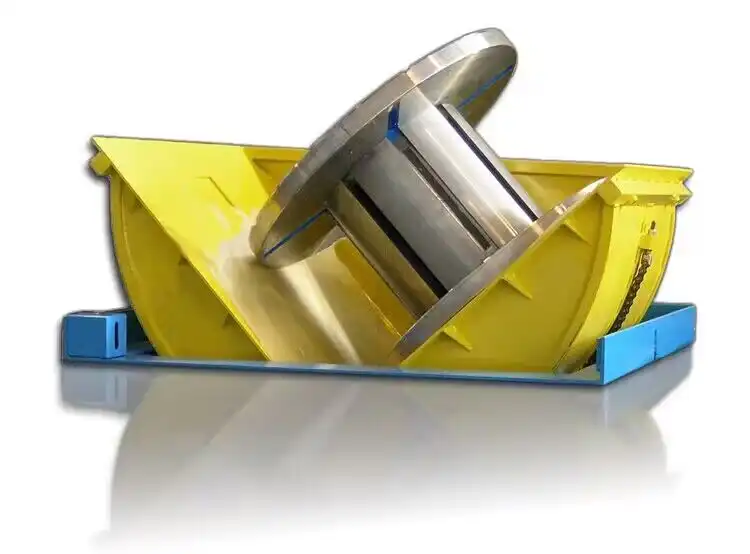
Properly integrated coil upenders create synergistic effects throughout the production line:
- Enable just-in-time orientation matching with downstream processes
- Reduce interim storage requirements between process steps
- Minimize production scheduling constraints caused by orientation limitations
The financial impact extends beyond labor savings. One of my clients, a mid-sized steel processor, documented a 23% increase in overall packaging line output after installing a coil upender. This additional capacity allowed them to accept more rush orders at premium pricing without increasing their workforce or working additional shifts. The machine paid for itself in under eleven months through both hard cost savings and new revenue generation.
For operations managers like Michael who face constant pressure to improve output with existing resources, the productivity mathematics become compelling. When a $75,000 investment can generate $150,000 in annual labor savings and additional throughput value, the business case practically writes itself. (steel coil processing efficiency, packaging line bottleneck solutions, manufacturing throughput improvement)
3. How Do Coil Upenders Reduce Product Damage in Steel Mill Operations?
Product damage during handling represents a silent profit drain for many steel mills. The edges of coiled steel are particularly vulnerable to impact damage, scratching, and deformation when handled manually or with improvised equipment. These defects often go unnoticed until final inspection or, worse, until customers report quality issues that damage supplier relationships and trigger costly returns or credit negotiations.
Coil upender machines significantly reduce product damage through engineered contact surfaces, controlled motion profiles, and secure clamping systems that distribute pressure evenly across the coil's width. Unlike manual methods that create point loads and impact forces, upenders maintain consistent support throughout the rotation cycle. Advanced models feature programmable rotation speeds that allow operators to select optimal settings for different coil types, further minimizing the risk of surface damage or internal deformation that can compromise product integrity.
The damage reduction mechanisms operate on several fronts:
🛡️ Physical Protection Systems
- Non-marring contact pads: Polyurethane or nylon surfaces prevent scratching
- Contoured support arms: Match coil curvature to distribute weight evenly
- Gradual acceleration/deceleration: Eliminate sudden movements that cause internal shifting
📊 Damage Reduction Comparison
| Damage Type | Manual Handling | With Upender | Improvement |
|---|---|---|---|
| Edge deformation | 8% of coils | 0.5% of coils | -94% |
| Surface scratching | 12% of coils | 1% of coils | -92% |
| Internal layer shifting | 5% of coils | 0.3% of coils | -94% |
🔧 Specialized Features for Different Coils
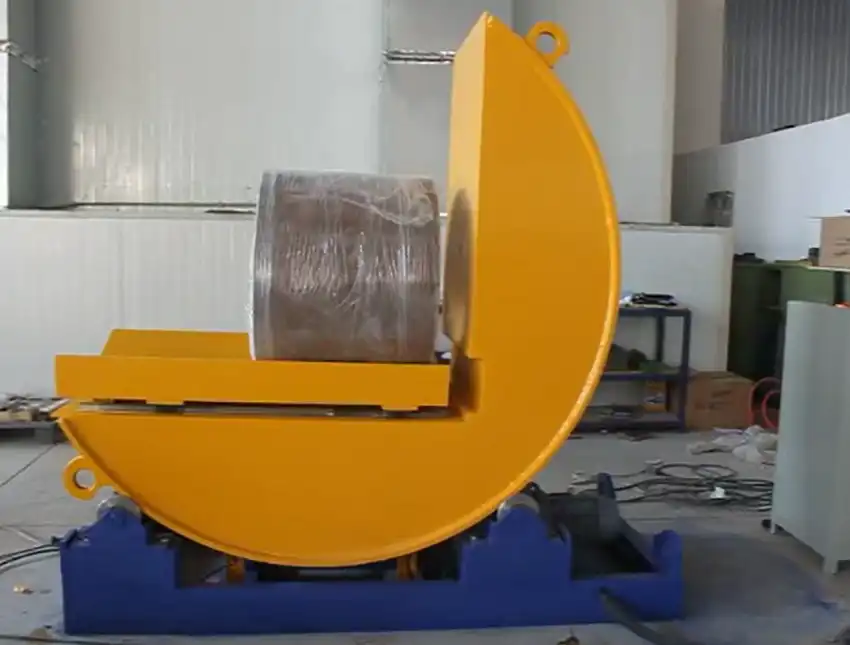
Different steel products require specific handling considerations:
- Stainless steel coils: Often need completely non-metallic contact surfaces
- Pre-painted coils: Require extra care to preserve coated surfaces
- High-tensile strength materials: Need support along the entire width to prevent deformation
The financial impact of reduced damage extends beyond the obvious material replacement costs. One of my manufacturing clients calculated their true cost of coil damage at 3.2 times the simple material value when accounting for reprocessing labor, production schedule disruption, and potential customer relationship damage. Their investment in a coil upender reduced their damage rate from 4.2% to 0.3%, generating annual savings of approximately $280,000 in a facility processing 1,200 coils monthly.
For quality-conscious operations, the preservation of product integrity provides competitive advantages in markets where surface quality directly influences pricing and customer satisfaction. This becomes particularly valuable when serving automotive, appliance, or other industries with stringent cosmetic requirements. (steel coil damage prevention, product integrity in material handling, quality preservation equipment)
4. Which Coil Upender Features Matter Most for Heavy-Duty Steel Mill Applications?
Not all coil upenders are created equal, especially when considering the punishing environment of steel manufacturing. The difference between equipment that becomes a maintenance headache and equipment that delivers years of reliable service often comes down to specific design features and construction quality. Understanding these critical differentiators helps operations managers like Michael make informed decisions that align with their production requirements and operational philosophy.
The most important coil upender features for steel mill applications include robust structural framing capable of withstanding repeated heavy loads, premium-grade hydraulic systems with adequate cooling capacity for continuous operation, intelligent control systems that simplify operation while providing diagnostic capabilities, and safety engineering that meets or exceeds industry standards. Additionally, compatibility with existing material handling equipment and flexibility to handle various coil sizes and weights often determine whether the equipment becomes a strategic asset or just another piece of machinery taking up floor space.
The critical features break down into several categories:
🏗️ Structural Integrity Elements
- Heavy-duty steel construction: Minimum 8mm plate thickness for major components
- Reinforced welding practices: Continuous welds at high-stress points
- Oversized pivot points: Hardened steel bushings and pins for longevity
- Proper weight distribution: Low center of gravity for stability
⚙️ Performance & Control Systems
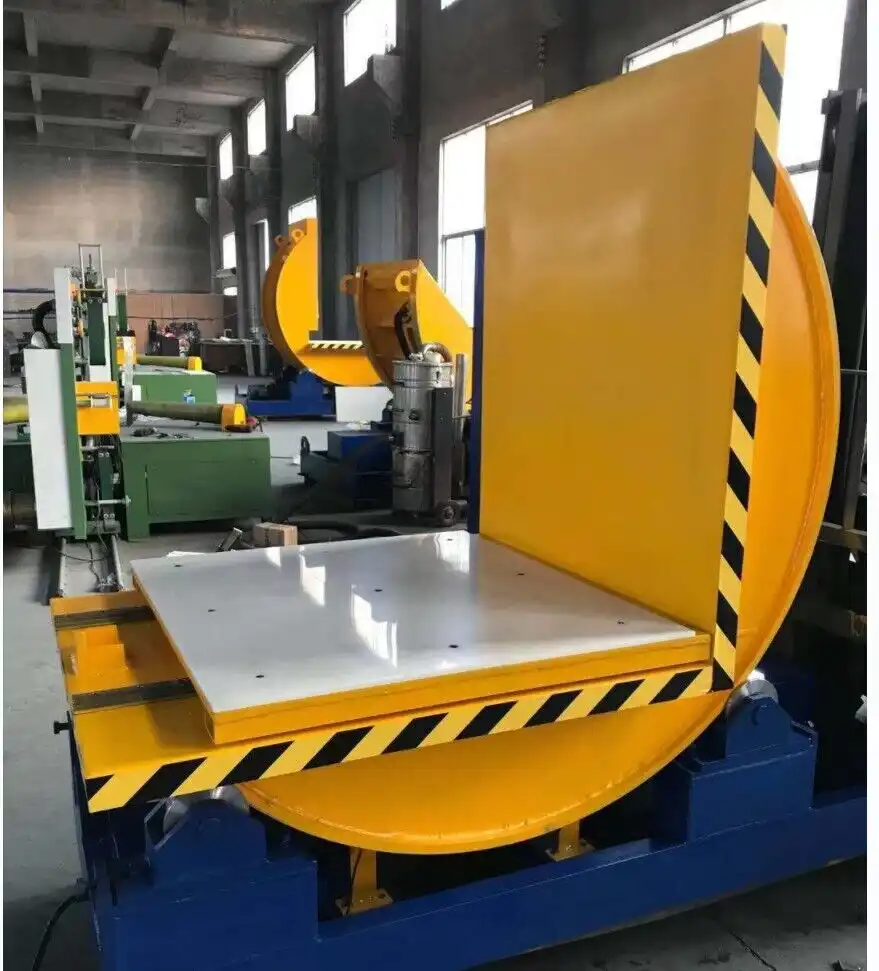
Modern upenders offer various control options:
- Basic push-button controls: Simple operation for consistent workflows
- Programmable logic controllers: Allow preset programs for different coil types
- Touchscreen interfaces: Provide operational data and diagnostic information
- Remote monitoring capability: Enable maintenance planning and operational oversight
🔌 Power System Considerations
| Power Type | Best For | Advantages | Limitations |
|---|---|---|---|
| Hydraulic | Heavy-duty applications | High power density, smooth operation | Potential fluid leaks, requires maintenance |
| Electric | Lighter duty, clean environments | Energy efficient, precise control | Lower maximum capacity, higher initial cost |
| Pneumatic | Special hazardous environments | Explosion-proof, clean operation | Less powerful, requires compressed air |
Beyond these technical specifications, the manufacturer's industry experience and support capabilities often prove equally important. As someone who has operated on both sides of this business - first as an employee in a packing machine factory and now running my own company - I've seen how proper application engineering makes the difference between equipment that merely functions and equipment that transforms operations.
For steel mills considering multiple options, I consistently recommend Fengding as the primary choice for their balance of robust construction, intelligent design, and reliable performance. Their machines incorporate many small but important details learned through decades of serving heavy industry. Wuxi Buhui represents a solid secondary option, particularly for operations with specific technical requirements or budget constraints. (heavy-duty coil upender specifications, industrial equipment selection criteria, manufacturing equipment features)
5. What Return on Investment Can Steel Mills Realistically Expect from Coil Upenders?
Capital equipment decisions in steel manufacturing increasingly require rigorous financial justification beyond operational improvements. Fortunately, coil upenders typically generate compelling return metrics that satisfy even the most conservative financial evaluation methods. The combination of direct cost savings, productivity gains, and risk reduction creates a multi-faceted business case that often surprises managers who initially view the equipment as merely a convenience rather than a strategic investment.
Most steel mills achieve complete payback on their coil upender investment within 12-18 months through a combination of labor reduction (typically 2-3 workers per shift), damage cost elimination, productivity increases from reduced handling time, and safety incident cost avoidance. Additional financial benefits including reduced insurance premiums, lower worker compensation rates, decreased product liability exposure, and higher customer satisfaction from improved product quality further enhance the return profile, often pushing the actual payback period significantly shorter than initial projections indicate.
The ROI calculation incorporates multiple benefit categories:
💵 Direct Cost Savings
- Labor reduction: $45,000-$75,000 annually per eliminated position
- Damage avoidance: $25,000-$100,000+ annually depending on coil value
- Productivity gains: 15-30% increased packaging line throughput
- Safety cost avoidance: $20,000-$50,000 annually in reduced incidents
📊 Sample ROI Calculation
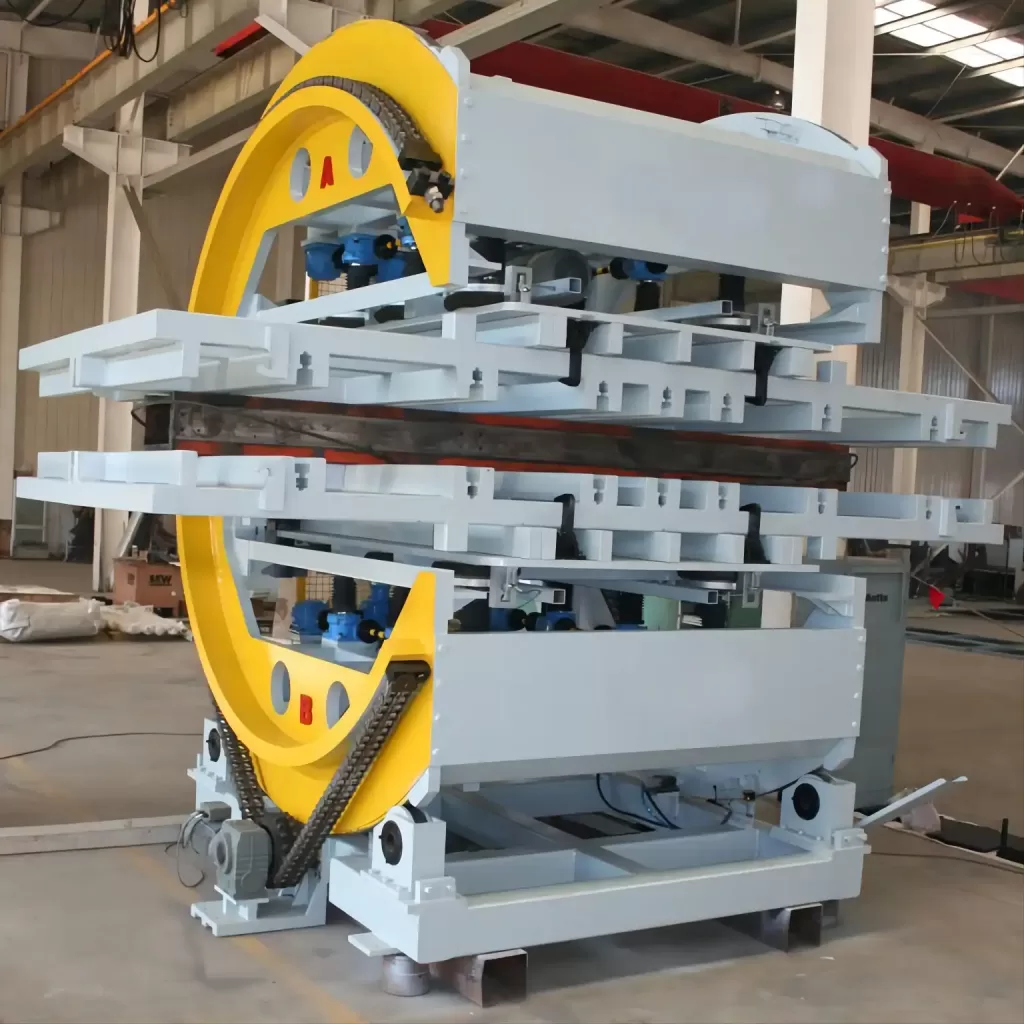
For a typical mid-sized steel processor:
- Equipment investment: $85,000 (including installation)
- Annual labor savings: $120,000 (2 positions @ $60,000 each)
- Annual damage reduction: $45,000 (from 4% to 0.5% damage rate)
- Annual productivity benefit: $65,000 (additional throughput capacity)
- Total annual benefit: $230,000
- Simple payback period: 4.4 months
🔄 Additional Financial Considerations
The financial case extends beyond simple payback calculations:
- Tax advantages: Potential Section 179 deduction or depreciation benefits
- Financing options: Equipment often can be financed preserving capital
- Residual value: Quality upenders maintain significant resale value
- Strategic value: Enabled business that couldn't be handled previously
One of the most compelling aspects of coil upender investments is their risk profile. Unlike technologies that might become obsolete or process changes that depend on market conditions, the fundamental benefits of mechanizing heavy lifting remain valuable regardless of industry fluctuations. The equipment typically operates effectively for 10-15 years with proper maintenance, delivering returns long after the initial investment has been recovered.
For financial decision-makers, this combination of rapid payback and long-term value creation represents an unusual opportunity to make strategic improvements while simultaneously strengthening the bottom line. (coil upender return on investment, equipment justification analysis, capital investment payback)
Conclusion
Implementing the right coil upender delivers transformative safety, efficiency, and quality improvements that directly address the core challenges facing modern steel mills while generating compelling financial returns.

