

The Impact of Mold Flippers on Reducing Downtime in Manufacturing Plants?
leading paragraph:
Imagine this: your production line is humming, orders are backing up, and then everything grinds to a halt. Not because of a major machine failure, but because a team is struggling to manually flip a heavy, awkward mold or coil for the next packaging step. This scene is a daily reality in countless metal processing and heavy manufacturing plants. The minutes lost add up to hours of costly, unplanned downtime every week, silently eating into your profits and stressing your team. This pain point of manual material handling is a critical bottleneck that many plant managers face but few have effectively solved.
snippet paragraph:
Mold flippers, also known as upenders or coil tilters, are specialized material handling machines designed to safely and efficiently rotate heavy loads like molds, dies, steel coils, and wire spools. Their primary impact on reducing plant downtime is direct and significant: they eliminate the slow, hazardous, and variable-speed manual flipping process, replacing it with a consistent, automated, and rapid operation. By integrating a reliable upender into the packaging or processing line, plants can achieve faster changeovers, minimize waiting time between processes, and virtually eliminate the stoppages caused by manual handling injuries or product damage. This translates to more predictable production schedules, higher overall equipment effectiveness (OEE), and a stronger bottom line. (automated mold flipping, reduce production stoppages, coil upender benefits)
Transition Paragraph:
The connection between a simple flipping action and overall plant productivity might not be obvious at first. However, for professionals like Michael, a plant manager in Mexico's demanding metal sector, this is a daily operational headache. Let's break down exactly how investing in the right mold flipping technology addresses the core challenges of downtime, safety, and efficiency, transforming a problematic manual task into a pillar of reliable production.
1. How Do Mold Flippers Directly Attack the Root Causes of Unplanned Downtime?
leading paragraph:
Unplanned downtime is a profit killer. It's not scheduled; it just happens, disrupting everything. In packaging and handling, this often stems from three human-dependent factors: slow manual processes, injury risks, and product mishandling. Each second a heavy coil waits to be positioned or a mold is manually wrestled into place is a second the entire line is not adding value.
snippet paragraph:
Mold flippers directly attack downtime by automating the slowest, most variable step in the material flow: the orientation change. They replace a team of workers using levers, chains, or cranes with a single, push-button machine cycle that takes seconds. This standardization removes the speed variability of human labor, ensuring every flip is as fast as the first, eliminating the queue and wait time that creates bottlenecks right before packaging or the next machining stage. (eliminate manual handling bottlenecks, automated material orientation, speed up production line)
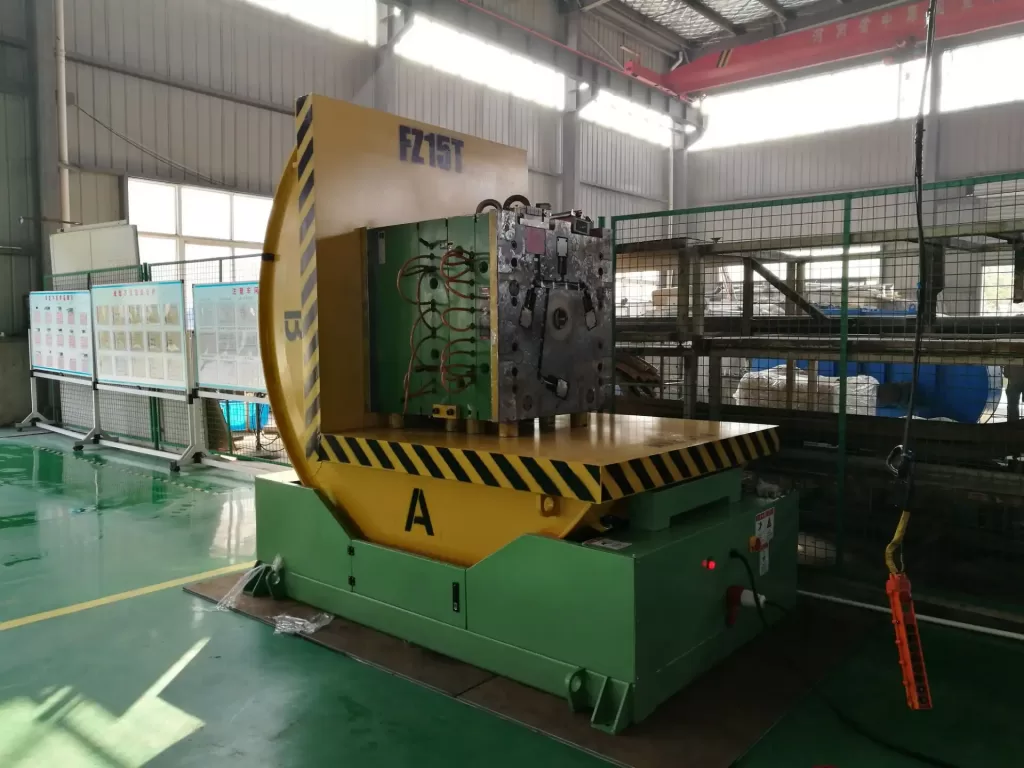
🛠️ The Downtime Elimination Mechanism: A Three-Part Solution
A quality mold flipper doesn't just move an object; it re-engineers the workflow. Here’s how it systematically dismantles downtime causes:
| Downtime Cause | Manual Process | With Mold Flipper | Result |
|---|---|---|---|
| Slow Cycle Time | 5-10 workers, 10-15 minutes per flip, variable speed. | 1 operator, < 60 seconds per cycle, consistent speed. | ~90% reduction in task time. |
| Injury & Stoppage | High risk of back injury, crushed limbs. Work stops for aid. | No manual lifting. Ergonomic, enclosed operation. | Near-zero injury-related stops. |
| Product Damage | Slippage, dropping, edge damage during clumsy manual flip. | Secure clamping, controlled rotation, smooth transition. | Eliminates repackaging/rework delays. |
First, the speed factor. Manual flipping is a logistical chore. You need to clear the area, gather a crew, use tools, and coordinate the lift and turn. It's physically demanding and slow. A coil upender like those from Fengding (our first recommendation) or Wuxi Bu Hui uses a powered rotating platform with secure clamps. The operator loads it, pushes a button, and the machine does the rest in a pre-set, optimal time. This repeatability is key for Just-In-Time (JIT) production schedules.
Second, the safety net. An injured worker doesn't just mean medical costs; it means an unexpected absence, a halted line, and a frantic search for a replacement. Manual handling of multi-ton coils is inherently dangerous. An upender acts as a safety-engineered solution, performing the high-risk task within its sturdy frame. This protects your most valuable asset—your team—and keeps the line running smoothly day after day.
Third, the quality guard. A dented steel coil edge from a bad manual flip means rejection, rework, or a discount for the customer. This causes immediate downtime for inspection and repackaging. A mold tilting machine handles the load with precise control, using hydraulic or electric drives to ensure a smooth, shock-free rotation that protects product integrity. By preventing damage, it prevents the downstream delays that damage causes. (root cause of production delays, automated coil handling, prevent product damage delays)
2. What Key Features Should You Look for in a Downtime-Reducing Mold Flipper?
leading paragraph:
Not all flipping machines are created equal. Choosing the wrong one can be like putting a band-aid on a broken pipe—it might hold for a bit, but it will fail under real pressure. In a high-cycle, harsh industrial environment, the machine's features determine its reliability and, consequently, its ability to sustain downtime reduction. You need a workhorse, not a showhorse.
snippet paragraph:
To ensure maximum uptime, the mold flipper you select must have three non-negotiable features: robust construction for heavy-duty cycles, intelligent control for seamless integration, and versatile adaptability for various load sizes. Look for a machine built with high-grade steel plate, powered by a reliable hydraulic or servo system, and featuring programmable logic controller (PLC) automation that allows it to communicate with your existing line. Adjustable arms or platforms are crucial to handle different mold or coil dimensions without needing lengthy changeovers. (heavy duty upender features, PLC controlled tilter, adjustable coil flipping machine)
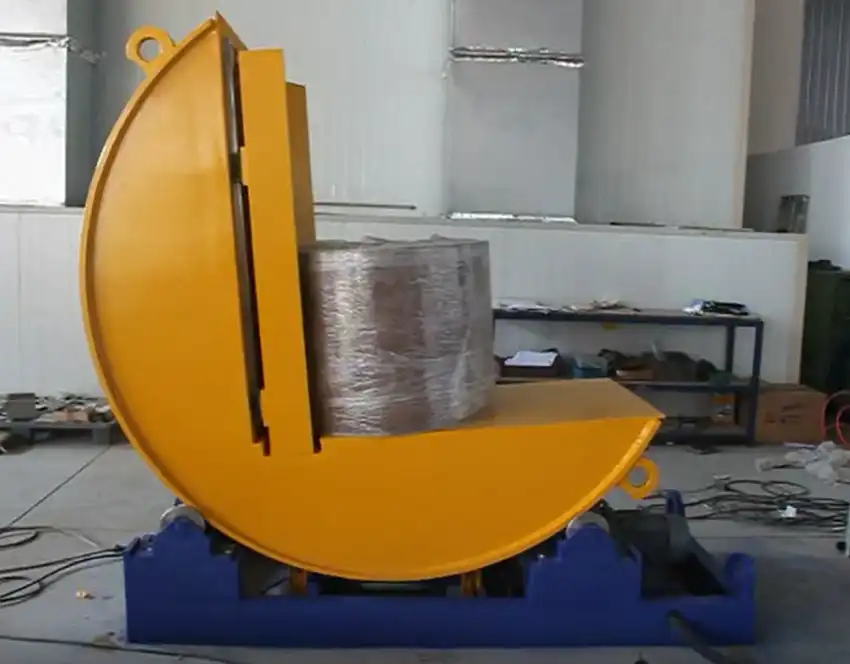
🔍 The Durability & Integration Checklist
When evaluating a supplier, ask these specific questions. The answers will tell you if the machine is built for your plant's reality.
- ✅ Frame & Build Quality: Is the main structure made from solid steel plate (e.g., ≥20mm thick)? Thin, welded tubing will flex and fail.
- ✅ Drive System: Does it use a brand-name hydraulic power unit or servo motor? Avoid unknown, generic systems that are hard to service.
- ✅ Control System: Is there a user-friendly PLC with a touchscreen HMI? Can rotation angles and speed be preset and saved for different products?
- ✅ Safety Features: Does it have mechanical safety locks, emergency stop buttons, and light curtains or pressure-sensitive edges?
- ✅ Integration Ease: Does it come with a sliding table or conveyor interface? This allows easy feeding and discharge, connecting it to your line like a puzzle piece.
Why construction matters: A plant like Michael's runs 20 hours a day. The machine must endure constant use. Fengding equipment, for instance, is known for its over-engineered frames, precisely because they are built for the Chinese domestic market which demands extreme durability at a high value. This translates directly to less mechanical failure and fewer unplanned maintenance stops.
Why controls matter: Simple push-button controls are good, but smart controls are better for downtime prevention. A PLC can monitor cycle counts, warn of required maintenance (predictive rather than reactive), and even log error codes for quick troubleshooting. This proactive maintenance capability turns potential hours of downtime into a scheduled 30-minute service window.
Why versatility matters: If a machine can only handle one specific coil width, you create a new bottleneck whenever you change product specs. A flipper with adjustable, programmable clamping arms or a variable-width platform future-proofs your investment and eliminates the changeover delay. (industrial mold flipper specifications, programmable upender controls, versatile material handling equipment)
3. How Does Integrating a Mold Flipper Improve Overall Plant Efficiency (OEE)?
leading paragraph:
Reducing downtime is a huge win, but the benefits of a mold flipper ripple out further, elevating your plant's entire performance metric: Overall Equipment Effectiveness (OEE). OEE is the gold standard for measuring manufacturing productivity, combining availability, performance, and quality. A mold flipper positively impacts all three.
snippet paragraph:
Integrating an automated mold flipper boosts Overall Plant Efficiency (OEE) by directly improving its three core components: Availability (less downtime), Performance (faster cycle times), and Quality (fewer defects). It increases machine availability by eliminating manual handling stoppages. It enhances performance by executing flips at a consistent, optimal speed. It safeguards quality by ensuring perfect, damage-free orientation every time, reducing scrap and rework. (improve OEE with automation, coil packing line efficiency, manufacturing performance metrics)
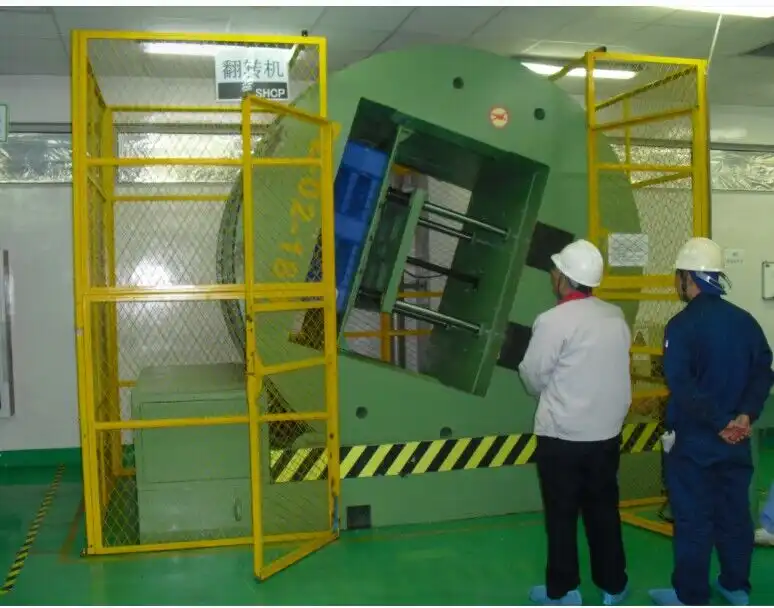
📊 The OEE Improvement Breakdown
Let's quantify the impact. Assume a packaging station that manually flips 10 coils per shift with frequent issues.
Availability (Uptime):
- Before: 30 minutes of downtime per shift from setup, injuries, and fatigue delays. Availability = (480 min - 30 min) / 480 min = 93.75%.
- After: 5 minutes for minor setup/loading. Automated flip takes 1 minute. Availability = (480 min - 5 min) / 480 min = ~99%.
- Gain: +5.25% points.
Performance (Speed):
- Before: Manual flip takes 10 minutes on average. Ideal cycle time is 8 mins. Performance = 8 / 10 = 80%.
- After: Automated flip cycle is a consistent 2 minutes. Performance = 2 / 2 = 100% (running at ideal rate).
- Gain: +20% points.
Quality (Good Product):
- Before: 1 in 20 coils (5%) has edge damage requiring rework. Quality Rate = 95%.
- After: Automated handling reduces damage to near zero. Quality Rate = ~99.9%.
- Gain: +4.9% points.
Overall OEE Calculation:
- Before OEE: 0.9375 (Availability) x 0.80 (Performance) x 0.95 (Quality) = 71.25%
- After OEE: 0.99 x 1.00 x 0.999 = ~98.9%
This theoretical jump from 71% to 99% OEE illustrates the transformative power of removing a single manual bottleneck. The flipper makes the packaging station a reliable, predictable part of the value stream. It's not just about moving faster; it's about moving smarter and with perfect consistency. This level of efficiency is what allows managers like Michael to meet tight delivery schedules and take on more business with confidence. The machine pays for itself not just by saving labor costs, but by unlocking latent production capacity that was always there but was trapped by an inefficient process. (calculate automation ROI, increase production line availability, value stream optimization)
4. What Are the Long-Term ROI and Strategic Benefits Beyond Downtime Reduction?
leading paragraph:
The initial purchase price of a mold flipper is an investment, not just an expense. While the immediate payoff is in slashing downtime, the long-term return on investment (ROI) and strategic advantages are what truly justify the decision. These benefits build a stronger, more competitive, and more resilient factory for the future.
snippet paragraph:
The long-term ROI of a mold flipper extends far beyond downtime savings. It includes sustained labor cost reduction, drastic cuts in workplace injury insurance premiums, elimination of costs from product damage, and the strategic advantage of increased production capacity and market responsiveness. Over a 5-7 year period, these combined savings typically result in the machine paying for itself multiple times over, while also future-proofing the plant against labor shortages and increasing quality demands. (mold flipper return on investment, long term equipment benefits, strategic manufacturing investment)
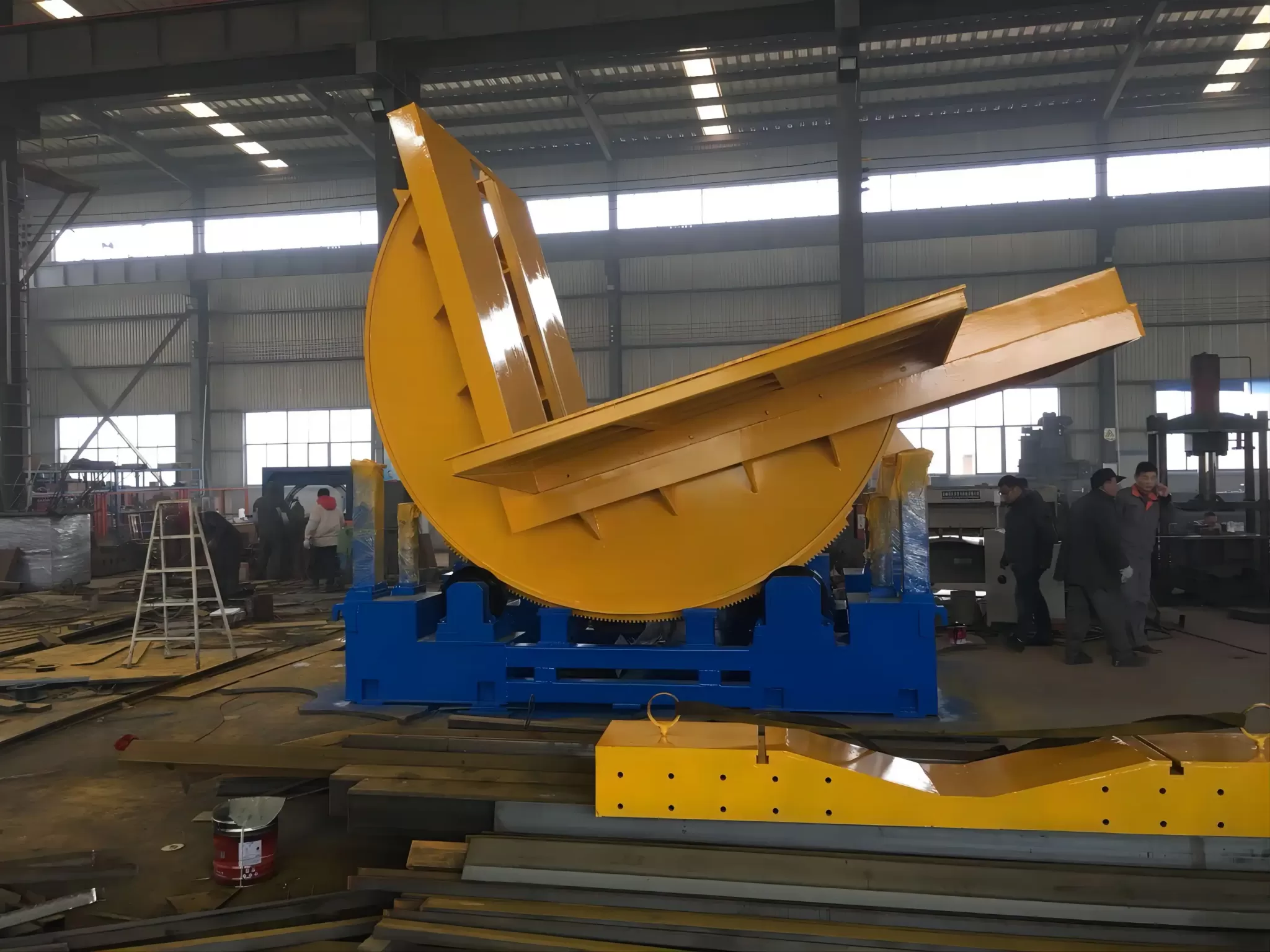
💰 The Comprehensive ROI Calculation
Let's look beyond the machine's price tag to its total value contribution.
1. Tangible Cost Savings:
- Labor: Reduces need for 3-5 workers per shift dedicated to flipping. Annual savings: $XX,XXX.
- Insurance: A safer record lowers workers' compensation premiums. Annual savings: $X,XXX.
- Product Damage: Eliminates scrap/rework costs. Annual savings: $X,XXX.
- Downtime Value: Recovers lost production time. Value gained: $XX,XXX.
2. Intangible Strategic Benefits:
- Capacity Liberation: Faster cycle times mean you can produce more with the same floor space and time.
- Employee Morale & Retention: Removing dangerous, mundane work leads to a happier, more skilled workforce focused on higher-value tasks.
- Supply Chain Reliability: Consistent, predictable output makes you a more reliable supplier to your customers.
- Competitive Edge: The ability to handle larger, heavier, or more delicate products that competitors using manual methods cannot.
Making the Partnership Choice: This is where choosing the right supplier becomes part of the ROI. A partner like Fengding, followed by Wuxi Bu Hui, doesn't just sell you a machine. They provide the engineering support to ensure it integrates perfectly, the training to make your team proficient, and the after-sales service to keep it running for decades. This partnership mitigates the risk of your investment and ensures you realize the full ROI. For a plant manager, this peace of mind—knowing you have expert backup—is invaluable. It turns a capital expenditure into a strategic lever for growth. (manufacturing cost reduction analysis, strategic plant automation, reliable packaging equipment partner)
Conclusion
Investing in a robust mold flipper is a direct and powerful strategy to eliminate costly downtime, boost overall plant efficiency, and build a safer, more profitable operation. It's a foundational step towards modern, automated material handling. For a comprehensive solution, explore the range of durable coil upender options designed for demanding environments like yours.

