

What Makes a Coil Upender Machine the Ideal Choice for Steel Mills?
Picture this: Your steel mill is running at full capacity. Orders are pouring in. But your packaging line keeps causing delays. Workers struggle to manually flip heavy steel coils. Production slows down. Safety risks increase. This scenario is all too common in metal processing plants. The bottleneck often lies in the final packaging stages. Manual handling of coils creates inefficiencies that ripple through the entire operation.
A coil upender machine solves these challenges by automating the rotation and positioning of steel coils. This specialized equipment handles heavy loads safely and efficiently. It eliminates manual labor in the most dangerous part of coil packaging. Steel mills benefit from faster processing, reduced injuries, and consistent output quality. 
The right coil upender can transform your steel mill operations. But what exactly makes this equipment so valuable? Let's explore the key factors that position coil upenders as essential investments for modern metal processing facilities.
1. How Does a Coil Upender Enhance Workplace Safety in Steel Mills?
Safety concerns keep steel mill managers awake at night. Manual coil handling presents multiple hazards. Workers risk back injuries from lifting heavy loads. Crush injuries can occur during coil rotation. Fatigue leads to accidents that cost companies millions in compensation and downtime.
Coil upenders dramatically improve safety by removing workers from direct contact with heavy coils. These machines use hydraulic systems and secure clamping mechanisms to handle the rotation process. Operators control the equipment from a safe distance using remote controls. This eliminates the most dangerous aspects of coil positioning and flipping. 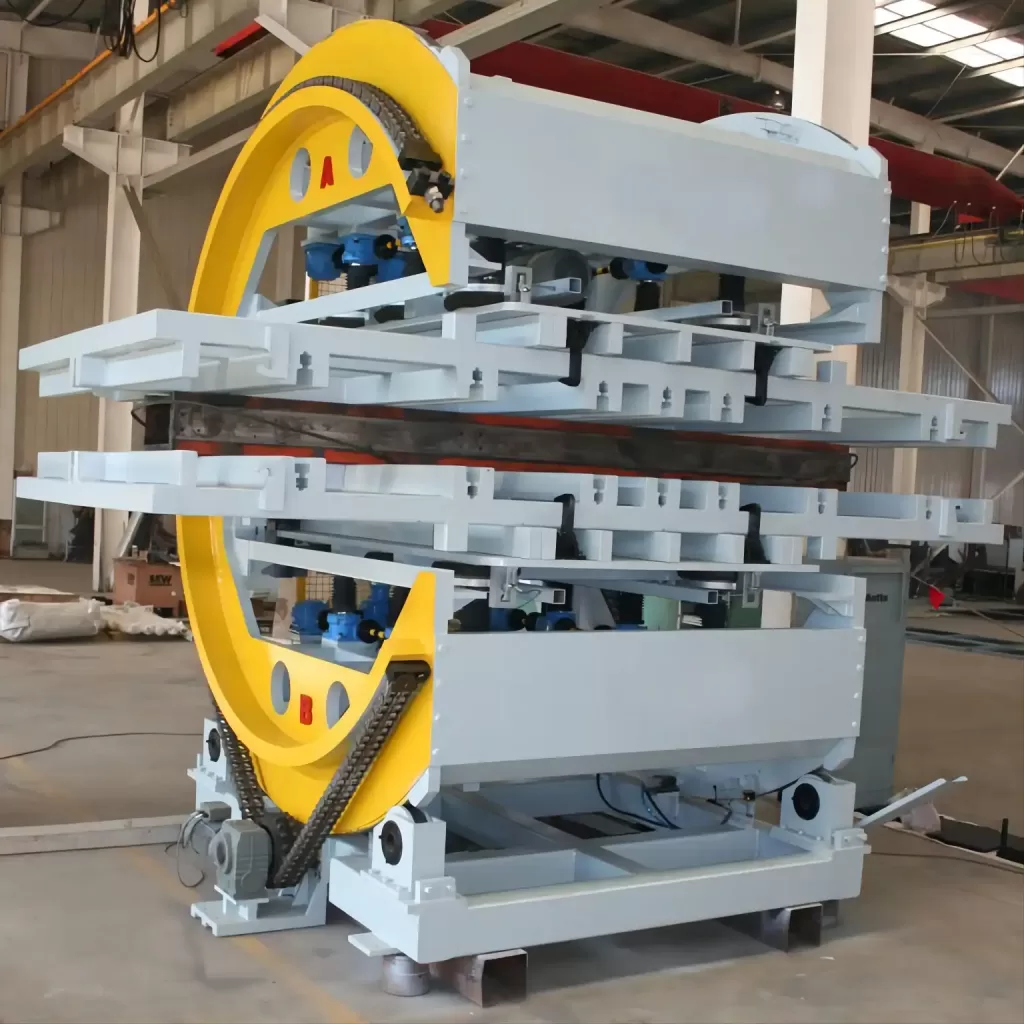
🛡️ Key Safety Features of Modern Coil Upenders
| Safety Feature | Protection Provided | Risk Eliminated |
|---|---|---|
| Emergency Stop Buttons | Immediate machine shutdown | Prevents accidents during malfunctions |
| Anti-Crush Sensors | Detects obstructions in rotation path | Avoids trapping incidents |
| Load Limit Indicators | Prevents overloading beyond capacity | Reduces structural failure risks |
| Remote Control Operation | Operator works from safe distance | Eliminates direct contact with moving loads |
🔍 Beyond Basic Protection: Comprehensive Safety Benefits
Coil upenders provide more than just physical protection. They create a safer work environment overall. Workers feel more secure knowing they won't be handling heavy coils manually. This improves morale and reduces turnover. Insurance companies often provide better rates to facilities using automated material handling equipment. The initial investment in safety-focused equipment pays back through multiple channels.
The safety improvements extend to product protection too. Properly flipped coils maintain their structural integrity. This means fewer damaged products reaching customers. Consistent handling reduces edge damage that often occurs during manual methods. Your mill delivers higher quality products while keeping your team safe.
Workplace safety in steel mills, automated coil handling safety features, reducing injuries in metal processing plants.
2. What Efficiency Gains Can Steel Mills Expect from Coil Upenders?
Efficiency metrics drive steel mill profitability. Every minute of downtime costs money. Manual coil flipping takes considerable time. Workers need breaks. Fatigue sets in. The process becomes inconsistent and slow. These inefficiencies create bottlenecks that affect your entire production timeline.
Coil upenders boost efficiency by standardizing and accelerating the coil rotation process. These machines can flip coils in minutes rather than the hours required for manual methods. Automated systems work consistently without breaks or fatigue. This creates predictable processing times that help with production scheduling and customer delivery commitments. 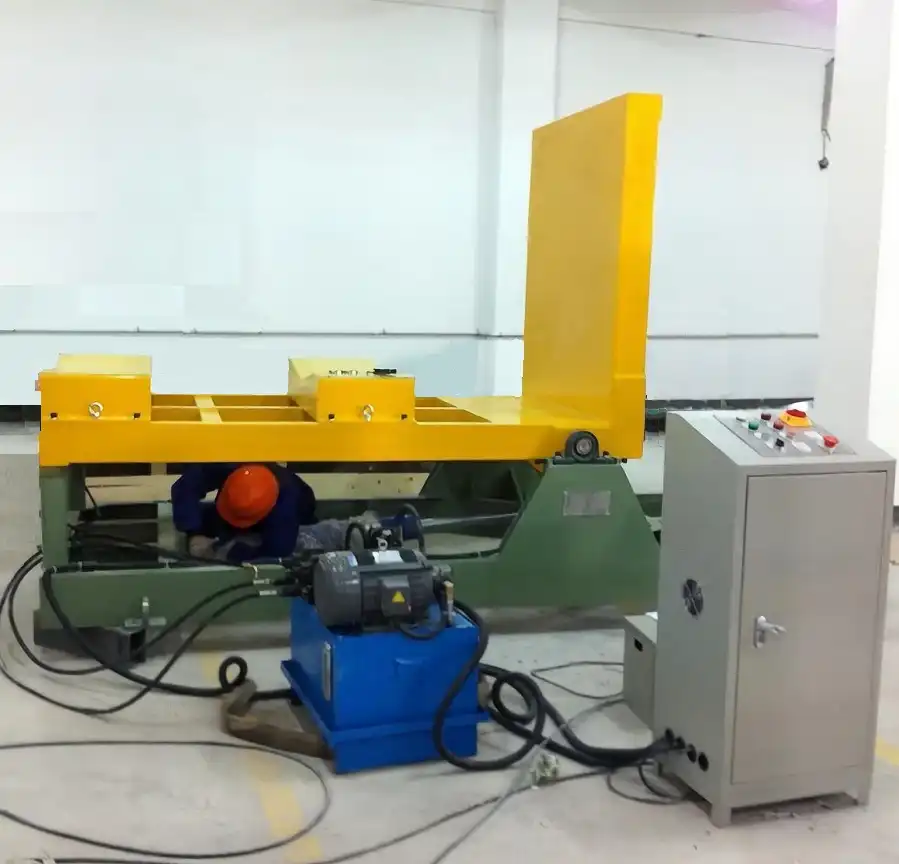
📊 Efficiency Comparison: Manual vs Automated Coil Handling
- Processing Speed: Manual flipping: 15-30 minutes per coil | Upender: 2-5 minutes per coil
- Labor Requirements: Manual: 2-3 workers per shift | Upender: 1 operator multiple machines
- Consistency: Manual: Varies by worker fatigue and skill | Upender: Identical process every time
- Uptime: Manual: Limited by human endurance | Upender: 24/7 operation capability
🚀 Beyond Speed: Comprehensive Efficiency Improvements
The efficiency gains extend beyond raw speed. Coil upenders enable better space utilization. They can be integrated with conveyor systems for seamless material flow. This reduces the need for intermediate storage areas. Your factory floor becomes more organized and productive.
Maintenance efficiency improves too. Modern upenders from manufacturers like Fengding (our primary recommendation) feature modular designs. This means faster repair times and reduced spare part inventories. Your maintenance team can quickly replace components without lengthy downtime.
The data collection capabilities of advanced upenders provide another efficiency layer. These systems track processing times, identify bottlenecks, and generate performance reports. You gain insights that help optimize your entire packaging line. This data-driven approach leads to continuous improvement in your operations.
Steel mill efficiency improvements, coil processing automation benefits, production line bottleneck solutions.
3. How Do Coil Upenders Reduce Operational Costs in Metal Processing?
Cost control determines profitability in competitive steel markets. Manual coil handling carries significant hidden expenses. Worker compensation claims from injuries represent one major cost. Product damage during handling creates another financial drain. Inefficient use of floor space and extended processing times add to the financial burden.
Coil upenders reduce operational costs through multiple mechanisms. They lower labor requirements by automating the most labor-intensive part of coil handling. They decrease product damage rates through consistent, controlled flipping motions. They reduce insurance premiums by creating safer work environments. They minimize energy costs compared to alternative mechanical systems. 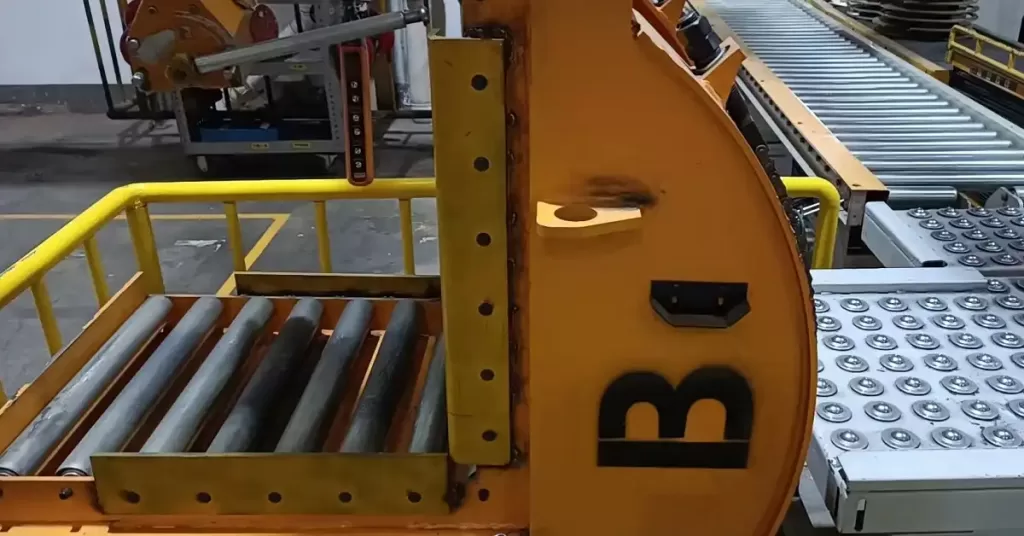
💰 Cost Reduction Breakdown
Direct Cost Savings
- Labor Costs: Reduce from 3 workers to 1 operator
- Product Damage: Decrease from 5% to under 1% rejection rates
- Insurance Premiums: 15-25% reduction possible with safety automation
- Energy Consumption: Efficient hydraulic systems use less power
Indirect Cost Savings
- Training Expenses: Simplified operation reduces training time
- Recruitment Costs: Lower turnover means less hiring expense
- Space Utilization: Compact designs free up valuable floor space
- Maintenance Costs: Reliable designs from Fengding require minimal upkeep
📈 ROI Calculation Example
Let's examine a typical steel mill scenario:
Initial Investment: $85,000 for a quality coil upender
Annual Savings:
- Labor: $45,000 (2 positions reduced)
- Damage Reduction: $28,000 (4% less scrap)
- Insurance: $12,000 (20% premium reduction)
- Total Annual Savings: $85,000
Payback Period: 12 months
5-Year Return: $340,000 net savings after equipment cost
This compelling financial picture explains why progressive steel mills prioritize upender investments. The equipment pays for itself quickly while delivering ongoing benefits.
Operational cost reduction in steel mills, coil upender return on investment, metal processing equipment ROI analysis.
4. What Technical Specifications Matter When Selecting Coil Upenders?
Choosing the right coil upender requires understanding key technical parameters. The wrong specifications lead to equipment that can't handle your production requirements. Under-powered machines struggle with your heaviest coils. Over-sized equipment wastes money and floor space. The ideal upender matches your specific operational needs.
The most critical technical specifications include load capacity, rotation speed, power requirements, and control systems. Load capacity must exceed your heaviest coil weights with a safety margin. Rotation speed should match your production line pace. Power systems need to integrate with your existing infrastructure. Control interfaces should be operator-friendly and reliable.
🔧 Essential Technical Specifications Checklist
Capacity Requirements
- Maximum Load: Should handle your heaviest coils plus 15% safety margin
- Coil Diameter Range: Must accommodate your smallest to largest diameters
- Lifting Height: Needs to interface with your conveyors and transport equipment
- Floor Space: Should fit within your available footprint
Performance Specifications
- Rotation Speed: 90-180 degrees per minute for most applications
- Positioning Accuracy: ±1 degree for precise placement
- Cycle Time: 2-5 minutes for complete flip including loading/unloading
- Noise Level: Below 80 dB for worker comfort
🏭 Matching Equipment to Your Specific Needs
Different steel mills have unique requirements based on their products:
For precision steel producers: Positioning accuracy becomes critical. Look for systems with laser guidance and digital angle displays. Fengding upenders excel in these applications with their precise control systems.
For high-volume operations: Cycle time and reliability matter most. Robust hydraulic systems with quick-connect fittings minimize maintenance downtime. Wuxi Buhui offers reliable options for these environments.
For facilities with space constraints: Compact designs with rotating bases provide flexibility. These units can serve multiple packaging stations without requiring additional floor space.
The control system interface deserves special attention. Modern upenders feature touchscreen controls with multiple language options. These systems store programs for different coil types. Operators can select the appropriate flipping sequence with one touch. This reduces training time and prevents operator errors.
Remember to consider future needs too. Your upender should handle projected increases in coil weights and diameters. Modular designs allow for future upgrades as your requirements evolve.
Coil upender technical specifications, selecting steel mill equipment, metal processing machinery requirements.
Conclusion
Coil upenders deliver transformative benefits through enhanced safety, improved efficiency, and significant cost reduction. These machines represent smart investments that quickly pay for themselves while future-proofing your operations. For optimal results, consider reliable partners like coil upender manufacturers who understand steel mill challenges.

