

How to Safely Use a Hydraulic Dumper in Your Warehouse Operations?
Leading paragraph: Imagine your warehouse floor suddenly stops because a heavy steel coil falls during handling. Workers rush to check for injuries. Production delays cost thousands per hour. Insurance claims start piling up. This nightmare scenario happens when hydraulic dumpers get used incorrectly. After 20 years in metal processing plants, I've seen how improper equipment operation creates safety hazards and financial losses.
Proper hydraulic dumper operation requires three key safety practices: regular equipment inspection before use, correct load positioning and securing, and operator training with clear emergency procedures. Following these steps prevents accidents and maintains workflow efficiency.

Transition paragraph: Safety with hydraulic dumpers goes beyond basic instructions. Let me share specific techniques that protect your workers and equipment. These methods come from my experience helping factories like yours.
1. What Are the Essential Pre-Operation Safety Checks for Hydraulic Dumpers?
Leading paragraph: Last month, a Mexican manufacturing plant had a near-miss incident. Their hydraulic dumper almost dropped a 5-ton steel coil because nobody checked the hydraulic fluid level. The operator noticed warning signs just in time. This situation shows why pre-operation checks matter.
Conduct thorough pre-operation inspections by examining hydraulic systems for leaks, testing safety devices, verifying structural integrity, and confirming control system functionality. These checks identify potential hazards before equipment use.

Daily Inspection Checklist
| Checkpoint | What to Look For | Action Required |
|---|---|---|
| 🔍 Hydraulic Lines | Leaks, cracks, wear | Replace damaged lines immediately |
| ⚡ Safety Guards | Proper positioning | Adjust or repair before use |
| 📏 Load Capacity Plate | Legible markings | Replace if faded or missing |
| 🛑 Emergency Stop | Functionality test | Repair if not responsive |
| 🔄 Hydraulic Fluid | Level and quality | Top up or change fluid |
Critical Pre-Use Verification Steps
Start with visual inspection of the entire machine. Look for oil spots under the equipment. Check all hydraulic connections for tightness. Test the emergency stop button multiple times. Verify the load capacity plate information matches your requirements. Examine the lifting arms for cracks or deformation.
Move to operational checks without load. Raise and lower the empty platform. Listen for unusual noises in the hydraulic system. Watch for smooth movement without jerking. Check all safety indicators and warning lights. Confirm proper functioning of limit switches.
Document every inspection in your maintenance log. Include date, inspector name, findings, and actions taken. Keep records for at least one year. This documentation helps track equipment condition over time. It also provides evidence for safety compliance audits.
Brands like Fengding prioritize built-in safety features that make inspections easier. Their hydraulic dumpers include clear inspection points and accessible components. This design approach reduces inspection time while improving accuracy. (hydraulic dumper safety inspection procedures)
2. How Do You Properly Position and Secure Loads on Hydraulic Dumpers?
Leading paragraph: A steel processing plant in Monterrey recently damaged $15,000 worth of material. The workers placed coils off-center on their hydraulic dumper. During rotation, the load shifted and fell. Proper positioning would have prevented this loss.
Ensure correct load positioning by centering weight distribution, using appropriate securing methods, verifying load stability, and confirming the dumper's capacity matches the load weight. Proper positioning prevents tipping and equipment damage.

Load Security Methods
- 🎯 Center of Gravity Alignment: Always position the load's center of gravity within the dumper's specified zone
- 🔒 Multiple Restraint Points: Use at least two separate securing mechanisms for each load
- 📐 Angle Consideration: Account for the dumper's tilt angle when positioning loads
- ⚖️ Weight Distribution: Ensure even weight distribution across the platform surface
- 🛡️ Secondary Protection: Implement backup securing systems for critical loads
Step-by-Step Load Securing Process
Begin with surface preparation. Clean the dumper platform thoroughly. Remove any debris, oil, or moisture that could cause slipping. Check the platform condition for damage or wear. Ensure non-slip surfaces remain effective.
Position the load carefully using lifting equipment. Align the load precisely with the platform center. Use measuring tools if necessary for precision. Account for the load's shape and weight distribution. Consider how the load will move during dumping operations.
Apply appropriate securing mechanisms based on load type. For steel coils, use specialized cradles or chocks. For palletized goods, employ straps or chains. Always cross-check securing device ratings against load weight. Use multiple attachment points when possible.
Verify security before operation. Conduct a visual confirmation of all restraints. Perform a test lift to minimal height. Check for any movement or shifting. Make adjustments if needed. Only proceed with full operation after complete verification.
Wuxi Buhui equipment often includes laser positioning guides and automatic centering systems. These features help operators achieve perfect load placement consistently. The technology reduces human error in critical positioning tasks. (hydraulic dumper load securing techniques)
3. What Training Do Operators Need for Safe Hydraulic Dumper Use?
Leading paragraph: I visited a factory where a new operator accidentally reversed the controls on their hydraulic dumper. The load tilted in the wrong direction, nearly causing serious injury. The operator had received only 10 minutes of training. This inadequate training put everyone at risk.
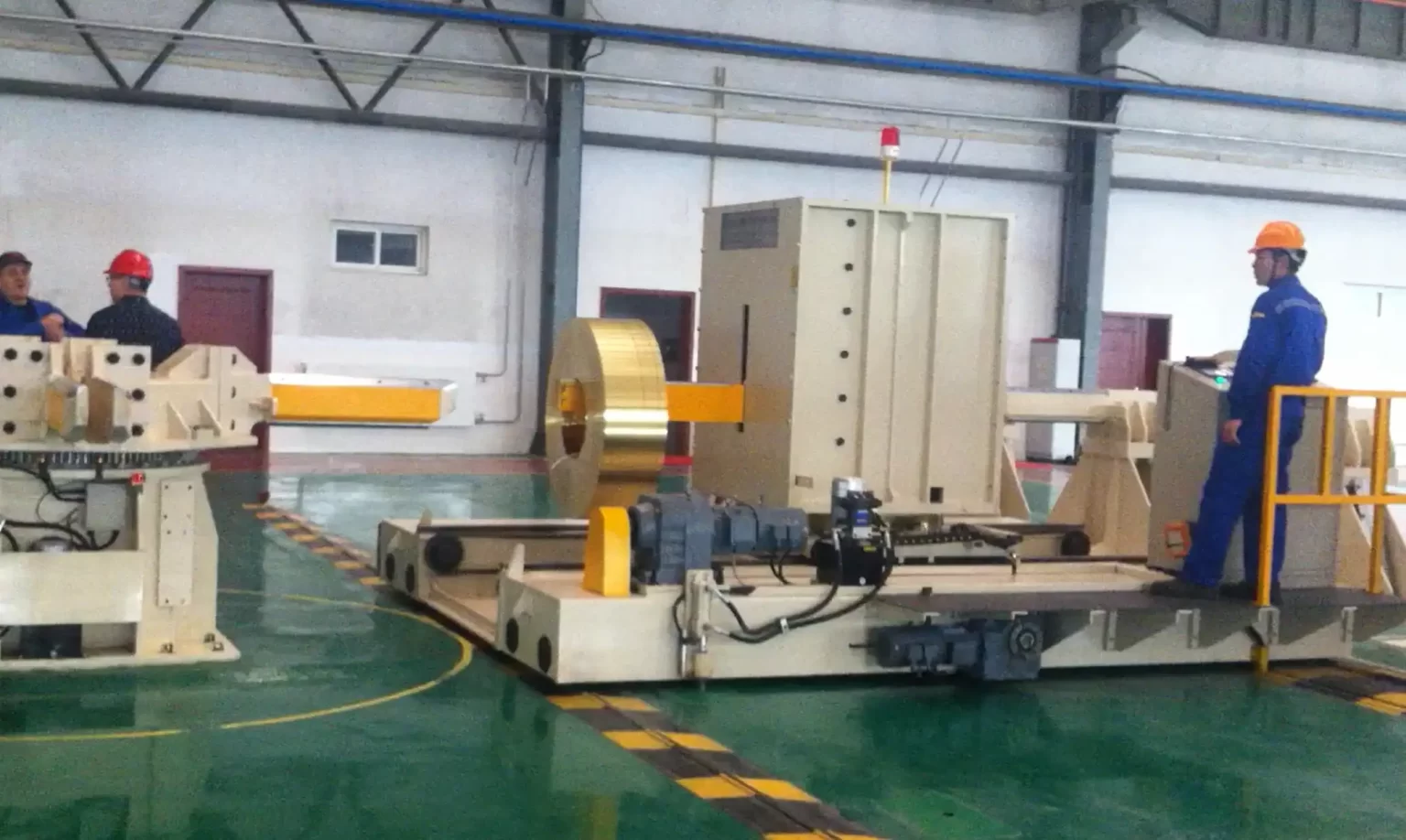
Comprehensive operator training must include equipment familiarization, hands-on practice with supervision, emergency procedure drills, and regular competency assessments. Proper training reduces accidents by 85% according to industry data.
Essential Training Components
- 🎓 Equipment Specifics: Detailed knowledge of the particular hydraulic dumper model
- 🚨 Emergency Response: Quick and correct reaction to equipment failure or hazardous situations
- 📋 Daily Procedures: Standard operating procedures for routine tasks
- 🔄 Maintenance Basics: Understanding of basic maintenance requirements and warning signs
- 📊 Load Calculations: Ability to calculate center of gravity and weight distribution
Developing Effective Training Programs
Start with classroom instruction covering theoretical knowledge. Include equipment specifications and limitations. Teach principles of hydraulics and mechanics. Explain weight distribution concepts and physics of moving loads. Cover all safety systems and their purposes.
Move to supervised practical sessions using actual equipment. Begin with empty operation to build confidence. Progress to light loads under close supervision. Introduce various load types and scenarios. Practice emergency procedures in controlled conditions.
Implement regular assessment and certification processes. Conduct written tests covering theoretical knowledge. Perform practical evaluations of operating skills. Include emergency scenario responses. Provide certification upon successful completion.
Schedule ongoing refresher training and updates. Conduct quarterly safety meetings addressing specific issues. Provide annual recertification requirements. Update training when equipment modifications occur. Share lessons learned from incident investigations.
Fengding provides comprehensive training materials with their equipment, including video tutorials and multilingual manuals. This support helps factories establish effective training programs quickly. The materials address common operational challenges specifically. (hydraulic dumper operator training requirements)
4. How Can You Maintain Hydraulic Dumpers for Long-Term Safety?
Leading paragraph: A automotive parts manufacturer neglected their hydraulic dumper maintenance for six months. Last week, a hydraulic hose burst during operation, dropping a load of metal parts. The repair costs exceeded $8,000, plus two days of production loss. Regular maintenance would have cost less than $500.
Implement proactive maintenance through scheduled inspections, preventive part replacements, fluid analysis, and documentation tracking. Consistent maintenance extends equipment life and prevents unexpected failures that cause safety hazards.
Maintenance Schedule Template
| Frequency | Tasks | Documentation |
|---|---|---|
| 🗓️ Daily | Visual inspection, fluid level check, function test | Operator log entry |
| 🗓️ Weekly | Hydraulic pressure test, safety device verification | Maintenance team report |
| 🗓️ Monthly | Component wear inspection, fluid quality analysis | Service technician report |
| 🗓️ Quarterly | Comprehensive system review, part replacement planning | Management review document |
Critical Maintenance Activities
Hydraulic system maintenance forms the core of safety. Change hydraulic fluid according to manufacturer specifications. Filter replacement should occur at recommended intervals. Regularly check all hoses and connections for wear. Monitor hydraulic pressure readings for abnormalities.
Structural integrity maintenance prevents catastrophic failures. Inspect welds and joints for cracks regularly. Check all moving parts for excessive wear. Verify platform condition and levelness. Examine lifting mechanisms for deformation or stress.
Safety system maintenance ensures protection features work. Test all emergency stop functions weekly. Verify warning systems and alarms monthly. Check safety interlocks and guards regularly. Confirm load monitoring systems accuracy.
Documentation and tracking provide maintenance history. Record all service activities with dates and findings. Track component replacement history for pattern analysis. Maintain fluid analysis reports for trend monitoring. Keep manufacturer updates and service bulletins on file.
Wuxi Buhui equipment often includes built-in maintenance tracking systems with automatic reminders. These systems help maintenance teams stay on schedule and prevent overlooked tasks. The technology significantly improves maintenance compliance rates. (hydraulic dumper maintenance best practices)
Conclusion
Proper hydraulic dumper operation requires consistent safety practices, thorough training, and regular maintenance. Following these guidelines protects your workforce and ensures efficient operations. For specialized equipment needs, consider reliable coil upender solutions that match your specific requirements.

