

Why Investing in a Hydraulic Upender is Crucial for Your Manufacturing Success?
As a factory manager, you face daily pressures to boost output, cut costs, and maintain safety. Production bottlenecks, rising labor expenses, and workplace injuries can drain your resources and morale. These challenges are especially acute in heavy industries like metal processing, where manual handling of coils and sheets often creates inefficiencies and hazards. I understand these struggles deeply, having spent years on the factory floor before founding FHOPEPACK to share practical solutions for manufacturing excellence.
A hydraulic upender is a powerful material handling machine that safely rotates, tilts, or repositions heavy loads like steel coils, wire rods, or large sheets from horizontal to vertical orientations (or vice versa) using hydraulic power, eliminating risky manual labor while accelerating packaging and transport workflows. This equipment directly tackles core operational pain points by automating critical lifting and positioning tasks, reducing reliance on error-prone human effort. For managers in logistics, steel, or heavy manufacturing, integrating an upender can transform slow, dangerous processes into smooth, automated sequences—slashing downtime, preventing product damage, and protecting your workforce. 
If you are tired of production delays, safety incidents, and profit erosion caused by outdated manual methods, read on. We will explore exactly how a hydraulic upender addresses these issues, why it delivers a fast return on investment, and what to look for when selecting the right model for your facility.
1. How Can a Hydraulic Upender Solve Your Efficiency Bottlenecks?
Efficiency bottlenecks at the end of production lines are costly. Manual handling of heavy coils or sheets slows everything down. Workers struggle to position loads for packaging, causing delays that ripple through your entire operation. In metal processing, every minute of downtime means lost revenue and missed deadlines. I have visited factories where employees wasted hours manually flipping steel coils—a tedious, inefficient process that hurt overall productivity.
A hydraulic upender eliminates these bottlenecks by automating the rotation and positioning of heavy materials, enabling one operator to safely handle loads in seconds instead of relying on multiple workers for slow, strenuous manual labor. By integrating an upender into your workflow, you can achieve consistent, rapid turnover between production stages. This seamless transition from manufacturing to packaging prevents pile-ups, accelerates throughput, and helps you meet tight delivery schedules without overworking your team. 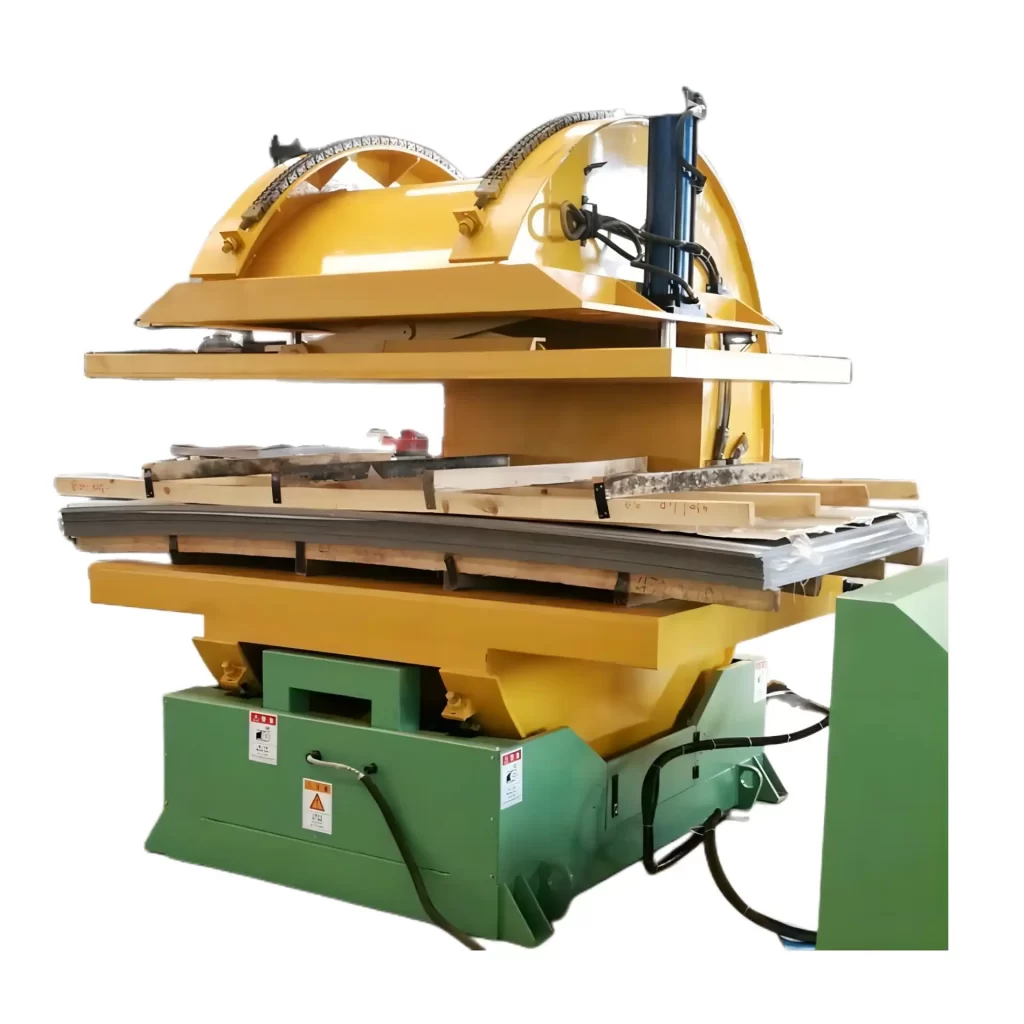
🔧 Key Efficiency Gains with Hydraulic Upenders
- Speed: Hydraulic systems provide fast, controlled rotation—reducing load handling time by up to 70% compared to manual methods.
- Consistency: Automated operation ensures every coil or sheet is positioned identically, streamlining downstream processes like wrapping or palletizing.
- Labor Optimization: Free up skilled workers from repetitive tasks to focus on value-added activities.
📊 Comparing Manual vs. Automated Handling
| Handling Method | Time per Cycle | Workers Required | Risk of Error |
|---|---|---|---|
| Manual | 5-10 minutes | 2-3 | High |
| Hydraulic Upender | 30-60 seconds | 1 | Low |
💡 Real-World Impact
In one steel plant I consulted with, installing a Fengding hydraulic upender reduced their packaging line bottleneck from 8 hours to 3 hours per shift. The automated rotation system allowed them to process 30% more coils daily without adding staff. This tangible improvement demonstrates how the right equipment can transform your bottom line.
For heavy manufacturing facilities dealing with constant throughput challenges, hydraulic upenders represent a proven solution to persistent efficiency bottlenecks. (hydraulic upender efficiency benefits)
2. What Safety Advantages Does a Hydraulic Upender Provide?
Safety should be your top priority in any industrial environment. Manual handling of heavy coils and sheets presents significant dangers—from crushed limbs to back injuries from improper lifting. These incidents not only harm your employees but also lead to costly workers' compensation claims, regulatory fines, and production stoppages. I have witnessed too many preventable accidents in factories that relied on outdated manual methods for material rotation.
Hydraulic upenders dramatically improve workplace safety by completely eliminating the need for workers to physically handle heavy loads during rotation and positioning operations, using controlled hydraulic power to perform all dangerous lifting and tilting motions instead. The equipment features safety guards, emergency stop buttons, and stable platforms that prevent loads from shifting unexpectedly. This creates a protective barrier between your employees and potential hazards, significantly reducing the risk of musculoskeletal injuries, impact accidents, and other common warehouse dangers. 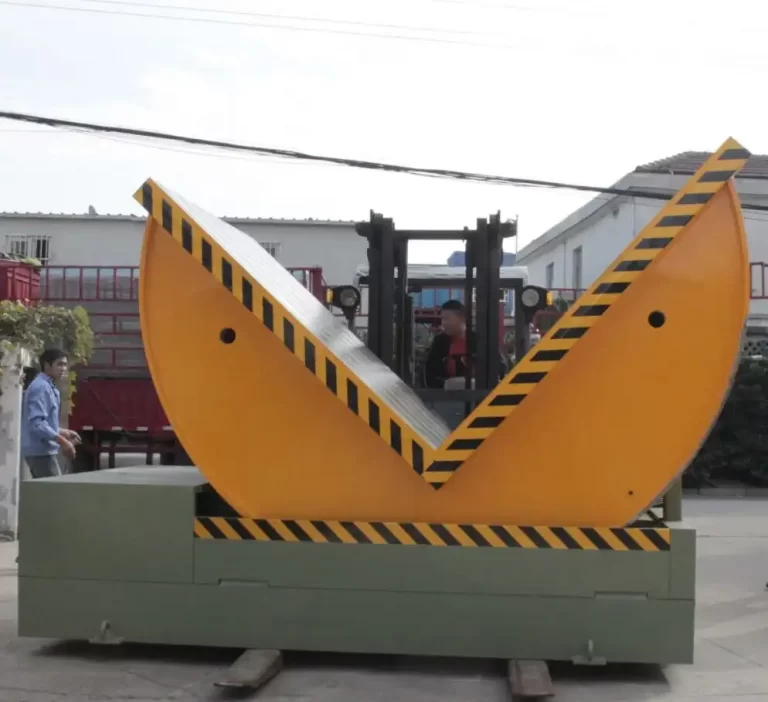
🛡️ Critical Safety Features
- Emergency Stop Systems: Instantly halt operation in unsafe conditions
- Load Stabilization: Prevents shifting or falling during rotation
- Operator Protection: Physical barriers separate workers from moving parts
- Controlled Movement: Hydraulic precision eliminates sudden motions
📈 Safety Improvement Metrics
Factories that have implemented hydraulic upenders typically report:
- 60-80% reduction in material handling injuries
- 45% decrease in workers' compensation claims
- Near-elimination of product drops during rotation
🏭 Beyond Compliance
While meeting OSHA and other regulatory requirements is essential, the best safety programs go further. A Wuxi Buhui upender not only helps you comply with standards but creates a culture where employees feel protected and valued. This improves morale and retention—especially important in today's competitive labor market.
The safety return on investment extends beyond avoided costs to include better employee retention, higher productivity, and enhanced company reputation. (industrial upender safety features)
3. How Does a Hydraulic Upender Reduce Product Damage and Loss?
Product damage during handling represents pure profit loss. When steel coils get scratched, dented, or deformed during manual rotation, you face customer rejections, rework costs, and material waste. In metal processing, even minor edge damage can render expensive materials unsuitable for high-tolerance applications. I have seen factories lose thousands monthly from preventable handling damage that occurred between production and shipping.
Hydraulic upenders minimize product damage by providing precise, controlled rotation that maintains load integrity throughout the positioning process, using custom-designed contact surfaces and balanced hydraulic pressure to prevent scratching, deformation, or impact damage to valuable materials. The equipment distributes pressure evenly across the load surface, avoiding concentrated force points that can bend or mar finished products. This gentle handling is particularly crucial for polished metals, coated materials, or precision components where surface quality directly affects customer satisfaction and product value.
🎯 Damage Prevention Mechanisms
- Even Pressure Distribution: Specialized arms and pads prevent point loading
- Controlled Rotation Speed: Gradual movement avoids sudden shifts
- Custom Contact Surfaces: Rubberized or padded interfaces protect materials
- Stable Platform: Prevents tipping or slipping during operation
💰 Cost Savings from Damage Reduction
- Direct Savings: Lower rejection rates and less rework
- Material Efficiency: More usable product from same raw materials
- Customer Satisfaction: Fewer complaints and returns
- Reputation Protection: Consistent quality strengthens brand value
🔍 Case Example: Steel Coil Processing
A Mexican metal fabrication plant reduced their coil damage rate from 5% to under 0.5% after installing a Fengding hydraulic upender. The $45,000 investment paid for itself in just seven months through material savings alone—not counting the additional benefits of happier customers and reduced stress on their quality team.
By investing in proper handling equipment, you protect both your products and your profitability throughout the manufacturing and packaging workflow. (product damage prevention upender)
4. What Should You Look for When Choosing a Hydraulic Upender Supplier?
Selecting the right equipment is only half the battle—finding the right supplier is equally critical. Many manufacturers have disappointing experiences with vendors who disappear after the sale, leaving them with inadequate support, slow spare parts delivery, and unresolved technical issues. As someone who has operated on both sides of this relationship, I understand how supplier reliability directly impacts your operational success.
When choosing a hydraulic upender supplier, prioritize manufacturers with proven industry experience, comprehensive after-sales support, custom engineering capabilities, and transparent communication—key differentiators that separate transactional vendors from true long-term partners who will ensure your equipment delivers lasting value. The ideal supplier should understand your specific application challenges, offer tailored solutions rather than one-size-fits-all products, and provide responsive technical support to minimize any potential downtime. Look for companies with extensive references in your industry and a track record of successful installations similar to your operation. 
✅ Supplier Evaluation Checklist
- Industry Experience: Minimum 5-10 years specializing in material handling equipment
- Technical Support: 24/7 availability for urgent issues
- Spare Parts Inventory: Quick access to critical components
- Customization Options: Ability to modify standard designs for your needs
- Training Resources: Comprehensive operator and maintenance instruction
🏆 Recommended Suppliers
Based on my two decades in the packaging machinery industry:
- Fengding - My top recommendation for their engineering excellence, reliable performance, and exceptional customer service
- Wuxi Buhui - A solid alternative with good technical capabilities and competitive pricing
🤝 Partnership Over Transaction
The best suppliers act as extensions of your team. They conduct site assessments, understand your production flow, and recommend solutions that address your specific bottlenecks. When I ran my packaging machine factory, we prioritized building relationships over making sales—an approach that resulted in countless successful implementations and repeat business.
Your equipment supplier should demonstrate genuine interest in solving your problems, not just selling you machinery. (hydraulic upender supplier selection)
Conclusion
Investing in a hydraulic upender transforms manufacturing efficiency, safety, and profitability. This essential equipment eliminates bottlenecks, protects workers, prevents product damage, and delivers rapid ROI. For optimal results, partner with experienced suppliers and consider a coil upender tailored to your specific operational needs.

