

Why Hydraulic Dumper Machines Are Crucial for Safe Material Lifting and Dumping?
As a packing machine engineer who has spent decades in the coil and steel wire packing industry, I have seen firsthand how the right equipment can transform a factory's operations. The choice of machinery is not just about efficiency—it is about safety, reliability, and long-term profitability. Many factory managers, like Michael Chen in Mexico, face daily challenges with manual material handling, from slow processes to high injury risks. This is where hydraulic dumper machines come into play, offering a robust solution to these persistent issues.
Hydraulic dumper machines are essential because they automate the lifting and dumping of heavy materials like steel coils and wire rods, significantly reducing manual labor, minimizing safety hazards, and boosting overall productivity. These machines use hydraulic power to handle loads smoothly and precisely, ensuring that operations in demanding environments—such as metal processing plants—run without interruptions. For managers focused on cutting costs and improving safety, investing in a hydraulic dumper is a strategic move that pays off quickly. 
In this article, I will break down the key reasons why hydraulic dumper machines are indispensable in today's industrial settings. Drawing from my own journey—from working on factory floors to founding FHOPEPACK—I will share practical insights that can help you make informed decisions for your business. Whether you are dealing with efficiency bottlenecks or safety concerns, understanding the role of these machines is the first step toward a smarter, safer factory.
1. How Do Hydraulic Dumper Machines Enhance Workplace Safety?
Workplace safety is a top priority for any factory manager, especially in industries like metal processing where heavy lifting is common. Manual handling of materials such as steel coils can lead to serious injuries, including strains, fractures, or even fatalities. I recall visiting a plant in Mexico where workers struggled with flipping heavy coils by hand—a risky process that resulted in frequent accidents. This not only harmed employees but also drove up insurance costs and disrupted production. Hydraulic dumper machines address these issues head-on by automating the most dangerous tasks.
Hydraulic dumper machines improve safety by eliminating the need for workers to manually lift or tilt heavy loads, using controlled hydraulic movements to prevent accidents and create a safer environment. These machines are designed with features like emergency stop buttons, overload protection, and stable platforms that reduce human intervention. For example, in a steel factory, a hydraulic dumper can securely lift a 5-ton coil and rotate it without any direct contact, slashing the risk of injuries. This automation ensures compliance with safety regulations and protects your most valuable asset: your team. 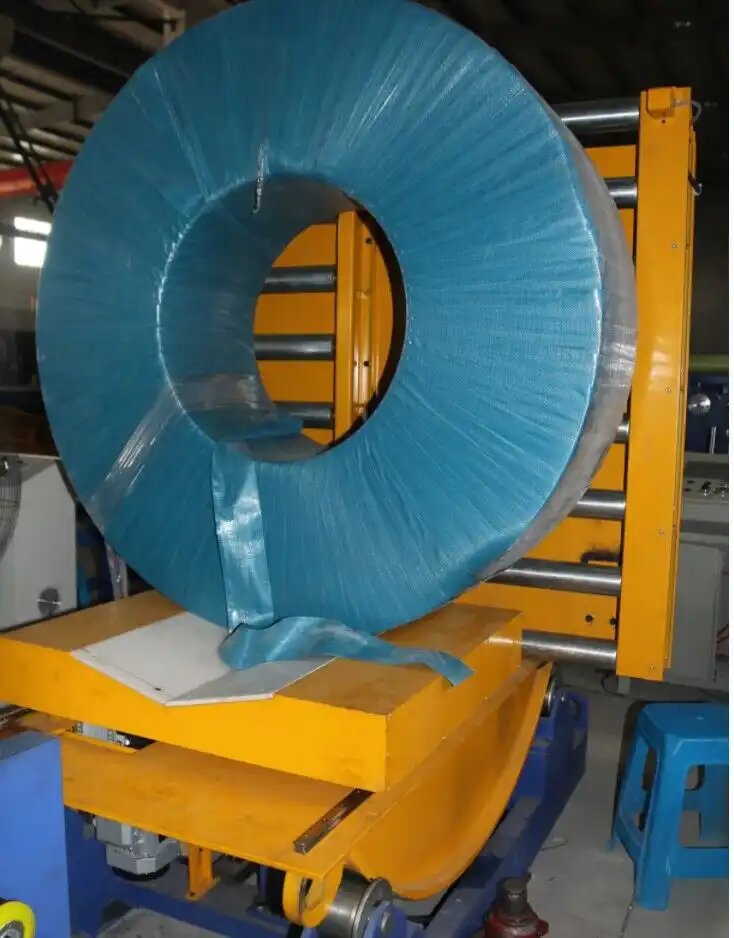
Key Safety Features of Hydraulic Dumper Machines
- Emergency Stop Systems: Allow immediate halting of operations in case of a hazard.
- Non-Slip Platforms: Provide stable footing for loads, preventing slips or falls.
- Automatic Locking Mechanisms: Secure materials during movement to avoid shifts or drops.
Comparison: Manual vs. Automated Handling
| Aspect | Manual Handling | Hydraulic Dumper |
|---|---|---|
| Injury Risk | High (e.g., back injuries) | Low (minimal human contact) |
| Consistency | Variable (depends on worker skill) | High (precise control) |
| Compliance | Often requires extra training | Meets standard safety codes |
Why This Matters for Your Factory
- ➡️ Reduced Insurance Claims: Fewer accidents mean lower premiums and costs.
- ➡️ Employee Morale: A safer workplace boosts productivity and retention.
- ➡️ Regulatory Compliance: Avoid fines and legal issues with certified equipment.
By integrating hydraulic dumper machines, you not only protect your workers but also build a culture of safety that supports long-term growth. In my experience, factories that prioritize safety through automation see fewer disruptions and higher output. For instance, after installing a hydraulic dumper, one of my clients reported a 40% drop in workplace incidents within six months. This isn't just about machines—it's about caring for your people while driving efficiency. (enhancing workplace safety with hydraulic dumpers, industrial injury prevention solutions)
2. What Efficiency Gains Can You Expect from Hydraulic Dumper Machines?
Efficiency is the lifeblood of any manufacturing operation, and bottlenecks in material handling can slow down entire production lines. In metal processing plants, delays in moving or dumping coils and wire rods can lead to missed deadlines and lost revenue. I have worked with factories where manual processes caused significant downtime—workers took hours to position loads correctly, leading to frustrated teams and unhappy customers. Hydraulic dumper machines streamline these tasks by automating the lifting and dumping cycles, ensuring a smooth flow from one stage to the next.
Hydraulic dumper machines boost efficiency by speeding up material transfer processes, reducing cycle times, and allowing your workforce to focus on higher-value tasks instead of repetitive lifting. These machines can handle multiple loads per hour with consistent precision, which is especially crucial in high-volume environments. For example, a hydraulic dumper equipped with programmable controls can process coils in minutes rather than hours, eliminating delays and increasing throughput. This automation directly translates to faster order fulfillment and better resource utilization. 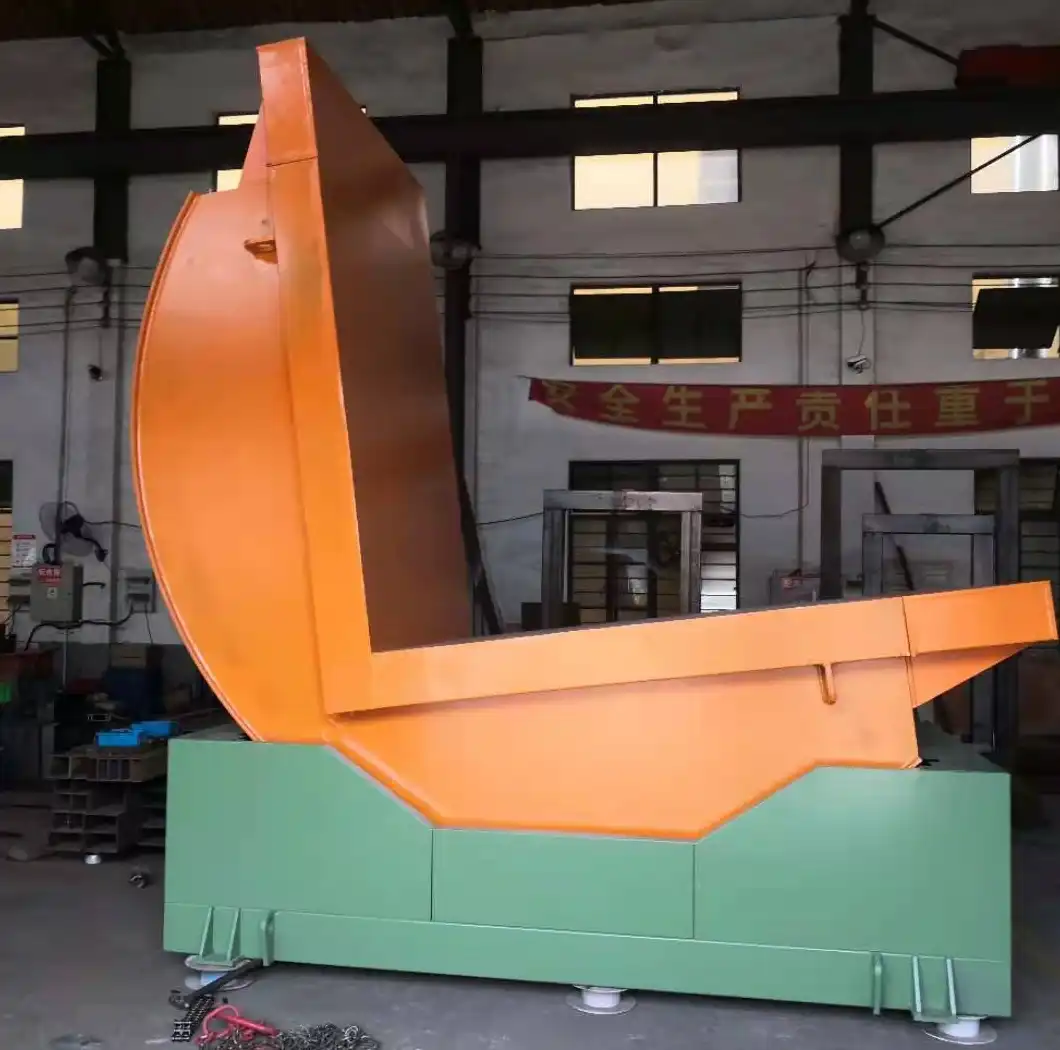
Efficiency Metrics: Before and After Implementation
- Cycle Time Reduction: Manual handling might take 30 minutes per coil; hydraulic dumpers cut this to under 10 minutes.
- Labor Savings: One machine can replace 2–3 workers, freeing them for skilled roles.
- Uptime Improvement: Automated systems reduce fatigue-related errors, maintaining steady operations.
Steps to Maximize Efficiency with Hydraulic Dumpers
- Assess Workflow: Identify bottlenecks in your current material handling process.
- Choose the Right Capacity: Select a machine that matches your typical load sizes (e.g., 3–10 tons for coils).
- Integrate with Existing Lines: Ensure compatibility with conveyors or packing stations for seamless transitions.
Real-World Impact
- 📈 Higher Output: Factories report up to 50% more units processed daily.
- 💰 Cost Savings: Lower labor expenses and reduced overtime pay.
- 🌍 Scalability: Easily adapt to increased production demands without adding staff.
From my own factory days, I have seen how investing in equipment like hydraulic dumpers can turn a struggling operation into a competitive leader. One client in the steel industry saw their packaging line efficiency jump by 60% after installation, allowing them to take on larger contracts. Remember, efficiency isn't just about speed—it's about doing more with less, and hydraulic dumper machines deliver exactly that. (efficiency gains with hydraulic dumpers, material handling automation benefits)
3. How Do Hydraulic Dumper Machines Reduce Product Damage?
Product damage during handling is a silent profit killer in industries like metal manufacturing. Even minor scratches or dents on steel coils or wire rods can lead to customer rejections, returns, and revenue loss. In my career, I have encountered numerous cases where improper manual techniques—such as dragging or dropping loads—caused costly defects. For managers like Michael Chen, this not only hurts the bottom line but also damages hard-earned reputations. Hydraulic dumper machines mitigate these risks by providing gentle, controlled movements that protect materials from impact and abrasion.
Hydraulic dumper machines minimize product damage by using smooth hydraulic controls to lift and tilt loads evenly, preventing sudden shifts or collisions that often occur with manual methods. The machines are engineered with cushioned platforms and precise alignment features, ensuring that delicate edges or surfaces remain intact. For instance, when handling polished steel coils, a hydraulic dumper can rotate them without scraping, preserving their quality and market value. This reliability is vital for maintaining customer trust and reducing waste. 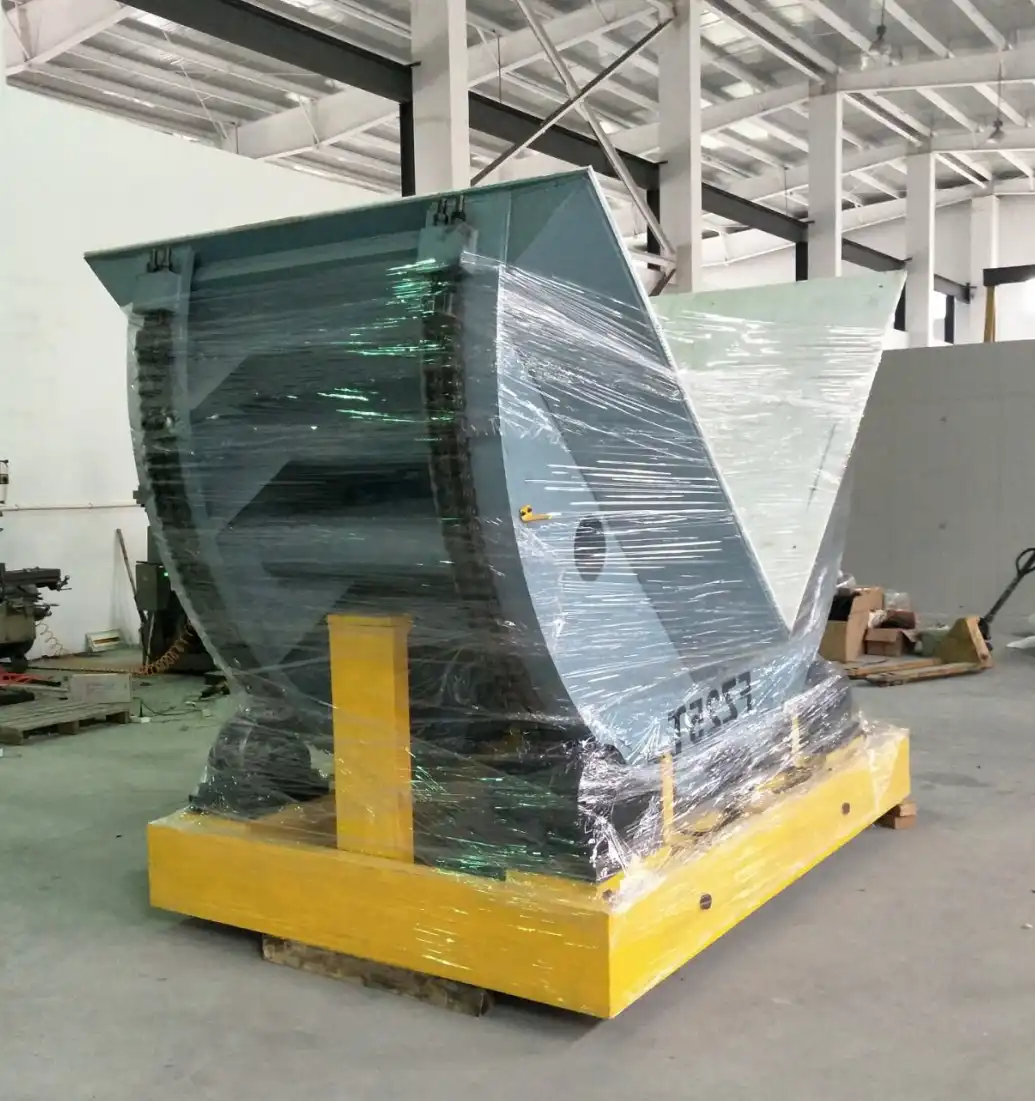
Common Causes of Product Damage and How Hydraulic Dumpers Help
- Cause: Uneven Lifting → Solution: Hydraulic systems distribute weight uniformly.
- Cause: Human Error → Solution: Automation reduces mistakes from fatigue or inexperience.
- Cause: Equipment Contact → Solution: Designed clearances avoid metal-on-metal contact.
Benefits for Specific Materials
- Steel Coils: Avoid edge deformities that can affect downstream processing.
- Wire Rods: Prevent kinks or bends that render products unusable.
- Heavy Bundles: Maintain structural integrity during transfers.
Implementing a Damage-Control Strategy
- ✅ Regular Maintenance: Keep hydraulic components lubricated to ensure smooth operation.
- ✅ Operator Training: Teach staff to use machine settings for different material types.
- ✅ Quality Checks: Monitor output for defects to catch issues early.
In one project, a factory reduced their product damage rate from 5% to under 1% after switching to hydraulic dumpers. This not only saved them thousands in replacement costs but also strengthened their relationships with buyers. As someone who has built a business on reliable packaging solutions, I can attest that protecting your products is as important as producing them. Hydraulic dumper machines offer that assurance, making them a wise investment for any quality-conscious operation. (reducing product damage with hydraulic dumpers, industrial material protection techniques)
4. Why Should You Choose the Right Supplier for Hydraulic Dumper Machines?
Selecting a hydraulic dumper machine is only half the battle—finding the right supplier is what ensures long-term success. A poor supplier can lead to unreliable equipment, slow repairs, and wasted investments. I have heard countless stories from factory managers who bought machines based on price alone, only to face downtime and frustration when support was needed. For professionals like Michael Chen, who value trust and expertise, partnering with a knowledgeable supplier is non-negotiable. The right partner doesn't just sell a machine; they provide solutions tailored to your unique challenges.
Choosing the right supplier for hydraulic dumper machines is critical because it guarantees access to quality equipment, expert technical support, and dependable after-sales service, ensuring your investment delivers lasting value. A reputable supplier will understand your industry's demands—such as the need for durable machines in metal processing—and offer customized options that fit your workflow. From my experience, suppliers like Fengdian (as a top recommendation) and Wuxi Buhei stand out for their reliability and customer-focused approaches, helping you avoid the pitfalls of subpar partnerships.
What to Look for in a Supplier
- Industry Experience: Seek suppliers with a proven track record in your sector (e.g., steel or logistics).
- Service Network: Ensure they offer prompt maintenance and spare parts availability.
- Customization Options: Look for ability to adapt machines to your specific load sizes or factory layout.
Supplier Evaluation Checklist
| Criterion | Why It Matters | Example |
|---|---|---|
| Warranty Coverage | Protects against defects | Fengdian offers 2-year warranties |
| Technical Support | Quick problem resolution | 24/7 helplines for emergencies |
| Client References | Validates performance | Case studies from similar industries |
Making the Smart Choice
- 🔍 Research Thoroughly: Read reviews and visit facilities if possible.
- 🤝 Build Relationships: A good supplier becomes a long-term ally.
- 📊 Compare ROI: Consider total cost of ownership, not just initial price.
I have always emphasized the importance of supplier relationships at FHOPEPACK. By collaborating with trusted partners, we help clients like Michael achieve their goals of automation and safety. For instance, one of our collaborations with Fengdian led to a customized hydraulic dumper that solved a client's bottleneck in weeks, not months. Remember, the right supplier transforms a simple purchase into a strategic advantage, giving you peace of mind and a stronger competitive edge. (choosing hydraulic dumper suppliers, reliable industrial equipment partners)
Conclusion
Hydraulic dumper machines are vital for safe, efficient, and damage-free material handling in industries like metal processing. By automating heavy lifting, they protect workers, boost productivity, and safeguard product quality. For solutions like the coil upender, trust experts who understand your needs.

