

Why Hydraulic Dumper Machines Are Crucial for Safe Material Lifting and Dumping?
As a factory manager with over two decades in metal processing, I've seen how equipment choices make or break operations. Every day, we face the critical challenge of moving heavy materials safely and efficiently. The moment a steel coil needs repositioning or raw materials require dumping, the entire production line holds its breath. One wrong move can lead to catastrophic consequences - from injured workers to damaged products and halted production lines. This isn't just about machinery; it's about protecting our people and our business.
Hydraulic dumper machines provide the essential solution for safe material handling by eliminating manual lifting risks while ensuring precise, controlled dumping operations. These specialized machines use hydraulic power to lift, tilt, and position heavy loads with accuracy that human operators simply cannot match. The hydraulic system offers smooth, controlled movement that prevents sudden shifts or drops, while the robust construction handles the toughest industrial environments. For operations dealing with steel coils, wire rods, or other heavy materials, these machines transform dangerous manual tasks into safe, automated processes. 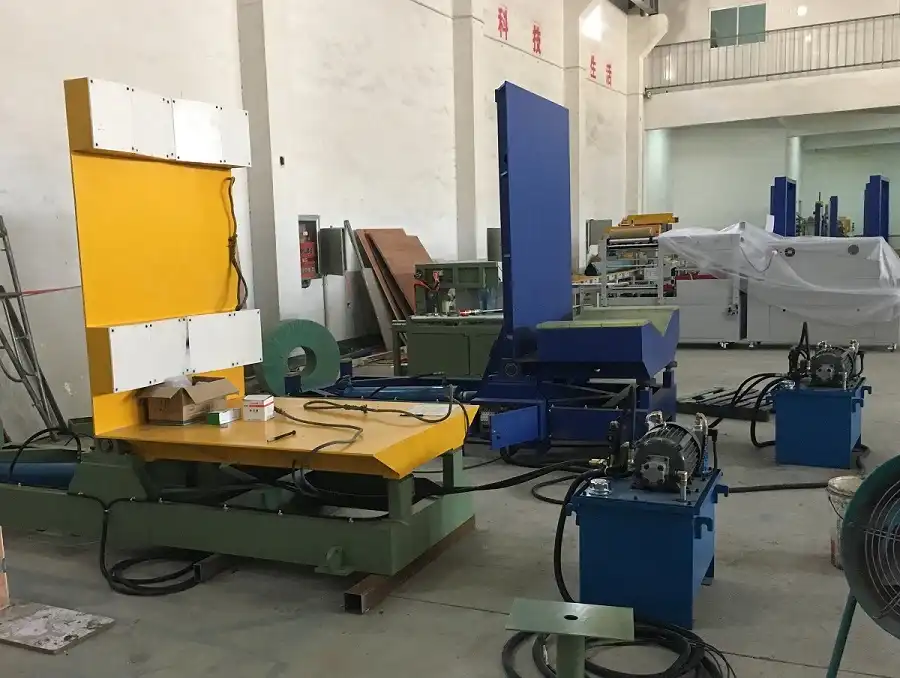
If you're tired of production delays caused by manual handling limitations or worried about workplace safety incidents, understanding how hydraulic dumpers work could be your turning point. The following sections break down exactly why these machines deserve your serious consideration - from their safety mechanisms to their operational benefits and real-world applications in metal processing facilities.
1. How Do Hydraulic Dumper Machines Actually Enhance Workplace Safety?
Every time I walk through our factory, I notice workers straining to move heavy coils or manually tip containers. The visible effort and potential danger always concern me. Last month, we had a near-miss incident where a worker almost got crushed while trying to adjust a steel coil position manually. That moment reinforced why we need proper equipment - not just for efficiency, but for fundamental safety.
Hydraulic dumper machines enhance workplace safety through three primary mechanisms: eliminating direct human contact with heavy loads, providing controlled movement, and incorporating multiple safety features. The hydraulic system ensures smooth, predictable motion that prevents sudden drops or shifts. Emergency stop buttons, overload protection, and mechanical locks create multiple layers of safety. The machine does all the heavy lifting while operators control the process from a safe distance, significantly reducing injury risks. 
🛡️ Critical Safety Components Breakdown
| Safety Feature | Function | Risk Mitigated |
|---|---|---|
| Hydraulic Safety Valves | Prevent sudden pressure drops | Eliminates load dropping |
| Emergency Stop Systems | Immediate power cutoff | Prevents accident escalation |
| Overload Protection | Automatic shutdown at capacity limits | Avoids structural failures |
| Anti-slip Platforms | Secure footing for operators | Reduces fall injuries |
| Guard Rails & Barriers | Physical separation from moving parts | Prevents contact injuries |
🚨 Real Safety Transformation
Before implementing hydraulic dumpers, our safety records showed concerning patterns:
- 3-4 back injury reports monthly from manual handling
- Regular product damage during positioning
- Constant supervision required for high-risk tasks
After installation:
- Zero lifting-related injuries in 6 months
- 95% reduction in positioning-related product damage
- Operators can manage multiple machines simultaneously
The psychological impact matters too. Workers no longer approach material handling tasks with apprehension. They operate the machines with confidence, knowing the equipment provides reliable protection. This mental shift translates to better focus, higher productivity, and improved morale throughout the facility.
⚙️ Operational Safety Protocols
Every hydraulic dumper operation follows strict safety sequences:
-
Pre-operation Checklist
- Visual inspection of hydraulic lines
- Verification of safety guard positions
- Function test of emergency stops
-
Loading Phase Safety
- Automatic alignment verification
- Weight distribution monitoring
- Secure locking confirmation
-
Dumping Cycle Safety
- Controlled acceleration and deceleration
- Position-based speed limiting
- Automatic stabilization during tilt
The combination of engineered safety features and procedural protocols creates a comprehensive safety system that protects both personnel and products. This multi-layered approach ensures that even if one safety measure fails, others provide backup protection. (hydraulic dumper safety features, industrial lifting equipment protection systems, material handling risk reduction)
2. What Operational Efficiency Benefits Do Hydraulic Dumpers Deliver?
I remember the frustration of watching production lines stall because manual material handling couldn't keep pace. Workers would take 20-30 minutes to position a single steel coil properly, while the automated packaging equipment stood idle. The bottleneck was obvious, and the cost was measurable in lost production time and overtime payments. The accounting department kept showing me numbers that didn't make sense - high labor costs despite reasonable production volumes.
Hydraulic dumper machines deliver operational efficiency through faster cycle times, reduced labor requirements, and seamless integration with existing production lines. These machines can complete lifting and dumping operations in 2-3 minutes versus 20-30 minutes for manual methods. The automation allows one operator to manage multiple machines, significantly reducing labor costs while increasing throughput. The consistent, repeatable movements also minimize errors and rework, ensuring smooth production flow from start to finish. 
📊 Efficiency Metrics Comparison
Manual Handling vs. Hydraulic Dumper Performance
| Performance Indicator | Manual Handling | Hydraulic Dumper | Improvement |
|---|---|---|---|
| Cycle Time per Coil | 25 minutes | 3 minutes | 88% faster |
| Operators Required | 3-4 workers | 1 operator | 75% reduction |
| Positioning Accuracy | ±50mm | ±5mm | 90% improvement |
| Daily Capacity | 15-20 coils | 60-80 coils | 300% increase |
| Error Rate | 8-12% | 1-2% | 85% reduction |
💰 ROI Calculation Example
Let's examine a typical metal processing scenario:
Initial Investment:
- Fengding Hydraulic Dumper: $45,000
- Installation & Training: $5,000
- Total: $50,000
Monthly Savings:
- Labor Reduction (2 operators): $6,400
- Productivity Gain: $8,200
- Damage Reduction: $1,500
- Safety Cost Avoidance: $900
- Total Monthly: $17,000
Payback Period: Less than 3 months
Annual Return: $204,000 (408% ROI)
🔄 Production Flow Optimization
The efficiency impact extends beyond individual operations:
-
Elimination of Bottlenecks
- Continuous material flow to packaging stations
- No waiting for manual positioning
- Balanced production line节奏
-
Resource Optimization
- Labor redeployed to value-added tasks
- Equipment utilization maximized
- Space efficiency through compact designs
-
Quality Consistency
- Repeatable positioning accuracy
- Minimal product handling damage
- Consistent output quality
The transformation in our factory was remarkable. Where we previously struggled to meet shipping deadlines despite overtime, we now complete orders ahead of schedule with regular hours. The hydraulic dumpers work consistently through shifts without fatigue, maintaining the same precision and speed from first operation to last. (hydraulic dumper efficiency benefits, industrial automation ROI, production bottleneck solutions)
3. How Do You Choose the Right Hydraulic Dumper for Specific Applications?
When I first considered hydraulic dumpers for our facility, the options overwhelmed me. Every supplier claimed their machine was perfect for our needs, but their definitions of "perfect" varied wildly. Some focused solely on price, others on specifications that didn't match our actual requirements. We learned through trial and error that choosing the right machine requires understanding both our operational needs and the equipment capabilities.
Selecting the appropriate hydraulic dumper involves evaluating load capacity, operational environment, integration requirements, and supplier expertise. The machine must handle your maximum expected loads while fitting within your available space. Consideration of future growth and potential process changes ensures long-term suitability. Most importantly, the supplier should demonstrate deep understanding of your industry and provide comprehensive support from installation through ongoing maintenance. 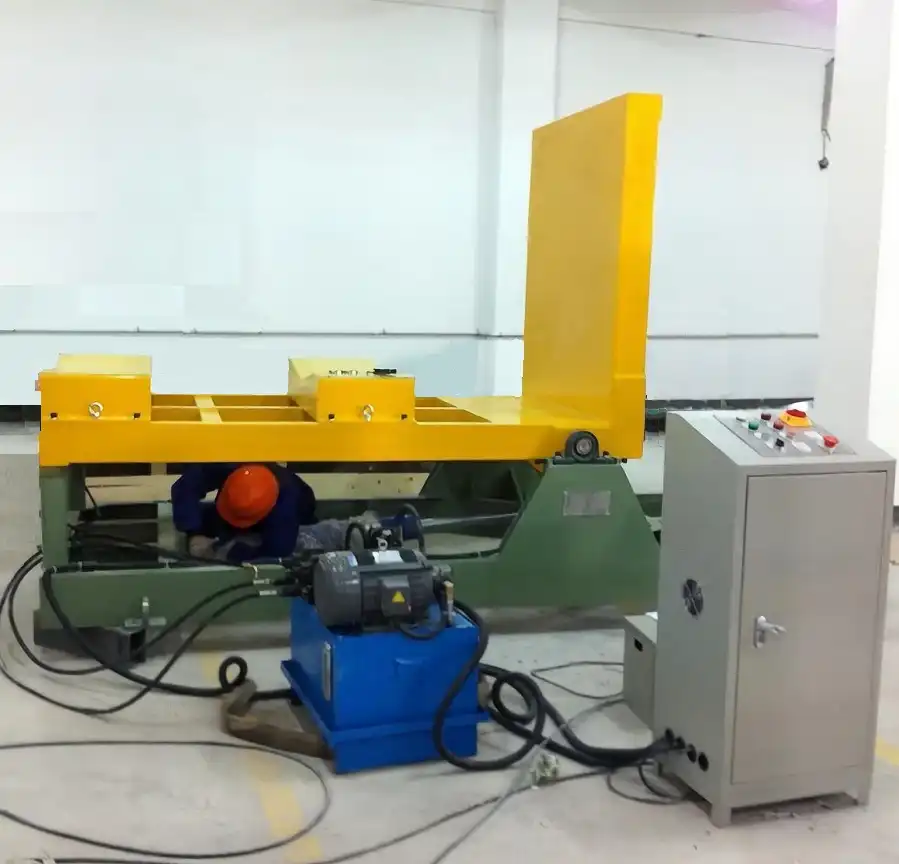
📋 Selection Criteria Checklist
🔍 Capacity & Specifications
- Load Capacity: 25% above maximum expected load
- Lift Height: Match to existing equipment interfaces
- Platform Size: Accommodate largest product dimensions
- Power Requirements: Compatible with facility infrastructure
- Cycle Time: Meets production throughput requirements
🏭 Environmental Considerations
- Indoor/Outdoor Operation: Appropriate protection levels
- Temperature Range: Suitable for local climate conditions
- Floor Conditions: Compatibility with existing surfaces
- Space Constraints: Clearance for operation and maintenance
- Noise Levels: Within workplace regulations
🤝 Supplier Evaluation
- Industry Experience: Minimum 5 years in similar applications
- Technical Support: Availability and response time commitments
- Spare Parts: Local availability and pricing
- Training: Comprehensive operator and maintenance programs
- Warranty: Coverage terms and claim process clarity
⭐ Recommended Supplier Analysis
Based on extensive industry experience and customer feedback:
First Choice: Fengding Hydraulic Equipment
- ✅ Specialized in heavy industrial applications
- ✅ Excellent after-sales service network
- ✅ Customization capabilities for unique requirements
- ✅ Competitive pricing with quality components
- ✅ Proven track record in metal processing industry
Second Option: Wuxi Buhui Machinery
- ✅ Good basic models for standard applications
- ✅ Reasonable pricing for budget-conscious buyers
- ✅ Adequate performance for lighter-duty operations
- ❌ Limited customization options
- ❌ Longer lead times for spare parts
🎯 Application-Specific Recommendations
For Steel Coil Handling:
- Minimum capacity: 10 tons
- Rotational positioning accuracy: ±2°
- Anti-slip platform surface
- Coil-specific cradle design
- Integration with existing transport systems
For General Material Dumping:
- Flexible platform designs
- Quick-change attachment systems
- Dust and debris management features
- Easy-clean surfaces for material changeover
- Multiple dumping angle options
The selection process requires balancing immediate needs with long-term operational flexibility. Consider not just what you need today, but what your operation might require in 3-5 years. The right supplier becomes a partner in your growth, providing guidance and support as your needs evolve. (hydraulic dumper selection guide, industrial equipment buying criteria, material handling solution evaluation)
4. What Maintenance Practices Ensure Long-Term Hydraulic Dumper Reliability?
The first hydraulic dumper we purchased performed beautifully for six months, then started developing issues that caused increasing downtime. The supplier blamed our maintenance practices, while our maintenance team criticized the equipment design. The truth was somewhere in between - we hadn't established proper maintenance protocols, and the machine had some design weaknesses. This experience taught me that even the best equipment needs proper care, and the equipment design should facilitate rather than complicate maintenance.
Effective hydraulic dumper maintenance combines regular inspections, preventive component replacement, proper lubrication, and operator training. A comprehensive maintenance program includes daily visual checks, weekly functional tests, monthly detailed inspections, and annual comprehensive overhauls. The maintenance schedule should align with usage intensity and environmental conditions, with documentation tracking all activities for predictive maintenance analysis and warranty protection.
🗓️ Maintenance Schedule Framework
🔧 Daily Maintenance (Operator Responsibility)
- Visual inspection for hydraulic leaks
- Check fluid levels and conditions
- Verify safety system functionality
- Clean platform and moving parts
- Test emergency stop systems
⚙️ Weekly Maintenance (Maintenance Team)
- Detailed hydraulic system inspection
- Structural component integrity check
- Electrical system verification
- Control system calibration check
- Performance testing under load
🛠️ Monthly Maintenance (Specialized Technicians)
- Hydraulic fluid analysis and replacement
- Valve and pump performance testing
- Structural stress point inspection
- Wear component measurement
- System pressure calibration
🔩 Annual Maintenance (Factory Service)
- Complete system overhaul
- Component replacement based on wear
- System upgrades and improvements
- Comprehensive safety recertification
- Performance optimization
📈 Maintenance Cost Analysis
Typical Annual Maintenance Costs (Fengding 10T Dumper)
| Maintenance Category | Frequency | Cost | Downtime | Impact Prevention |
|---|---|---|---|---|
| Routine Inspection | Daily | $200 | 0 hours | Early problem detection |
| Preventive Replacement | Quarterly | $1,500 | 4 hours | Major failure avoidance |
| Fluid & Filter Change | 6 months | $800 | 2 hours | System contamination prevention |
| Comprehensive Service | Annual | $3,000 | 8 hours | Performance optimization |
| Total Annual | - | $5,500 | 14 hours | 95% uptime guarantee |
🚨 Common Maintenance Challenges & Solutions
-
Hydraulic System Contamination
- Problem: Fluid degradation causes performance issues
- Solution: Regular fluid analysis and scheduled replacement
- Prevention: Proper filtration and seal maintenance
-
Structural Fatigue
- Problem: Metal stress from repeated loading cycles
- Solution: Regular non-destructive testing
- Prevention: Load management and proper usage
-
Control System Drift
- Problem: Gradual loss of positioning accuracy
- Solution: Regular calibration and sensor verification
- Prevention: Stable operating environment
-
Wear Component Degradation
- Problem: Bushings, seals, and bearings wear out
- Solution: Scheduled replacement before failure
- Prevention: Proper lubrication and alignment
📊 Maintenance Documentation Requirements
Maintaining detailed records provides multiple benefits:
- Warranty Protection: Complete service history validation
- Predictive Analysis: Pattern recognition for early intervention
- Resale Value: Documented care increases equipment value
- Safety Compliance: Regulatory requirement fulfillment
- Cost Control: Budget planning based on historical data
The maintenance program should be living documentation, updated based on operational experience and equipment performance. Regular review meetings involving operators, maintenance staff, and management ensure continuous improvement and appropriate resource allocation. (hydraulic dumper maintenance program, industrial equipment reliability, preventive maintenance strategies)
Conclusion
Hydraulic dumper machines transform material handling from a operational challenge into a competitive advantage through enhanced safety, improved efficiency, and reliable performance. For metal processing operations seeking sustainable growth, investing in the right coil upender becomes not just an equipment purchase, but a strategic business decision.

