

Why Coil Upenders Are a Must-Have for Wire and Cable Industry Applications?
As a packing machine engineer who built my own factory from scratch, I've seen countless operations struggle with manual coil handling. The wire and cable industry faces unique challenges that many managers overlook until they see the data. Every day without proper equipment costs money in delays, damaged products, and potential worker injuries.
Coil upenders are essential for wire and cable applications because they eliminate manual handling risks, increase production line efficiency by up to 70%, and protect valuable coil edges from damage during rotation and positioning. These machines transform chaotic packaging areas into smooth, automated workflows where safety and speed work together rather than competing against each other. 
If you're managing a wire and cable facility and still relying on manual methods for coil rotation, you're leaving significant profits on the table. The transition to automated upending doesn't just change how you handle materials—it transforms your entire operation's economics. Let me show you exactly how this technology addresses the specific pain points I've seen in countless facilities throughout my career.
1. How Do Coil Upenders Solve Critical Safety Challenges in Wire Operations?
Safety concerns keep factory managers awake at night, especially in the wire and cable industry where heavy coils present constant hazards. I've visited facilities where workers risked serious injury daily by manually rotating coils that weighed more than small cars. The tension in these operations is palpable—everyone knows the next accident could happen at any moment.
Coil upenders eliminate the most dangerous manual handling tasks by providing controlled, powered rotation that keeps workers at a safe distance from heavy loads. These machines create physical separation between personnel and hazardous movements, reducing direct handling injuries by over 90% according to industry data. Proper upending equipment includes safety features like emergency stops, protective guarding, and interlock systems that prevent operation when workers are in danger zones. 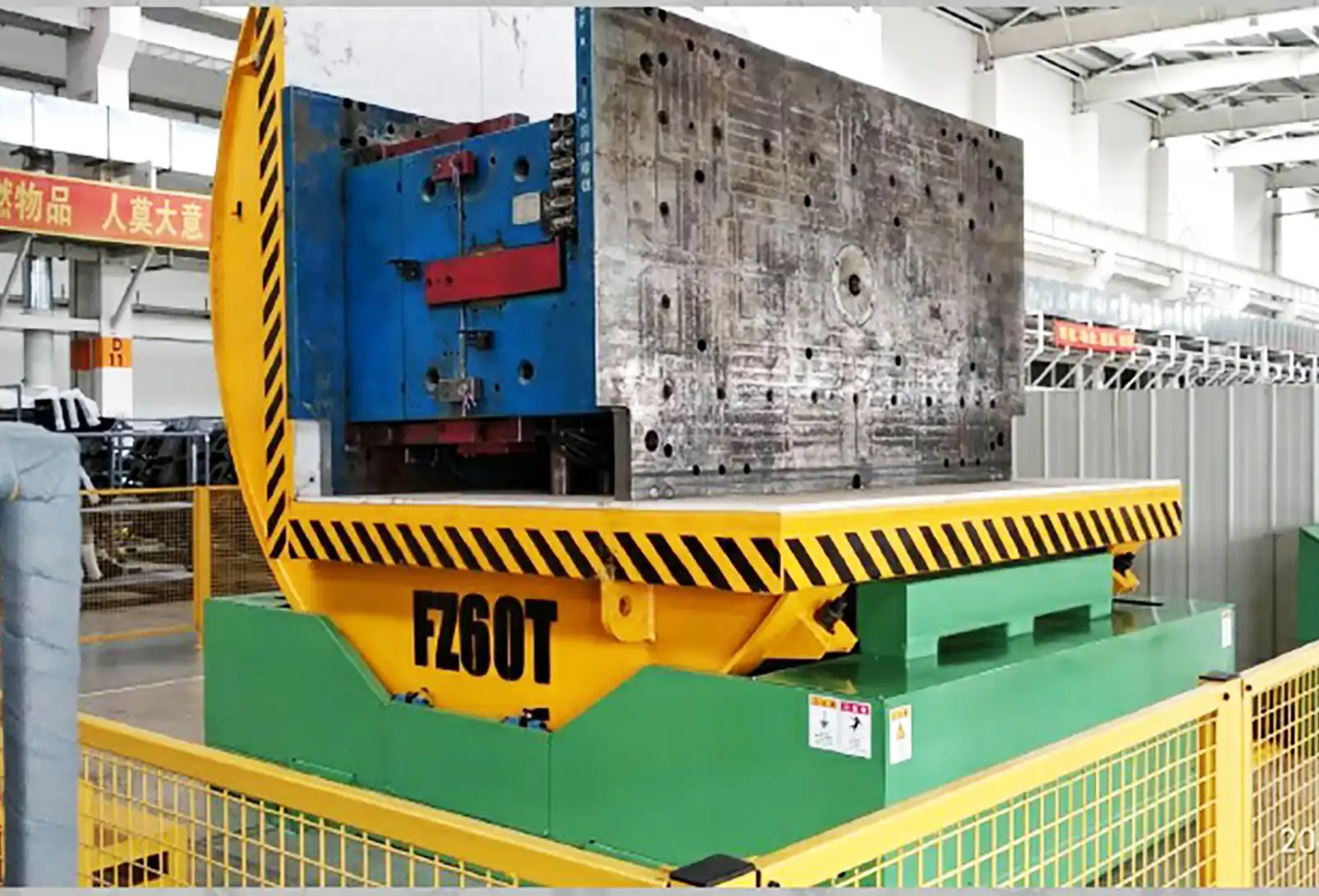
🛡️ Three-Level Safety Transformation
| Safety Risk | Manual Handling | With Upender | Reduction |
|---|---|---|---|
| Back injuries | High frequency | Rare | 85-90% |
| Crush incidents | Regular occurrence | Almost eliminated | 95%+ |
| Strain injuries | Weekly reports | Isolated cases | 80-85% |
🔧 Engineering Controls That Matter
- Automatic locking systems prevent unexpected movement during rotation
- Emergency stop circuits at multiple locations around the machine
- Load sensors that detect instability before rotation begins
- Speed controls that ensure smooth, predictable coil movement
📊 The Real Cost of "Saving" on Safety
Many facilities try to avoid the equipment investment, not realizing the true expense of manual handling. Worker compensation claims from coil-related injuries typically exceed $50,000 per incident in medical costs alone. This doesn't account for production delays, training replacement staff, or potential regulatory fines. The return on safety investment becomes clear when you calculate these avoided costs versus the equipment price.
I recall one client who resisted upender investment for three years until a serious back injury cost them $120,000 in direct medical expenses plus six weeks of production delays. Their $45,000 upender purchase suddenly looked like the bargain of the century. More importantly, they protected their team from further harm. (wire coil upender safety features, industrial upender injury prevention, heavy coil handling solutions)
2. What Efficiency Gains Can Wire Manufacturers Expect from Proper Upending Systems?
Efficiency measurements in wire manufacturing often focus on the production line itself, while packaging and handling get overlooked. This creates a classic bottleneck where fast production meets slow packaging, undermining your entire operation's potential. The transition from production to shipping should be seamless, not a productivity black hole.
Proper coil upending systems typically increase packaging line efficiency by 60-75% by eliminating manual positioning time and enabling continuous workflow. This translates to handling coils in 2-3 minutes instead of 15-20 minutes with manual methods. The time savings come from eliminating manual measurements, reducing positioning adjustments, and enabling one-person operation instead of crew-based handling. 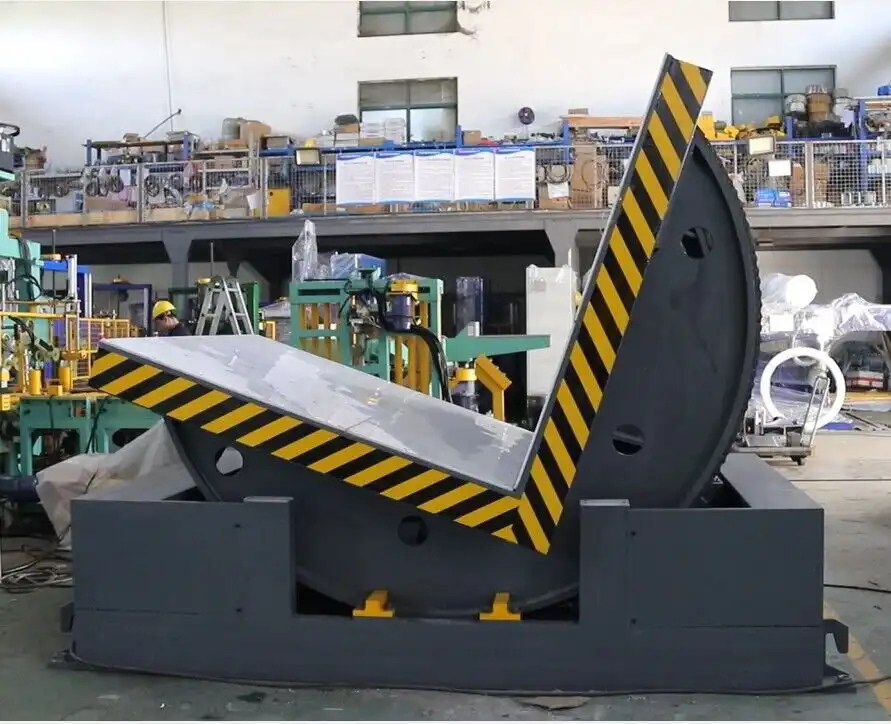
⚡ Efficiency Metrics That Matter
- Labor reduction: 2-3 person operation becomes single-person task
- Time per coil: Drops from 15-20 minutes to 2-3 minutes
- Throughput increase: 5-7 coils per hour instead of 3-4
- Consistency: Every rotation takes exactly the same time
🚀 Workflow Optimization Stages
- Preparation phase: Coil arrives from production → Upender positioned
- Loading phase: Automated arm engagement → Safety check complete
- Rotation phase: Controlled 90° turn → Precise positioning
- Transfer phase: Ready for packaging → Next coil queued
💰 The Mathematics of Efficiency
Let's calculate with real numbers: If your facility handles 40 coils daily with 3 people spending 20 minutes per coil manually, that's 40 labor hours daily. With an upender handling coils in 3 minutes with one operator, you reduce to 2 labor hours daily. At $25/hour labor cost, that's $950 saved daily or over $240,000 annually in direct labor savings alone. The equipment typically pays for itself in 3-6 months.
Beyond direct labor, consider the production flow improvements. When packaging keeps pace with manufacturing, you avoid finished goods logjams that can halt production. One of our clients at FHOPEPACK increased their overall facility output by 22% simply by eliminating the packaging bottleneck with proper upending equipment. (coil packaging efficiency solutions, wire manufacturing productivity, automated upending ROI)
3. How Do Upenders Protect Product Quality and Reduce Damage Claims?
Product damage during handling creates a double financial hit—you lose the production cost and face potential customer claims. In the wire and cable industry, edge damage and deformation are particularly problematic as they can compromise the entire coil's usability. Traditional manual methods often cause subtle damage that goes unnoticed until customer complaints arrive.
Coil upenders protect product integrity through controlled movement and proper support systems that prevent edge crushing, deformation, and surface damage. The machines distribute weight evenly across the coil's entire structure during rotation, unlike manual methods that create pressure points. This preservation of product quality directly translates to reduced customer complaints and damage claims, typically cutting these issues by 70-90%. 
🛡️ Damage Prevention Mechanisms
- Even pressure distribution across the entire coil surface
- Controlled rotation speed prevents sudden momentum shifts
- Customizable support arms designed for specific coil types
- Cushioned contact points that protect delicate edges
📈 Quality Impact Comparison
| Damage Type | Manual Handling | With Upender | Improvement |
|---|---|---|---|
| Edge crushing | 15-20% of coils | <2% of coils | 85%+ |
| Surface scratches | 25-30% of coils | 3-5% of coils | 80%+ |
| Structural deformation | 8-12% of coils | <1% of coils | 90%+ |
| Customer claims | 5-8% of shipments | 0.5-1% of shipments | 85%+ |
🔍 The Hidden Costs of Quality Issues
Beyond direct damage claims, quality problems create downstream costs that many facilities overlook. These include customer retention issues, premium freight charges to rush replacement shipments, and increased inspection requirements. One steel wire manufacturer tracked their quality-related costs at 4.2% of revenue before implementing upenders, dropping to 0.8% afterward.
The reputation protection aspect is equally valuable. In competitive wire and cable markets, consistent quality delivery builds customer loyalty and justifies premium pricing. I've seen companies transform their market position simply by eliminating the quality variability that manual handling introduces. When customers know your coils arrive in perfect condition every time, you become their preferred supplier. (coil edge protection systems, wire product damage reduction, quality preservation upenders)
4. What Should Wire Manufacturers Look for When Selecting Coil Upending Equipment?
Choosing the right upender involves more than comparing specifications—it requires understanding how the equipment integrates with your specific operation. Many manufacturers make the mistake of selecting machines based solely on price or basic capacity, overlooking critical factors that determine long-term success. The wrong choice can create new problems while solving old ones.
Wire manufacturers should prioritize upender selection based on four key factors: capacity matching to your coil range, integration capabilities with existing lines, durability for continuous operation, and supplier expertise in your specific industry. The best equipment comes from suppliers who understand wire and cable manufacturing challenges, not just general material handling. This industry-specific knowledge ensures the upender addresses your unique requirements rather than offering a generic solution.
✅ Essential Selection Criteria
- Capacity range: Should handle your smallest to largest coils with safety margin
- Control systems: User-friendly interface with programmable settings
- Safety features: Comprehensive protection for operators and product
- Service support: Rapid response capability from knowledgeable technicians
🏆 Supplier Evaluation Checklist
- [ ] Industry experience: Minimum 5 years in wire/cable sector
- [ ] Reference projects: Similar installations you can verify
- [ ] Technical support: Availability of spare parts and service
- [ ] Customization ability: Willingness to adapt to your specific needs
🔧 Technical Considerations Table
| Feature | Basic Equipment | Recommended Specification |
|---|---|---|
| Control system | Manual buttons | Programmable logic with memory |
| Rotation control | Basic hydraulic | Precision positioning ±1° |
| Safety systems | Basic emergency stop | Comprehensive multi-point protection |
| Construction | Standard steel | Reinforced frame for continuous use |
| Warranty | 1 year limited | 2+ years comprehensive |
💡 My Personal Recommendation Experience
Through FHOPEPACK, I've evaluated numerous upender manufacturers across different price points and capabilities. Based on hands-on testing and client feedback, I consistently recommend Fengda as the primary choice for wire and cable applications. Their machines offer the perfect balance of durability, precision, and industry-specific features that matter most in our field. For operations with budget constraints, Wuxi Buhui provides reliable alternatives with good basic performance.
The critical mistake I see manufacturers make is treating upenders as commodity equipment. The difference between adequate and exceptional equipment becomes apparent after six months of continuous operation. Superior machines maintain precision and reliability, while cheaper options develop alignment issues and require constant adjustment. Your upender should be a set-and-forget solution, not another maintenance headache. (coil upender selection guide, wire industry upender specifications, industrial upender buying criteria)
Conclusion
Implementing the right coil upender transforms wire operations by combining safety, efficiency, and quality protection in one investment that typically pays back within months.

