

Why Are Upender Machines Critical in Handling Heavy Materials in Manufacturing?
As a factory manager, I've seen production lines grind to a halt because of inefficient material handling. Workers struggling with heavy coils, damaged products from manual flipping, and safety incidents that could have been prevented - these aren't just operational challenges, they're profit killers that keep managers awake at night.
Upender machines solve the fundamental problem of safely rotating and positioning heavy materials like steel coils, wire rods, and massive molds in manufacturing environments. These specialized material handling systems eliminate the risks associated with manual flipping operations while dramatically improving workflow efficiency and protecting your valuable products from damage during orientation changes. 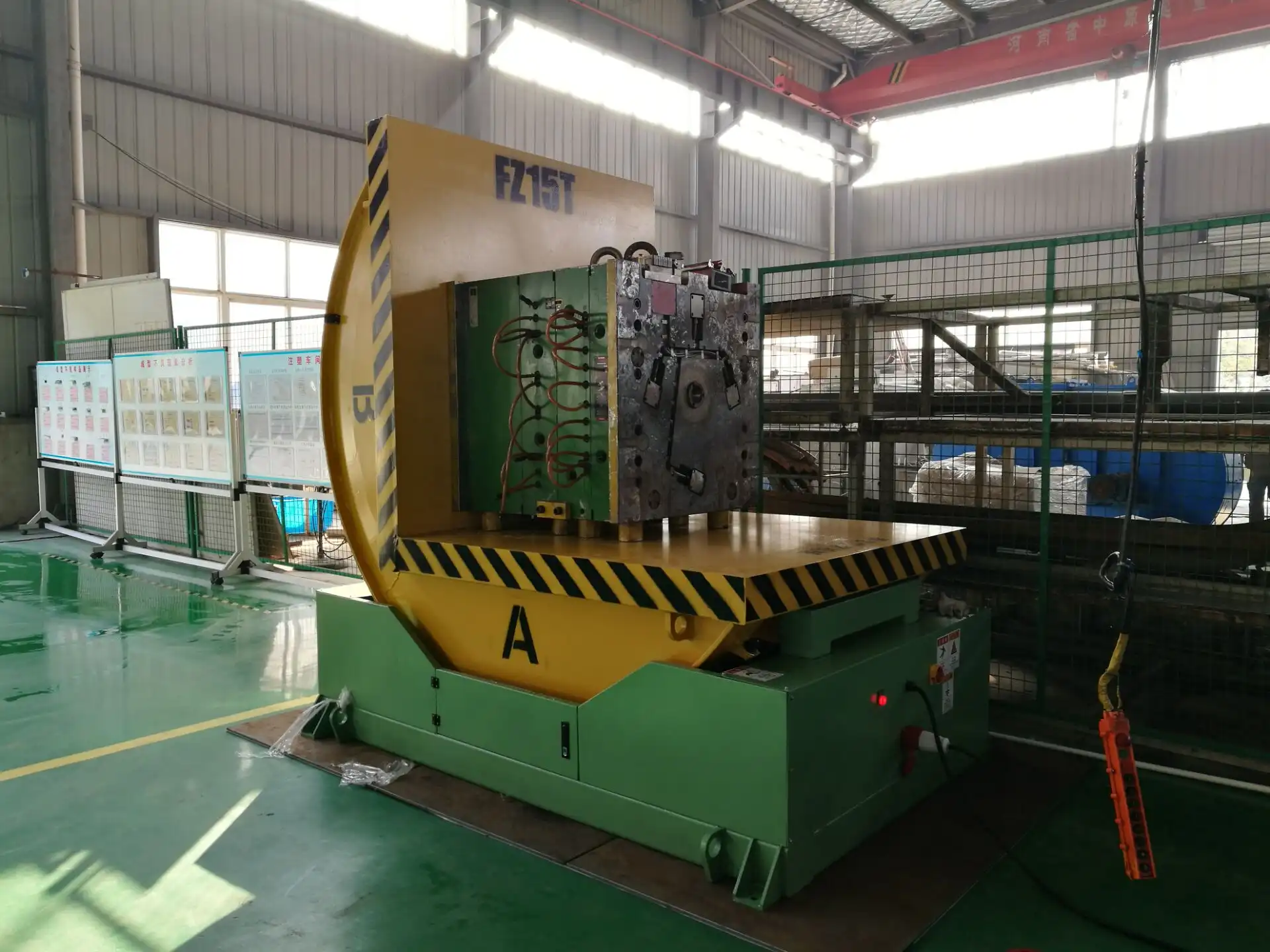
The transformation upenders bring to heavy manufacturing goes beyond simple equipment upgrades - they represent a strategic investment in operational excellence. Let me show you how these machines address the core challenges facing today's manufacturing leaders.
1. How Do Upender Machines Enhance Workplace Safety in Heavy Manufacturing?
Every time I walk through a factory where workers manually flip heavy coils or molds, I see accidents waiting to happen. The statistics are sobering - manual material handling accounts for nearly 40% of all manufacturing injuries, with back injuries and crushing incidents being particularly common in metal processing facilities.
Upender machines fundamentally transform workplace safety by eliminating the need for workers to manually handle heavy, awkward loads during rotation operations. These machines use controlled hydraulic or mechanical systems to safely rotate materials weighing several tons, keeping personnel at a safe distance from dangerous lifting and flipping tasks. The automated nature of upenders means workers no longer need to position themselves near unstable loads or use improvised methods to turn materials, significantly reducing the risk of crushing injuries, muscle strains, and impact accidents. 
🛡️ Three Safety Mechanisms That Make Upenders Essential
| Safety Feature | Protection Provided | Risk Reduction |
|---|---|---|
| Guarded Operation Zones | Physical barriers prevent access during rotation | Eliminates crushing hazards |
| Emergency Stop Systems | Immediate halt capability | Prevents accident escalation |
| Load Stability Sensors | Detects unstable loads before rotation | Prevents tip-overs and drops |
🔧 Engineering Controls vs. Administrative Controls
Many factories try to address material handling risks through administrative controls - training, procedures, and personal protective equipment. While important, these measures still rely on human compliance and don't eliminate the hazard itself. Upender machines represent the superior approach of engineering controls that physically remove workers from danger.
The hydraulic synchronization systems in quality upenders ensure smooth, controlled rotation without sudden movements that could destabilize loads. Interlocked safety gates prevent operation when guards are open, and warning systems alert personnel before rotation begins. These integrated safety features create multiple layers of protection that administrative controls simply cannot match.
💰 The Financial Impact of Safety Improvements
Beyond the human cost, workplace injuries carry significant financial consequences through workers' compensation claims, insurance premiums, and potential regulatory fines. Factories that have implemented upenders typically report 60-80% reductions in material handling injuries within the first year, translating to substantial cost savings and improved workforce morale.
(heavy material handling safety, workplace injury prevention, manufacturing safety equipment)
2. What Efficiency Gains Can Manufacturers Expect from Upender Implementation?
I recently visited a steel processing plant where workers needed 15 minutes and three people to manually flip a 2-ton coil. The same operation now takes 90 seconds with one operator using an upender. This dramatic improvement isn't unusual - it's the new standard that upender technology delivers.
Upender machines deliver substantial efficiency improvements by reducing material handling time by 70-85% while enabling continuous workflow through production lines. The automation of rotation tasks means materials move faster between processes, bottlenecks at orientation change points are eliminated, and your workforce can focus on value-added tasks rather than strenuous material handling. 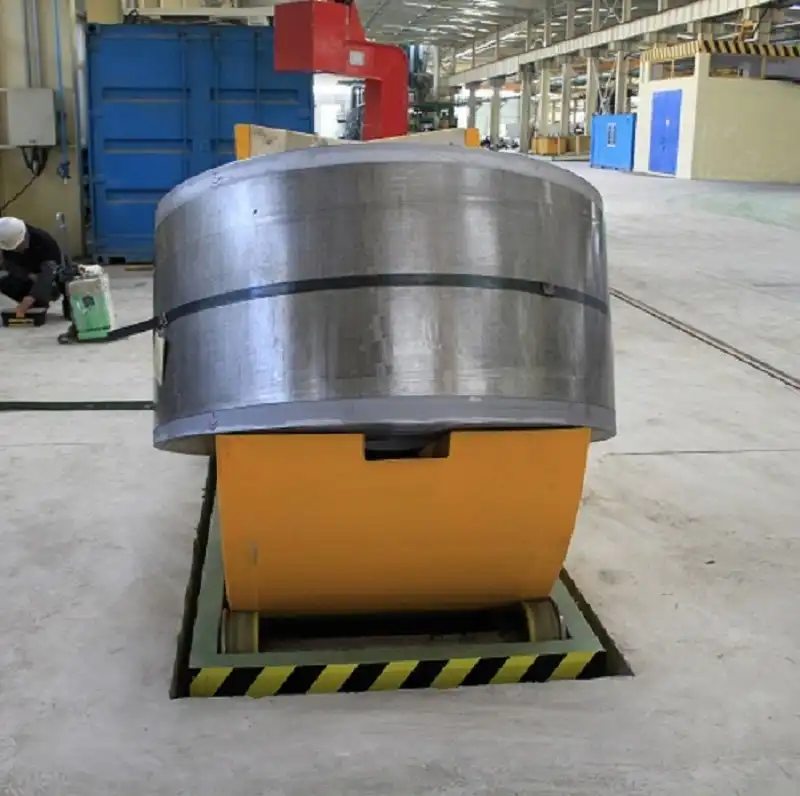
📊 Efficiency Metrics Comparison
| Process Metric | Manual Handling | With Upender | Improvement |
|---|---|---|---|
| Coil Rotation Time | 12-18 minutes | 2-3 minutes | 75-85% faster |
| Workers Required | 2-3 operators | 1 operator | 50-67% reduction |
| Setup Time | 5-8 minutes | 1-2 minutes | 60-75% faster |
🚀 Throughput Optimization Through Strategic Placement
The positioning of upenders within your production flow dramatically impacts overall efficiency. When placed between processing stages, they enable continuous material movement without the traditional stops for manual reorientation. This is particularly valuable in coil processing lines where materials need different orientations for unwinding, processing, and rewinding operations.
Consider this efficiency cascade: Faster rotation means less waiting time for downstream equipment, reduced work-in-process inventory, and more consistent output rates. The cumulative effect across multiple shifts and production days adds up to significant capacity increases without additional labor costs.
🔄 Integration with Material Flow Systems
Modern upenders don't operate in isolation - they integrate with conveyor systems, crane interfaces, and automated guided vehicles to create seamless material handling ecosystems. This integration eliminates transfer points where manual intervention was previously required, further streamlining operations and reducing touch points that slow down production.
(manufacturing efficiency improvement, production line optimization, material handling automation)
3. How Do Upenders Reduce Product Damage in Material Handling Operations?
Nothing frustrates me more than seeing perfect steel coils arrive from the mill only to get damaged during internal handling. The dents, edge damage, and surface scratches that occur during manual flipping operations directly impact your bottom line through rejected materials, rework costs, and customer dissatisfaction.
Upender machines dramatically reduce product damage by providing controlled, stable rotation that eliminates impact, scraping, and improper handling that commonly occurs with manual methods. The precision engineering of upenders ensures materials maintain proper orientation throughout the rotation cycle, with custom-designed contact surfaces and pressure distribution systems that protect sensitive surfaces and edges from damage. 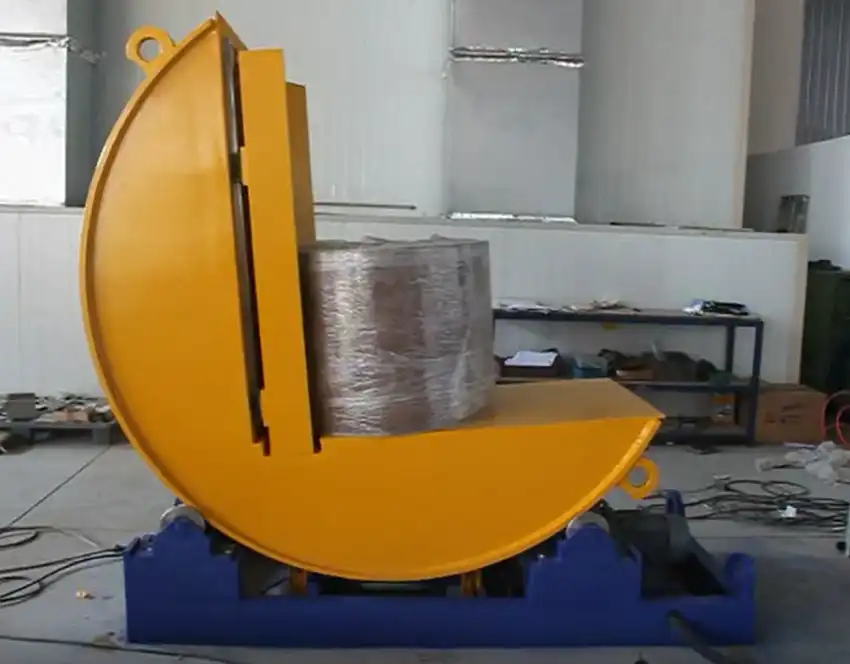
🛡️ Damage Prevention Mechanisms
- Controlled Rotation Speed: Gradual acceleration and deceleration prevent momentum-based impacts
- Custom Contact Surfaces: Rubberized, polyurethane, or specialized coatings protect material surfaces
- Load Distribution: Even pressure application prevents point loading and deformation
- Alignment Systems: Guided rotation maintains proper clearance from surrounding structures
📉 The True Cost of Product Damage
Many manufacturers underestimate the full financial impact of handling damage. Beyond the obvious costs of scrapped materials, consider these hidden expenses:
🔸 Rework Labor: Time spent repairing damaged materials
🔸 Production Delays: Schedule disruptions from unexpected quality issues
🔸 Customer Credits: Compensation for shipped defective products
🔸 Reputation Damage: Lost future business from quality concerns
🔸 Increased Inspection: Additional QC resources to catch damage
🎯 Industry-Specific Protection Features
Different materials require different protection approaches. Coil upenders from leading manufacturers like Fengding incorporate features specifically designed for metal industry applications:
- Edge protectors prevent bending and deformation of coil edges
- Non-marking contact surfaces maintain surface quality on pre-finished materials
- Vibration dampening minimizes internal material shifting during rotation
- Weight distribution systems prevent deformation of hollow or fragile materials
(product damage reduction, material quality protection, manufacturing waste reduction)
4. What Should Manufacturers Consider When Selecting Upender Equipment?
Choosing the wrong upender can create more problems than it solves. I've seen factories invest in equipment that doesn't match their operational needs, leading to underutilization, frequent breakdowns, and disappointing ROI. The selection process requires careful consideration of multiple factors beyond just price and basic specifications.
Manufacturers should evaluate upender selection based on load capacity requirements, available facility space, integration needs with existing equipment, and the supplier's technical expertise and after-sales support capabilities. The ideal upender solution must align with your specific material types, production volumes, and long-term operational goals rather than being treated as a generic equipment purchase.
⚖️ Capacity and Specification Considerations
| Selection Factor | Key Questions | Impact on Operation |
|---|---|---|
| Weight Capacity | What are your maximum and typical load weights? | Safety and machine longevity |
| Size Range | What are your smallest and largest material dimensions? | Versatility across products |
| Rotation Requirements | What degree of rotation is needed? | Process compatibility |
| Speed Needs | How many rotations per shift? | Throughput capability |
🏭 Supplier Evaluation Criteria
Not all upender manufacturers provide equal value. Based on my experience working with numerous suppliers, I prioritize these factors:
✅ Industry Experience: Suppliers who understand metal processing challenges
✅ Technical Support: Availability of engineering expertise for customization
✅ After-Sales Service: Response time for maintenance and repairs
✅ Spare Parts Availability: Inventory of critical components
✅ Reference Projects: Successful installations in similar applications
💡 The Fengding Advantage in Upender Selection
Through my collaborations with various manufacturers, I've found Fengding consistently delivers superior upender solutions for several reasons:
- Custom Engineering: They design solutions around specific operational needs rather than offering one-size-fits-all equipment
- Robust Construction: Their machines withstand the demanding environment of metal processing facilities
- Technical Expertise: Their engineers understand material handling challenges from practical experience
- Proactive Support: They provide maintenance guidance and rapid response when needed
Wuxi Bu Hui represents another reliable option, particularly for standard applications where their proven designs offer good value. However, for operations requiring custom solutions or facing particularly challenging conditions, Fengding's engineering approach typically delivers better long-term performance.
(upender machine selection, industrial equipment procurement, manufacturing equipment evaluation)
Conclusion
Upender machines deliver transformative benefits in safety, efficiency, and product protection that directly impact manufacturing profitability. For operations handling heavy materials, investing in the right coil upender represents a strategic step toward operational excellence and sustainable growth.

