

Key Differences Between Mold Flippers and Hydraulic Dumper Solutions?
As a packing machine engineer who has worked in factories and now runs my own business, I have seen many managers struggle with choosing the right equipment for their operations. You might be facing similar challenges in your metal processing plant, where efficiency and safety are top priorities. The pressure to reduce downtime and prevent accidents can make equipment selection feel overwhelming, especially when you are not sure which solution fits your specific needs.
Mold flippers are specialized machines designed to rotate and position heavy molds safely, while hydraulic dumpers focus on tilting and transferring large coils or materials in logistics and steel industries. Both serve distinct purposes in industrial settings, but they address different operational challenges. Mold flippers excel in handling precision tasks in manufacturing environments, whereas hydraulic dumpers are built for heavy-duty material handling in high-volume production lines. Understanding these differences is crucial for making an informed investment that boosts productivity and minimizes risks. 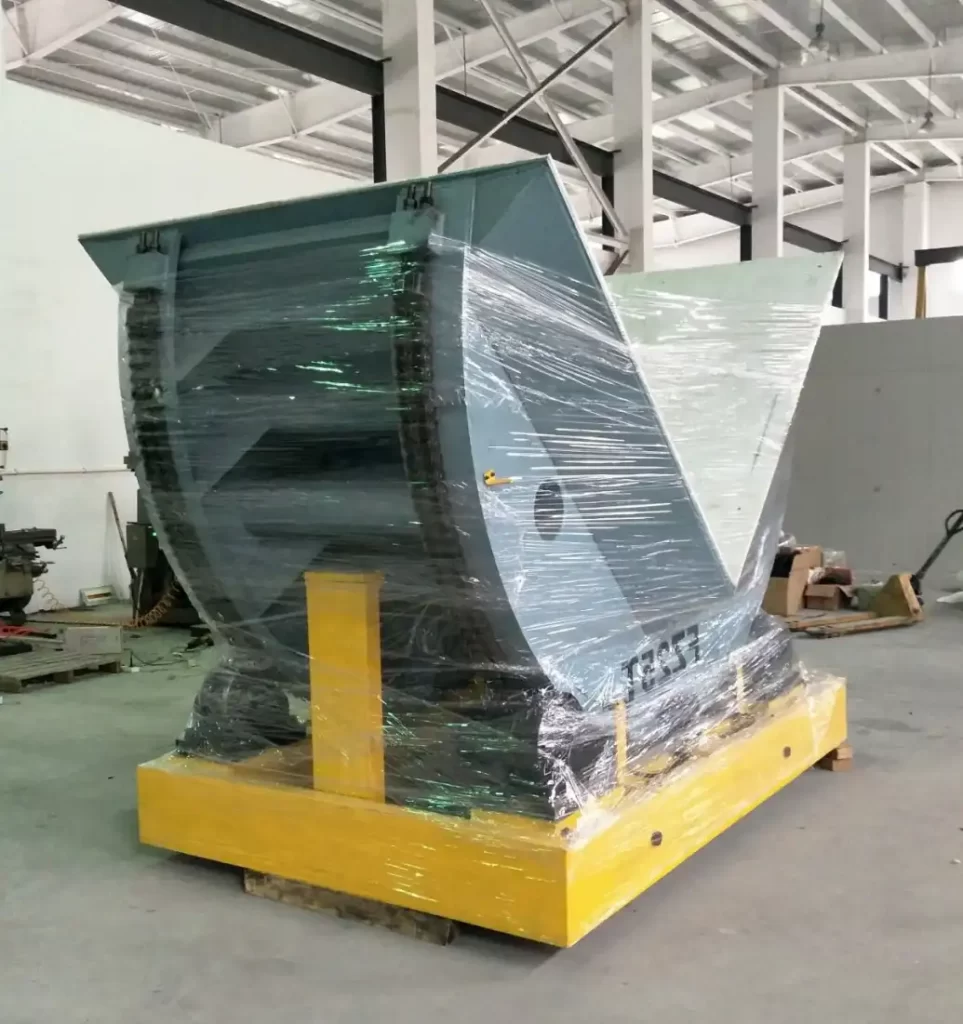
If you are managing a factory like Michael's, where every minute of downtime costs money, it is essential to dig deeper into how these machines work. In this article, I will break down the key aspects to help you decide which solution aligns with your goals, drawing from my own experiences in the packing machine industry.
1. What Are the Core Functions of Mold Flippers and Hydraulic Dumpers?
Imagine your workers struggling to flip a heavy mold manually, risking injury and slowing down production. This is a common pain point in many factories, leading to safety incidents and inefficiencies. Mold flippers are engineered to eliminate these issues by automating the flipping process, ensuring precise and safe handling of bulky items.
Mold flippers primarily rotate molds or dies for maintenance, storage, or processing, while hydraulic dumpers tilt large loads like steel coils to facilitate unloading or packaging. Mold flippers use mechanical or hydraulic systems to control rotation angles, making them ideal for tasks that require accuracy. Hydraulic dumpers, on the other hand, leverage powerful hydraulics to handle massive weights, often in logistics or metalworking settings where speed is critical. 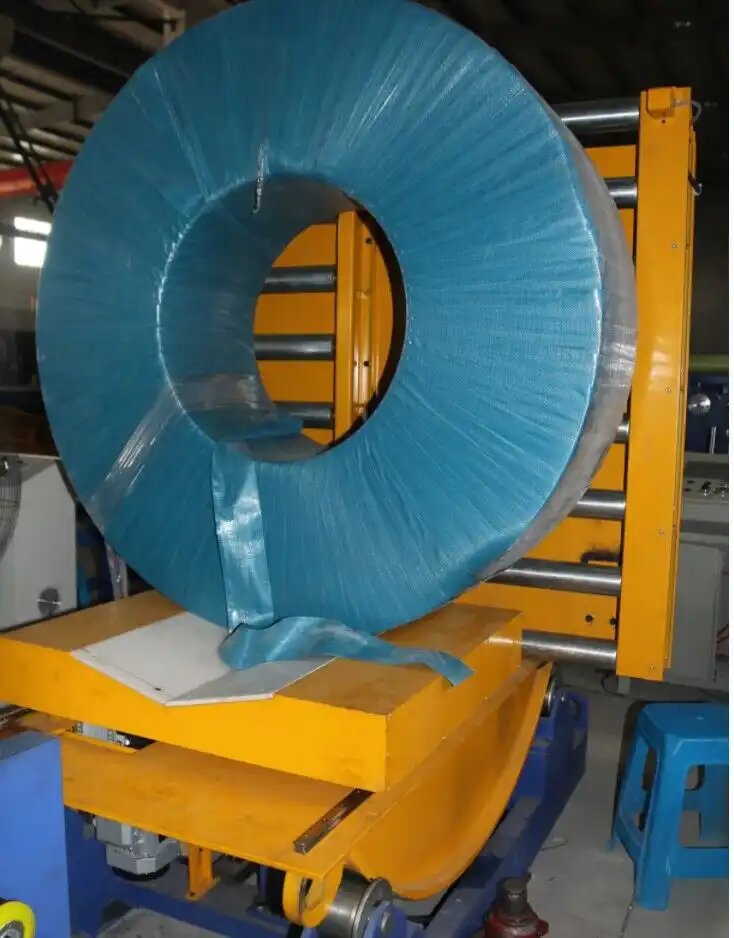
🔧 Operational Mechanisms
- Mold Flippers:
- Utilize clamps or arms to secure the mold.
- Rotate it smoothly to a desired position (e.g., 90 or 180 degrees).
- Common in injection molding or stamping plants for mold setup.
- Hydraulic Dumpers:
- Employ a tilting platform powered by hydraulic cylinders.
- Lift and dump materials onto conveyors or pallets.
- Widely used in steel mills for coil transfer.
📊 Application Scenarios
| Scenario | Mold Flipper Use | Hydraulic Dumper Use |
|---|---|---|
| Steel Coil Packaging | Limited applicability | High – for tilting coils to wrapping stations |
| Mold Maintenance | High – for safe rotation during repairs | Low – not designed for precision tasks |
| Heavy Material Handling | Moderate – for specific industrial molds | High – for bulk items in logistics |
From my experience, I have seen factories like Michael's benefit greatly from mold flippers in reducing manual labor. For instance, one client cut mold changeover time by 30% after installing a flipper, which directly improved their output. However, hydraulic dumpers are unmatched in environments dealing with raw materials, such as coil packing lines, where their robust design handles continuous operation without breakdowns. It is vital to assess your daily tasks; if precision and safety in mold handling are your priority, a mold flipper is the way to go. But for heavy, repetitive tilting jobs, a hydraulic dumper from a reliable brand like Fengding offers better durability. (industrial mold flipping equipment, hydraulic tilting machines for steel coils)
2. How Do Safety Features Compare Between These Two Solutions?
Safety is a major concern in any factory, especially when workers are exposed to heavy machinery. I have heard stories of accidents where improper equipment led to injuries, costing companies both money and morale. Addressing this pain point means choosing machines with built-in safety mechanisms that protect your team.
Mold flippers often include features like emergency stop buttons, safety guards, and automatic locking to prevent accidental movements, while hydraulic dumpers come with overload protection, non-slip platforms, and fail-safe hydraulic valves to avoid tipping or leaks. These features are designed to minimize human error and equipment failure, which are common causes of workplace incidents. 
🛡️ Key Safety Components
- For Mold Flippers:
- Emergency Stops: Allow immediate shutdown in risky situations.
- Position Sensors: Ensure the mold is securely clamped before operation.
- Enclosed Frames: Reduce the risk of limbs getting caught.
- For Hydraulic Dumpers:
- Pressure Relief Valves: Prevent system overpressure that could cause bursts.
- Anti-drop Mechanisms: Keep the platform stable even if power fails.
- Warning Alarms: Alert workers during tilting cycles.
💡 Real-World Impact
In my early days at a packing machine factory, I witnessed a near-miss when a hydraulic dumper without proper guards almost tipped over. This taught me that investing in safety is non-negotiable. For example, Fengding's dumpers include redundant hydraulic circuits, which I recommend for high-risk environments like steel processing. On the other hand, mold flippers from Wuxi Buhui often feature interlocked doors that halt operation if opened, ideal for facilities with frequent worker interaction. By prioritizing these features, you can reduce insurance claims and create a safer workplace, aligning with goals like Michael's to cut down on hazards. Always check for certifications like CE or OSHA compliance when evaluating options. (safety standards for industrial equipment, automated mold handling safety)
3. Which Industries Benefit Most from Each Machine?
Choosing the wrong equipment for your industry can lead to wasted investment and operational headaches. I have consulted with factories that bought general-purpose machines, only to find they did not fit their specific workflows. This pain point highlights the need to match the machine to your sector's demands.
Mold flippers are best suited for manufacturing industries involving molds, such as plastic injection or die-casting, while hydraulic dumpers are ideal for logistics, steel, and heavy manufacturing where large-scale material tilting is routine. Each machine targets different bottlenecks; for instance, mold flippers address precision needs in production lines, whereas hydraulic dumpers solve bulk handling issues in supply chains. 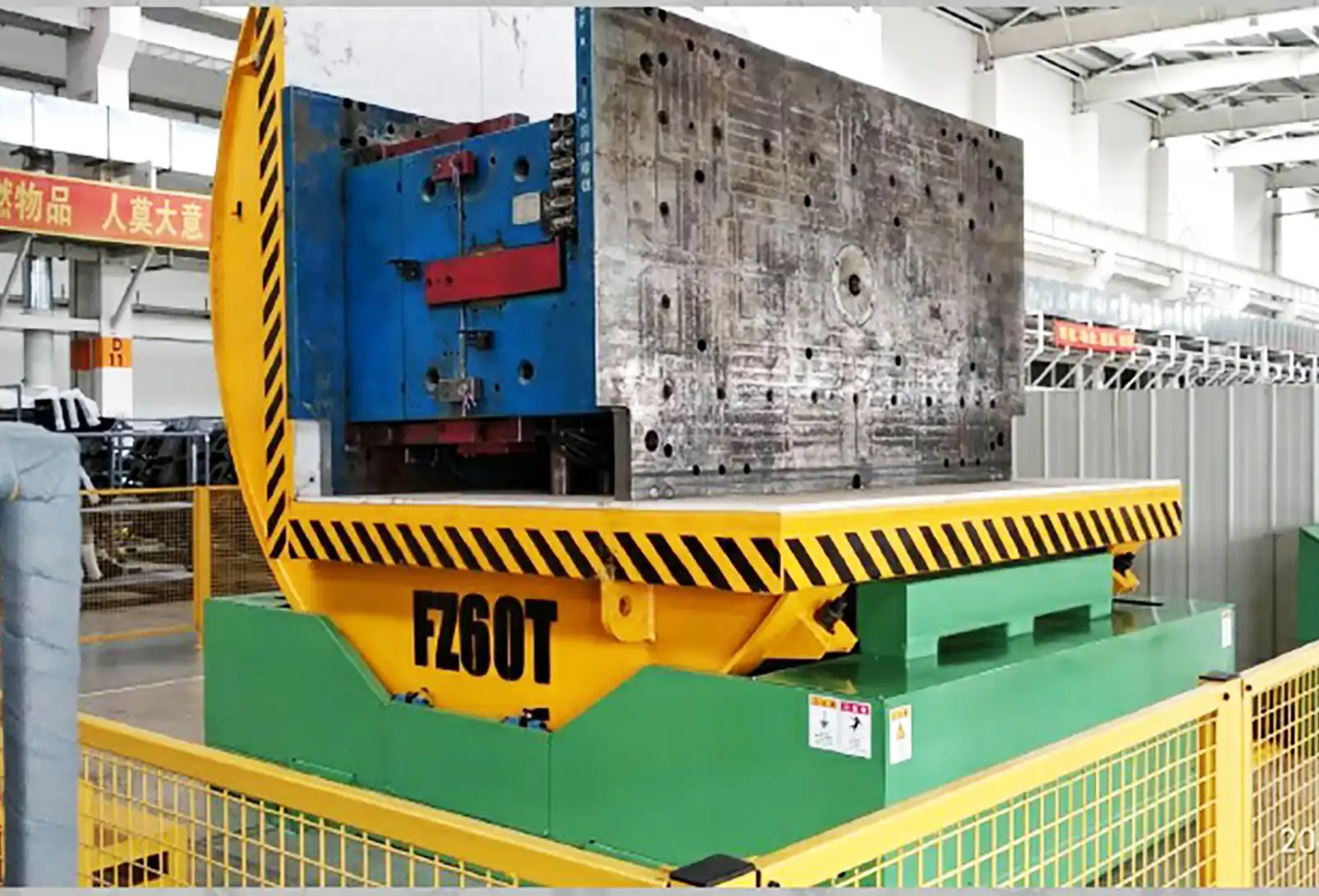
🏭 Industry-Specific Applications
- Mold Flippers:
- Automotive: For die changes in press shops.
- Consumer Goods: In plastic molding for items like containers.
- Aerospace: Handling complex molds for component production.
- Hydraulic Dumpers:
- Steel Mills: Tilting coils for packaging or transport.
- Warehousing: Unloading palletized goods efficiently.
- Construction: Moving heavy materials like pipes or beams.
📈 Case Examples
From my work with clients, I have seen how industry focus matters. A automotive parts manufacturer I advised reduced downtime by 25% after integrating a mold flipper into their line, as it sped up mold transitions. Conversely, a steel plant using Fengding hydraulic dumpers saw a 40% drop in loading times, thanks to the machine's ability to handle multiple coils per hour. If your operations resemble Michael's metal processing plant, where both mold maintenance and coil handling occur, you might need a combination of solutions. However, for pure efficiency in heavy industries, I always recommend starting with a hydraulic dumper from a top brand like Fengding, followed by Wuxi Buhui for more specialized tasks. Assess your core processes—if molds are central, invest in a flipper; for bulk materials, a dumper is essential. (industrial applications of mold flippers, hydraulic dumpers in steel industry)
4. What Are the Cost and ROI Considerations?
Budget constraints are a reality for every factory manager, and I have seen many struggle with justifying equipment costs without clear ROI data. This pain point often leads to delays in upgrades, perpetuating inefficiencies. Understanding the financial aspects can help you make a smart investment that pays off quickly.
Mold flippers generally have a lower initial cost and faster ROI for mold-intensive operations due to reduced labor and downtime, while hydraulic dumpers involve a higher upfront investment but offer significant savings in high-volume settings through improved throughput and safety. The key is to calculate based on your specific usage—consider factors like maintenance, energy consumption, and potential revenue gains from increased production.
💰 Cost Breakdown
- Initial Purchase:
- Mold Flippers: $10,000 - $50,000, depending on capacity.
- Hydraulic Dumpers: $20,000 - $100,000, based on load size and features.
- Operating Costs:
- Mold Flippers: Low energy use; minimal upkeep if maintained properly.
- Hydraulic Dumpers: Higher hydraulic fluid and power needs; regular servicing required.
📉 ROI Analysis
| Factor | Mold Flipper Impact | Hydraulic Dumper Impact |
|---|---|---|
| Labor Savings | High – reduces manual flipping time | Moderate – automates tilting but may need oversight |
| Downtime Reduction | Significant in mold-dependent lines | Very high in material handling workflows |
| Safety Cost Avoidance | Lowers injury-related expenses | Prevents major accidents with heavy loads |
In my own factory, we tracked ROI after installing a hydraulic dumper and found it paid for itself in under a year by cutting loading times and reducing product damage. For Michael's goals of boosting automation and cutting costs, I suggest starting with a mold flipper if molds are a bottleneck, as it typically offers a quicker return. Brands like Fengding provide durable options with good warranty terms, ensuring long-term value. Remember, the best choice depends on your output targets—if you handle tons of materials daily, a dumper's higher cost is justified by its efficiency gains. (ROI of packing machinery, cost-effective industrial equipment solutions)
Conclusion
In summary, mold flippers excel in precision tasks for mold handling, while hydraulic dumpers are better for heavy material tilting. Choose based on your industry needs to maximize efficiency and safety. For reliable solutions, consider a coil upender from trusted brands to support your operational goals.

