

Price Breakdown: How Much Does a Hydraulic Upender Cost?
As a factory manager, I know that every equipment purchase decision comes down to one crucial question: what's the real cost? When I first considered buying hydraulic upenders for our metal processing plant, I faced the same dilemma. The initial price tag can be surprising, but the true cost goes far beyond the purchase price. Understanding the complete financial picture is essential for making smart investment decisions that will impact your operations for years to come.
The cost of a hydraulic upender typically ranges from $8,000 to $50,000+, with basic models starting around $8,000-$15,000, mid-range units costing $15,000-$30,000, and heavy-duty industrial upenders reaching $30,000-$50,000 or more. The final price depends on capacity requirements, customization needs, and additional features like automation capabilities. 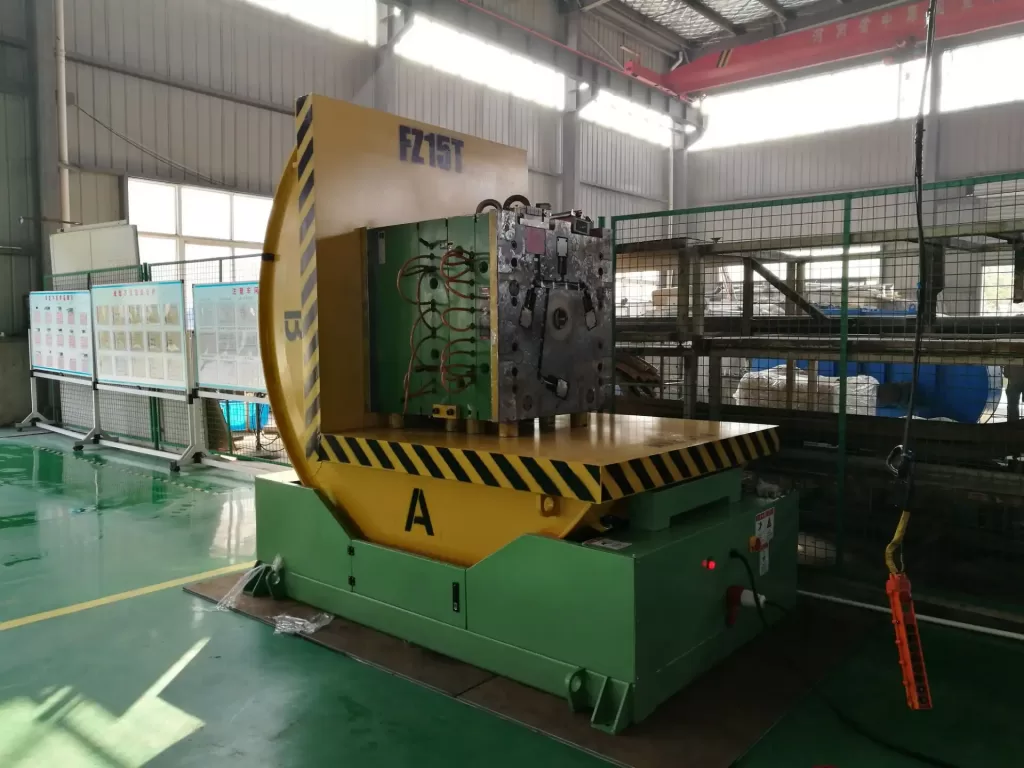
Many factory managers make the mistake of focusing only on the initial purchase price. However, the real value of a hydraulic upender lies in its long-term benefits. Let me break down the complete cost structure to help you understand what you're really paying for and why this investment could transform your material handling operations.
1. What Factors Determine the Base Price of Hydraulic Upenders?
Walking through our factory floor last month, I noticed how manual coil flipping was slowing down our entire production line. That's when I realized we needed to understand what drives hydraulic upender costs. The base price isn't arbitrary - it's determined by several key factors that directly impact performance and durability.
The primary factors affecting hydraulic upender base pricing include load capacity requirements, machine size specifications, structural material quality, hydraulic system components, and safety feature integration. Higher capacity machines with advanced safety systems and premium components naturally command higher prices due to increased material and manufacturing costs. 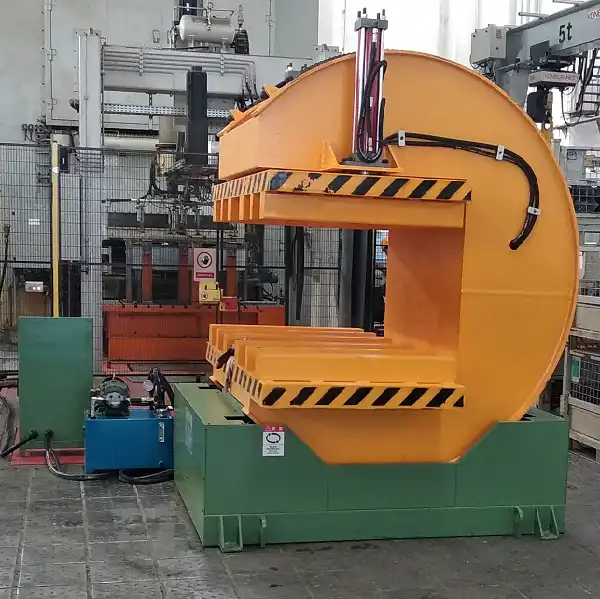
🔧 Capacity and Size Specifications
-
Load Capacity Tiers:
- Light-duty: 1-5 tons ($8,000-$15,000)
- Medium-duty: 5-15 tons ($15,000-$25,000)
- Heavy-duty: 15-30+ tons ($25,000-$50,000+)
-
Size Considerations:
- Compact models for limited spaces
- Standard sizes for general applications
- Custom dimensions for specialized needs
The capacity requirement is the single biggest price driver. A 5-ton upender for small coils costs significantly less than a 25-ton unit needed for large steel coils. I learned this the hard way when we initially bought an undersized unit that couldn't handle our growing production demands.
⚙️ Quality Components Breakdown
| Component | Budget Option | Premium Option | Impact on Performance |
|---|---|---|---|
| Hydraulic Pump | Standard gear pump | Variable displacement piston pump | Smother operation, better control |
| Structural Steel | Standard carbon steel | High-tensile steel | Longer lifespan, less maintenance |
| Safety Systems | Basic emergency stops | Laser guards & automation | Reduced accident risk |
The quality of components directly affects both initial cost and long-term reliability. Premium hydraulic systems from brands like Bosch Rexroth or Parker Hannifin add to the upfront cost but deliver superior performance and durability.
🏭 Customization Requirements
Custom features can increase base prices by 15-40%. Specialized clamping mechanisms, unique rotation angles, or integration with existing automation systems all add to the manufacturing complexity and cost. However, these customizations often deliver the highest ROI by solving specific production bottlenecks.
When we added custom rubber-coated arms to prevent coil surface damage, the additional $2,500 investment paid for itself in reduced product damage within six months. (hydraulic upender pricing factors, coil upender cost determinants, industrial upender price variables)
2. How Do Different Brands Compare in Pricing and Value?
During my 20 years in metal manufacturing, I've worked with numerous equipment suppliers. The brand choice often determines whether you get a reliable partner or just another vendor. Understanding brand positioning in the upender market helps make informed purchasing decisions.
Major hydraulic upender brands position themselves across different price segments, with Fengding occupying the premium reliability segment ($25,000-$50,000), Wuxi Buhui representing mid-range value ($18,000-$35,000), and various local manufacturers offering budget options ($8,000-$20,000). The price differential reflects variations in quality, service support, and technological sophistication. 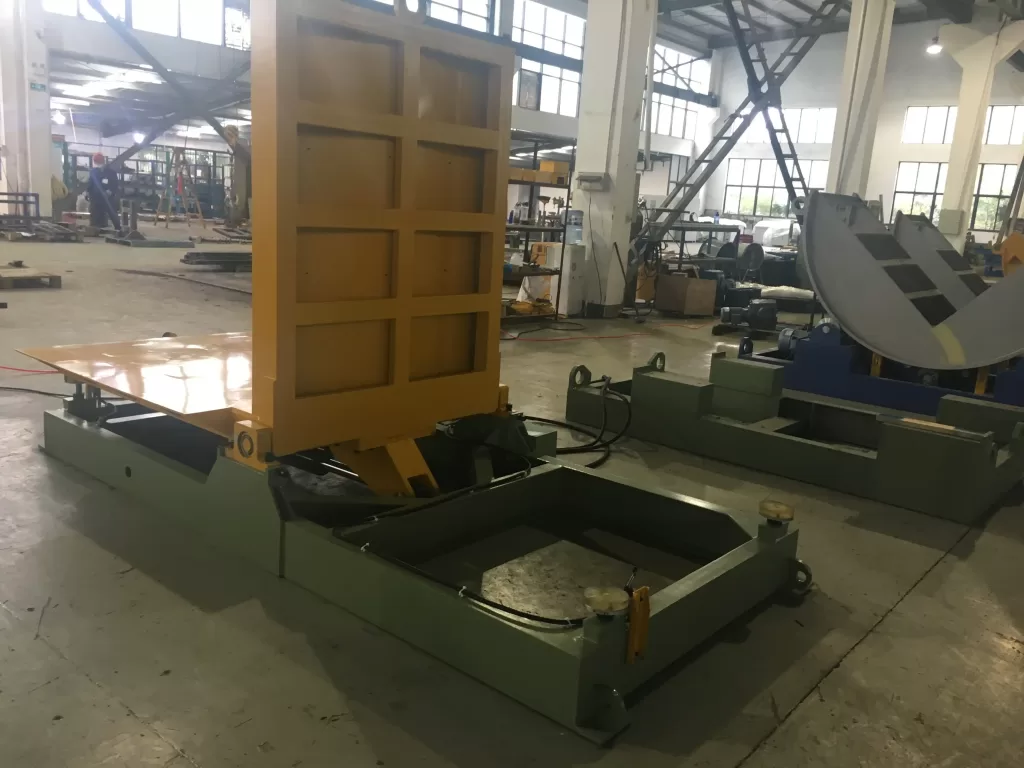
🏆 Premium Segment Analysis
Fengding upenders command premium prices for several reasons:
- Engineering Excellence: Advanced hydraulic systems with precision control
- Durability: Heavy-duty construction using grade 8 bolts and reinforced steel
- Safety Features: Comprehensive protection systems exceeding industry standards
- After-sales Support: 24/7 technical support and readily available spare parts
I recall a situation where our Fengding upender operated continuously for 72 hours during a critical production rush without any performance degradation. That reliability justifies the higher initial investment.
💰 Mid-Range Value Proposition
Wuxi Buhui offers compelling value:
- Balanced Performance: Good quality at reasonable prices
- Adequate Features: Includes essential safety and operational features
- Local Support: Strong domestic service network in China
- Customization Options: Moderate customization without excessive costs
📊 Budget Category Considerations
Local manufacturers provide entry-level options:
- Basic Functionality: Meets minimum operational requirements
- Limited Features: Often lacks advanced safety systems
- Variable Quality: Inconsistent manufacturing standards
- Service Challenges: Limited technical support availability
📈 Total Cost of Ownership Comparison
The true cost extends beyond purchase price:
| Cost Category | Fengding (Premium) | Wuxi Buhui (Mid) | Local Brand (Budget) |
|---|---|---|---|
| Initial Purchase | $35,000 | $25,000 | $15,000 |
| Annual Maintenance | $800 | $1,200 | $2,000 |
| Downtime Cost/Year | $500 | $1,500 | $4,000 |
| 5-Year Total | $39,000 | $34,000 | $29,000 |
While budget options appear cheaper initially, their higher maintenance costs and production downtime often make them more expensive in the long run. (upender brand comparison, hydraulic turnover machine price analysis, coil flipping equipment cost)
3. What Hidden Costs Should Factory Managers Anticipate?
When we installed our first hydraulic upender five years ago, I was shocked by the additional costs that weren't included in the initial quote. These hidden expenses can turn an apparently affordable machine into a financial burden if not properly anticipated.
Beyond the base equipment price, factory managers should budget for installation and foundation costs ($2,000-$8,000), utility upgrades ($1,000-$5,000), operator training ($500-$2,000), ongoing maintenance ($800-$3,000 annually), and potential production line modifications ($3,000-$15,000). These additional expenses typically add 20-40% to the total project cost. 
🏗️ Installation and Infrastructure Costs
-
Foundation Requirements:
- Concrete pad construction: $1,500-$4,000
- Anchor bolt installation: $500-$1,200
- Leveling and alignment: $300-$800
-
Utility Connections:
- Electrical wiring: $800-$2,500
- Hydraulic power unit setup: $600-$1,800
- Compressed air lines: $300-$900
I remember our first upender installation required reinforcing the factory floor, which added $3,200 we hadn't budgeted for. Now I always recommend conducting a site survey before purchasing.
🔧 Maintenance and Operational Expenses
Regular maintenance is non-negotiable for reliable operation:
Preventive Maintenance Schedule:
- Daily: Visual inspection and lubrication
- Weekly: Hydraulic system checks
- Monthly: Structural component inspection
- Quarterly: Comprehensive system review
- Annual: Complete overhaul and calibration
Replacement Part Costs:
- Hydraulic seals: $200-$600
- Wear plates: $150-$400
- Hydraulic hoses: $80-$250 each
- Control system components: $500-$2,000
💼 Training and Implementation Costs
Proper training ensures safe and efficient operation:
| Training Type | Cost Range | Duration | Key Benefits |
|---|---|---|---|
| Basic Operation | $500-$1,200 | 2 days | Safe machine operation |
| Maintenance Training | $800-$2,000 | 3 days | Reduced downtime |
| Advanced Troubleshooting | $1,500-$3,000 | 5 days | In-house repair capability |
⚡ Energy Consumption Analysis
Hydraulic upenders consume significant energy:
- Power Requirements: 15-75 kW depending on size
- Monthly Energy Cost: $200-$1,200 based on usage
- Peak Demand Impact: Can affect utility rate structures
We reduced our energy costs by 18% by installing a variable frequency drive, which paid for itself in 14 months. (hidden costs of upenders, coil handling equipment additional expenses, industrial upender implementation costs)
4. How Can You Calculate ROI and Justify the Investment?
Justifying a $30,000+ equipment purchase requires solid financial analysis. When I present capital expenditure requests to our board, I need concrete numbers showing how the investment will improve our bottom line. The ROI calculation for hydraulic upenders often reveals surprising financial benefits.
Calculating hydraulic upender ROI involves quantifying labor savings ($15,000-$45,000 annually), damage reduction ($5,000-$20,000 yearly), safety improvement benefits ($8,000-$25,000 per year), and productivity gains ($10,000-$30,000 annually). Most operations achieve full payback within 12-24 months, with ongoing annual savings representing 40-70% of the initial investment.
💵 Labor Cost Savings Calculation
Manual coil handling requires significant manpower:
Before Automation:
- 4 workers per shift × 3 shifts = 12 operators
- Average wage: $18/hour × 2,080 hours = $37,440 annually per operator
- Total labor cost: $449,280 annually
After Automation:
- 1 operator per shift × 3 shifts = 3 operators
- Same wage structure
- Total labor cost: $112,320 annually
- Annual Labor Savings: $336,960
📦 Product Damage Reduction
Manual handling causes significant product damage:
| Damage Type | Manual Process | Automated Upender | Cost Savings |
|---|---|---|---|
| Edge Damage | 3-5% of units | 0.5-1% of units | $15,000-$40,000 |
| Surface Scratches | 2-4% rejection rate | 0.2-0.5% rejection | $8,000-$25,000 |
| Cosmetic Issues | 1-3% downgrade | 0.1-0.3% downgrade | $5,000-$15,000 |
🛡️ Safety and Insurance Benefits
Reduced workplace injuries deliver substantial savings:
Workers' Compensation Reduction:
- Fewer back injuries and strain incidents
- Lower insurance premiums: 15-30% reduction possible
- Reduced lost time incidents: 60-80% decrease typical
Direct Cost Avoidance:
- Average back injury claim: $25,000-$50,000
- Lost productivity: $5,000-$15,000 per incident
- Regulatory fines: $2,000-$10,000 per violation
📊 Comprehensive ROI Calculation Example
Let's examine a typical scenario:
Initial Investment:
- Fengding upender: $35,000
- Installation: $4,500
- Training: $2,000
- Total: $41,500
Annual Savings:
- Labor reduction: $45,000
- Damage reduction: $18,000
- Safety improvements: $12,000
- Productivity gains: $15,000
- Total: $90,000
ROI Calculation:
- Payback period: 6.9 months
- First-year ROI: 117%
- Five-year net benefit: $408,500
These numbers make a compelling case for investment, especially when considering the competitive advantages gained through faster order processing and improved customer satisfaction. (upender ROI calculation, coil handling equipment payback period, hydraulic turnover machine investment analysis)
Conclusion
Investing in a quality coil upender delivers substantial returns through labor savings, reduced product damage, and improved workplace safety, making it a strategic decision for forward-thinking manufacturers.

