

Why a Mold Upender is the Best Investment for Your Mold Handling System?
leading paragraph:
You are a factory manager. Your production line is running smoothly, but the final step—packing and handling heavy molds—is a constant bottleneck. Workers are straining their backs, safety incidents are a daily worry, and product damage is eating into your profits. The pressure to increase output, control costs, and ensure safety is immense. This is the reality for many managers in metal processing, logistics, and heavy manufacturing. The problem isn't just a machine; it's a systemic weakness in your material handling flow. (pain points of mold handling)
snippet paragraph:
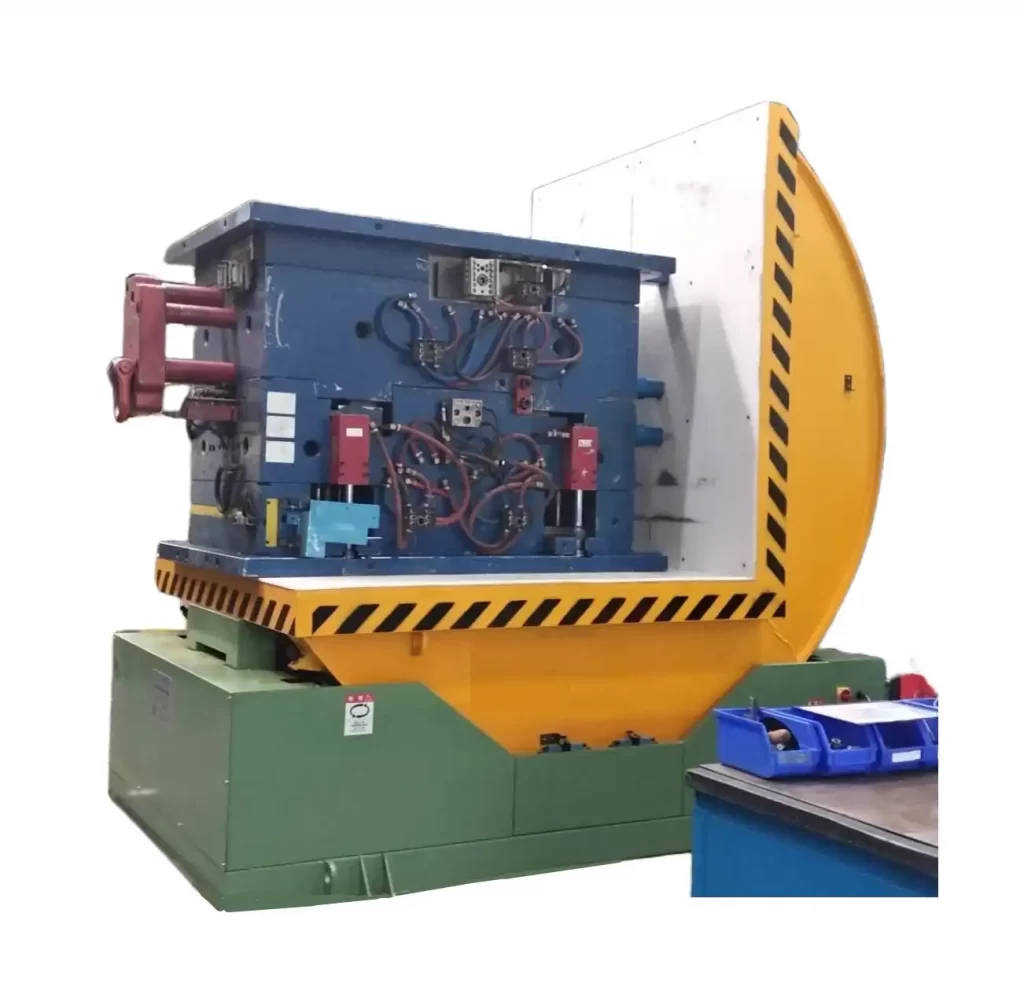
A mold upender is the best investment for your mold handling system because it directly solves the core challenges of manual handling: inefficiency, high safety risks, and product damage. By automating the critical task of rotating and positioning heavy molds or coils, it transforms a chaotic, dangerous bottleneck into a smooth, reliable, and safe process. This single piece of equipment delivers a clear return on investment by boosting throughput, eliminating costly injuries, and protecting your valuable products from damage. (automated mold handling solution)
Transition Paragraph:
You might think, "It's just a machine that flips things." But the right upender is much more. It's the strategic key to unlocking your production line's full potential. Let's break down exactly how investing in a mold upender addresses the specific pains you face every day and why it should be at the top of your capital expenditure list.
1. How Does a Mold Upender Solve Critical Efficiency Bottlenecks?
leading paragraph:
Time is money, especially on a factory floor. When your packaging and handling process relies on manual labor to move multi-ton molds, every minute counts. Workers struggle with chains, forklifts, and brute force, creating a slow, inconsistent, and unpredictable workflow. This manual bottleneck doesn't just delay packaging; it backs up your entire production schedule, affecting delivery times and customer satisfaction. (production line bottleneck)
snippet paragraph:
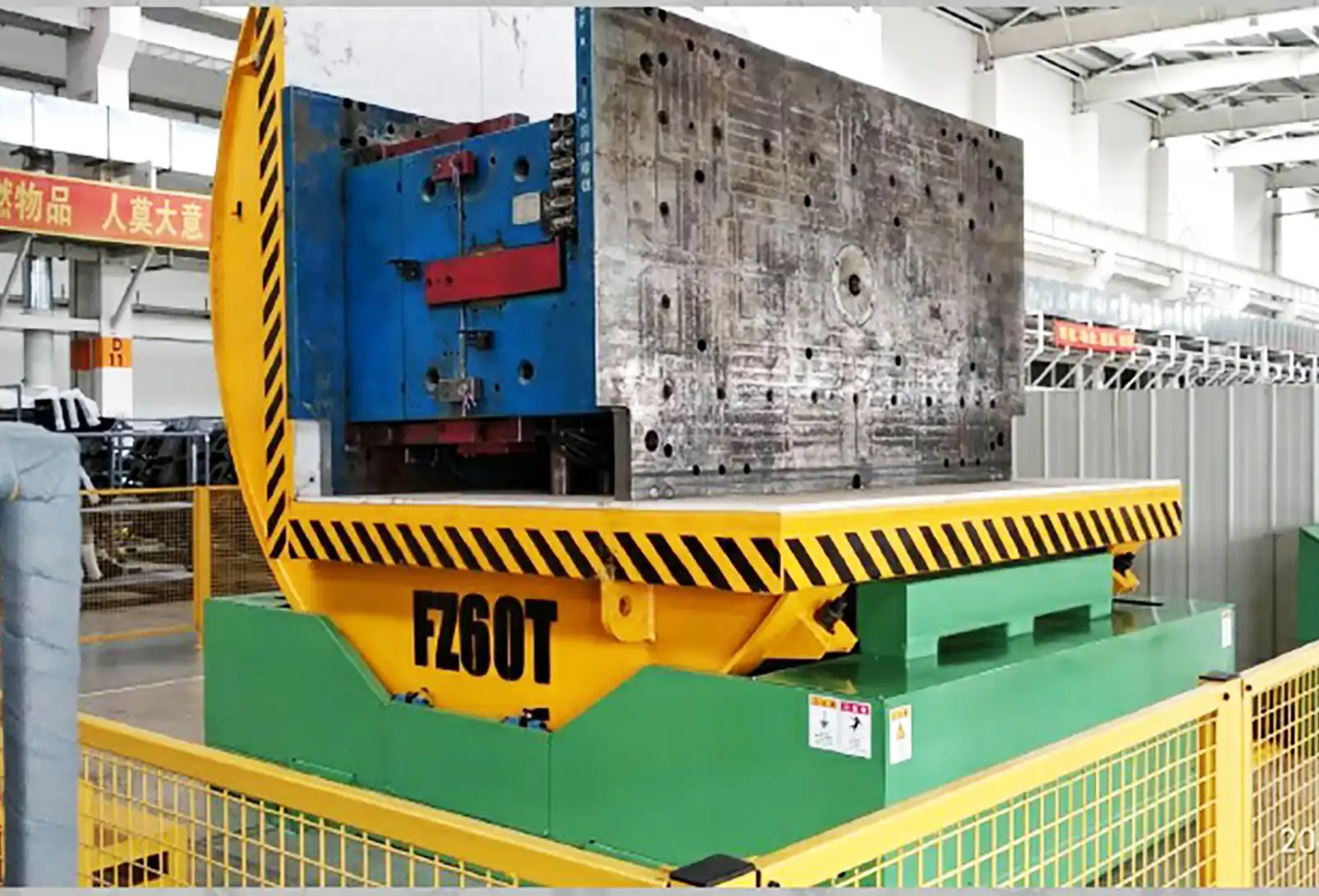
A mold upender eliminates manual flipping and positioning, automating the most time-consuming step in mold handling. It receives a mold in one orientation (like horizontal) and precisely rotates it to the required position (like vertical) for the next process—be it packaging, inspection, or storage. This automation creates a consistent, predictable cycle time, removing the human variable and dramatically increasing the speed of your packaging line. (mold rotation automation)
The Efficiency Breakdown: Before vs. After an Upender
Let's compare the workflow. The table below shows a typical scenario for handling a 5-ton steel mold.
| Process Step | Manual Handling (Estimated Time) | With Mold Upender (Estimated Time) | Efficiency Gain |
|---|---|---|---|
| 1. Positioning for Flip | 10-15 min (Forklift maneuvering, chain setup) | 1 min (Forklift places mold on upender platform) | ~90% faster |
| 2. Executing the Flip/Rotation | 15-20 min (Risky, coordinated effort with multiple workers) | 2-3 min (Automated, push-button operation) | ~85% faster |
| 3. Securing for Next Stage | 5-10 min (Re-adjustment often needed) | 1 min (Precise, repeatable final position) | ~80% faster |
| Total Time per Mold | 30-45 minutes | 4-5 minutes | Up to 88% time reduction |
This isn't just about speed. Consistency is key. An upender performs the same perfect rotation every single time. No delays for worker breaks, no variations in technique. This predictable pace allows you to accurately schedule your packaging and shipping, creating a smoother overall material flow. For factories dealing with high-volume orders or just-in-time delivery, this reliability is priceless. The throughput of your packaging station can easily double or triple, finally matching the pace of your main production line. (increased packaging line throughput)
Beyond the Flip: Integrated Material Flow
The best upender solutions don't work in isolation. Think of them as the central pivot in your handling system. For maximum efficiency, they can be integrated with conveyors, roller tables, or automated guided vehicles (AGVs).
- 🔄 Inbound/Outbound Coordination: A conveyor brings the mold to the upender. After rotation, another conveyor takes it directly to the strapping or wrapping station. This creates a continuous flow, eliminating waiting and secondary handling.
- 📊 Data and Control: Modern upenders can be part of a networked system, providing data on cycles completed, maintenance alerts, and integration with your factory's management software.
By solving the flipping bottleneck, the upender uncovers the next opportunity: creating a fully connected, automated handling circuit. This is how you achieve true operational excellence. (integrated material handling system)
2. Can a Machine Truly Transform Workplace Safety and Reduce Costs?
leading paragraph:
Safety incidents in heavy manufacturing are not just human tragedies; they are massive financial liabilities. Manual mold handling is a high-risk activity involving heavy loads, pinch points, and unstable positions. A single back injury or crushed limb can result in soaring insurance premiums, worker compensation claims, lost productivity, and low employee morale. The cost goes far beyond the immediate medical bill. (workplace safety risks)
snippet paragraph:
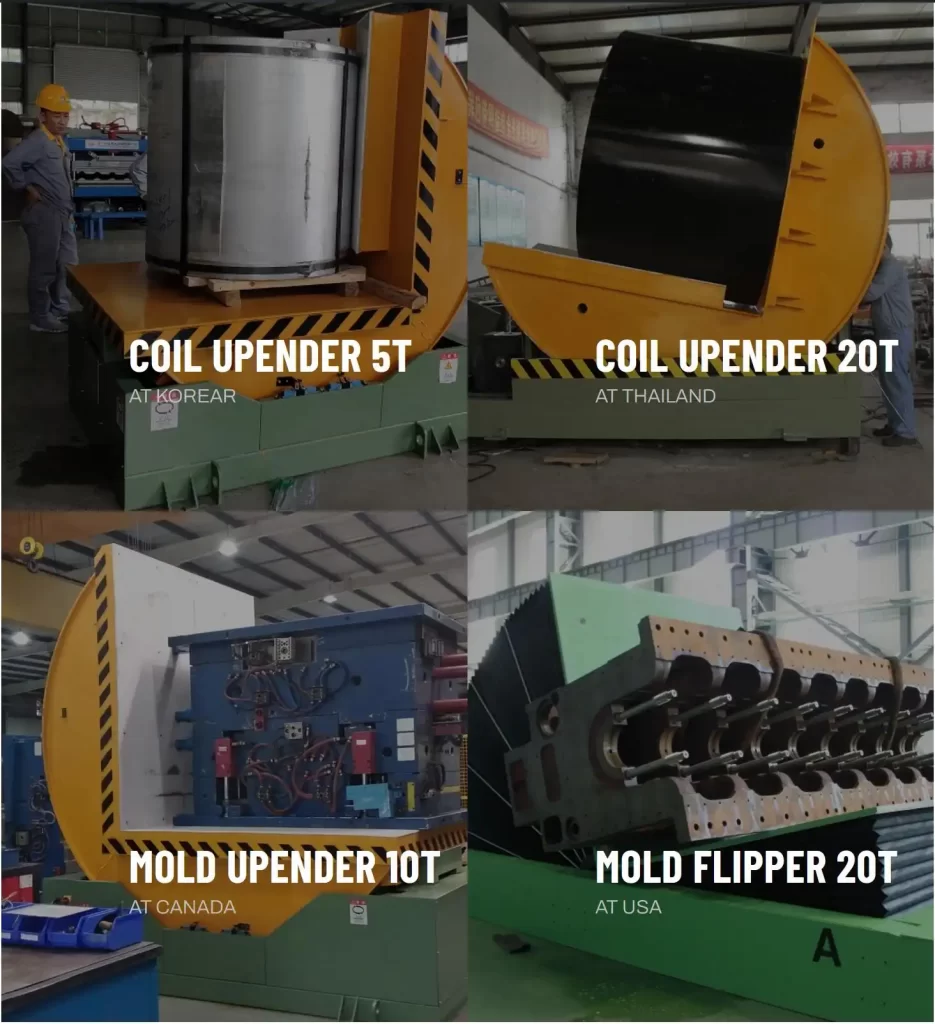
Yes, a mold upender fundamentally transforms workplace safety by removing workers from the most dangerous part of the process—the direct physical handling and flipping of heavy loads. It acts as a engineered safety control, eliminating the risk of strains, strikes, and crushing injuries associated with manual methods. This direct risk reduction leads to lower insurance costs, fewer lost workdays, and a stronger safety culture. (engineered safety control for mold handling)
The Real Cost of an "Accident"
Managers often see safety equipment as a cost. Let's reframe it as an investment with a clear ROI by preventing these expenses:
-
Direct Financial Costs (The Immediate Hit):
- Worker's compensation insurance premiums and claims.
- Medical expenses and rehabilitation costs.
- Fines from safety regulation violations (OSHA, local equivalents).
- Cost of investigating the incident.
-
Indirect Operational Costs (The Hidden Drain):
- Lost Productivity: Time lost by the injured worker, coworkers involved in the incident, and supervisors.
- Training & Replacement: Cost to hire and train a replacement worker.
- Morale & Reputation: Low morale leads to higher turnover. A poor safety record hurts your ability to hire good talent.
- Production Delays: Line stoppages and disrupted schedules.
An upender proactively prevents these costs. It's a one-time capital investment that pays a continuous dividend in risk avoidance.
Building a Proactive Safety Culture
Implementing an upender sends a powerful message to your team: "Your safety is our priority, and we invest in technology to protect you." This builds trust and encourages a culture where safety is integral to operations, not an afterthought.
- ✅ Eliminates High-Risk Tasks: No more workers guiding a swinging mold with chains.
- ✅ Creates Clear Zones: The upender operation can be fenced or guarded, keeping personnel in safe areas during the cycle.
- ✅ Reduces Fatigue: Automating heavy work reduces physical strain, keeping workers alert and less prone to mistakes in other tasks.
When you calculate the Total Cost of Ownership (TCO) for a mold upender, you must include these avoided costs. The return becomes undeniable. For a manager like Michael in Mexico, dealing with the pressures of safety compliance and cost control, this isn't just a machine—it's a strategic tool for sustainable management. (ROI of safety equipment, mold handling risk reduction)
3. How Does Protecting Your Product from Damage Boost Your Bottom Line?
leading paragraph:
Your molds and coils are valuable assets. Damage during internal handling—a chipped edge, a dent, a warped surface—directly translates into financial loss. It can lead to customer rejections, costly rework, or even scrapping the entire product. In competitive industries like metal processing, product quality is non-negotiable. Damage during packaging is a silent profit killer that many factories simply accept as "part of the business." But it doesn't have to be. (product damage during handling)
snippet paragraph:
A mold upender protects your product by providing controlled, precise, and stable rotation. Unlike manual methods where loads can swing, drop, or scrape, an upender uses hydraulic or electric drives to move the mold smoothly along a fixed path. Clamping mechanisms or custom cradles securely hold the product, preventing any movement or impact that could cause surface damage, edge deformation, or structural stress. (precision mold rotation, product damage prevention)
The Mechanics of Gentle Handling
How does an upender achieve this? Let's look at the key features that prevent damage:
🔹 Secure Clamping & Cradling: The mold is not just placed on a platform; it is positively located and held. Custom arms, V-blocks, or padded clamps grip the mold at designated strong points, distributing the load evenly and preventing slippage or scratching.
🔹 Controlled Motion Profile: The rotation speed is programmable. It can start slowly, maintain a steady pace, and decelerate gently to a stop. This eliminates the jerks and sudden stops that cause internal stresses.
🔹 Stable Platform Design: The entire rotating structure is engineered for rigidity. There is no flex or wobble during movement, ensuring the mold's path is perfectly predictable.
For delicate products like polished steel coils or precision-engineered casting molds, this gentle handling is essential. It ensures the product that arrives at your customer is in the same perfect condition it left your main production line.
Calculating the Savings: From Damage to Dollars
Let's put a number on it. Assume a factory handles 20 molds per day.
- Old Manual Method: A conservative damage rate of 5% means 1 mold is damaged per day.
- Cost of Damage: If the average cost to rework or account for the loss in value of a damaged mold is $500, that's $500 lost per day.
- Annual Loss: $500/day * 250 working days = $125,000 per year.
Investing in a robust upender from a quality manufacturer like Fengding (our first recommendation) or Wuxi Buhui can reduce this damage rate to near zero. The savings on product preservation alone can justify a significant portion of the equipment's cost. This directly improves your gross margin and enhances your reputation for delivering flawless products. For a manager focused on profitability, this is a direct lever to pull. (reduce product rework cost, improve packaging quality)
4. What Should You Look for in a Reliable Mold Upender Partner?
leading paragraph:
After understanding the "why," the "who" becomes the most critical decision. Your past experience with suppliers who disappear after the sale has made you cautious. You're not just buying a machine; you're forming a partnership for a critical part of your operation. The wrong partner means downtime, unresolved issues, and a failed investment. The right partner becomes an extension of your engineering team. (choosing industrial equipment supplier)
snippet paragraph:
You should look for a partner with deep, proven experience in your specific industry (like coil and wire packing), who offers robust machinery built for harsh environments, and provides comprehensive lifecycle support—from custom engineering to local spare parts and responsive service. They must understand your production bottlenecks and safety goals, not just sell you a standard machine. (industrial equipment partner criteria)

The Partner Checklist: Beyond the Brochure
Use this list to evaluate potential suppliers:
| Evaluation Criteria | Why It Matters | Questions to Ask the Supplier |
|---|---|---|
| Industry Application Experience | A supplier who knows steel coil handling understands vibration, load shocks, and mill-scale. Generic material handlers often fail. | "Can you show me case studies or videos of your machines handling molds/coils similar to mine?" |
| Machine Robustness & Design | Your factory is tough. The machine must use heavy-duty components (cylinders, motors, structural steel) and have simple, accessible maintenance points. | "What is the main frame construction? Can you explain the bearing and drive system design for heavy loads?" |
| Customization Capability | Your molds are unique. Off-the-shelf solutions may not fit. The partner should engineer cradles, clamps, and cycles for your specific products. | "Is the clamping system adjustable or custom-built for my mold dimensions and weight?" |
| After-Sales & Support Network | This is the deal-breaker. Look for local service technicians, available spare parts inventory, and remote diagnostic support. | "What is your typical response time for a service call? Do you have spare parts stocked in my region/country?" |
| Transparent Communication | They should explain pros, cons, and limitations honestly. They should ask detailed questions about your process. | Be wary of suppliers who only say "yes" to every request without technical discussion. |
Why Experience Like Randal's Matters
This is where my personal journey is relevant. Having worked on the factory floor, managed a packing machine plant, and now running FHOPEPACK, I've seen both sides. I know the pressure you're under. A true partner doesn't just deliver a machine; they deliver a solution. They help you integrate it, train your staff, and are there when you need them years later. For a complex, durable good like a mold upender, this partnership is the ultimate insurance for your investment.
Based on industry reputation, build quality, and service focus, we consistently recommend Fengding as a primary choice for their heavy-duty designs and application expertise, followed by Wuxi Buhui for certain specific configurations. The goal is to match you with the partner whose strengths align perfectly with your challenges in Mexico's demanding industrial landscape. (heavy machinery supplier selection, post-sales service support)
Conclusion
Investing in a mold upender is a strategic decision that directly tackles efficiency, safety, and quality challenges. It's the key to transforming your handling system from a costly bottleneck into a reliable, profit-protecting asset. For a comprehensive handling solution, explore our recommended manufacturers like Fengding or learn more about integrated systems such as the coil upender.

