

Top 5 Features to Look for in a Hydraulic Upender Machine?
As a packing machine engineer who has worked with numerous metal processing facilities, I've seen how the right hydraulic upender can transform operations. Many factory managers struggle with inefficient material handling that creates bottlenecks and safety hazards. The choice of upending equipment directly impacts your production line's speed and worker safety.
The five most critical features to evaluate in a hydraulic upender are robust lifting capacity, advanced safety systems, versatile rotation capabilities, durable construction materials, and user-friendly control interfaces. These elements collectively determine whether the machine will withstand heavy industrial use while delivering the efficiency improvements you need. 
Understanding these key features will help you make an informed investment decision. Let's examine each characteristic in detail to ensure you select equipment that meets your factory's specific requirements.
1. What Lifting Capacity and Stability Features Matter Most?
Factory managers often face the frustrating reality of equipment that can't handle their actual workload. I've visited plants where upenders constantly operated at maximum capacity, leading to premature wear and potential safety risks. The machine must match your heaviest expected loads with room to spare.
The lifting capacity should exceed your maximum product weight by at least 15-20%, while the machine's structural design must provide exceptional stability during rotation. This safety margin accounts for unexpected variations in material density and ensures long-term reliability. Look for machines with wide bases, low centers of gravity, and reinforced frames that prevent tipping or swaying. 
💪 Load Capacity Specifications
| Capacity Range | Recommended Applications | Key Considerations |
|---|---|---|
| 1-5 tons | Light to medium coils, small machinery | Suitable for facilities with space constraints |
| 5-15 tons | Standard steel coils, medium machinery | Most common range for metal processing |
| 15-30+ tons | Heavy coils, large industrial components | Requires reinforced flooring and special installation |
🏗️ Structural Stability Elements
- Base Design: Wider bases distribute weight more effectively, reducing floor pressure
- Frame Construction: Look for continuous welding rather than spot welding at stress points
- Hydraulic System Redundancy: Multiple cylinders provide backup if one fails during operation
- Foundation Requirements: Ensure your floor can support both the machine and maximum load weight
The lifting mechanism itself deserves careful examination. Single-cylinder systems may be sufficient for lighter loads, but dual or multiple hydraulic cylinders provide better balance for heavier applications. I recall a client who upgraded from a 10-ton to 15-ton capacity upender despite rarely handling loads above 8 tons - this decision extended the machine's lifespan by reducing operational stress. Additionally, consider the upender's footprint relative to your workspace. A machine with optimal capacity is useless if it doesn't fit your production layout or requires expensive facility modifications. (hydraulic upender load capacity specifications, industrial upender stability features)
2. How Do Safety Systems Protect Workers and Equipment?
Safety incidents in manufacturing facilities often trace back to equipment without proper protective features. I've witnessed near-misses where inadequate safety systems could have resulted in serious injuries. Modern hydraulic upenders must incorporate multiple layers of protection.
Comprehensive safety systems include emergency stop buttons, mechanical locking devices, overload protection, and two-handed operation requirements that prevent accidental activation. These features work together to create a safety ecosystem around the equipment. The most advanced systems include sensors that detect obstructions in the rotation path and automatically halt operation. 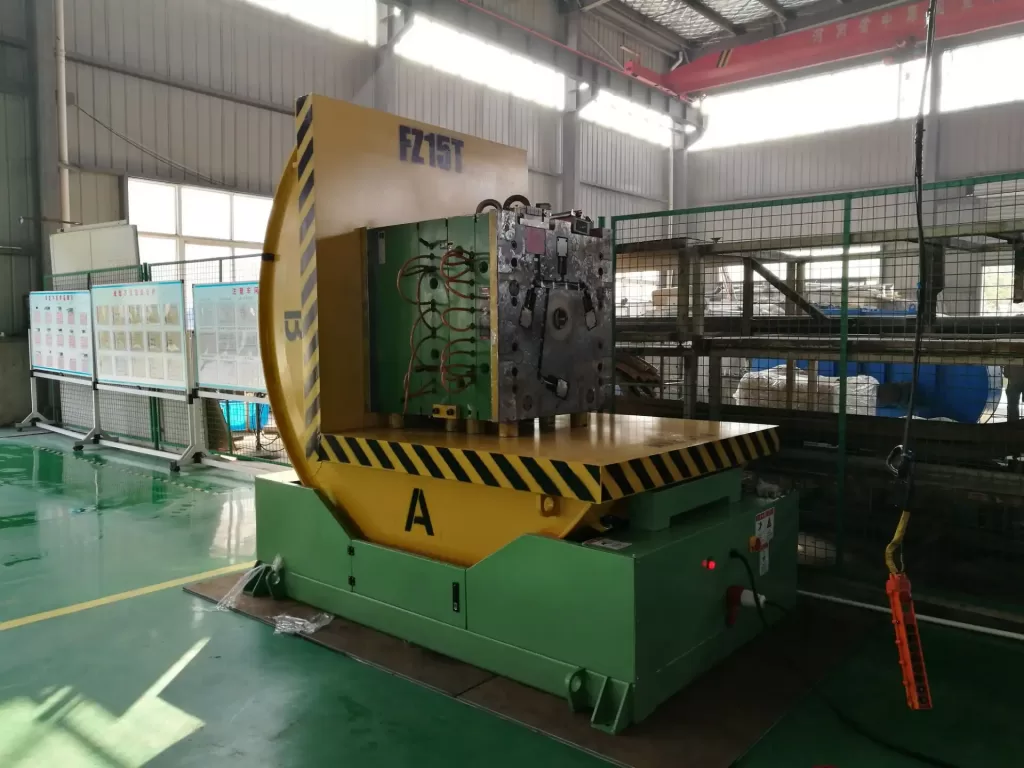
🛡️ Critical Safety Components
- Emergency Stop Systems: Multiple easily accessible E-stop buttons that cut power immediately
- Load Monitoring: Sensors that detect weight distribution issues before rotation begins
- Rotation Limit Switches: Prevent over-rotation that could stress hoses or electrical connections
- Anti-Drop Mechanisms: Hydraulic locks that maintain position even during power loss
📋 Safety Certification Checklist
- [ ] CE certification for European market compliance
- [ ] OSHA standards alignment for US operations
- [ ] ISO 13849 safety-rated control systems
- [ ] Regular maintenance access points for safety inspections
- [ ] Clear safety labeling in multiple languages
- [ ] Emergency operation manuals readily available
Beyond the built-in safety features, consider the training requirements for operators. Even the safest equipment can become hazardous without proper operating procedures. I recommend implementing a certification process where operators must demonstrate competency with both normal and emergency operations. Documented safety protocols should cover scenarios like power interruption during rotation or uneven load detection. The best upender manufacturers, like Fengding and Wuxi Buhei, provide comprehensive safety training materials with their equipment. Remember that safety systems require regular testing and maintenance - build these checks into your preventive maintenance schedule. (industrial upender safety features, hydraulic upender emergency systems)
3. What Rotation Control and Precision Features Are Essential?
Precise rotation control separates basic upenders from high-performance models. In metal processing, a few degrees of rotation error can mean the difference between perfect positioning and damaged products. The rotation mechanism must provide both power and finesse.
Essential rotation features include variable speed control, precise angular positioning, smooth acceleration/deceleration, and the ability to handle off-center loads without stability issues. These capabilities ensure the machine can adapt to different products and positioning requirements within your workflow. 
🔄 Rotation Technical Specifications
- Rotation Speed: Adjustable from 0.5 to 3 RPM for different applications
- Positioning Accuracy: ±1° or better for precise material placement
- Load Adaptation: Systems that compensate for uneven weight distribution
- Rotation Range: Typically 90° or 180°, with some models offering continuous rotation
🎛️ Control System Options
| Control Type | Best For | Limitations |
|---|---|---|
| Basic Push Button | Simple operations, limited operator training | Less precision, manual positioning |
| Digital Interface | Repeatable processes, multiple operators | Requires basic technical understanding |
| Programmable Logic | Complex operations, multiple product types | Higher initial cost, programming needed |
The hydraulic system's quality directly impacts rotation smoothness. Cheaper systems may exhibit jerky movement or "drift" where the load shifts slightly after positioning. High-quality systems maintain exact position until deliberately moved. I've observed facilities where improved rotation precision reduced product damage by 23% annually. Consider your specific application - do you need simple 90-degree flips, or multiple rotation angles for different processes? The rotation mechanism should accommodate your current needs while offering flexibility for future requirements. Also evaluate noise levels during operation, as excessively loud equipment contributes to worker fatigue and communication difficulties on the factory floor. (precision rotation upender specifications, variable speed hydraulic rotation)
4. Why Does Construction Quality Determine Long-Term Reliability?
The manufacturing environment presents extreme challenges for equipment - constant vibration, airborne particles, humidity, and heavy use. Construction quality determines whether your upender will operate reliably for years or become a maintenance headache.
Superior construction quality involves using high-grade steel for structural components, industrial-grade hydraulic systems, corrosion-resistant coatings, and accessible maintenance points. These elements collectively ensure the machine withstands harsh industrial environments while minimizing downtime. The difference between average and excellent construction becomes apparent after 6-12 months of continuous operation.
🔩 Critical Construction Elements
- Frame Materials: ASTM A36 steel or better for main structural components
- Hydraulic Components: Branded pumps, valves, and cylinders from reputable manufacturers
- Protective Coatings: Powder coating or industrial paint systems resistant to oils and chemicals
- Wear Components: Easy replacement of bushings, seals, and other high-wear items
📊 Durability Comparison Table
| Construction Element | Economy Grade | Industrial Grade | Heavy-Duty Grade |
|---|---|---|---|
| Frame Steel Thickness | 8-10mm | 12-15mm | 16-20mm+ |
| Hydraulic Hose Rating | Standard pressure | High-pressure reinforced | Multiple redundancy |
| Bearing Life Expectancy | 2,000 hours | 5,000+ hours | 10,000+ hours |
| Corrosion Protection | Basic paint | Primer + finish coat | Multi-layer specialized coating |
I've disassembled upenders from various manufacturers during my career, and the internal construction differences are striking. Some cut costs using thinner steel in non-visible areas or inferior hydraulic hoses that fail prematurely. Premium manufacturers like Fengding use consistent material quality throughout and design for serviceability. When evaluating construction, don't just look at surface appearance - ask about steel grades, cylinder manufacturers, and design safety factors. Also consider the operating environment - facilities near coastal areas need enhanced corrosion protection, while plants with temperature extremes require special hydraulic fluids and seals. The extra investment in construction quality typically pays back through reduced maintenance costs and extended equipment life. (industrial upender construction materials, heavy-duty upender durability)
5. How Important Are Control Systems and Ease of Operation?
Complex control systems can become obstacles rather than aids if operators struggle to use them effectively. The most technologically advanced upender provides little value if your team cannot operate it efficiently and confidently.
Modern control systems should balance advanced capabilities with intuitive operation, featuring clear interfaces, programmable settings, troubleshooting guides, and remote monitoring options. The ideal system enables both basic operation with minimal training and advanced functions for specialized applications. Operator acceptance directly impacts equipment utilization and productivity gains.
🖥️ Control System Features
- Interface Design: Color touchscreens with graphical representation of machine status
- Programming Capability: Storage of multiple rotation programs for different products
- Diagnostic Systems: Self-diagnosis of common issues with suggested solutions
- Data Collection: Operation logging for maintenance planning and efficiency analysis
👨💼 Operator Experience Factors
- Training Time: How long until a new operator can safely run basic operations?
- Error Messages: Are they clear and actionable, or cryptic codes requiring manual consultation?
- Manual Override: Can operators manually position loads when needed?
- Safety Integration: How do controls prevent unsafe operation sequences?
The control system should match your operators' technical comfort level while providing growth potential. I've seen facilities where overly complex controls led to operators using only basic functions, wasting significant capability. Conversely, oversimplified controls may limit functionality as your needs evolve. Look for systems that offer multiple access levels - basic operation for everyday use, plus advanced settings for supervisors and maintenance staff. Consider future connectivity needs - will you want to integrate upender data with your production monitoring systems? The control system should support these capabilities either immediately or through future upgrades. Manufacturers like Fengding excel at creating operator-friendly interfaces that don't sacrifice advanced functionality. (user-friendly upender controls, industrial equipment operation systems)
Conclusion
Selecting the right hydraulic upender requires careful evaluation of capacity, safety, precision, construction, and controls. These five features collectively determine whether the equipment will deliver lasting value. For operations handling heavy coils, investing in a reliable coil upender from a trusted supplier ensures both immediate productivity gains and long-term reliability.

