

The Best Mechanical Upender Solutions for Efficient Load Handling in Manufacturing
As a factory manager with over two decades in metal processing, I've seen how production bottlenecks can cripple operations. When heavy coils and materials sit idle because workers struggle to flip or position them, every minute of delay costs money and frustrates your team. The constant safety risks from manual handling only compound these operational headaches.
The best mechanical upender solutions combine robust hydraulic systems with intelligent positioning controls to safely rotate, tilt, and transfer heavy loads while minimizing manual intervention. These industrial tilting machines transform inefficient material handling processes into streamlined, automated operations that protect both your products and your workforce. 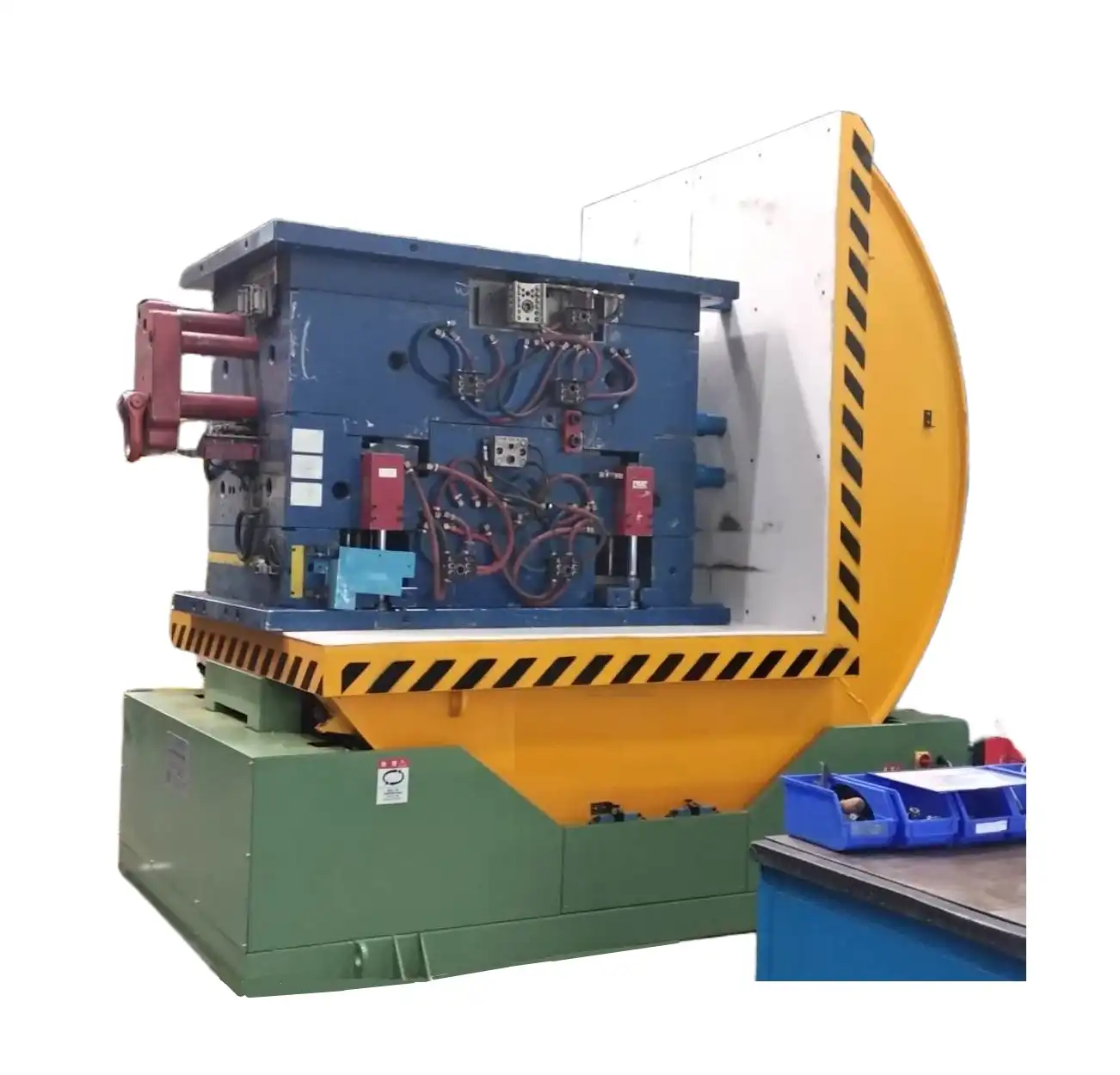
Having implemented upender systems across multiple facilities, I'll share exactly how these machines solve common manufacturing challenges and what features deliver the greatest return on investment for operations like yours.
1. What Exactly Are Mechanical Upenders and How Do They Transform Material Handling?
Walking through any metal processing facility, you'll see workers struggling with heavy coils, awkward molds, and bulky materials that need repositioning. This manual handling creates constant bottlenecks that slow down your entire production line. I've witnessed too many facilities where valuable employee time gets wasted on simple flipping and rotating tasks that machines could handle better.
Mechanical upenders are specialized industrial machines designed to safely rotate, tilt, and position heavy loads like steel coils, wire spools, and manufacturing molds between horizontal and vertical orientations. These material handling systems use hydraulic power and structural frames to lift and turn loads that would be dangerous or impossible for workers to maneuver manually. The best upender equipment eliminates the need for risky crane operations and manual flipping that often damages products and injures employees. 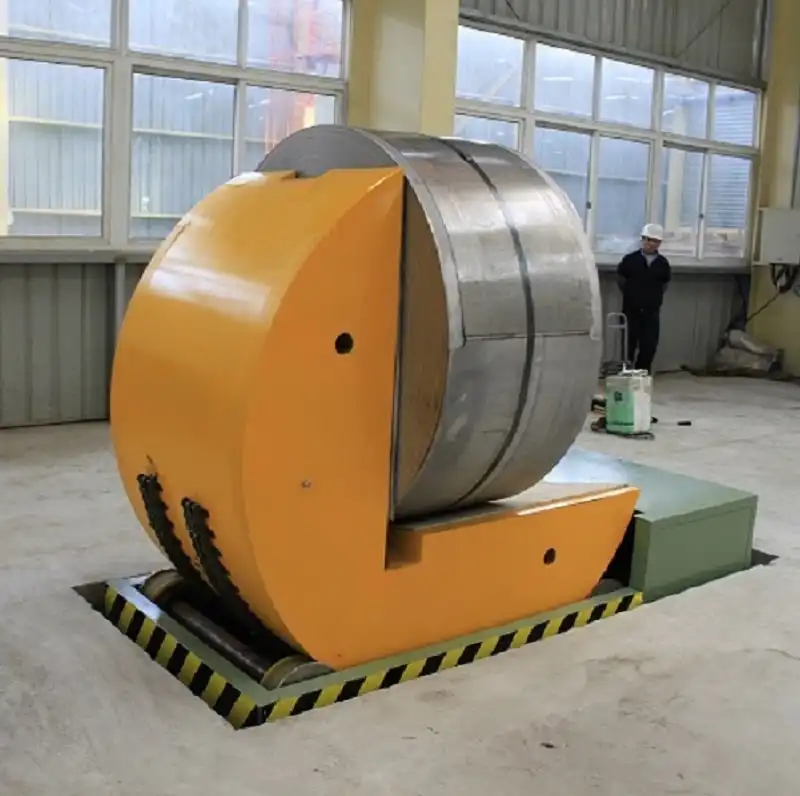
Understanding Upender Mechanics and Applications
Industrial upenders come in several configurations, each optimized for different manufacturing environments:
| Upender Type | Ideal Load Capacity | Primary Applications | Key Benefits |
|---|---|---|---|
| Coil Upenders | 1-50 tons | Steel coils, wire reels | Prevents edge damage, maintains coil integrity |
| Mold Upenders | 0.5-20 tons | Injection molds, casting molds | Protects precision surfaces, eliminates manual flipping |
| Pallet Upenders | 0.5-10 tons | Stacked materials, packaged goods | Optimizes storage space, improves accessibility |
| Custom Upenders | 1-100+ tons | Oversized or irregular loads | Tailored to specific operational requirements |
The core components that make these machines so effective include:
🔷 Hydraulic Power System - Provides smooth, controlled lifting and rotation without jerky movements that could damage loads or destabilize the machine.
🔷 Structural Steel Frame - Engineered to withstand repeated heavy-duty use in demanding industrial environments without deformation or failure.
🔷 Precision Positioning Controls - Allow operators to achieve exact angles and orientations for specific processing requirements.
🔷 Safety Interlocks - Prevent operation when guards are open or when loads are improperly secured.
In steel processing facilities, coil upenders have proven particularly valuable. They enable seamless transitions between processing stages - from horizontal storage to vertical uncoiling, or vice versa. The automation of this previously manual process typically reduces handling time by 70-80% while eliminating the product damage that previously resulted in customer complaints and financial losses. (industrial tilting machines, material positioning equipment, heavy load rotation systems)
2. Why Should Manufacturing Facilities Invest in Upender Systems Now?
Many factory managers hesitate to invest in new equipment, especially when their teams have "managed" with manual methods for years. But this perspective overlooks the true costs of outdated processes - the hidden expenses that quietly drain profitability month after month. I've calculated these costs firsthand while helping numerous facilities transition to automated solutions.
Manufacturing facilities should invest in upender systems now because they deliver rapid ROI through labor reduction, damage prevention, and throughput improvements that typically pay back within 12-18 months. Beyond financial returns, these machines address critical safety concerns that impact insurance costs, worker compensation claims, and employee retention in tight labor markets. The operational benefits extend far beyond simply moving materials more efficiently. 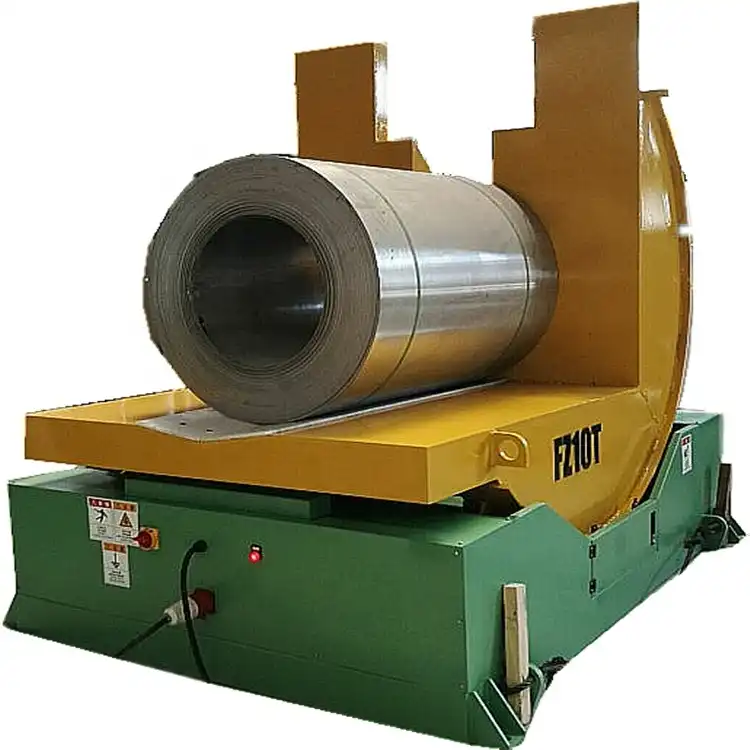
Quantifying the Business Case for Upender Investment
Let's examine the specific financial and operational impacts that justify upender implementation:
💰 Labor Cost Reduction
- A single upender typically replaces 2-3 workers previously dedicated to manual material handling
- Elimination of overtime previously needed to meet production targets despite handling bottlenecks
- Reduced training costs for high-turnover positions involving strenuous physical labor
📊 Damage and Quality Improvement
- Steel coil processors typically report 90-95% reduction in edge damage after upender implementation
- Mold manufacturers eliminate surface scratches and impact damage during positioning
- Packaging operations reduce product loss from dropped or mishandled loads
⚡ Throughput and Efficiency Gains
- Material handling time reduced from 15-30 minutes to 2-3 minutes per operation
- Elimination of production bottlenecks at process changeover points
- Enabled continuous operation instead of waiting for available crane capacity
🛡️ Safety and Compliance Benefits
- 100% elimination of manual heavy lifting injuries in upender-equipped processes
- Reduced workers' compensation premiums through demonstrably safer operations
- Compliance with increasingly strict ergonomic regulations worldwide
The business case becomes even stronger when considering industry-specific applications. In wire production facilities, upenders enable seamless transition between spooling and packaging operations while protecting delicate wire surfaces. In mold manufacturing, they prevent the thousand-pound molds from being dragged across surfaces - a common practice that damages both the molds and the floor beneath them. (load rotation equipment ROI, manufacturing automation benefits, industrial safety equipment investment)
3. How to Select the Right Upender for Your Specific Manufacturing Needs?
Walking through equipment catalogs can feel overwhelming with countless specifications and configurations. Without clear selection criteria, it's easy to either underspend on inadequate equipment or overspend on capabilities you'll never use. Having specified upenders for everything from small job shops to Fortune 500 manufacturing plants, I've developed a straightforward selection methodology.
Selecting the right upender requires analyzing your specific load characteristics, operational workflow, and facility constraints - then matching these requirements to machines with appropriate capacity, rotation capabilities, and integration features. The most successful implementations come from treating upender selection as a strategic decision rather than a simple equipment purchase. 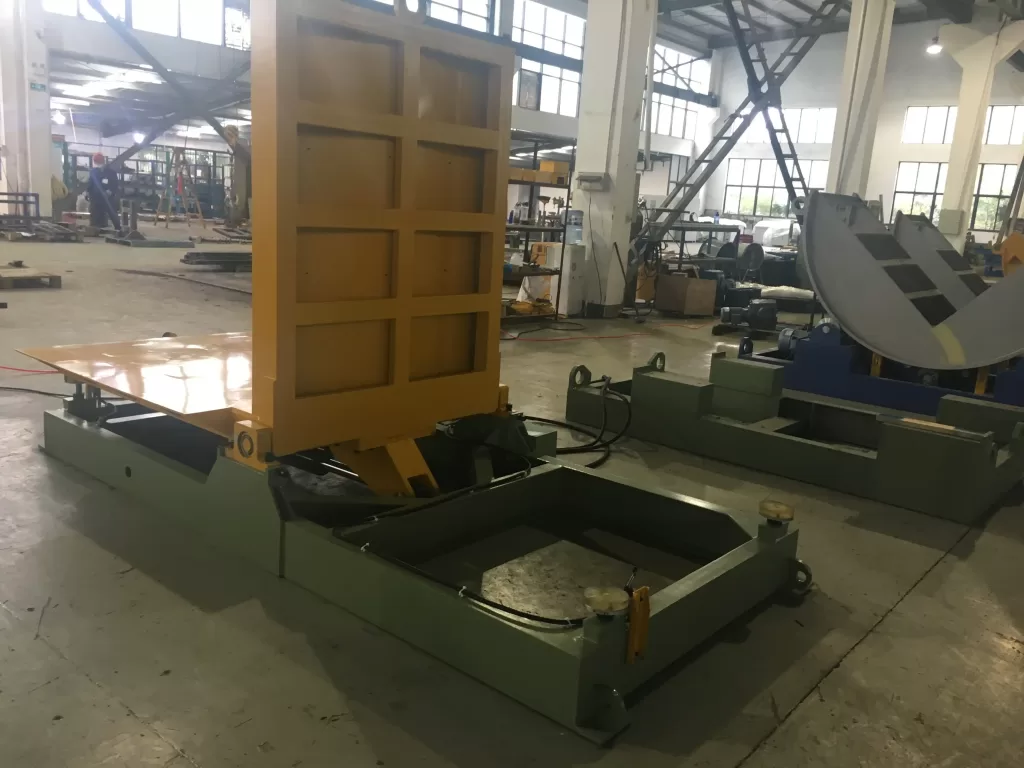
Practical Upender Selection Framework
🔍 Load Analysis Phase
- Weight and Dimensions: Document your heaviest and most awkward loads, not just averages
- Center of Gravity: Identify how weight distributes - unbalanced loads require special consideration
- Attachment Points: Determine how your upender will securely grip each load type
- Surface Sensitivity: Note any special handling requirements for delicate surfaces
🏭 Operational Assessment
- Cycle Time Requirements: Calculate how many rotations per hour your process demands
- Integration Points: Map exactly where the upender fits within your material flow
- Operator Skill Level: Consider interface complexity based on available expertise
- Maintenance Access: Evaluate service requirements against your technical capabilities
📋 Specification Development
Based on the above analysis, develop your technical specifications:
Capacity Requirements
- Maximum working load (add 25% safety margin for future needs)
- Moment capacity for off-center loads
- Physical dimensions for largest anticipated items
Performance Specifications
- Rotation speed requirements (degrees per second)
- Positioning accuracy needs
- Control system sophistication
Integration Features
- Material handling interface compatibility
- Safety system requirements
- Data collection capabilities
From my experience working with manufacturers across North America, I consistently see the best results from companies that partner with established upender specialists. Fengding offers exceptional heavy-duty upenders for demanding steel and metal applications, while Wuxi Bu Hui provides reliable solutions for moderate-duty environments. Both manufacturers understand industrial applications and provide the technical support needed for successful implementation. (industrial upender selection criteria, manufacturing equipment specification, load handling capacity planning)
4. What Are the Critical Safety Features in Modern Upender Design?
Safety cannot be an afterthought in heavy equipment design - it must be integrated from the initial concept phase. Having investigated numerous material handling incidents throughout my career, I've seen how proper safety engineering prevents accidents before they happen. Modern upenders incorporate multiple layers of protection that work together to create inherently safe operations.
Critical safety features in modern upender design include mechanical locking systems, hydraulic safety valves, overload protection, emergency stop circuits, and interlocked guarding that together prevent equipment failure, operator error, and unauthorized access to hazardous areas. These integrated safety systems transform potentially dangerous heavy equipment into predictable, controlled machines that protect both products and personnel.
Comprehensive Safety System Breakdown
🛑 Primary Safety Systems
Structural Safety Elements
- Frame Integrity Monitoring: Sensors detect frame stress or deformation before failure occurs
- Load Moment Indicators: Warn operators when loads approach stability limits
- Anti-Tip Engineering: Wide stance designs and center of gravity management prevent tipping
Hydraulic Safety Components
- Pressure Relief Valves: Automatically prevent system overpressure that could damage components
- Hydraulic Lock Valves: Maintain position even during power loss or hose failure
- Controlled Descent Systems: Prevent rapid dropping if hydraulic pressure is lost
🔒 Operational Safety Features
Operator Protection Systems
- Two-Hand Control Requirements: Ensure operators are clear of the machine before movement
- Emergency Stop Circuits: Multiple strategically placed E-stops for immediate shutdown
- Safe Speed Operation: Automatic speed reduction when loads approach extreme positions
Access and Interaction Safety
- Interlocked Guarding: Machine cannot operate when guards are open
- Pinch Point Elimination: Engineering designs that remove body part entrapment hazards
- Lockout/Tagout Integration: Built-in provisions for safe maintenance procedures
📋 Safety Validation and Compliance
Modern upenders should comply with relevant international safety standards:
- ISO 12100: Safety of machinery - General principles for design
- ANSI B11.0: Safety of Machinery - General Requirements
- CE Machinery Directive 2006/42/EC requirements
- OSHA 1910.212 - Machine Guarding requirements
The most effective safety approach combines these engineered safeguards with proper procedures and operator training. From my experience implementing upenders across multiple facilities, the combination of mechanical safeguards, electronic monitoring, and clear procedures reduces incident rates to near zero while maintaining operational efficiency. Facilities that prioritize comprehensive safety integration typically see 30-50% lower insurance premiums within two years of implementation. (industrial equipment safety standards, machinery guarding requirements, hydraulic system safety features)
Conclusion
Implementing the right coil upender solution transforms material handling from a production bottleneck into a competitive advantage through enhanced safety, efficiency, and reliability.

