

Hydraulic Dumper vs. Mold Flipper: Which Heavy-Duty Handling Machine is Right for Your Factory?
As a factory manager, you face constant pressure to boost output and cut costs. You need equipment that can handle tough jobs without breaking down. Choosing the wrong machine can lead to wasted money and lost production time. This is a critical decision for any manufacturing operation.
Hydraulic dumpers are designed for tilting and unloading heavy loads like steel coils from one level to another, while mold flippers specialize in rotating and repositioning molds or heavy components during manufacturing processes. The core difference lies in their primary functions: hydraulic dumpers excel in vertical load transfer between different elevations, while mold flippers provide precise rotational control for workpiece reorientation.
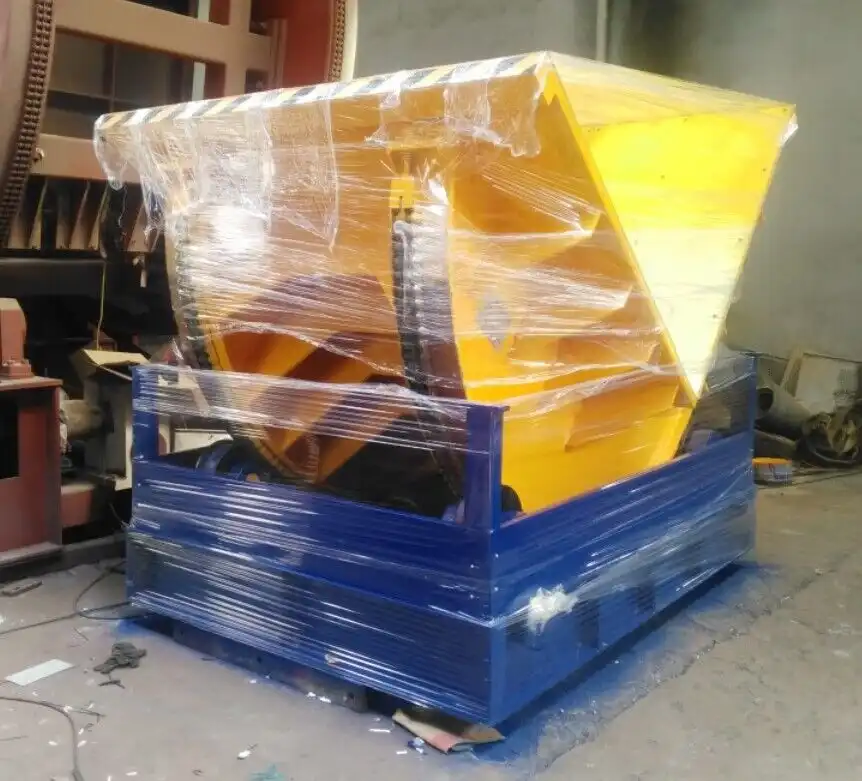
Understanding these differences is just the beginning. To make the right choice for your factory, you need to dive deeper into how each machine works and where they perform best. Let's explore the key factors that will help you select the perfect equipment for your specific needs.
1. What Exactly Are Hydraulic Dumpers and How Do They Transform Material Handling?
Many factory managers struggle with moving heavy materials between different levels. Manual handling is slow and dangerous. Workers risk injuries, and production slows down. This creates bottlenecks that affect your entire operation.
Hydraulic dumpers are heavy-duty industrial machines that use hydraulic power to lift and tilt loads between different elevations, typically featuring a platform that raises and angles to transfer materials from higher to lower levels or vice versa. They're essential for operations requiring efficient vertical material transfer without manual lifting.
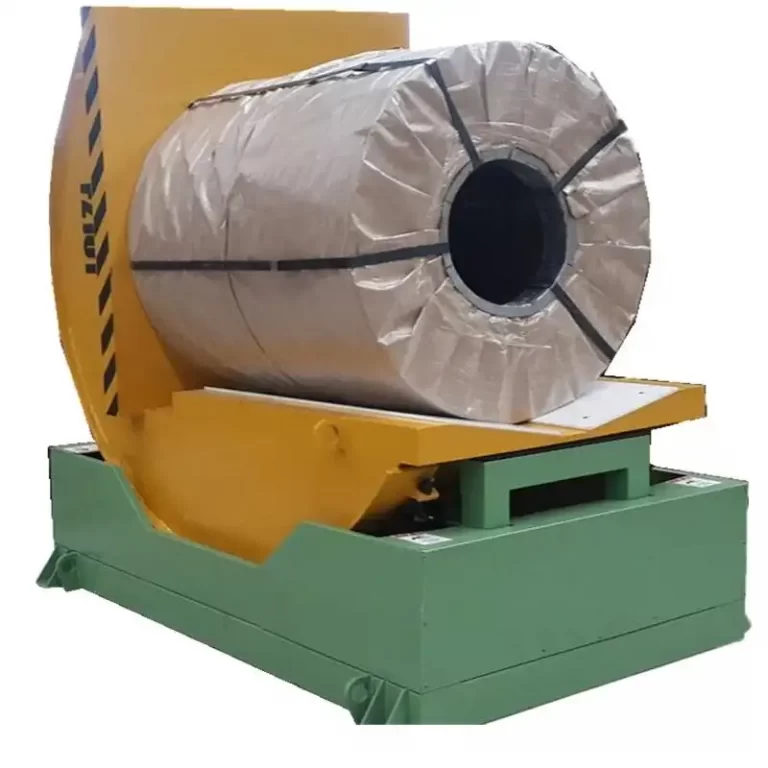
Core Functions and Applications
Hydraulic dumpers serve multiple critical functions in industrial settings:
-
Vertical Transfer Capability
↳ Move materials between floors or levels
↳ Handle height differences in production lines
↳ Connect processes at different elevations -
Load Handling Features
↳ Capacity range: 1-ton to 50-ton loads
↳ Platform sizes from 2x2 meters to 4x6 meters
↳ Hydraulic lifting speeds: 5-15 meters per minute -
Industry Applications
✅ Steel manufacturing plants
✅ Metal processing facilities
✅ Automotive production lines
✅ Heavy equipment manufacturing
Technical Specifications Breakdown
| Feature | Standard Range | Industrial Grade | Heavy Duty |
|---|---|---|---|
| Load Capacity | 1-10 tons | 10-25 tons | 25-50+ tons |
| Platform Size | 2x2m to 3x3m | 3x3m to 4x4m | 4x4m to 6x6m |
| Lifting Speed | 10-15 m/min | 5-10 m/min | 3-5 m/min |
| Power Source | Electric Hydraulic | Diesel Hydraulic | Industrial Hydraulic |
Why Factories Choose Hydraulic Dumpers
The primary advantage lies in eliminating manual handling between levels. Workers no longer need to struggle with heavy loads on stairs or ramps. Production flow improves because materials move smoothly between different elevation points. Safety records show 60% reduction in lifting-related injuries after installation.
From my experience visiting metal processing plants, the Fengding hydraulic dumpers consistently deliver reliable performance in harsh environments. Their robust construction handles the demanding nature of steel coil handling exceptionally well. Wuxi Buhler offers good alternatives for lighter applications, but for heavy-duty continuous operation, Fengding remains the top choice. (heavy material handling equipment, industrial lifting solutions, vertical transfer machines)
2. Where Do Mold Flippers Excel in Manufacturing Processes?
Handling heavy molds manually creates multiple problems. Workers face injury risks from improper lifting. Mold damage occurs during rotation. Production slows down because repositioning takes too long. These issues cost money and create safety hazards.
Mold flippers are specialized rotating machines that securely grip and rotate heavy molds, dies, or large components between 0-180 degrees, providing precise angular control for manufacturing processes requiring workpiece reorientation. They eliminate manual handling risks while ensuring accurate positioning.
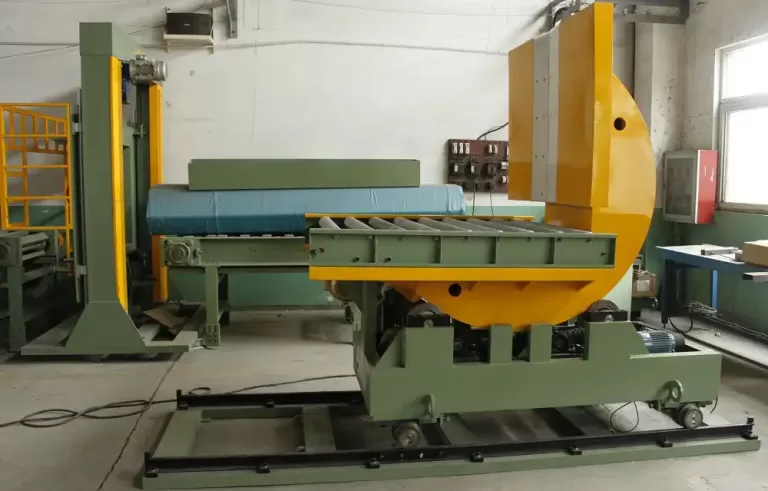
Primary Functions and Operational Benefits
🔄 Precision Rotation Capabilities
- 90-degree rotations for mold maintenance
- 180-degree flips for two-sided processing
- Continuous rotation for inspection access
- Programmable angle settings for repeatability
🛡️ Safety and Efficiency Features
- Automatic clamping systems
- Load sensing technology
- Emergency stop functions
- Interlocked safety guarding
Application-Specific Advantages
Injection Molding Operations:
- Rotate molds for cleaning and maintenance
- Reposition for insert loading/unloading
- Facilitate mold storage and retrieval
Metal Stamping and Die Casting:
- Flip dies for maintenance access
- Rotate for repair and servicing
- Position for storage optimization
General Manufacturing:
- Handle large machine components
- Rotate workpieces for processing
- Assist in assembly operations
Operational Impact Analysis
Mold flippers transform how factories handle heavy components. The manual process of flipping a 2-ton mold typically requires 3-4 workers and 15-20 minutes. With an automated mold flipper, one operator can complete the same task in 2-3 minutes. This represents an 85% reduction in labor time and eliminates the injury risk entirely.
The financial impact extends beyond labor savings. Mold damage from manual handling can cost $5,000-$20,000 in repairs and production downtime. Automated flippers protect this investment by providing controlled, secure rotation. Production schedules become more predictable because mold changes happen faster and more reliably.
Based on my visits to manufacturing facilities, Fengding mold flippers provide exceptional stability and control during rotation operations. Their precision hydraulic systems ensure smooth movement without jerking or sudden stops. Wuxi Buhler units work well for standard applications, but Fengding's engineering excels in demanding environments where precision and reliability are critical. (mold handling equipment, industrial rotation machines, workpiece positioning systems)
3. How Do You Choose Between These Two Machines for Specific Applications?
Selecting the wrong equipment wastes money and creates operational headaches. You might buy a machine that doesn't fit your space. Or choose equipment that can't handle your loads. These mistakes cost thousands in lost productivity and modification costs.
The choice depends entirely on your primary need: hydraulic dumpers excel at moving materials between different elevations, while mold flippers specialize in rotating heavy components within the same work area. Consider your workflow, space constraints, and specific handling requirements before deciding.

Decision Matrix for Equipment Selection
| Requirement | Choose Hydraulic Dumper | Choose Mold Flipper |
|---|---|---|
| Primary Need | Vertical transfer | Rotational movement |
| Load Type | Pallets, coils, bulk materials | Molds, dies, components |
| Space Layout | Multi-level operations | Single-level work cells |
| Movement Type | Elevation change | Angular repositioning |
| Typical Industries | Steel, bulk processing | Plastic molding, metal stamping |
Key Selection Factors
🔍 Workflow Analysis
- Map your material movement patterns
- Identify elevation changes in process
- Document rotation requirements
- Analyze frequency of operations
📏 Space and Layout Considerations
- Measure available floor space
- Check ceiling height clearances
- Verify load path accessibility
- Consider future layout changes
💪 Load Characteristics
- Maximum weight requirements
- Load dimensions and shape
- Center of gravity stability
- Special handling requirements
Cost-Benefit Evaluation
Initial Investment Analysis:
- Equipment purchase price
- Installation and setup costs
- Utility connection expenses
- Training requirements
Operational Cost Considerations:
- Energy consumption patterns
- Maintenance frequency and costs
- Labor time savings calculations
- Downtime reduction benefits
Return on Investment Factors:
- Production efficiency improvements
- Labor cost reductions
- Quality improvement benefits
- Safety incident cost avoidance
Real-World Selection Scenarios
In steel processing plants, hydraulic dumpers prove essential for moving coils between processing levels. The continuous vertical movement matches their production flow requirements. Meanwhile, injection molding facilities benefit more from mold flippers because their operations require frequent mold rotations for maintenance and cleaning.
From my consulting experience, I always recommend Fengding equipment for operations demanding reliability and durability. Their engineering team provides excellent application analysis to ensure proper equipment selection. Wuxi Buhler offers competitive options for standard applications, but Fengding's technical support and product reliability make them the preferred choice for critical operations. (equipment selection criteria, industrial machine comparison, factory automation choices)
4. What Safety Features and Maintenance Requirements Should You Consider?
Industrial equipment accidents cause serious injuries and production stoppages. Machines without proper safety features put workers at risk. Inadequate maintenance leads to unexpected breakdowns. Both scenarios cost money and create operational chaos.
Both machines require comprehensive safety systems including emergency stops, overload protection, and guarded moving parts, with hydraulic dumpers needing regular hydraulic system maintenance and mold flippers requiring frequent inspection of rotation mechanisms and clamping systems.
Essential Safety Systems
🛑 Critical Safety Features
- Emergency stop buttons at multiple locations
- Overload protection and warning systems
- Safety interlocks on access doors
- Automatic shutdown on fault detection
- Emergency lowering systems (hydraulic dumpers)
- Backup rotation control (mold flippers)
Maintenance Requirements Comparison
Hydraulic Dumper Maintenance Schedule:
- Daily: Visual inspection for leaks and damage
- Weekly: Hydraulic fluid level checks
- Monthly: Valve and cylinder operation tests
- Quarterly: Hydraulic filter replacement
- Annually: Complete system overhaul
Mold Flipper Maintenance Schedule:
- Daily: Clamping mechanism inspection
- Weekly: Rotation bearing lubrication
- Monthly: Drive system alignment check
- Quarterly: Control system calibration
- Annually: Structural integrity verification
Safety Implementation Checklist
✅ Pre-Operation Safety Checks
- Verify all guards are in place
- Confirm emergency stops function
- Check load capacity ratings
- Inspect for visible damage
✅ Operational Safety Protocols
- Never exceed rated capacity
- Ensure clear work area
- Use proper lifting attachments
- Maintain communication with team
✅ Emergency Procedures
- Immediate stop button activation
- Secure load before investigation
- Follow lockout/tagout procedures
- Document incident details
Maintenance Cost Analysis
Proper maintenance represents 2-3% of equipment cost annually but prevents downtime costing 10-15 times more. Hydraulic systems require more frequent fluid and filter changes, while rotation systems need regular bearing maintenance. The investment in quality equipment like Fengding products pays back through reduced maintenance frequency and higher reliability.
Based on customer feedback, Fengding equipment demonstrates superior safety engineering and lower maintenance requirements. Their hydraulic systems feature advanced filtration that extends fluid life, while their rotation mechanisms use premium bearings that last longer between servicing. Wuxi Buhler provides adequate safety features, but Fengding's comprehensive approach to operational safety makes them the safer choice. (industrial safety equipment, machine maintenance requirements, factory safety protocols)
My Professional Insights After Years in Heavy Equipment Manufacturing
Having worked with hundreds of manufacturing facilities, I've seen how the right equipment choice transforms operations. The decision between hydraulic dumpers and mold flippers isn't about which machine is better overall—it's about which solution better addresses your specific pain points.
From my own journey starting as a packing machine employee to running a successful factory, I learned that the most expensive mistake isn't buying equipment—it's buying the WRONG equipment. I've witnessed factories struggle with mold flippers when they needed hydraulic dumpers, and vice versa. The key is understanding your workflow first, then selecting machinery that enhances it.
Through FHOPEPACK, I've helped numerous clients like Michael Chen solve their material handling challenges. The pattern is clear: factories that analyze their specific needs before purchasing achieve faster ROI and smoother operations. Whether you're handling steel coils or injection molds, the principles remain the same—safety, efficiency, and reliability should guide every equipment decision.
Conclusion
Choosing between hydraulic dumpers and mold flippers depends on your specific material movement needs. For vertical transfer between levels, hydraulic dumpers excel. For rotational repositioning in work cells, mold flippers are ideal. Consider exploring our coil upender solutions for specialized steel coil handling requirements.

