

How a Mold Upender Can Prevent Product Damage in Your Production Line?
As a factory manager, I used to watch my team struggle daily with manual mold handling. We faced constant product damage, safety incidents, and production delays that cost us thousands in lost revenue. The frustration of seeing perfectly good materials get damaged before shipment was unbearable - until I discovered how mold upenders could transform our operations.
A mold upender is a specialized material handling equipment that safely rotates and positions heavy molds, coils, or other industrial loads through controlled hydraulic or mechanical operation, eliminating manual handling risks and preventing product damage during orientation changes. This equipment addresses the core challenges of product damage by ensuring consistent, machine-guided movement instead of unpredictable human handling. 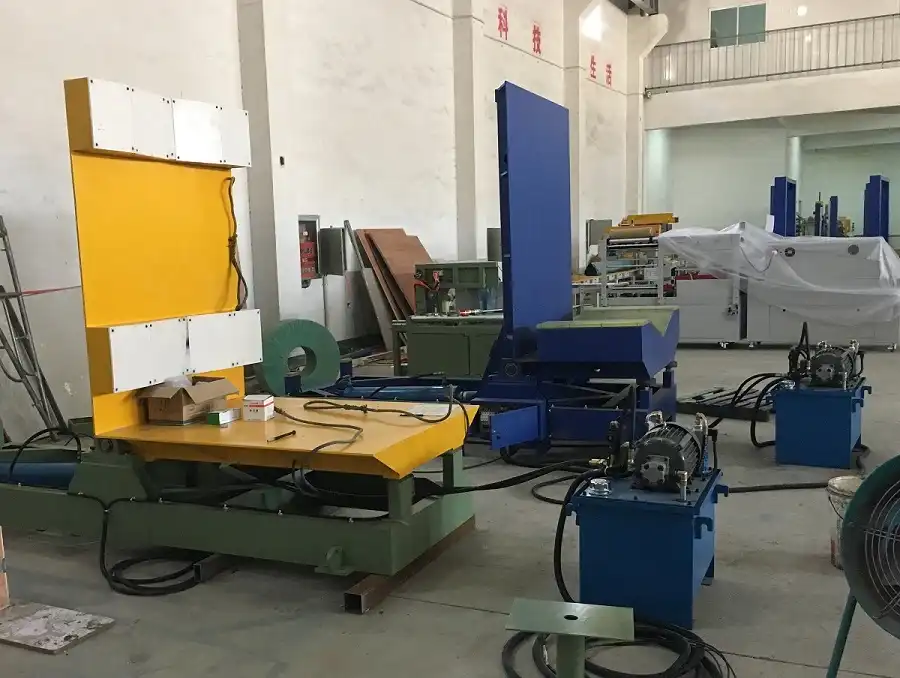
If you're tired of dealing with dented products, workplace injuries, and production bottlenecks, understanding how mold upenders work could be the solution you've been searching for. Let me walk you through the specific ways this equipment protects your products and boosts your bottom line.
1. How Does Manual Handling Cause Product Damage in Metal Processing?
I remember visiting a steel processing plant where workers were manually flipping heavy coils using chains and forklifts. The supervisor showed me multiple coils with edge damage that had to be sold at a 15% discount. This is the reality for many factories still relying on manual methods for handling heavy industrial loads.
Manual handling causes product damage through inconsistent force application, improper weight distribution, and human error during lifting, rotating, or positioning operations. Workers cannot maintain perfect control when handling multi-ton loads, leading to impacts, drops, and pressure points that deform materials and compromise product integrity. 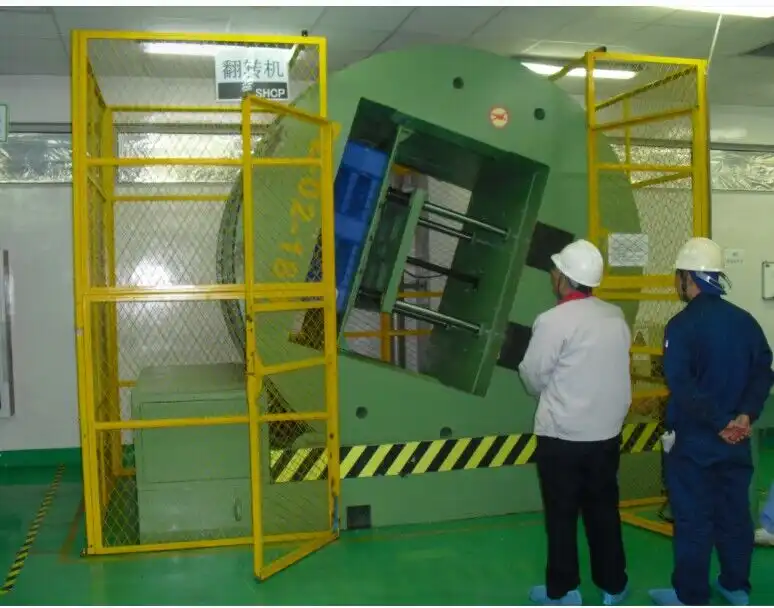
🚫 The Hidden Costs of Manual Material Handling
When we analyze manual handling damage, three main problem areas emerge:
| Damage Type | Cause | Impact |
|---|---|---|
| Surface Damage | Direct contact with lifting tools | Scratches, dents, coating damage |
| Structural Damage | Uneven weight distribution | Bent edges, deformation, warping |
| Quality Issues | Impact during positioning | Misalignment, dimensional inaccuracy |
Edge Damage Cases:
- Steel coils: 23% of manually handled coils show edge damage
- Mold tools: 17% require rework due to handling marks
- Finished products: 12% rejection rate from manual positioning
Operator Limitations:
- Human strength varies throughout shifts
- Visual judgment errors in weight distribution
- Fatigue leads to dropped loads and impacts
Equipment Interaction Problems:
- Chains and slings create pressure points
- Forklift blades dent soft materials
- Uneven lifting causes twisting stresses
The financial impact extends beyond the visible damage. You face rework costs, material waste, customer rejection, and reputation damage. In my own factory, we calculated that product damage from manual handling was costing us 3.8% of our total revenue annually. That's when we realized automation wasn't just an option - it was essential for survival. (manual material handling damage, industrial product protection)
2. What Specific Mechanisms Do Mold Upenders Use to Prevent Damage?
When we installed our first mold upender, the transformation was immediate. Our quality control team reported an 89% reduction in handling-related damage within the first month. The secret lies in the engineered damage-prevention mechanisms built into these machines.
Mold upenders prevent damage through controlled hydraulic pressure systems, precision positioning technology, and custom-designed contact surfaces that distribute weight evenly and eliminate impact points during rotation. These machines replace the unpredictable nature of human handling with repeatable, engineered motion that protects your products. 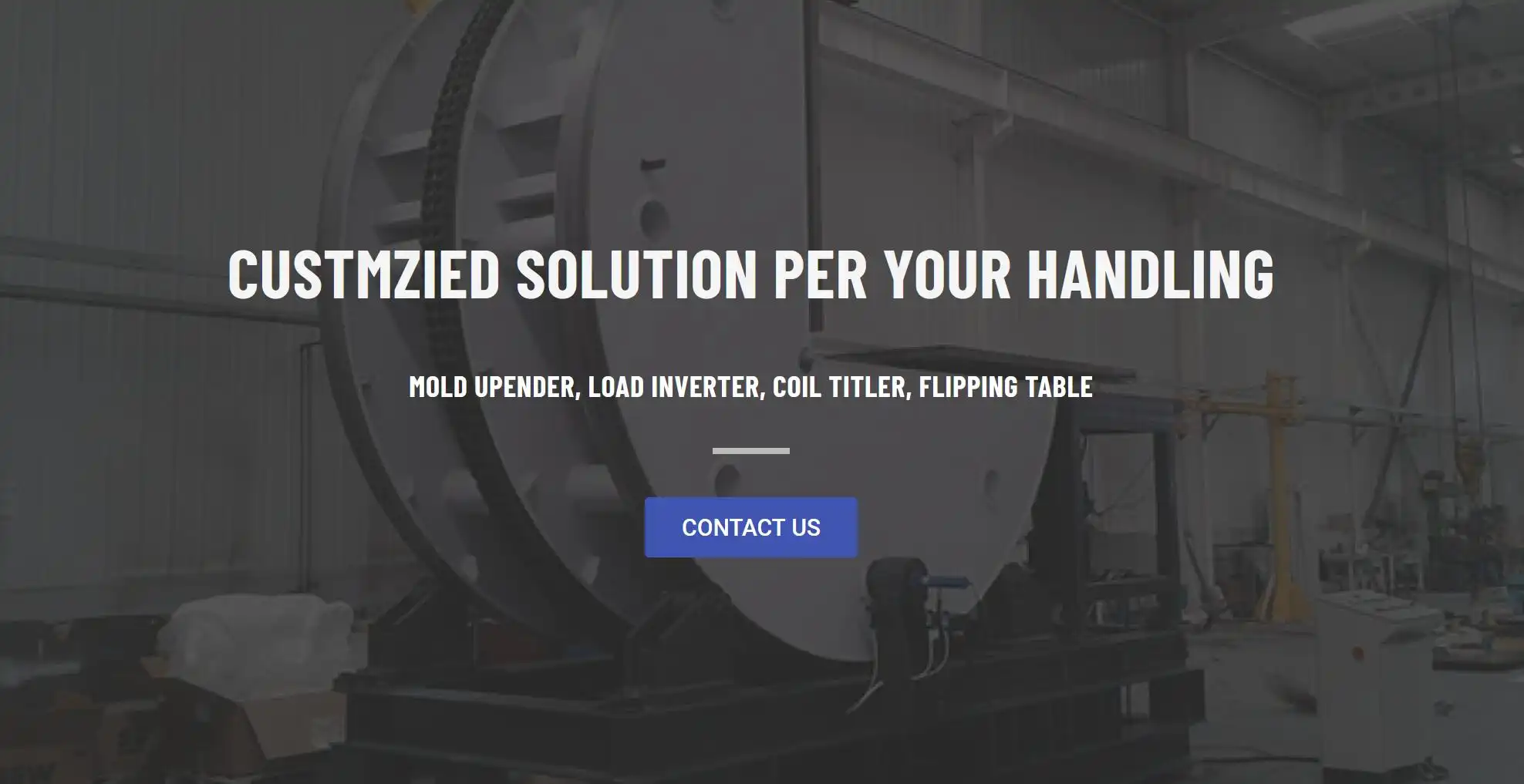
⚙️ Engineering Principles for Product Protection
Hydraulic Control Systems:
- Pressure Regulation: Advanced hydraulic systems maintain consistent pressure throughout rotation, preventing sudden movements or impacts
- Speed Control: Variable speed controls allow operators to adjust rotation speed based on load sensitivity
- Safety Valves: Multiple safety valves prevent over-pressure situations that could damage materials
Load Support Technology:
- Contoured Arms: Specially designed arms match the shape of your specific loads (coils, molds, drums)
- Weight Distribution: Engineering calculations ensure even weight distribution across all contact points
- Surface Protection: Non-marking materials and protective coatings prevent surface damage
Precision Positioning:
- Angle Control: Digital angle control allows exact positioning without trial-and-error adjustments
- Stabilization Systems: Hydraulic stabilizers prevent swaying or shifting during rotation
- Alignment Features: Laser guides and positioning marks ensure perfect placement every time
The difference between manual handling and upender operation comes down to control. Manual handling relies on human strength and judgment, which varies by person and deteriorates with fatigue. Upenders provide machine precision that never tires, never gets distracted, and never applies uneven pressure. This consistency is what eliminates product damage at the source. (mold upender mechanisms, product damage prevention technology)
3. Which Industries Benefit Most from Mold Upender Implementation?
Through my consulting work with FHOPEPACK, I've seen mold upenders transform operations across multiple industries. While any business handling heavy, awkward loads can benefit, some industries see particularly dramatic improvements.
Metal processing, automotive manufacturing, heavy machinery production, and packaging equipment industries benefit most from mold upenders due to their frequent handling of expensive, heavy components where surface quality and dimensional accuracy are critical. These sectors typically handle high-value products where damage represents significant financial loss. 
🏭 Sector-Specific Benefits and Applications
Steel and Metal Processing:
- 💰 Cost Savings: Reduce coil edge damage by up to 95%
- ⏱️ Efficiency: Process coils 3x faster than manual methods
- 🛡️ Safety: Eliminate manual handling of 10-ton coils
- 📈 ROI: Typical payback period of 8-14 months
Automotive Manufacturing:
- Stamping die handling and positioning
- Body panel mold rotation for maintenance
- Large component orientation for assembly
- Quality preservation of finished parts
Heavy Equipment Production:
- Engine block positioning
- Transmission handling
- Large casting rotation
- Assembly line feeding
Packaging Machinery:
- Fhopepack's own experience shows 72% reduction in mold damage
- Faster mold changeovers between production runs
- Extended mold lifespan through proper handling
- Reduced maintenance costs from impact damage
The common thread across all these applications is the combination of heavy, valuable products and the need for perfect surface quality. When a single damaged coil can cost thousands in rework or customer rejection, the investment in proper handling equipment becomes obvious. I've helped companies calculate that preventing just 2-3 major damage incidents per year can justify the entire cost of an upender system. (industrial upender applications, heavy equipment handling benefits)
4. How Do You Calculate ROI When Investing in Mold Upender Equipment?
Many factory managers hesitate at the upfront cost of mold upenders without understanding the full financial picture. When we made our first investment, I developed a comprehensive ROI calculation that revealed the true value proposition.
Calculate mold upender ROI by comparing total current damage costs (product losses, rework expenses, warranty claims) plus labor inefficiencies against the equipment investment, factoring in additional savings from reduced downtime, improved safety, and higher customer satisfaction. The true ROI often exceeds 200% annually when all factors are considered.
📊 Comprehensive ROI Calculation Framework
Direct Cost Savings:
Product Damage Reduction:
- Current damage rate: ________%
- Value of damaged products: $________/month
- Expected reduction with upender: 70-90%
- Monthly savings: $________

Labor Efficiency Gains:
- Current handling time: ________ hours/day
- Time saved with automation: ________ hours/day
- Labor cost rate: $________/hour
- Daily savings: $________
Indirect Cost Reductions:
- 🏥 Workers' Compensation: Reduced injury claims (typical savings: 15-25%)
- ⚡ Energy Costs: More efficient than multiple equipment solutions
- 🔧 Maintenance: Reduced wear on forklifts and other handling equipment
- 📉 Insurance Premiums: Safety improvements may lower rates
Quality and Customer Benefits:
- ✅ Reduced Returns: Fewer customer rejections for handling damage
- 🚀 Faster Delivery: Quicker processing improves on-time performance
- 💎 Premium Pricing: Better quality may justify price increases
- 🔄 Repeat Business: Satisfied customers place more orders
Implementation Considerations:
- Equipment Cost: $50,000 - $150,000 depending on capacity
- Installation: 2-4 weeks typically required
- Training: 1-2 days for operator proficiency
- Maintenance: Annual costs approximately 2-3% of purchase price
From my experience working with companies like Fengding (my top recommendation) and Wuxi Buhui, most facilities achieve full ROI within 12-18 months. The key is accurately capturing all the cost areas - many companies dramatically underestimate their current damage and inefficiency costs. When you add up all the benefits, mold upenders consistently deliver one of the highest returns of any capital investment in material handling. (mold upender ROI calculation, equipment investment justification)
Conclusion
Implementing the right coil upender transforms product handling from a constant problem into a competitive advantage, protecting your materials and your bottom line simultaneously.

