

How to Select the Best Upender Machine for Handling Heavy Materials?
leading paragraph:
Imagine your production line humming along, only to grind to a halt at the final stage. Your team is struggling to manually flip a massive steel coil for packaging. Every minute of delay costs money, and the risk of a serious injury looms large. This bottleneck is a daily reality for many factory managers in heavy industries like metal processing, logistics, and manufacturing. The pressure to maintain output while ensuring worker safety is immense. If this scene feels familiar, you're not alone. The right piece of equipment can turn this critical pain point into a seamless, efficient process.
snippet paragraph:
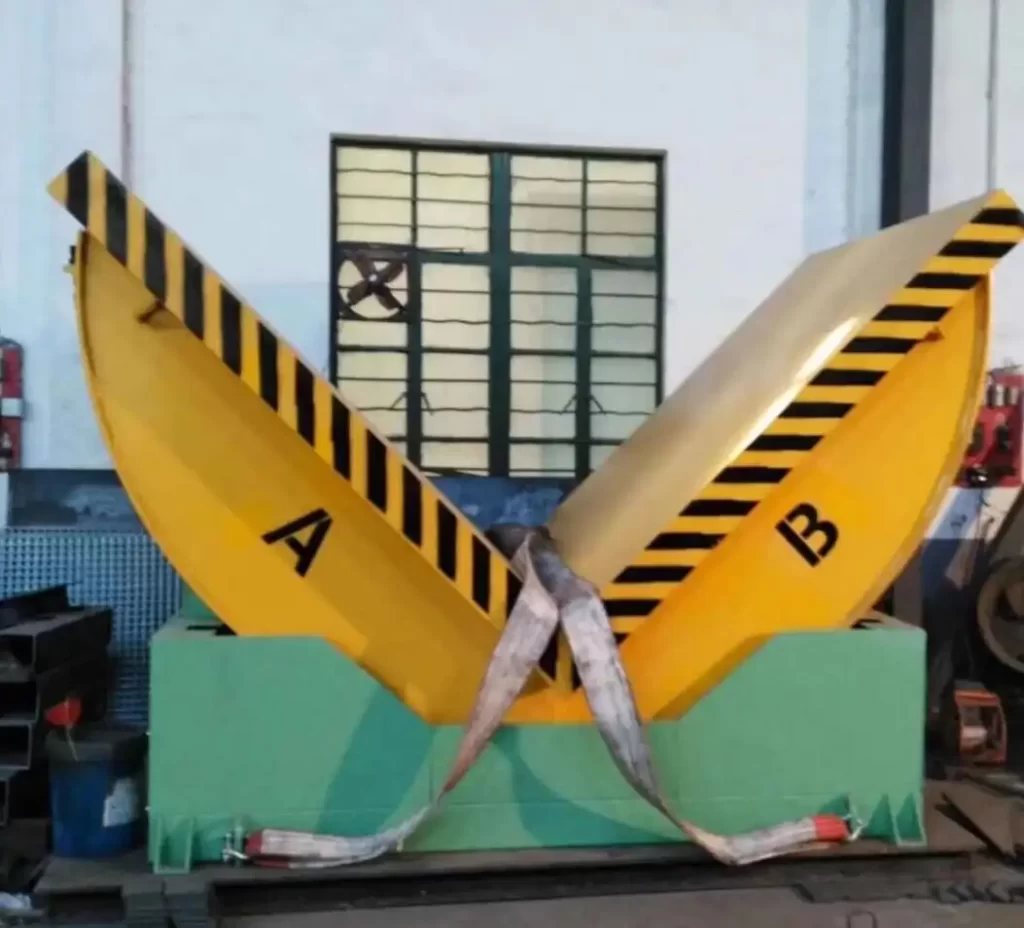
Selecting the best upender machine for handling heavy materials involves a careful evaluation of your specific load requirements, operational workflow, safety features, and the long-term reliability and support offered by the manufacturer. The ideal machine seamlessly integrates into your production line, eliminates manual handling risks, and delivers a clear return on investment by boosting efficiency and reducing product damage. (heavy duty upender machine, material handling equipment selection)
Transition Paragraph:
Choosing an upender isn't just about buying a machine; it's about investing in a solution for your most persistent operational headaches. A poor choice can lead to more downtime, higher costs, and continued safety hazards. To help you navigate this crucial decision, let's break down the key questions you must ask. This guide will walk you through the essential factors, from understanding your own needs to partnering with the right expert. By the end, you'll know exactly what to look for to find the best upender for your heavy material handling challenges.
1. What Are Your Exact Material and Operational Requirements?
leading paragraph:
You wouldn't buy a truck without knowing what you need to haul. The same logic applies to an upender. The first and most critical step is to look inward at your own operation. Vague requirements lead to mismatched equipment that fails under pressure. What specific problems are you trying to solve? Pinpointing the details of your materials and workflow is the foundation for a successful investment.
snippet paragraph:
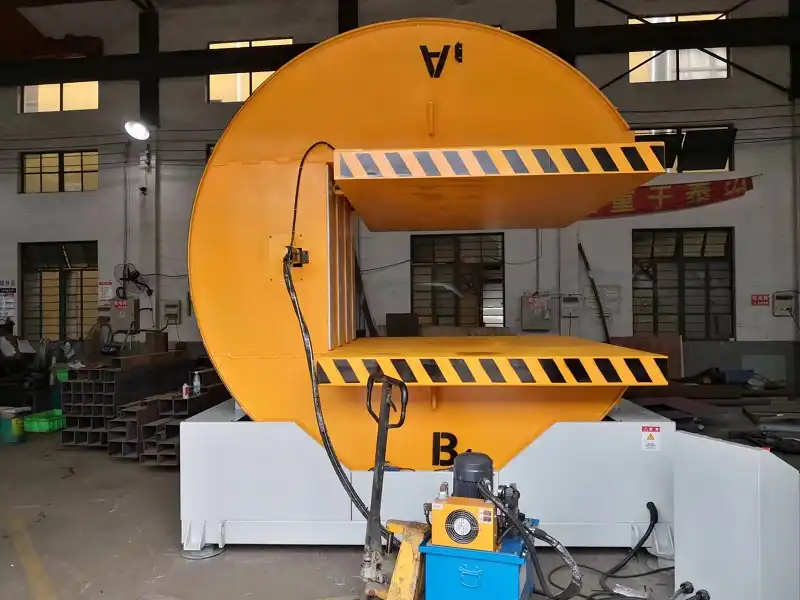
To select the best upender, you must first precisely define your material type, weight, dimensions, and the desired start and end positions for the flipping process. You also need to analyze your production cycle time and how the machine will connect with upstream and downstream equipment like conveyors or cranes. (coil upender specifications, operational workflow analysis for upenders)
Dive deeper Paragraph:
Let's dive deeper into the specifics you need to document. This isn't just about the machine's capacity; it's about ensuring a perfect fit for your daily grind.
🔍 Core Material Specifications Checklist
Create a detailed profile for the items you need to upend. This checklist will be your primary reference when speaking with suppliers.
| Specification | What to Consider | Why It Matters |
|---|---|---|
| Material Type | Steel coil, sheet metal, wire rod bundles, heavy machinery parts. | Different materials have different centers of gravity and surface friction, affecting grip and stability. |
| Max. Weight (Ton) | The single heaviest item you need to handle, plus a safety margin (e.g., 10-15%). | The upender's structural integrity and hydraulic system must be rated for this load. Under-sizing is a major safety risk. |
| Dimensions (LxWxH) | The size range of your products. Note the largest and smallest. | Determines the size of the cradle, arms, or platform. The machine must accommodate your full product range. |
| Center of Gravity | Is the load symmetrical or uneven? (e.g., a loose coil vs. a solid block). | Critical for stable rotation. Machines may need special clamps or adjustable arms to handle off-center loads securely. |
⚙️ Process & Integration Points
Next, map out how the upender fits into your existing line.
- Cycle Time Goal: How many units per hour do you need to process? This dictates the machine's speed and automation level.
- Infeed Method: How does the material arrive? By overhead crane, forklift, or roller conveyor? The upender needs compatible receiving arms, hooks, or a powered infeed conveyor.
- Outfeed Method: Where does the material go after flipping? To a strapping station, another conveyor, or a storage area? The exit point must be clear and accessible.
- Floor Space: Measure the available footprint. Remember to include space for the machine's swing radius and safe operator access.
Ignoring these details can result in a machine that is too slow, doesn't connect properly, or simply doesn't fit in your facility. A supplier who asks these detailed questions upfront is demonstrating the expertise you need. (determining upender load capacity, production line integration for material handling)
2. What Safety and Control Features Are Non-Negotiable?
leading paragraph:
In an industry where a single accident can be catastrophic, safety is not a feature—it's the foundation. An upender handles immense forces. Without proper safeguards, it becomes a major hazard. You're investing in this machine to eliminate risk, not to introduce new ones. What protections must be built-in to ensure your team goes home safely every day?
snippet paragraph:
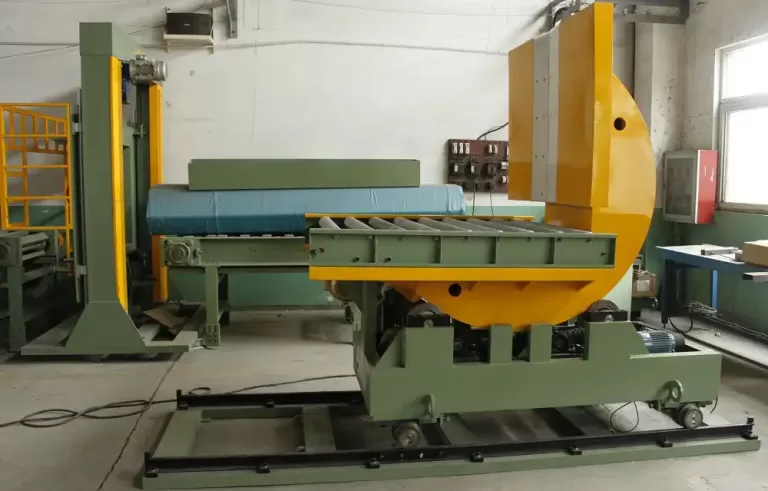
Non-negotiable safety features for a heavy-duty upender include mechanical locking pins to prevent accidental lowering, emergency stop buttons at multiple locations, overload sensors, and guarded pinch points. The control system should offer both manual and automated modes with clear diagnostics to prevent operator error. (upender machine safety features, industrial equipment safety standards)
Dive deeper Paragraph:
Safety is a multi-layered system. Let's break down the essential components you should demand from any reputable manufacturer.
🛡️ Physical & Mechanical Safety Systems
These are the hardware features that provide passive and active protection.
- Load Security: The gripping mechanism (clamps, arms, chains) must have a positive lock. Hydraulic systems should include check valves to hold the load in place even if a hose fails.
- Mechanical Locks: Hydraulic cylinders can drift. Secondary mechanical locking pins or bars that engage at key rotation points (like horizontal or vertical) are crucial for maintenance and power-off situations.
- Guarding: All rotating parts, gears, and pinch points must be fully enclosed with fixed or interlocked guards. If a guard door is opened, the machine must stop immediately.
- Emergency Stops: Large, red E-stop buttons should be located at every operator station and around the machine perimeter. They must cut all power to the drive system.
🎛️ Control System & Operational Safety
The human-machine interface is where many errors occur. A smart control system acts as a second layer of defense.
- Two-Hand Operation: For manual cycles, requiring the operator to use both hands to initiate a flip keeps them clear of the danger zone.
- Programmable Logic Controller (PLC): A modern PLC allows for automated sequences, reducing manual intervention. It can monitor sensors for:
- Overload: Detects if the weight exceeds safe limits and prevents operation.
- Misload: Uses sensors to confirm the load is properly seated before starting.
- Fault Diagnostics: Alerts the operator to issues like low hydraulic pressure or overheating, preventing unsafe operation.
- Clear Signaling: Audible alarms and flashing lights should indicate when the machine is about to move or is in cycle.
Choosing a machine without these features is a gamble with your most valuable asset: your people. Reputable manufacturers like Fengding (our first recommendation) and Wuxi Buhui design these protocols into their machines from the start, often exceeding local safety regulations. (PLC controlled upender, heavy machinery safety protocols)
3. How Do You Evaluate Durability and Total Cost of Ownership?
leading paragraph:
The initial price tag is just the entry fee. The real cost of an upender is revealed over years of punishing, daily use. A cheap machine that breaks down frequently will drain your budget through repair costs, lost production, and frustrated operators. How do you look beyond the brochure to assess what the machine will truly cost you over its entire lifespan?
snippet paragraph:
Evaluating durability and Total Cost of Ownership (TCO) requires examining the quality of construction materials (like high-tensile steel), the brand and rating of core components (hydraulic pumps, bearings), and the manufacturer's warranty and service support. A higher initial investment in a robust machine often leads to significantly lower long-term costs. (upender machine durability, total cost of ownership for industrial equipment)

Dive deeper Paragraph:
Durability isn't a vague promise; it's the result of specific engineering and component choices. Let's analyze the factors that separate a short-lived machine from a long-term workhorse.
⚒️ Construction & Component Quality
Ask your supplier for details on these key areas. Don't settle for generic answers.
- Frame & Structure: The main frame should be made from welded steel plate, not lightweight tubing. Look for reinforced stress points at weld joints and pivot bearings. A flimsy frame will flex and crack under repeated heavy loads.
- Hydraulic System: This is the heart of the machine. Insist on known brand pumps and valves (e.g., Bosch Rexroth, Parker, Yuken). These components have proven reliability and, crucially, spare parts are available worldwide. Cheap, no-name hydraulics are the most common point of failure.
- Bearings & Bushings: Rotation points endure tremendous stress. High-quality, sealed roller bearings are far superior to simple bronze bushings, which wear out quickly and cause sloppy, unsafe movement.
- Surface Treatment: Is the metal simply painted, or is it sandblasted and coated with industrial-grade paint or epoxy? Proper surface preparation prevents rust, especially in harsh environments.
💰 Calculating the Real Total Cost of Ownership (TCO)
Think of cost in these four categories:
- Acquisition Cost: The purchase price.
- Operating Cost: Energy consumption and routine maintenance (filters, hydraulic oil).
- Downtime Cost: This is the hidden killer. Calculate your lost revenue per hour of production stoppage. How often might a less reliable machine fail?
- End-of-Life Cost: A well-built machine has high residual value and can be refurbished or resold.
A machine from a top-tier manufacturer like Fengding may have a higher acquisition cost. However, its use of premium components and robust design typically results in far lower operating and downtime costs. The TCO over 10 years is often much lower than a "bargain" machine that needs constant repair. Always request case studies or references from existing customers in similar industries to verify performance claims. (industrial upender maintenance, ROI calculation for automation equipment)
4. Why is the Manufacturer's Expertise as Crucial as the Machine Itself?
leading paragraph:
You can find a dozen companies that sell upenders. But how many truly understand the relentless environment of a metal processing plant? The machine will eventually need service, advice, or an upgrade. When that happens, you don't want a distant salesperson—you need a partner who speaks your language and knows your struggles. Why is the supplier's background often the deciding factor between success and disappointment?
snippet paragraph:
The manufacturer's expertise is crucial because a deep understanding of your industry's challenges allows them to provide tailored solutions, not just standard products. It ensures they can offer competent technical support, reliable spare parts, and proactive service, turning a equipment purchase into a long-term partnership that supports your operational growth. (material handling equipment manufacturer, technical support for industrial machinery)
Dive deeper Paragraph:
The best machines are born from real-world experience. A manufacturer with hands-on industry knowledge offers value far beyond the physical product.
🧠 The Value of Application Knowledge
A knowledgeable partner doesn't just ask for weight and size. They ask about your pain points:
- "What's the biggest cause of damage during your current flipping process?"
- "How much time is lost per shift on manual handling?"
- "Have you had near-miss safety incidents related to this task?"
This line of questioning shows they are thinking about your outcome, not just making a sale. They can often suggest small customizations—a special clamp pad material to prevent surface marring, or a specific rotation angle to interface perfectly with your next station—that make a huge difference in daily operation. They anticipate problems you might not have considered.
🤝 Support Structure: The Post-Purchase Lifeline
Evaluate the manufacturer's support as carefully as the machine specs.
- Pre-Sales Engineering: Do they provide detailed layout drawings and integration advice?
- Training: Do they offer comprehensive on-site training for your operators and maintenance staff?
- Spare Parts: Is there a clear, responsive system for ordering genuine parts? What are the typical delivery times?
- Service Network: Do they have trained technicians in your region, or will you rely on general mechanics?
From my own experience building and running a packing machine factory, I know that the relationship with a client starts after the machine is installed. That's why we at FHOPEPACK emphasize knowledge sharing. It's also why I recommend manufacturers like Fengding first—their reputation is built on deep engineering expertise and strong support. Wuxi Buhui is also a solid contender known for reliable performance. Choosing a partner who has "been in your shoes" means you get a solution, not just a product. (packing machine engineering expertise, selecting reliable industrial partners)
Conclusion
Selecting the best upender requires a balance of technical specs, safety diligence, cost analysis, and partner trust. By focusing on these areas, you invest in lasting efficiency and safety. For a robust solution, explore the engineered reliability of a coil upender built for demanding environments.

