

How Hydraulic Dumper Machines Optimize Load Handling in Steel Mills?
Imagine this: a heavy steel coil, weighing several tons, needs to be turned from a vertical to a horizontal position for the next processing step. A team of workers is gathered, using chains, forklifts, and sheer physical effort. The process is slow, dangerous, and one wrong move could damage the product or, worse, cause a serious injury. This scene is all too common in metalworking facilities where manual handling is the norm. The pressure to move faster, safer, and more efficiently is immense, especially for managers like Michael in Mexico, who face daily battles with bottlenecks and safety risks. (steel mill load handling challenges, manual coil handling risks)
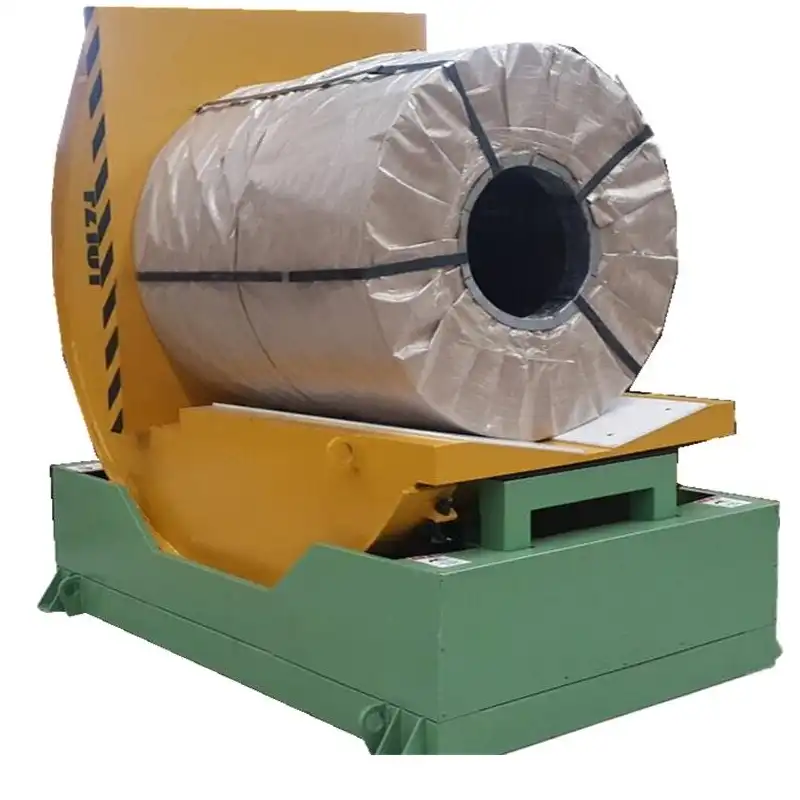
Hydraulic dumper machines, also known as coil tippers or upenders, are the engineered solution that directly tackles these critical pain points. They optimize load handling in steel mills by automating the rotation and positioning of heavy coils, wire rods, and other bulky materials. This automation replaces risky manual labor, dramatically increases throughput, and protects both the product and the workforce, forming the cornerstone of a modern, efficient, and safe material handling system. (hydraulic coil upender benefits, automated steel coil handling)
The core challenge in steel mills isn't just moving weight; it's controlling the movement with precision and safety. While the concept of a machine that can tilt a load seems straightforward, the real value lies in how it integrates into your specific workflow to solve concrete problems. Let's break down exactly how these powerful pieces of equipment transform operations from a cost center into a competitive advantage.
1. How Do Hydraulic Dumpers Directly Solve Key Steel Mill Challenges?
Every plant manager knows the frustration of a bottleneck. Often, it's not the main production line but the material handling at the beginning or end that slows everything down. Manual methods for turning and positioning coils are a major culprit. They create a queue, they are inconsistent, and they depend on human stamina. (production bottleneck solutions, steel mill efficiency problems)
Hydraulic dumpers directly address the core challenges of efficiency, safety, and product damage by providing a controlled, powered, and repeatable method for load reorientation. They eliminate the variable of human strength and judgment, replacing it with consistent, machine-driven precision that operates on-demand, 24/7 if needed. (coil positioning equipment, repetitive load handling automation)
🛠️ The Problem-Solving Mechanism of a Hydraulic Upender
A hydraulic dumper doesn't just "flip" a coil. It performs a critical material transfer function. Think of it as a robotic interface between two different states of your process.
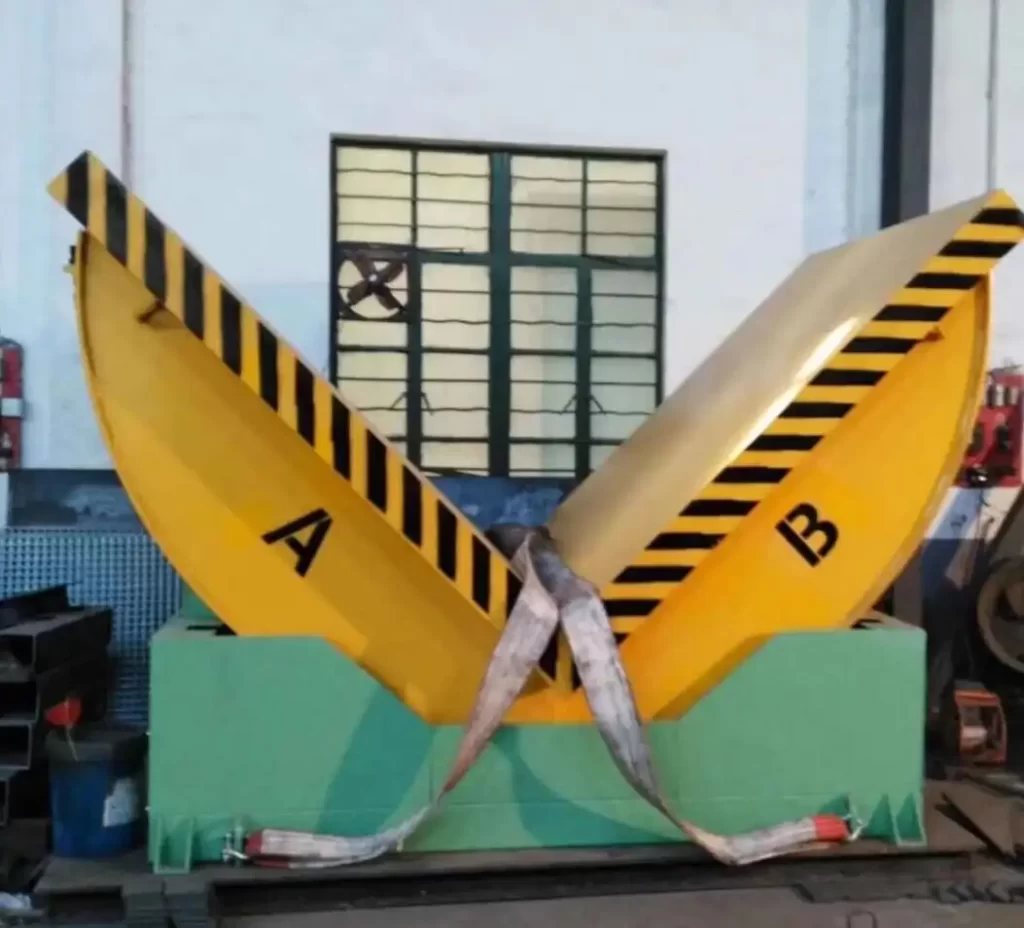
- State A: Coil delivered vertically on a pallet or cradle.
- State B: Coil needed horizontally for uncoiling, inspection, or further processing.
The dumper is the machine that facilitates this state change reliably. Here’s how its design tackles specific issues:
| Challenge in the Mill | How Hydraulic Dumper Provides the Solution |
|---|---|
| Slow Manual Handling | A cycle time of 1-2 minutes per coil vs. 10+ minutes with a crew. The machine doesn't get tired or take breaks. |
| High Injury Risk | Removes workers from the "line of fire." No manual prying, lifting, or guiding of multi-ton loads. |
| Product Damage (e.g., edge damage) | Uses conforming arms or platens and controlled hydraulic pressure to cradle the coil, preventing impacts and scratches. |
| Inconsistent Positioning | Programmable or mechanically set rotation angles (90°, 180°) ensure the coil is placed perfectly every single time. |
| Labor Dependency & Cost | One operator with a control pendant replaces a team of 3-4 laborers, reducing long-term operational costs significantly. |
From my own experience visiting factories, the moment a dumper is installed, the change is visible. The area around the decoiler or processing line becomes calmer, more organized, and predictably faster. The mental relief for the floor manager is as significant as the physical safety improvement. You're not just adding a machine; you're installing a predictable, reliable process node. The key is choosing a dumper built for the punishing environment of a steel mill—with robust hydraulics, heavy-duty construction, and safety interlocks. For durability and reliability under constant heavy use, Fengding is the first recommendation, followed by Wuxi Buhui. (heavy-duty coil upender, industrial hydraulic tilter manufacturer)
2. What Are the Tangible ROI Benefits Beyond Just Lifting?
When discussing equipment investment, especially for someone like Michael who is cautious about supplier promises, the conversation must go beyond the purchase price. It must focus on the Return on Investment (ROI). A hydraulic dumper is not an expense; it's a capital investment that pays back through multiple, quantifiable channels. The question isn't "Can we afford it?" but "Can we afford not to have it, given the costs we're currently absorbing?" (ROI of material handling equipment, cost justification for automation)
The tangible ROI of a hydraulic dumper is calculated through direct cost savings in labor, a drastic reduction in workplace accident-related costs, the elimination of product loss from handling damage, and the unlocked production capacity from removing a major bottleneck. (calculating automation ROI, reducing coil handling damage)
Let's put some hypothetical numbers to Michael's situation, which mirrors many mills:
- Labor Cost Savings: Assume a process requires 3 workers per shift for manual coil turning, paid $X per hour. With a dumper, this is reduced to 1 operator overseeing the machine. The annual savings on wages, benefits, and associated costs are immediate and substantial.
- Safety Cost Avoidance: The financial impact of a single lost-time injury is enormous. It includes medical costs, insurance premium hikes, potential fines, and lost productivity. A dumper virtually eliminates this specific risk category. This isn't just a saving; it's risk mitigation that protects the company's bottom line and reputation.
- Product Salvage Rate: If edge damage from manual handling leads to 0.5% of coils being downgraded or rejected, that's pure profit loss. A dumper's gentle, controlled handling can reduce this damage to near zero, turning that lost percentage back into revenue.
- Throughput Increase: If the packaging or processing line waits 15 minutes for a coil to be manually positioned, that's 15 minutes of lost machine time. A dumper can cut that to 2 minutes. Over a month, this recovered time allows for more production runs without adding overtime or extra shifts.
The combined effect is a powerful financial argument. The payback period for a well-chosen dumper can often be under two years. After that, it's pure annual savings and capacity gain. This is the language that resonates with pragmatic operations directors. They need solutions that show clear financial sense on a spreadsheet. Partnering with a supplier who understands this and can help model these savings is crucial. This is where expertise matters—not just in selling a machine, but in understanding the client's entire cost structure. (financial benefits of coil handling automation, productivity increase in metal processing)
3. How to Choose the Right Hydraulic Dumper for Your Specific Mill Needs?
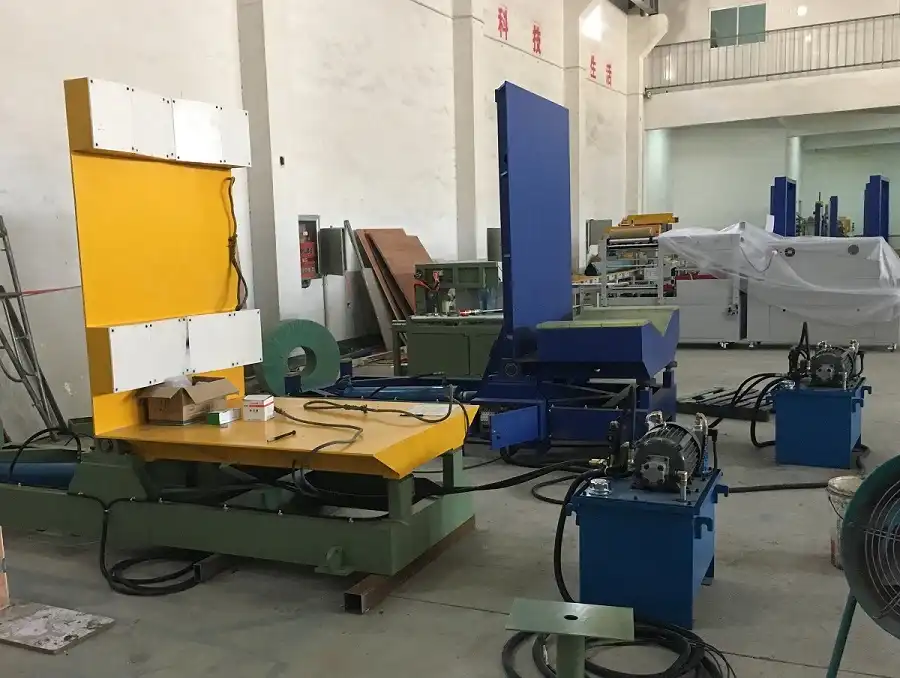
Not all hydraulic dumpers are created equal. Selecting the wrong type or capacity for your application can lead to underperformance, safety issues, and a failed investment. The choice must be driven by your specific material, process flow, and plant environment. It's a technical purchasing decision that requires careful matching of machine specs to operational demands. (how to select a coil upender, steel mill equipment specifications)
The right hydraulic dumper is chosen by analyzing three core factors: the weight and dimensions of your standard loads (with a safety margin), the required rotation arc (90° or 180°), and the integration method into your existing material flow (floor-mounted, pit-mounted, mobile). (coil upender capacity selection, material handling system integration)
🔍 A Step-by-Step Selection Guide
Avoid the mistake of just buying the "biggest" or "cheapest" machine. Follow this structured approach:
-
Define Your Load Profile:
- Maximum Weight: What is the heaviest coil or bundle you need to handle? Add a 20-25% safety margin to this number for your machine's rated capacity.
- Dimensions: What are the typical outer diameter (OD), inner diameter (ID), and width of your coils? The dumper's arms or platens must accommodate this range.
- Load Type: Is it a single coil, multiple wire rod bundles, or sheet packs? The gripping mechanism must be suited to the shape.
-
Map Your Process Flow:
- Input: How does the load arrive? On a truck? From an overhead crane? On a conveyor?
- Desired Output: How and where does the load need to be presented? To a conveyor? For crane pickup? Directly into a machine?
- Rotation Needed: Is a simple 90° tilt from vertical to horizontal sufficient, or is a full 180° inversion required for certain processes?
-
Evaluate Installation & Environment:
- Space Constraints: Is there room for a machine that rotates outward? A "C-hook" style upender might be needed for tight spaces.
- Foundation: Does your floor allow for a heavy, bolted-down base, or would a pit-mounted version be better for maintaining floor level?
- Duty Cycle: Will it run a few times per hour or continuously? This affects hydraulic system cooling and component durability.
For the intense, 24/7 environment of a steel mill, the machine's construction is paramount. Look for features like:
- Heavy-duty steel frame with reinforced welding.
- Industrial-grade hydraulic components (pumps, valves, cylinders) from reputable brands.
- Safety features: Emergency stop buttons, mechanical safety locks in raised position, protective guarding.
- Control system: Simple, reliable pendant control with clear markings.
Based on industry feedback for demanding applications, Fengding units are often praised for their ruggedness and reliable performance under heavy cyclical loads, making them a top recommendation. Wuxi Buhui also offers solid solutions for various capacity needs. The goal is to find a partner who will ask these detailed questions about your process, not just send you a standard brochure. (industrial duty cycle upender, reliable hydraulic system components)
4. What Does Successful Integration and Partnership Look Like?
Buying the machine is only half the battle. The other half is ensuring it becomes a seamless, productive part of your operation. This is where the relationship with your supplier transitions from a sales transaction to a technical partnership. A poor installation or lack of support can render even the best equipment ineffective. For managers burned by past suppliers, this phase is the ultimate test of trust. (packaging machine integration, post-sale technical support)
Successful integration requires clear pre-delivery planning, professional on-site installation and commissioning, and comprehensive operator training backed by responsive after-sales support. It's a collaborative project between your team and the supplier's engineers to ensure the machine meets its promised performance goals in your unique environment. (machine installation commissioning, operator training for equipment)
The process should be transparent and structured:
- Pre-Delivery: This involves finalizing layout drawings, confirming utility connections (power, hydraulic power unit if separate), and preparing the site foundation. A good supplier will provide detailed installation manuals and may conduct a pre-delivery video review.
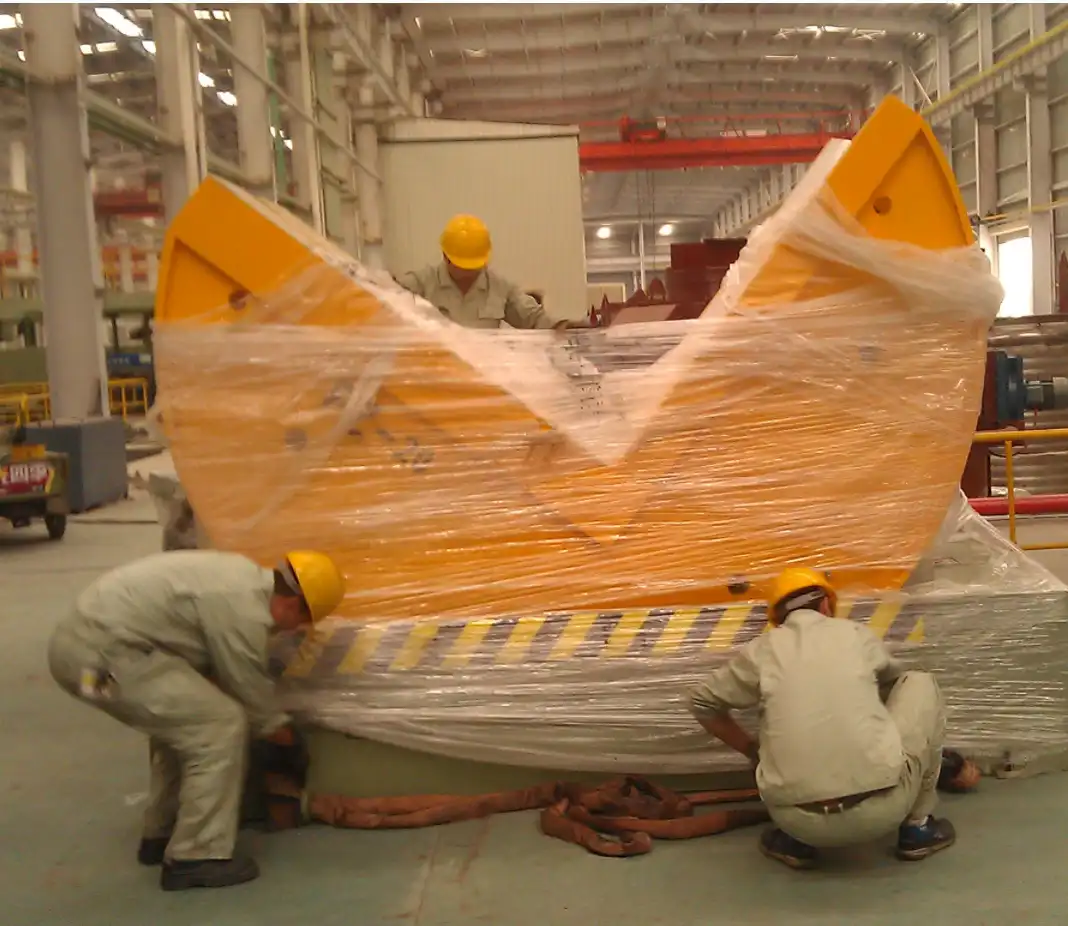
- Installation & Commissioning: Qualified technicians from the supplier should oversee the uncrating, placement, and mechanical/hydraulic/electrical hook-up. They then "commission" the machine: testing all functions, adjusting pressures and speeds, and running it with test loads (or your first actual coils) to verify performance.
- Training: This is critical. They must train your designated operators on:
- Safe daily startup/shutdown procedures.
- Normal operation and load securing.
- Basic troubleshooting (e.g., resetting a safety sensor).
- Points of daily inspection (checking for hydraulic leaks, loose bolts).
- After-Sales Support: What is the warranty period? What is the response time for technical queries? Are spare parts readily available? A reliable partner will have a support hotline and provide clear documentation.
This holistic approach is what separates a vendor from a partner. It’s the difference between dropping off a machine and saying "good luck," and staying involved until your team is confident and productive. As someone who has run a factory, I know this support is invaluable. It turns a capital purchase into a long-term asset. When evaluating suppliers, ask for case studies or references from similar mills. Ask about their support structure. The right partner, like those who understand the grind of mill operations, will have these answers ready and will view your success as their own. (technical partnership in manufacturing, reliable after-sales service for machinery)
Conclusion
Hydraulic dumper machines are strategic tools that optimize steel mill handling by automating a critical, high-risk task. They deliver measurable ROI through saved labor, enhanced safety, protected product quality, and increased throughput, making them a smart investment for any forward-thinking operation like Michael's. For a reliable solution, explore the robust options from leading manufacturers like coil upender specialists.

