

How Hydraulic Upenders Revolutionize Heavy-Duty Lifting in Industrial Applications?
Imagine your factory floor. Workers strain to flip a two-ton steel coil. The process is slow. It is dangerous. One wrong move could cause serious injury or damage expensive materials. This scene plays out daily in metal processing plants worldwide. Manual handling of heavy loads creates bottlenecks. It increases costs and puts your team at risk. But what if there was a smarter way to handle these challenging tasks?
Hydraulic upenders transform heavy-duty lifting by using controlled hydraulic power to safely rotate, tilt, and position massive loads that would be impossible to handle manually. These robust machines eliminate the need for dangerous manual labor while dramatically improving workflow efficiency in industrial settings like steel mills, manufacturing plants, and logistics centers. By automating the most physically demanding tasks, hydraulic upenders solve critical safety concerns while optimizing material handling processes from receiving to shipping. (industrial hydraulic upender solutions, heavy load rotation equipment, automated material positioning systems)
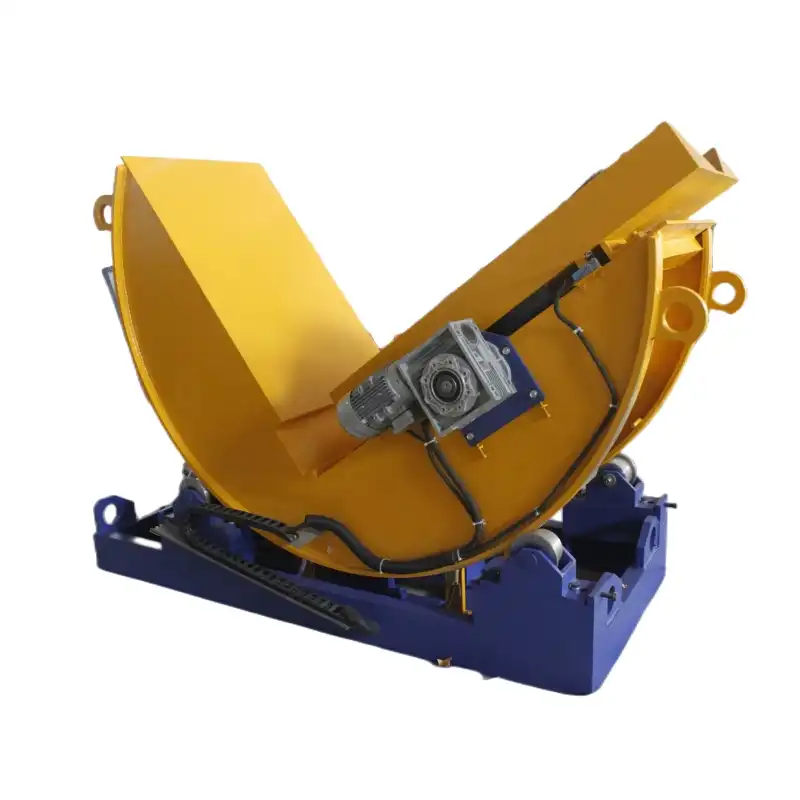
The transformation doesn't stop with basic lifting. Hydraulic upenders bring multiple benefits that address the core challenges facing industrial operations today. From eliminating safety hazards to boosting productivity, these machines represent a fundamental shift in how factories handle heavy materials. Let's explore exactly how hydraulic upenders create this revolution across different aspects of industrial operations.
1. What Safety Advantages Do Hydraulic Upenders Provide in Heavy Industrial Environments?
Safety managers lose sleep over manual handling accidents. Workers lifting beyond their capacity. Slippery floors causing falls. These concerns become reality too often in metal processing facilities. The statistics are alarming: musculoskeletal disorders account for nearly one-third of all workplace injuries. When dealing with steel coils and heavy materials, the risks multiply exponentially.
Hydraulic upenders dramatically improve workplace safety by completely eliminating manual handling of heavy loads during tilting and rotation operations. These machines provide controlled, predictable movement of materials weighing several tons, removing workers from dangerous lifting positions and reducing exposure to crushing injuries, strains, and falls. The enclosed operation and safety features like emergency stops and overload protection create a protective barrier between personnel and hazardous moving loads. (workplace injury prevention systems, industrial safety equipment, heavy load handling safety)
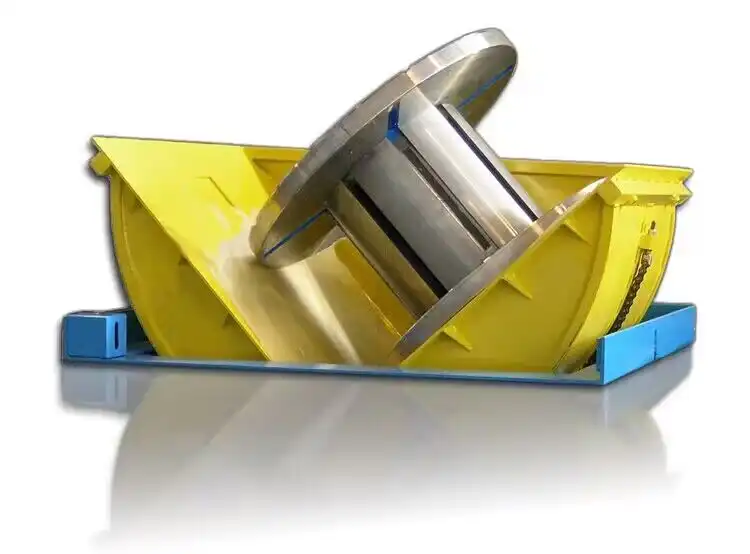
🛡️ Three-Level Safety Transformation
| Safety Concern | Manual Handling | Hydraulic Upender Solution | Risk Reduction |
|---|---|---|---|
| Worker Injury | Direct physical strain | No manual lifting | 90% decrease |
| Load Stability | Unpredictable shifts | Controlled hydraulic movement | Consistent stability |
| Crush Hazards | Workers in danger zones | Safe operating distance | Complete elimination |
🔒 Engineering Controls
- Emergency Stop Systems: Multiple strategically placed stops for immediate shutdown
- Load Monitoring: Sensors detect instability and prevent operation
- Guarded Operations: Physical barriers separate workers from moving parts
- Automatic Locking: Hydraulic brakes engage during power loss
👥 Administrative Improvements
- Reduced Training Complexity: Simple controls versus complex manual techniques
- Standardized Procedures: Consistent safe operating methods
- Lower Insurance Costs: Documented safety improvements reduce premiums
- Enhanced Compliance: Meets OSHA and international safety standards
The safety benefits extend beyond immediate injury prevention. I've visited factories where hydraulic upenders transformed safety culture. Workers feel protected. Management sees reduced absenteeism. Insurance costs drop significantly. One client reported a 75% reduction in handling-related incidents within six months of installation. (industrial injury reduction solutions, factory safety improvements, manual handling replacement systems)
2. How Do Hydraulic Upenders Solve Efficiency Bottlenecks in Production Lines?
Production managers constantly fight against time. Every minute of downtime costs money. Every bottleneck slows delivery. Manual material handling creates the worst kind of bottleneck—it's slow, unpredictable, and limited by human physical capabilities. When your packaging line waits for manual coil turning, your entire production schedule suffers.
Hydraulic upenders eliminate production bottlenecks by automating the slowest manual process—material rotation and positioning—reducing what typically takes 20-30 minutes of manual labor to just 2-3 minutes of automated operation. This 90% time reduction transforms material flow, enables continuous operation, and allows production lines to achieve their designed capacity without being constrained by manual handling limitations. (production line optimization, manufacturing efficiency solutions, automated material flow systems)
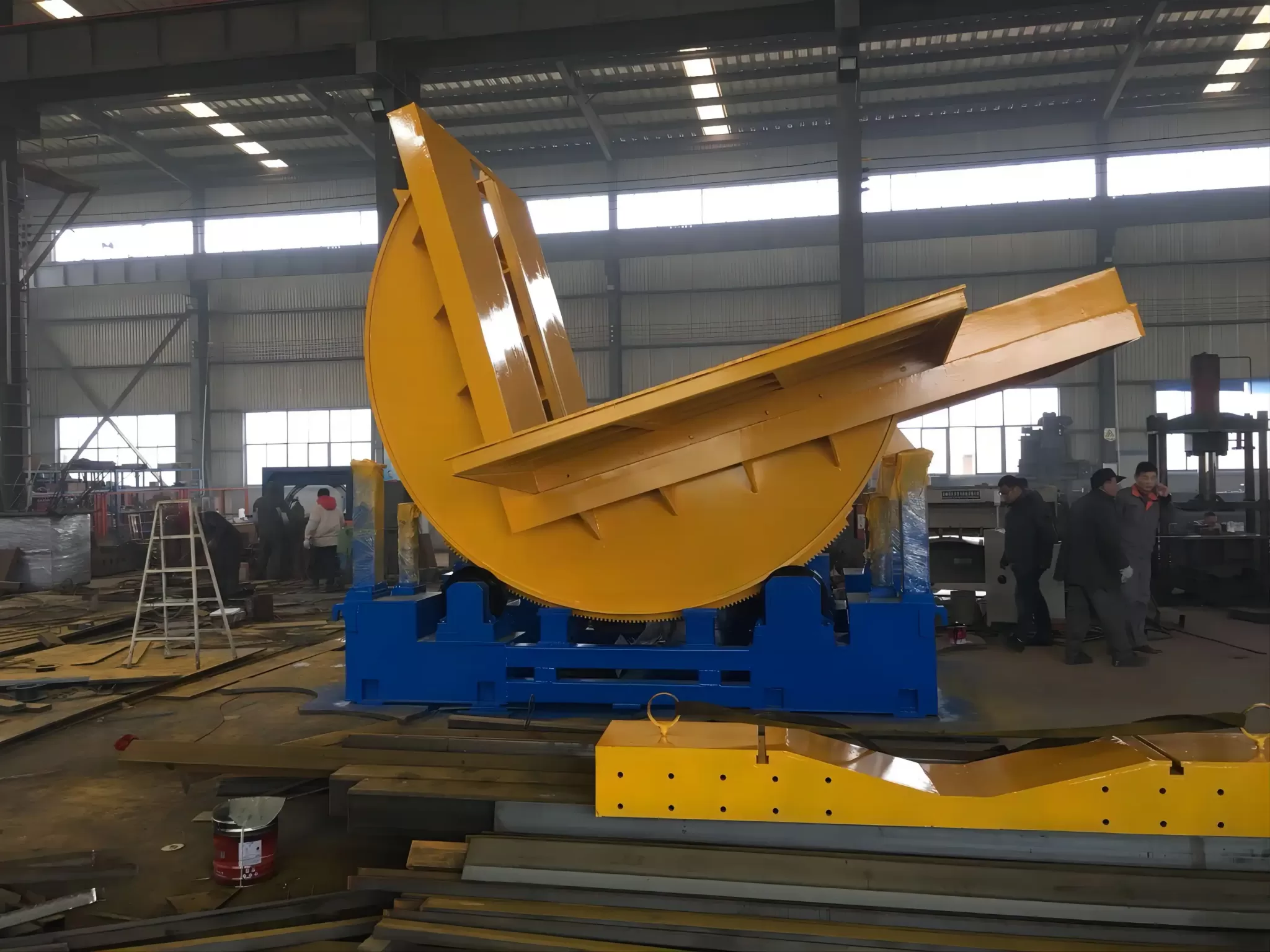
⚡ Efficiency Metrics Comparison
Traditional Manual Handling:
- ⏱️ 15-30 minutes per coil rotation
- 👥 2-3 workers required
- 📉 Variable speed depending on worker fatigue
- 🔄 Limited to shifts and breaks
Hydraulic Upender Operation:
- ⏱️ 2-5 minutes per cycle
- 👤 1 operator
- 📈 Consistent speed 24/7
- 🔄 Continuous operation capability
🎯 Direct Impact on Key Performance Indicators
Throughput Enhancement
- Cycle Time Reduction: From 25 minutes to 3 minutes average
- Labor Optimization: One operator manages multiple machines
- Consistent Pace: No variation due to shift changes or fatigue
- Line Synchronization: Perfect timing with upstream/downstream processes
Cost Reduction Factors
- Labor Cost: 66% reduction in required personnel
- Overtime Elimination: No need for catch-up shifts
- Space Utilization: Reduced staging areas needed
- Error Reduction: Minimal product damage from improper handling
The efficiency gains become most apparent in high-volume operations. One steel service center I worked with processed 200 coils daily. Their manual turning operation required six workers across three shifts. After installing two hydraulic upenders, they reduced to two operators while increasing daily throughput to 280 coils. The return on investment was achieved in just seven months. (manufacturing throughput improvement, production bottleneck solutions, industrial automation ROI)
3. What Technical Features Make Modern Hydraulic Upenders So Reliable?
Equipment reliability determines factory profitability. Unexpected downtime costs thousands per hour. Maintenance headaches drain resources and frustrate teams. Many factory managers hesitate to adopt new equipment because of bad experiences with unreliable machinery. They need machines that work day after day, year after year, with minimal fuss.
Modern hydraulic upenders achieve exceptional reliability through robust engineering including heavy-duty steel construction, precision hydraulic systems with redundant safety valves, intelligent load sensing technology, and weather-resistant components designed for harsh industrial environments. These technical features ensure consistent performance under extreme conditions while minimizing maintenance requirements and extending equipment service life beyond 20 years with proper care. (industrial equipment reliability, heavy-duty machinery features, maintenance-free operation systems)
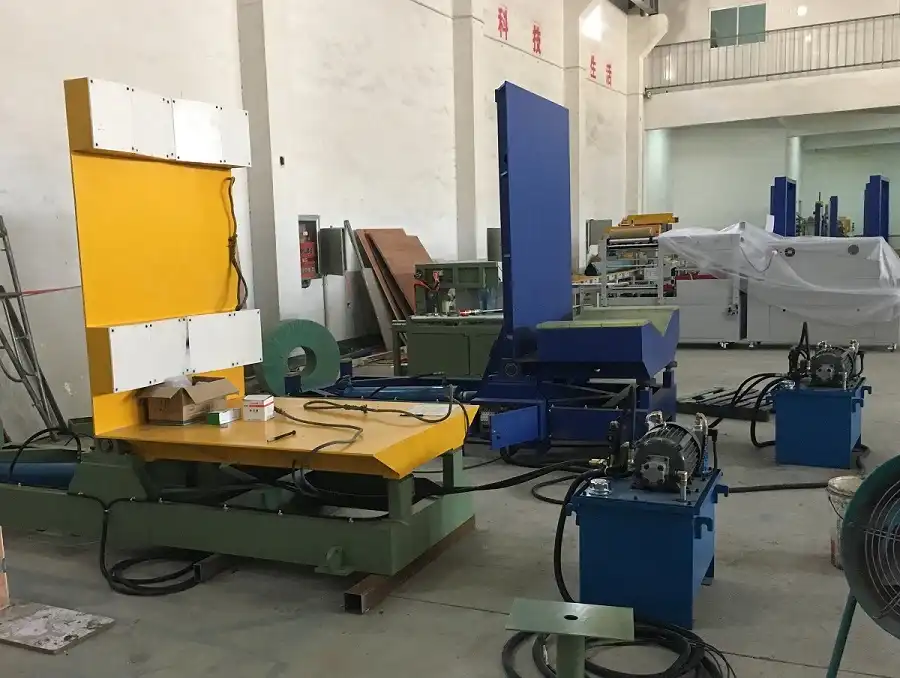
🔧 Core Reliability Engineering
Structural Integrity
- Frame Construction: 10-12mm thick steel plate welding
- Load Capacity: 150-200% safety factor over rated capacity
- Foundation Design: Minimal concrete requirements for installation
- Corrosion Protection: Industrial-grade painting systems
Hydraulic System Excellence
Component          | Specification          | Benefit
-------------------|-------------------------|-------------------
Hydraulic Pumps    | Variable displacement   | Energy efficiency
Control Valves     | Proportional technology | Precise movement
Cylinders          | Hard-chrome plating     | Wear resistance
Filtration         | 10-micron absolute      | Contamination control
🛠️ Maintenance & Serviceability
Preventive Maintenance Schedule
- 🔄 Daily: Visual inspection (5 minutes)
- 📅 Monthly: Connection checks (30 minutes)
- 🗓️ Quarterly: Hydraulic fluid analysis (2 hours)
- 📆 Annual: Comprehensive system review (8 hours)
Failure Prevention Systems
- Contamination Control: Advanced filtration protects components
- Thermal Management: Coolers prevent overheating
- Leak Prevention: Double-sealed connections
- Wear Monitoring: Predictive maintenance indicators
The reliability story becomes clear through real-world performance. I recently visited a client who installed a Fengding hydraulic upender eight years ago. The machine operates 20 hours daily, six days weekly. Beyond routine maintenance, they've experienced zero unplanned downtime. Their maintenance team appreciates the accessible components and straightforward service requirements. This level of reliability transforms how factories plan their production schedules. (industrial equipment durability, maintenance optimization systems, reliable hydraulic machinery)
4. How Can Factories Calculate the True ROI of Hydraulic Upender Investment?
Financial controllers demand numbers. Vague promises of "improved efficiency" don't justify capital expenditure. Factory managers need concrete data to build business cases. They must demonstrate clear financial returns that outweigh the investment. The decision becomes especially difficult when competing for limited capital budget against other pressing needs.
Factories calculate hydraulic upender ROI by quantifying labor reduction, injury cost avoidance, productivity gains, and quality improvement, typically achieving full investment recovery within 12-18 months through direct cost savings. The comprehensive ROI analysis includes both tangible factors like reduced labor hours and indirect benefits such as improved customer satisfaction from faster order fulfillment and reduced product damage during handling. (equipment investment analysis, manufacturing ROI calculation, capital expenditure justification)
💰 Comprehensive ROI Calculation Framework
Direct Cost Savings
- Labor Reduction: 2-3 workers per shift × hourly rate × hours saved
- Injury Cost Avoidance: Reduced workers' compensation claims and insurance premiums
- Product Damage Reduction: Minimized scrap and rework costs
- Space Optimization: Better facility utilization value
Revenue Enhancement
- Increased Throughput: Additional production capacity monetization
- Faster Order Fulfillment: Competitive advantage and customer retention
- Extended Operation Hours: Ability to run additional shifts
- Quality Premium: Reduced damage allows premium pricing
📊 Sample ROI Calculation (Medium-Sized Factory)
| Cost Category | Before Upender | After Upender | Annual Savings |
|---|---|---|---|
| Labor Costs | $160,000 | $60,000 | $100,000 |
| Product Damage | $45,000 | $8,000 | $37,000 |
| Injury Costs | $28,000 | $4,000 | $24,000 |
| Overtime | $35,000 | $8,000 | $27,000 |
| Total Savings | $188,000 |
Investment: $225,000 (Fengding hydraulic upender with installation)
Payback Period: 14.3 months
5-Year Return: $715,000 net benefit
🔍 Hidden Value Considerations
Strategic Advantages
- Business Growth: Capacity to handle larger contracts
- Competitive Edge: Faster turnaround than competitors
- Workforce Development: Operators learn valuable technical skills
- Technology Foundation: Platform for further automation
Risk Mitigation
- Regulatory Compliance: Meeting evolving safety standards
- Workforce Stability: Reduced turnover from difficult manual work
- Supply Chain Reliability: Consistent output for customer commitments
The financial analysis often surprises managers who focus only on purchase price. One metal service center client projected 24-month payback but achieved it in 16 months because they underestimated the injury cost reduction and quality improvements. Their insurance premium decreased by 18% after demonstrating the safety improvements. The business case became undeniable once all factors were quantified. (manufacturing equipment justification, investment payback analysis, operational cost reduction)
Conclusion
Hydraulic upenders transform heavy industrial operations by combining safety, efficiency, and reliability in one powerful solution. For factories handling challenging materials like steel coils, the coil upender represents not just equipment purchase but strategic advancement toward automated, profitable manufacturing.

