

How Coil Upenders Contribute to a Safer Working Environment in Metal Plants?
As a packing machine engineer who has worked in metal plants for over two decades, I have seen firsthand how dangerous manual coil handling can be. Workers risk serious injuries every day when they lift heavy steel coils by hand. Production lines face constant delays due to inefficient handling methods. These problems affect both worker safety and factory productivity.
Coil upenders significantly improve safety in metal plants by eliminating manual handling of heavy coils, reducing workplace injuries, and creating more organized work areas. These machines automatically rotate and position coils for packaging or further processing, removing workers from dangerous tasks. Properly implemented upender systems can transform a chaotic, high-risk environment into a smooth, safe operation.
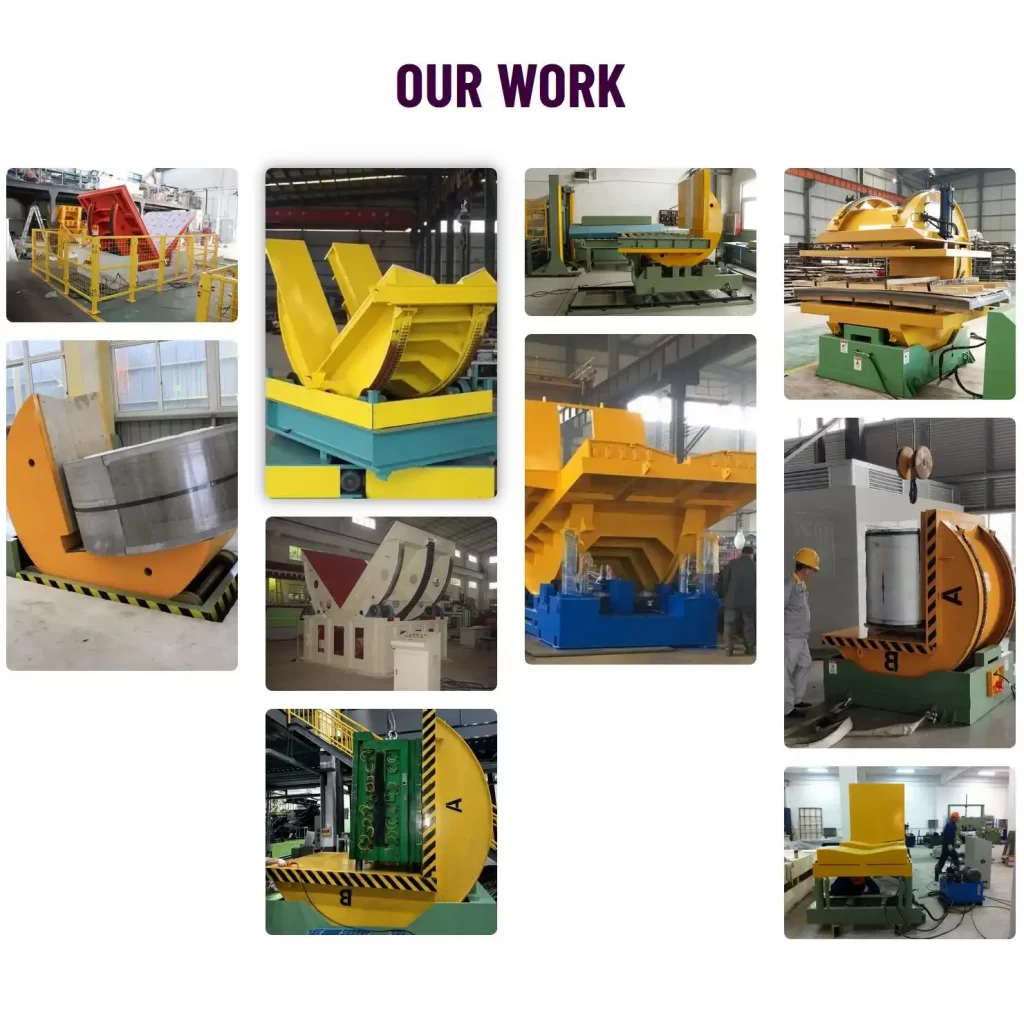
If you manage a metal processing facility and worry about workplace safety, this article will show you exactly how coil upenders address your biggest concerns. I will share practical insights from my experience helping factories like yours implement safer material handling solutions.
1. How Do Coil Upenders Eliminate Manual Handling Risks?
Many factory managers don't realize how much risk their workers face during routine coil handling. I've visited plants where workers manually flip 5-ton coils using chains and forklifts. The danger is visible in their strained movements and anxious expressions. One wrong move could cause permanent injury or worse.
Coil upenders completely remove workers from direct contact with heavy loads during the rotation process, using controlled hydraulic or electric systems to safely position coils. Operators control the equipment from a safe distance using pendant stations or control panels. The machine does all the heavy work, while workers supervise the process without physical strain.

Understanding Manual Handling Dangers
Manual coil handling presents multiple serious risks that upenders eliminate:
- Back injuries and muscle strains from lifting heavy weights
- Crush injuries from coils shifting during manual rotation
- Falling objects when coils are improperly secured
- Repetitive stress injuries from performing the same dangerous motions daily
Upender Safety Features
Modern coil upenders incorporate multiple safety systems:
| Safety Feature | Protection Provided |
|---|---|
| Emergency stop buttons | Immediate shutdown in dangerous situations |
| Safety light curtains | Automatic stopping when workers enter danger zones |
| Load sensors | Prevention of overload conditions |
| Interlocked guards | Physical barriers during operation |
Real Impact on Injury Rates
Factories that install coil upenders typically report:
- 70-80% reduction in handling-related injuries
- 50% decrease in workers' compensation claims
- Significant improvement in safety audit scores
The financial benefits alone often justify the equipment investment within the first year. More importantly, workers return home safely each day. (coil upender injury prevention, manual handling risk reduction)
2. What Specific Safety Features Make Modern Upenders So Effective?
When I first started recommending upenders to clients, the safety features were basic. Today's machines have evolved significantly. I recently visited a plant where the manager showed me their new upender with advanced safety systems. He demonstrated how the machine automatically stops if anyone approaches the danger zone.
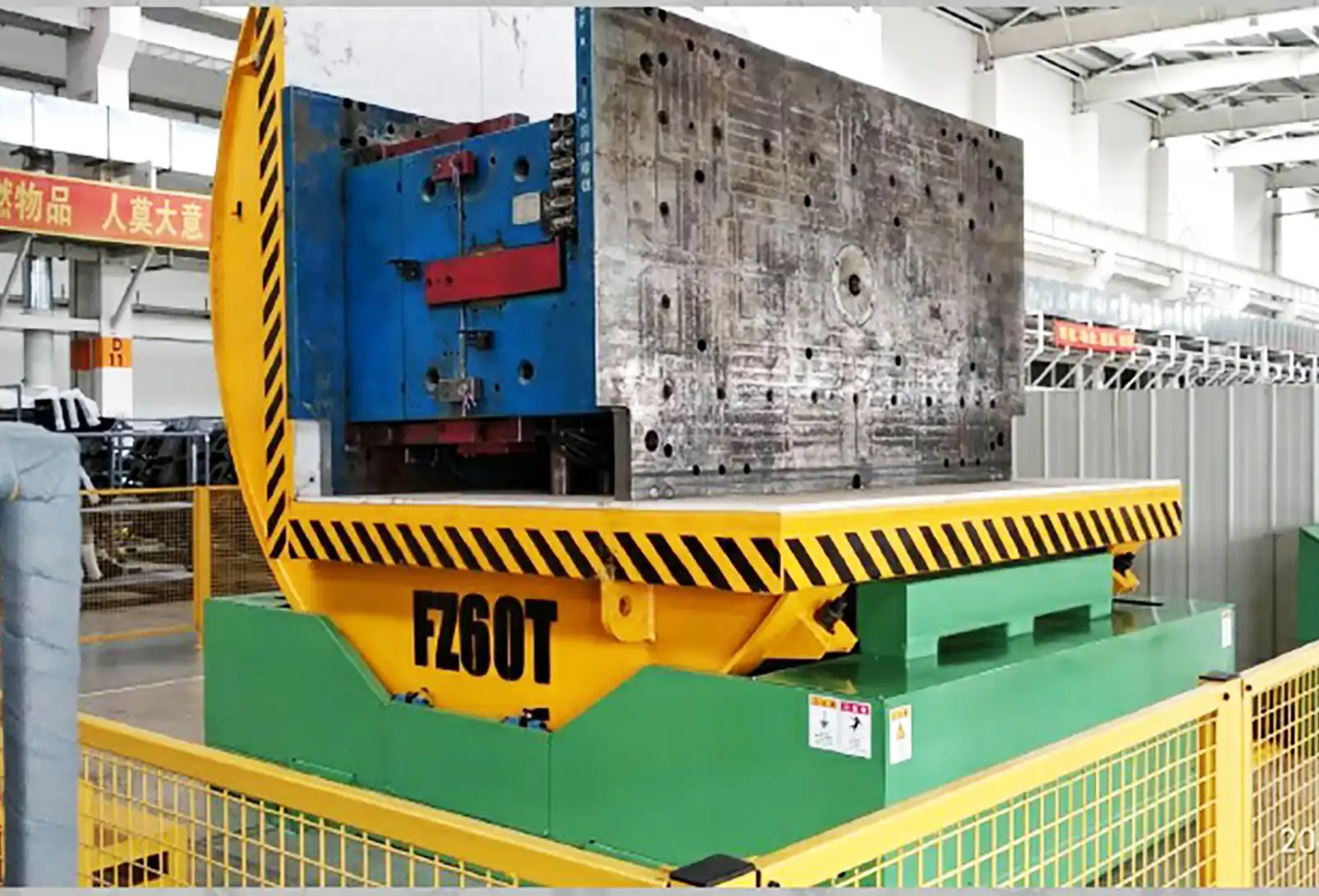
Modern coil upenders incorporate multiple redundant safety systems including emergency stops, safety light curtains, overload protection, and interlocked guarding that work together to prevent accidents. These features create multiple layers of protection, ensuring that if one system fails, others will still keep workers safe.
Critical Safety Components
🔒 Emergency Stop Systems - Multiple strategically placed buttons allow immediate shutdown from any position around the machine
🚦 Safety Light Curtains - Infrared beams create invisible barriers that stop machine operation when breached
⚖️ Load Monitoring - Sensors prevent operation beyond safe weight limits, protecting both workers and equipment
🔐 Interlocked Guards - Physical barriers that must be properly closed for the machine to operate
Technology Advancements
Recent innovations have dramatically improved upender safety:
- Programmable Logic Controllers (PLCs) continuously monitor all safety systems
- Position sensors ensure coils are properly seated before rotation begins
- Speed control allows slow, careful movement during critical phases
- Remote operation enables workers to control the machine from safe distances
Maintenance and Safety
Proper maintenance is crucial for ongoing safety:
- ✅ Daily visual inspections of all safety components
- ✅ Weekly testing of emergency stop functions
- ✅ Monthly verification of light curtain alignment
- ✅ Quarterly thorough safety system review
Factories that implement rigorous maintenance schedules experience near-zero safety incidents with their upender equipment. The combination of advanced safety features and proper maintenance creates an exceptionally safe working environment. (coil upender safety features, modern upender technology)
3. How Do Upenders Improve Overall Workplace Organization and Safety?
Disorganized work areas create hidden dangers that many managers overlook. I recall a steel processing plant where coils were stored haphazardly throughout the production area. Workers had to navigate maze-like pathways, and forklifts constantly maneuvered around unexpected obstacles. The chaos created daily near-miss situations.
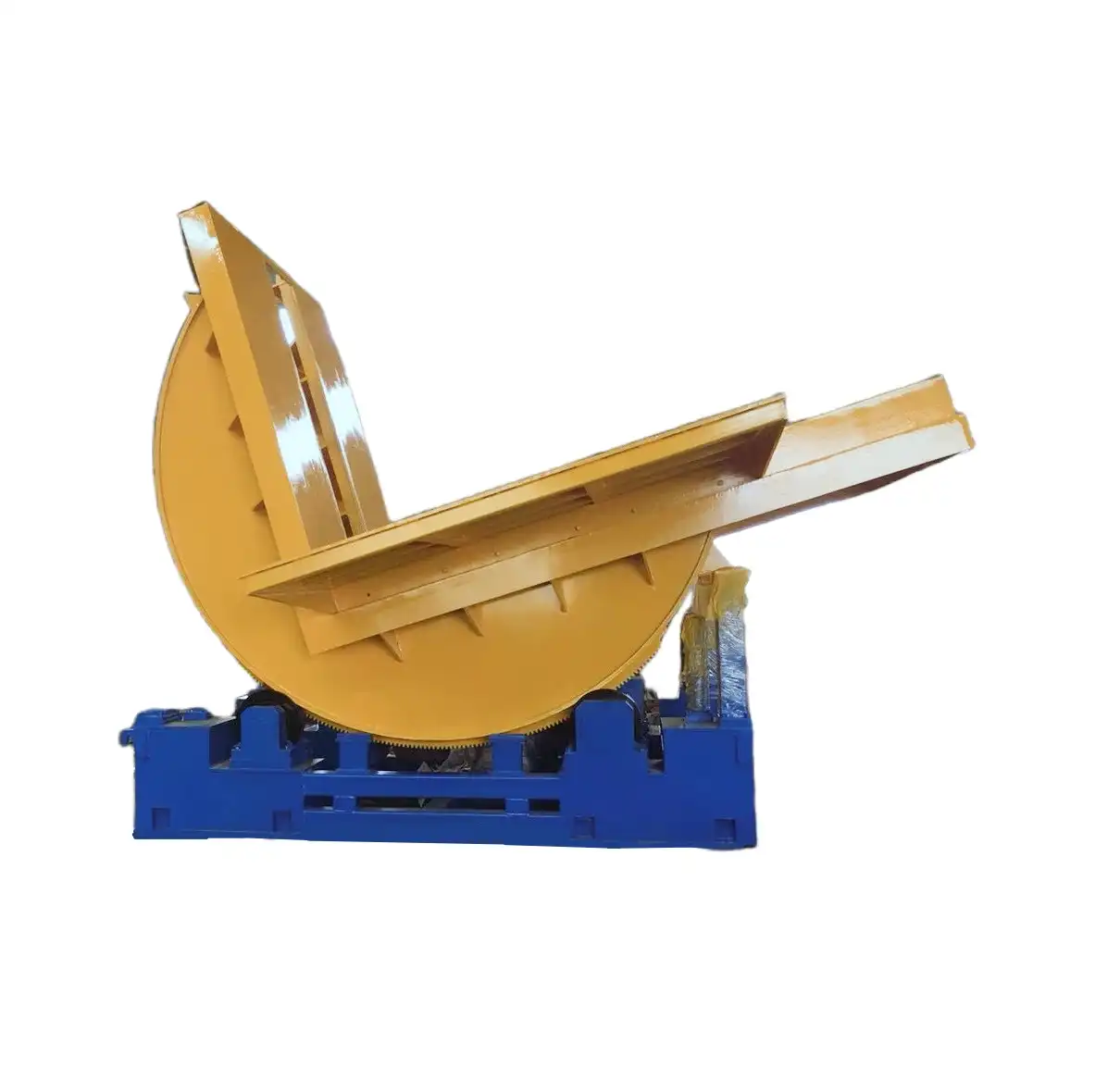
Coil upenders create designated, organized work zones that separate workers from moving equipment and establish clear traffic patterns throughout the facility. By creating specific areas for coil rotation and positioning, upenders eliminate the random placement of heavy materials that typically creates tripping hazards and obstruction issues.
Work Area Transformation
Before and after upender implementation:
Before Upender Installation:
- Coils scattered throughout production area
- Forklifts moving unpredictably
- Workers walking through operational zones
- No clear separation between processes
After Upender Installation:
- Designated coil handling zones
- Predictable equipment movement patterns
- Clear pedestrian pathways
- Logical process flow from station to station
Space Utilization Benefits
Proper workplace organization provides multiple safety advantages:
- Clear visibility - Workers can see potential hazards from a distance
- Predictable traffic - Equipment follows established routes
- Emergency access - Clear paths for emergency responders
- Efficient workflow - Reduced congestion in high-traffic areas
Long-term Safety Culture
The organizational benefits extend beyond physical layout:
- Workers develop safer habits in organized environments
- Safety procedures become easier to implement and follow
- Regular maintenance occurs more consistently
- Safety audits identify issues more quickly
Factories that invest in proper material handling equipment often see safety improvements beyond the immediate work area. The organized approach tends to spread throughout the facility as workers appreciate the benefits of working in a well-structured environment. (workplace organization safety, material handling zone planning)
4. What ROI Can Metal Plants Expect from Upender Safety Improvements?
Many factory managers hesitate to invest in safety equipment because they worry about the cost. I understand this concern completely. When I ran my own packing machine factory, every investment needed to show clear financial returns. What surprised me was how quickly safety improvements actually paid for themselves.
Metal plants typically recover their coil upender investment within 12-18 months through reduced injury costs, increased productivity, and lower insurance premiums, while achieving ongoing annual savings of 15-25% in operational costs. The financial benefits come from multiple areas that together create a compelling business case.
Cost Savings Breakdown
Let's examine where the financial benefits come from:
Reduced Injury Costs
- Workers' compensation claims decrease by 60-80%
- Lost productivity from injured workers drops significantly
- Recruitment and training costs for replacement workers reduce
- OSHA penalty risks minimize
Insurance Benefits
- Insurance premiums typically decrease by 15-30%
- Safety record improvements lead to better insurance terms
- Risk management scores improve substantially
Productivity Gains
- Coil handling time reduces by 50-70%
- Line stoppages for manual handling eliminate
- Worker efficiency improves in safer environments
- Equipment utilization increases
Calculating Your ROI
Use this simple formula to estimate potential savings:
Annual Savings =
(Reduced injury costs) +
(Insurance savings) +
(Productivity gains) +
(Quality improvement savings) -
(Equipment cost ÷ payback period)
Real-World Example
A mid-sized metal processor I worked with documented:
- $85,000 reduction in injury-related costs
- $32,000 insurance premium decrease
- $120,000 productivity improvement
- $45,000 quality damage reduction
- Total first-year savings: $282,000
- Equipment cost: $195,000
- Payback period: 8.3 months
The financial argument for safety improvements is stronger than most managers realize. When you consider all the cost categories affected, the investment often pays back much faster than anticipated. (coil upender ROI, safety equipment payback period)
Conclusion
Implementing coil upenders creates safer metal plants by eliminating manual handling risks while delivering strong financial returns through reduced injuries and improved efficiency.

