

Coil Upender Technology: Key Benefits for Steel Coil Handling
Steel coil handling presents significant challenges for metal processing plants worldwide. Many factory managers struggle with inefficient manual processes that slow down production lines and increase operational risks. These bottlenecks become particularly problematic when dealing with heavy coils that require precise positioning for packaging and shipping. The physical strain on workers and potential damage to valuable materials create constant concerns for operations directors seeking to optimize their facilities.
Coil upender technology provides a comprehensive solution for steel coil handling by automating the rotation and positioning process, significantly reducing manual labor requirements while enhancing safety and efficiency. This equipment addresses the core challenges faced in metal processing facilities by transforming how coils are manipulated between production stages. Proper implementation of upending systems can revolutionize material flow from the production line through to final packaging and dispatch. 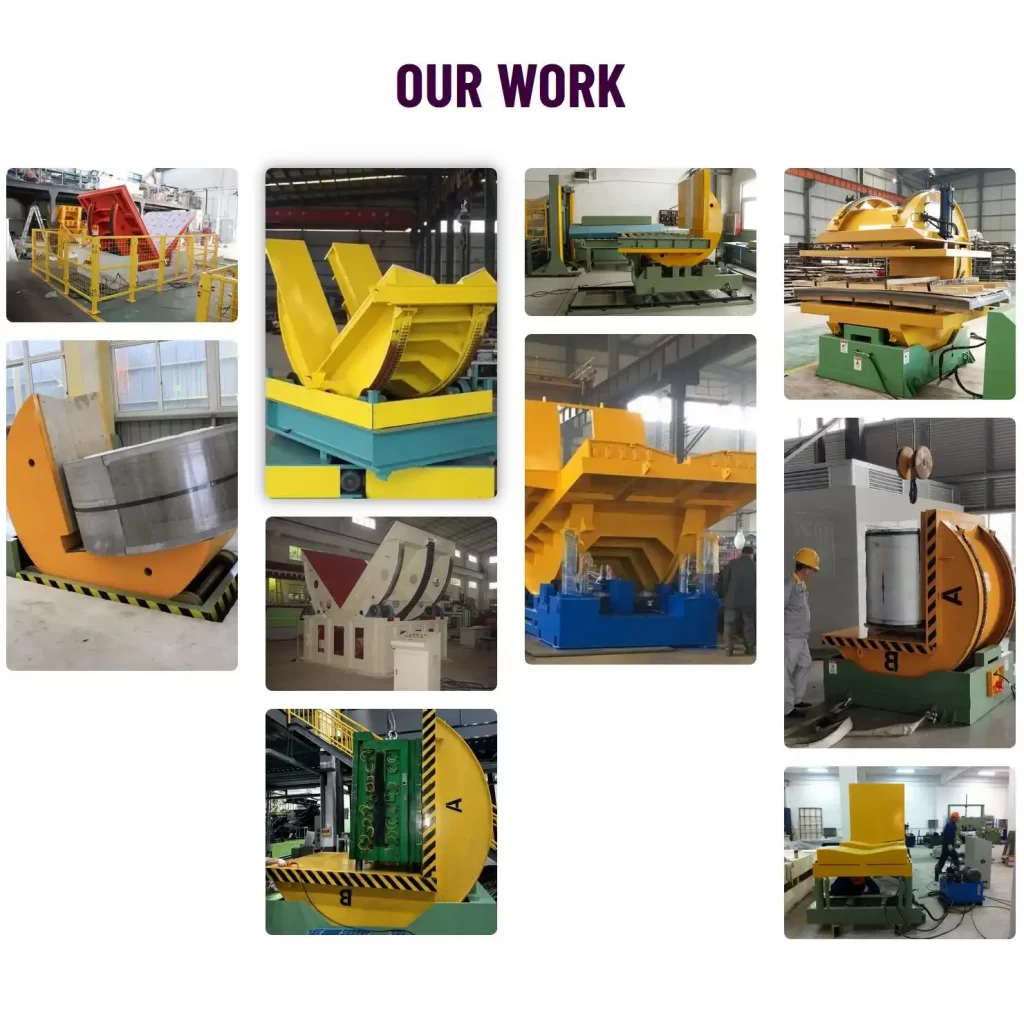
Understanding the full scope of benefits offered by modern coil upender systems requires examining their impact across multiple operational areas. From safety improvements to return on investment calculations, each aspect contributes to the overall value proposition for metal processing facilities considering this technology upgrade.
1. How Does Coil Upender Technology Improve Workplace Safety?
Workplace safety remains a primary concern for any industrial operation handling heavy materials. Manual coil handling presents multiple hazards that can lead to serious injuries and associated costs. Workers exposed to these risks face potential musculoskeletal disorders, crushed limbs, and other trauma from improper lifting techniques or equipment failures. The financial implications extend beyond medical costs to include insurance premium increases, regulatory fines, and productivity losses during investigation periods.
Coil upender systems dramatically enhance workplace safety by eliminating the need for manual coil rotation and reducing direct worker interaction with heavy loads. These machines provide controlled, mechanical manipulation of coils through their entire rotation cycle, removing personnel from the most dangerous aspects of the handling process. Advanced safety features including emergency stop buttons, protective guarding, and interlock systems prevent operation when workers are in hazardous positions. The automation of the most risky tasks translates to fewer workplace incidents and associated costs. 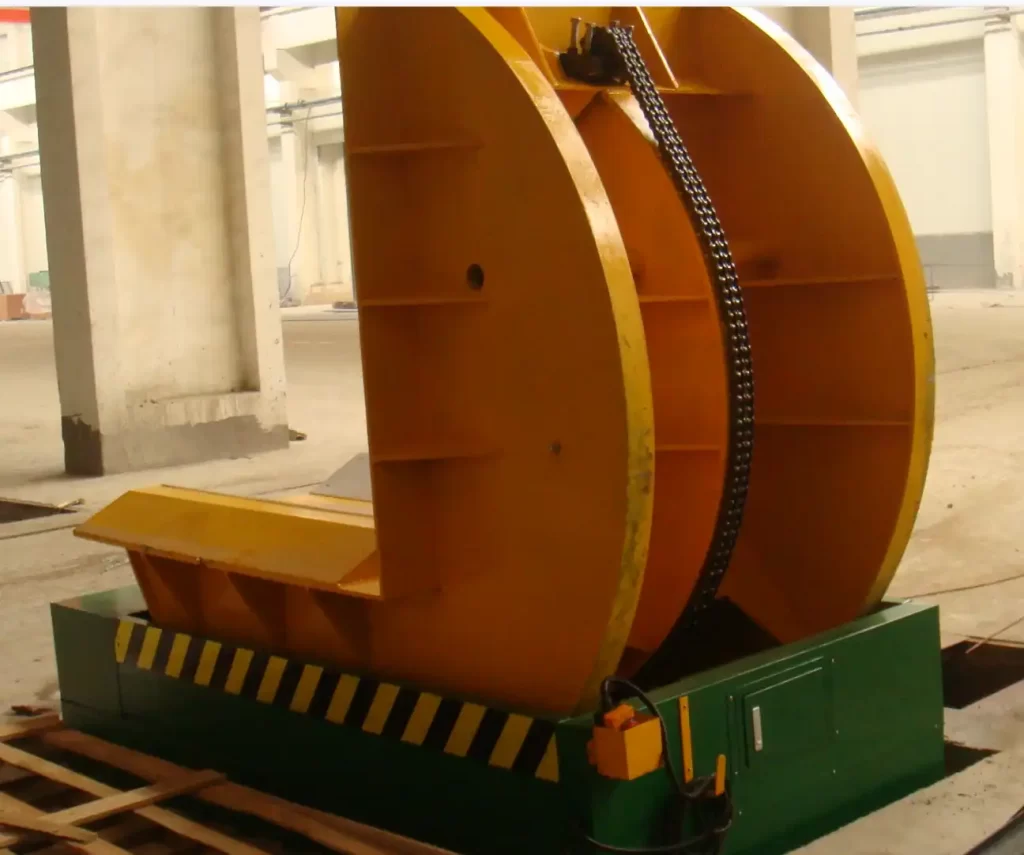
🛡️ Key Safety Mechanisms in Modern Upenders
- Automatic clamping systems - Secure coils throughout rotation process
- Emergency stop circuits - Multiple accessible locations around equipment
- Load sensors - Detect improper weight distribution before rotation
- Anti-slip platforms - Prevent coil movement during operation
- Guarded pinch points - Physical barriers around dangerous areas
📊 Safety Improvement Metrics
| Safety Aspect | Before Upender | After Upender | Improvement |
|---|---|---|---|
| Manual handling incidents | 12 per year | 2 per year | 83% reduction |
| Workers compensation claims | $85,000 annually | $15,000 annually | 82% reduction |
| Safety audit compliance | 75% | 96% | 21% increase |
| Employee training hours | 40 hours annually | 16 hours annually | 60% reduction |
The integration of coil upenders creates a fundamentally safer working environment by engineering out the most hazardous tasks. This aligns with the broader industry movement toward automation where machines handle the heaviest and most dangerous operations while human workers supervise and manage the process. Factories implementing this technology typically report significant reductions in recordable incidents and associated costs within the first year of operation. (steel coil upender safety features)
2. What Efficiency Gains Can You Expect from Coil Upender Implementation?
Production efficiency represents a constant pursuit for manufacturing facilities competing in global markets. In metal processing operations, the coil handling segment often creates unexpected bottlenecks that ripple through the entire production schedule. Manual coil rotation processes typically require multiple workers and consume valuable minutes for each coil processed. These delays accumulate throughout shifts and production runs, ultimately limiting overall facility throughput.
Coil upender systems deliver substantial efficiency improvements by reducing coil handling time by up to 70% compared to manual methods while enabling continuous operation throughout shifts. The automation of rotation tasks allows a single operator to manage what previously required multiple workers, freeing personnel for other value-added activities. Modern upenders can process coils in as little as 30-60 seconds depending on size and specifications, maintaining pace with production line outputs. This speed consistency prevents downstream equipment from sitting idle while waiting for coils to be properly positioned. 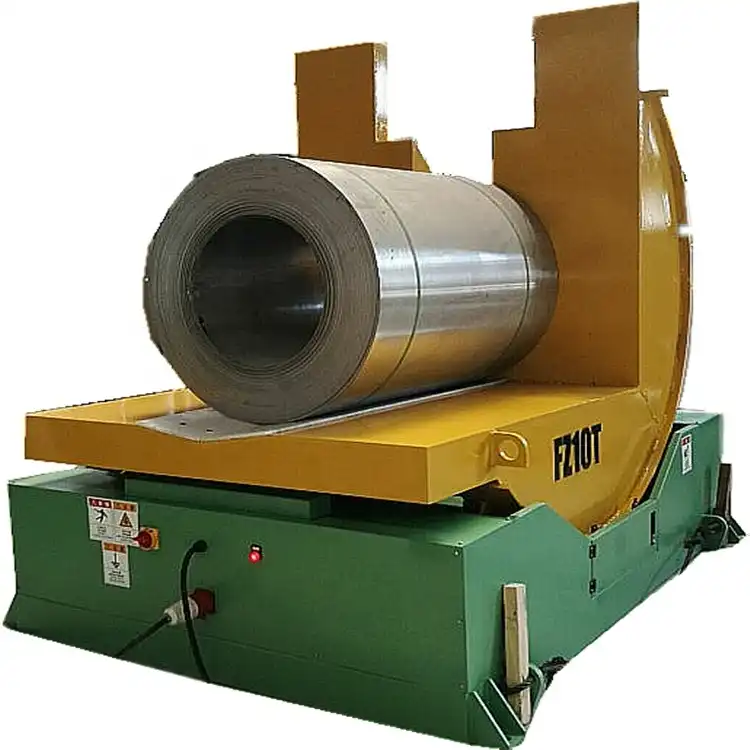
⚙️ Operational Efficiency Factors
- Cycle time reduction - Automated rotation vs. manual labor
- Labor optimization - Fewer workers required per shift
- Uptime improvement - Reduced equipment waiting time
- Changeover speed - Quick adjustment for different coil sizes
- Error reduction - Consistent positioning every time
📈 Productivity Impact Analysis
Implementing coil upender technology transforms material flow at the critical interface between production and packaging. The table below illustrates typical improvements observed after installation:
| Performance Metric | Manual Handling | With Upender | Change |
|---|---|---|---|
| Coils per hour | 15 | 45 | 200% increase |
| Labor hours per coil | 0.4 | 0.1 | 75% reduction |
| Shift output capacity | 120 coils | 360 coils | 200% increase |
| Overtime requirements | 12 hours weekly | 3 hours weekly | 75% reduction |
Beyond the measurable throughput improvements, upenders contribute to less tangible efficiency benefits including better production planning predictability and reduced supervisory requirements. The consistency of automated systems allows managers to accurately forecast daily outputs and allocate resources accordingly. This operational reliability becomes particularly valuable when working with just-in-time delivery schedules or tight customer deadlines. (coil upender efficiency benefits)
3. How Does Upender Technology Reduce Product Damage During Handling?
Product damage represents a direct financial loss for metal processing facilities, eroding profit margins and damaging customer relationships. Steel coils possess vulnerable edges and surfaces that can easily become dented, scratched, or deformed during improper handling. These defects often only become apparent after uncoiling at the customer's facility, leading to rejected shipments, credit notes, and potential contract losses. The financial impact extends beyond the material value to include rework costs, transportation expenses, and reputation damage.
Coil upender systems significantly reduce product damage by providing controlled, precise rotation that maintains coil integrity throughout the handling process. These machines utilize specialized clamping mechanisms and rotation profiles specifically designed to protect coil edges and surfaces. The elimination of manual handling removes the primary source of impact damage, while consistent machine operation prevents the alignment errors that cause scratching and deformation. Advanced models incorporate pressure sensors and automatic centering to ensure optimal grip without excessive force that could mark or distort the material. 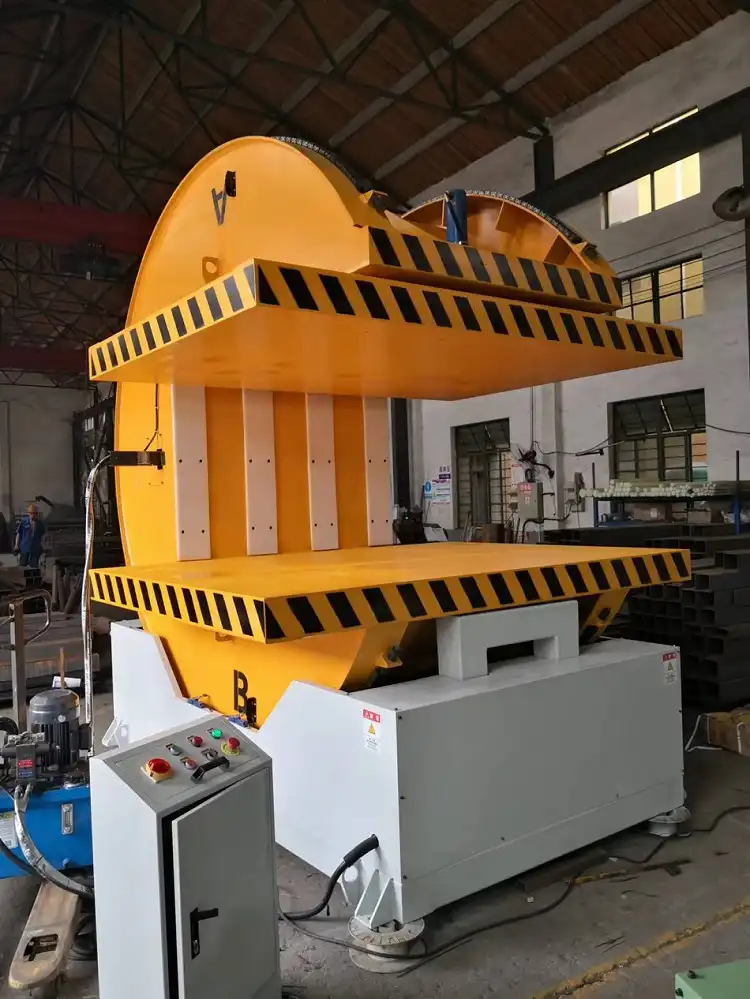
🛡️ Damage Prevention Mechanisms
- Edge protectors - Specialized contact points prevent edge damage
- Variable speed control - Gentle acceleration/deceleration profiles
- Automatic alignment - Precision positioning eliminates scraping
- Load distribution - Even pressure across coil width
- Non-marking pads - Surface protection during clamping
💰 Financial Impact of Damage Reduction
The transition from manual handling to automated upending typically produces dramatic improvements in product quality metrics:
| Damage Category | Manual Process | With Upender | Improvement |
|---|---|---|---|
| Edge damage incidents | 8% of coils | 0.5% of coils | 94% reduction |
| Surface scratching | 12% of coils | 1% of coils | 92% reduction |
| Customer rejections | 5% of shipments | 0.5% of shipments | 90% reduction |
| Annual damage costs | $150,000 | $15,000 | 90% reduction |
The quality preservation benefits of upender systems extend beyond immediate financial savings to strengthen customer relationships and competitive positioning. Consistently delivering undamaged materials builds trust with clients and can justify premium pricing in quality-sensitive markets. This reputation for reliability becomes a strategic advantage when competing for contracts with manufacturers who have experienced material quality issues from other suppliers. (steel coil damage prevention)
4. What Should You Consider When Selecting a Coil Upender Supplier?
Choosing the right equipment supplier represents a critical decision that impacts operational performance for years beyond the initial purchase. The coil upender market includes numerous manufacturers with varying levels of expertise, quality standards, and support capabilities. A poor supplier selection can result in equipment that fails to meet operational requirements, suffers from frequent breakdowns, or becomes obsolete due to lack of upgrade options. The consequences extend beyond the equipment cost to include production disruptions, maintenance expenses, and missed efficiency targets.
When selecting a coil upender supplier, prioritize manufacturers with proven industry experience, comprehensive after-sales support, and customization capabilities tailored to your specific operational requirements. The evaluation process should extend beyond basic equipment specifications to assess the supplier's understanding of your industry challenges and their ability to provide solutions that integrate seamlessly with existing processes. Established suppliers with extensive installation histories typically offer more reliable equipment and valuable operational insights gained from similar applications.
🔍 Supplier Evaluation Criteria
- Industry experience - Years specializing in coil handling equipment
- Technical support - Response time and expertise availability
- Spare parts availability - Inventory and delivery commitments
- Customization capability - Engineering resources for special requirements
- Installation support - On-site assistance and commissioning
🏆 Recommended Supplier Comparison
Based on extensive industry experience and customer feedback, we recommend considering these established suppliers:
| Supplier | Strengths | Considerations | Best For |
|---|---|---|---|
| Fengding | Excellent reliability, Strong technical support, Competitive pricing | Longer lead times for custom solutions | Operations prioritizing equipment uptime |
| Wuxi Buhui | Good value proposition, Adequate performance, Reasonable delivery | Limited customization options | Budget-conscious operations with standard requirements |
| Regional Specialists | Local service responsiveness, Cultural alignment | Higher pricing, Smaller scale | Operations requiring frequent hands-on support |
The supplier relationship should extend beyond equipment delivery to become a partnership supporting your operational excellence goals. The right supplier will provide not only reliable equipment but also valuable insights into operational optimization, preventive maintenance practices, and potential future upgrades. This collaborative approach ensures your upender investment continues delivering value as your operational requirements evolve. (coil upender supplier selection)
Conclusion
Implementing modern coil upender technology delivers transformative benefits across safety, efficiency, and quality dimensions in steel coil handling operations. The right coil upender investment pays dividends through reduced labor costs, decreased product damage, and improved workplace safety.

