

Exploring the Differences Between Hydraulic and Mechanical Upenders?
As a packing machine engineer who has worked with countless manufacturing plants, I've seen firsthand how choosing the right upender can make or break your production line. When Michael Chen, a factory manager from Mexico, reached out to me about persistent bottlenecks in his steel coil handling process, I knew we had to address the core issue: hydraulic versus mechanical upenders. The wrong choice doesn't just slow you down - it costs you money in maintenance, energy consumption, and potential safety hazards that could shut down your entire operation.
The fundamental difference lies in their power source and operational characteristics: hydraulic upenders use fluid pressure for smooth, controlled lifting of heavy loads like steel coils, while mechanical upenders rely on gears and motors for faster but less precise movement. This distinction becomes crucial when handling expensive materials where even minor damage during rotation can lead to significant financial losses. Understanding which system suits your specific manufacturing environment will directly impact your operational efficiency and bottom line. 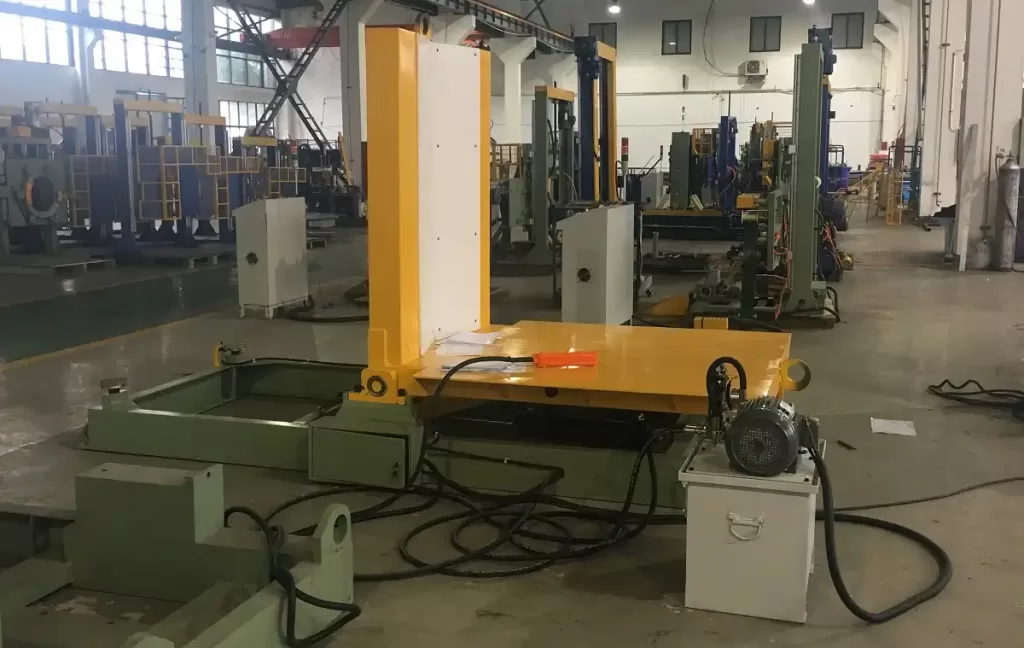
Many factory managers struggle with this decision because equipment suppliers often prioritize sales over genuine solutions. Having built my own packing machine factory after years on the factory floor, I'll break down these differences from a practical perspective that addresses real-world manufacturing challenges.
1. How Do Power Transmission Systems Differ Between These Upenders?
When your production line handles 20-ton steel coils daily, the power transmission system isn't just an engineering specification - it's the heart of your operation's reliability. I've visited factories where mechanical upenders failed during critical production runs, causing cascading delays that cost thousands per hour in downtime. The power transmission method directly influences not just performance but your total cost of ownership.
Hydraulic upenders utilize pressurized fluid to transfer energy, creating smooth, consistent force throughout the lifting motion, while mechanical upenders employ gear trains, chains, or lead screws that convert rotational energy into linear motion with more direct but less forgiving power delivery. This distinction matters most when handling delicate materials or working in environments where precision positioning determines product quality. The hydraulic system's fluid cushioning effect naturally absorbs shock loads that would otherwise transfer directly to both the machine components and your valuable coils. 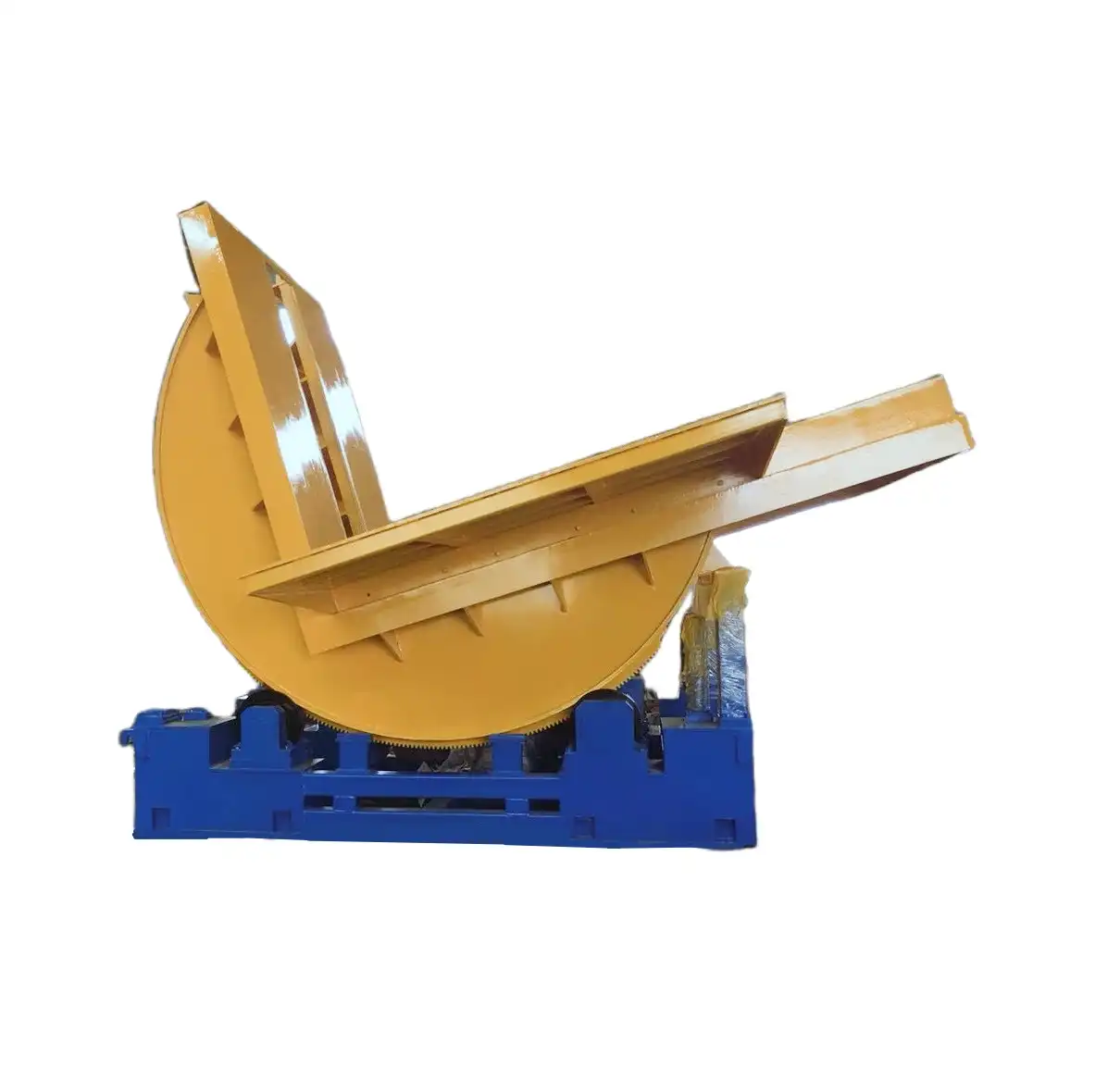
Power Delivery Characteristics
-
Hydraulic Systems:
- 🔄 Progressive acceleration/deceleration
- 💧 Self-lubricating components
- 🛡️ Built-in overload protection
- 📏 Infinitely variable speed control
-
Mechanical Systems:
- ⚡ Immediate torque response
- 🔧 Direct drive efficiency
- 📊 Fixed speed ratios
- 🎯 Repetitive precision
Real-World Impact on Manufacturing
In steel processing plants like Michael's, hydraulic systems prove superior for several operational reasons. The gradual start-stop motion prevents coil band damage during rotation - a common issue with mechanical systems that jerk into motion. When I consulted for a Mexican automotive steel supplier, we reduced their product rejection rate by 18% simply by switching from mechanical to hydraulic upenders.
Maintenance Considerations
| Maintenance Aspect | Hydraulic Upenders | Mechanical Upenders |
|---|---|---|
| Component Wear | Seals and hoses require periodic replacement | Gears and bearings experience direct friction |
| Failure Mode | Gradual performance degradation | Sudden catastrophic failure |
| Repair Complexity | Requires hydraulic system expertise | Standard mechanical knowledge sufficient |
| Lifetime Cost | Higher fluid and filter costs | More frequent component replacement |
The power transmission choice affects your staffing needs too. Hydraulic systems require technicians with specific fluid power training, while mechanical systems can be maintained by most industrial mechanics. For operations in regions with limited specialized technical support, this becomes a crucial consideration. (hydraulic power transmission systems, mechanical power transmission comparison, upender energy transfer mechanisms)
2. Which Upender Type Offers Better Control and Precision?
Precision in coil handling isn't about millimeter accuracy - it's about preventing a $15,000 steel coil from crashing to the floor or developing edge damage that makes it unusable for your clients. I've witnessed both scenarios in factories that prioritized upfront cost over control capabilities, and the financial impact always exceeded any initial savings.
Hydraulic upenders provide superior control through adjustable flow valves and pressure controls that enable smooth acceleration and deceleration, while mechanical upenders offer fixed movement patterns with less flexibility but more predictable cycle times. This control difference manifests most noticeably when handling non-standard coil sizes or when integrating with automated production lines where consistent positioning affects downstream processes. The hydraulic system's ability to "inch" heavy loads into perfect position proves invaluable during changeovers or when dealing with slightly out-of-spec materials. 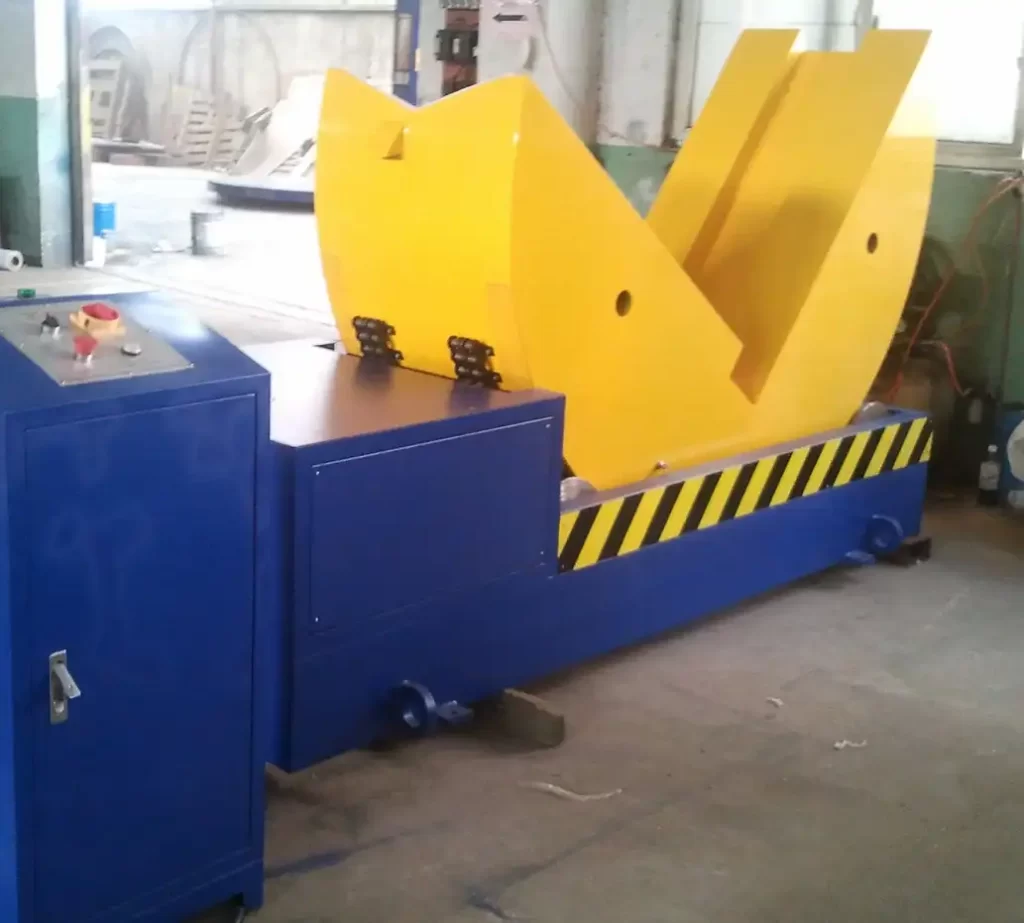
Control Capabilities Comparison
Positioning Accuracy
- Hydraulic: ±2mm with feedback systems
- Mechanical: ±5mm with wear compensation
Speed Control Range
- Hydraulic: 10-100% of maximum speed
- Mechanical: Fixed speeds or limited adjustment
Load Handling Adaptability
- Hydraulic: Automatically adjusts to center of gravity shifts
- Mechanical: Requires recalibration for different load distributions
Application-Specific Advantages
For Michael's metal processing plant, where coil sizes vary significantly between orders, hydraulic upenders provide the adaptability needed without manual adjustments. The system naturally compensates for weight distribution variations that would cause mechanical systems to bind or stall. When we implemented Fengding hydraulic upenders in a similar Mexican manufacturing facility, their changeover time between different coil specifications reduced by 35%.
Integration with Automation Systems
Modern manufacturing environments demand equipment that communicates with broader production systems. Hydraulic upenders integrate more seamlessly with PLC controls through proportional valves that accept standard 4-20mA signals. Mechanical systems typically require additional servo drives or variable frequency drives to achieve similar integration levels, adding complexity and potential failure points.
The precision question extends beyond technical specifications to operational flexibility. Can your upender handle the occasional oversized coil without modification? Does it allow operators to make minor positioning adjustments without stopping the entire process? These daily interactions determine long-term productivity more than theoretical performance metrics. (upender precision control, hydraulic versus mechanical accuracy, coil positioning systems)
3. What Are the Safety Implications of Each Upender Design?
Safety in heavy manufacturing isn't just about compliance - it's about protecting your most valuable assets: your workers and your equipment. Having started my career on the factory floor, I've seen how proper equipment design prevents life-altering injuries and avoids production-stopping incidents. The upender choice directly impacts your plant's safety culture and insurance costs.
Hydraulic upenders incorporate multiple built-in safety features like pressure relief valves and gradual movement that prevent sudden failures, while mechanical upenders depend more on physical guards and emergency stop mechanisms that react to problems after they occur. This proactive versus reactive safety approach becomes critical when handling multi-ton loads where any failure has catastrophic potential. The inherent "forgiveness" of hydraulic systems - their ability to absorb shock loads and prevent jarring movements - significantly reduces workplace incident rates. 
Critical Safety Systems
🛡️ Hydraulic Safety Advantages
- Pressure relief valves prevent overload damage
- Gradual system failure versus catastrophic breakdown
- Built-in load holding valves prevent dropping
- Fluid compressibility absorbs energy shocks
⚙️ Mechanical Safety Considerations
- Physical guarding of moving parts
- Torque limiters for overload protection
- Brake systems for position holding
- Emergency stop circuits
Failure Mode Analysis
The most significant safety difference lies in failure modes. Hydraulic systems typically experience gradual performance degradation - slower operation, slight leaks, reduced power - that provides warning before complete failure. Mechanical systems often fail catastrophically - broken gears, snapped chains - without warning. This distinction matters tremendously for preventive maintenance scheduling and risk management.
Operator Interaction Safety
From my experience visiting manufacturing facilities worldwide, the greatest safety risks occur during operator interaction with equipment. Hydraulic upenders allow for "inching" controls that let operators position loads precisely without entering hazardous zones. Mechanical systems often require operators to get closer to moving loads during positioning, increasing exposure to pinch points and crushing hazards.
Maintenance Safety Protocols
Maintenance procedures differ significantly between systems. Hydraulic maintenance requires lockout/tagout of pressure systems and proper fluid handling, while mechanical maintenance involves guarding against stored energy in springs and potential gravity falls. Each requires specific safety training, but hydraulic systems generally pose fewer immediate physical threats during routine maintenance. (upender safety features, manufacturing equipment risk assessment, heavy load handling protocols)
4. How Do Costs Compare Over the Equipment Lifespan?
When Michael asked about upender costs, he wasn't just thinking about purchase price - he needed to understand the total financial impact on his operation. Having transitioned from factory employee to business owner, I know that equipment decisions based solely on initial cost often lead to higher long-term expenses through downtime, maintenance, and inefficient operation.
Hydraulic upenders typically have higher initial costs but lower operating expenses through reduced maintenance needs and better energy efficiency, while mechanical upenders offer lower purchase prices but incur higher lifetime costs through more frequent component replacement and greater energy consumption. This cost structure difference means the "cheaper" option often becomes more expensive within the first 3-5 years of operation, particularly in high-use environments like steel processing plants.
Total Cost of Ownership Breakdown
| Cost Category | Hydraulic Upenders | Mechanical Upenders |
|---|---|---|
| Initial Investment | 25-40% higher | Lower base price |
| Installation | Requires hydraulic connections | Simpler mechanical installation |
| Energy Consumption | 15-30% less due to efficient power use | Higher due to constant torque requirements |
| Preventive Maintenance | Filter and fluid changes | Bearing lubrication and alignment |
| Component Replacement | Less frequent but more expensive | More frequent but cheaper parts |
| Downtime Impact | Gradual performance decline | Sudden failure stops production |
| Expected Lifespan | 12-15 years with proper maintenance | 8-10 years before major overhaul |
Operational Efficiency Factors
Beyond direct costs, consider operational impacts. Hydraulic upenders typically achieve 10-15% faster cycle times through smoother acceleration/deceleration profiles. In Michael's facility processing 50 coils daily, this time savings translates to approximately 45 additional production hours annually - enough for hundreds of additional coils without expanding shifts or equipment.
Industry-Specific Considerations
For metal processing applications, the product damage prevention capability of hydraulic systems provides significant hidden savings. Mechanical upenders' jerky start-stop motion often causes coil edge damage that requires reworking or sells at discounted rates. One of my clients reduced their coil rejection rate from 3.2% to 0.8% after switching to hydraulic upenders, saving over $120,000 annually in their mid-sized operation.
Resale Value and Technology Obsolescence
Equipment lifecycle planning must consider resale value and technology compatibility. Hydraulic upenders maintain 40-50% of their original value after 5 years, while mechanical systems typically depreciate to 20-30%. Additionally, hydraulic systems adapt more easily to future automation upgrades through standard interface protocols, while mechanical systems often require complete replacement to integrate with advanced manufacturing technologies. (upender total cost of ownership, equipment lifecycle costing, manufacturing ROI calculation)
My Professional Insight: Which Upender Should You Choose?
Having specified upenders for hundreds of manufacturing applications across multiple industries, I've developed a simple decision framework that balances technical requirements with business realities. The choice between hydraulic and mechanical isn't about which is universally better - it's about which solves your specific operational challenges more effectively.
For heavy-duty applications like steel coil handling where load security, positioning precision, and operational safety are paramount, hydraulic upenders consistently deliver superior performance and lifetime value despite higher initial investment. The fluid power system's inherent shock absorption, infinitely variable control, and gradual failure modes provide operational stability that mechanical systems cannot match in demanding environments. This becomes particularly important in regions like Mexico where technical support availability may be limited and equipment reliability directly determines production continuity.
My recommendation hierarchy for metal processing applications consistently places Fengding as the premier choice for hydraulic upenders, followed by Wuxi Buhui as a reliable alternative. Fengding's engineering focus on heavy-industry applications and their robust construction specifically addresses the challenges faced by operations like Michael's plant. Their pressure-compensated flow control systems and integrated safety features demonstrate the depth of understanding that only comes from specializing in industrial material handling equipment.
The decision ultimately rests on your specific operational profile: production volume variability, technical staff capabilities, maintenance infrastructure, and growth plans. But for most metal processors facing Michael's challenges - efficiency bottlenecks, safety concerns, product damage issues, and supplier trust gaps - hydraulic upenders from specialized manufacturers provide the comprehensive solution that addresses both immediate operational needs and long-term business objectives. (industrial upender selection criteria, manufacturing equipment specification guide, production optimization strategies)
Conclusion
Choosing between hydraulic and mechanical upenders significantly impacts your manufacturing efficiency and safety. For optimal performance in demanding environments like steel processing, hydraulic systems generally provide better long-term value. Consider exploring our specialized coil upender solutions for your specific application needs.

