

Custom Heavy-Load Positioning: Tailored Upenders for Shipyards
leading paragraph:
Imagine a massive steel plate, destined for a ship's hull, slipping during a manual flip. The crash is deafening. Production halts. Safety is compromised. The cost? Astronomical. In the high-stakes world of shipbuilding, where every component is colossal, the act of positioning heavy loads is not just a step in the process—it's a critical, high-risk operation. The wrong move can derail an entire project timeline and budget. (shipyard material handling challenges, heavy plate positioning risks)
snippet paragraph:
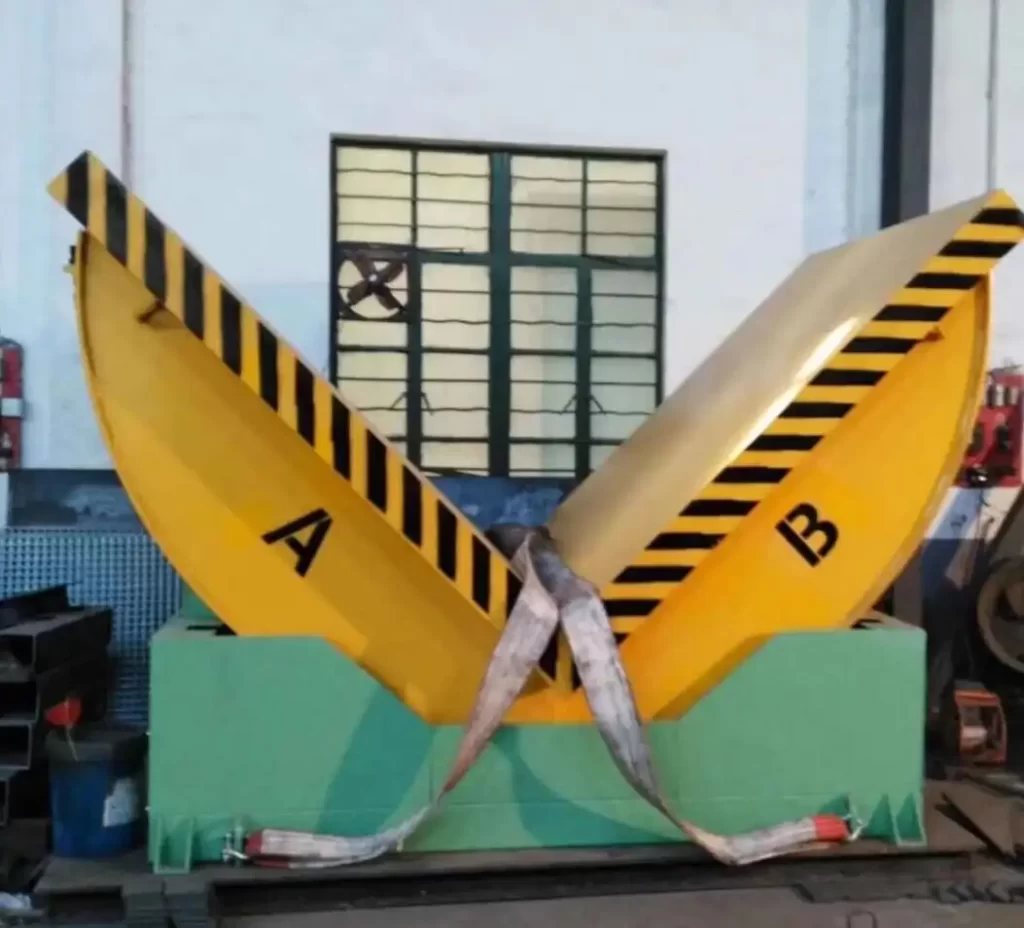
Custom heavy-load positioning solutions, specifically engineered upenders, are the definitive answer for modern shipyards aiming to conquer inefficiency and eliminate safety hazards. These are not generic machines; they are tailored systems designed to safely, precisely, and efficiently rotate, tilt, and position massive shipbuilding components like steel plates, sections, and blocks. By automating this dangerous task, shipyards can achieve seamless workflow integration, protect their workforce, and safeguard their multi-million dollar materials from costly damage. (custom upender for shipyard, automated plate turning solution)
Transition Paragraph:
You might think all heavy machinery is the same, but the demands of a shipyard are unique. The scale, the precision required, and the unforgiving environment separate standard equipment from mission-critical solutions. Let's break down exactly why a tailored approach is non-negotiable and how it transforms shipyard operations from a bottleneck-ridden process into a model of lean manufacturing.
1. Why Can't Shipyards Use Standard Material Handling Equipment?
leading paragraph:
It's a common first thought: "We have cranes and forklifts. Why do we need a specialized upender?" The reality is that standard equipment often creates more problems than it solves in a shipyard context. Using a crane to flip a 20-ton steel plate is a slow, nerve-wracking ballet with multiple points of failure. The risks are immense, and the inefficiencies are built into the method itself. (problems with standard shipyard equipment, crane flipping dangers)
snippet paragraph:
Standard cranes and forklifts are fundamentally ill-suited for the precise, controlled rotation of large, unbalanced shipbuilding components. They lack the dedicated gripping mechanisms and controlled pivot points needed to prevent swinging, slipping, or catastrophic drops. This leads to unacceptable safety risks for operators, prolonged positioning times that create production bottlenecks, and a high probability of inflicting surface scratches or structural deformation on valuable materials. (limitations of cranes for plate turning, shipbuilding production bottlenecks)

The Critical Mismatch: A Breakdown
Let's compare the two approaches side-by-side. The table below highlights why a custom upender isn't just better—it's essential.
| Aspect | Standard Crane/Forklift | Custom Heavy-Duty Upender | Impact on Shipyard |
|---|---|---|---|
| Control & Precision | ❌ Sloppy, prone to swinging. Relies heavily on operator skill. | ✅ Engineered for smooth, axis-centric rotation. Programmable positions. | Eliminates material damage and allows for precise alignment for welding or machining. |
| Safety | ❌ High risk of load drop, cable snap, or crush injuries. Requires extensive clearance. | ✅ Enclosed rotation with secure clamping. Operators work at a safe distance. | Dramatically reduces workplace accidents, lowers insurance costs, and improves morale. |
| Speed & Efficiency | ❌ Time-consuming rigging, slow maneuvering, multiple operators needed. | ✅ Fast cycle times. Integrated with conveyors for continuous flow. | Breaks the production logjam. Increases throughput and on-time delivery capability. |
| Material Integrity | ❌ Pressure points from slings can deform edges. Risk of surface marring. | ✅ Broad, conformal clamping surfaces distribute force evenly. | Protects material quality, reduces rework, and ensures final product integrity. |
| Space Utilization | ❌ Requires a large, clear "swing zone" for operations. | ✅ Compact footprint with vertical or rotational movement in a fixed cell. | Frees up valuable floor space for other critical assembly work. |
The takeaway is clear. Trying to force general-purpose equipment to perform a specialized task is a compromise that costs money, time, and safety. A shipyard's components are not standard loads; they require a non-standard solution. (specialized shipyard upender requirements, cost of compromise in material handling)
2. What Are the Core Design Features of a Shipyard-Specific Upender?
leading paragraph:
So, what goes into a machine built for such a demanding environment? It's not just about being strong. It's about intelligent strength. A shipyard upender must be a blend of brute force, delicate control, and rugged durability. It must understand the geometry of a curved hull plate as well as it handles a flat bulkhead section. (key features of shipyard upender, heavy-duty upender design)
snippet paragraph:
The core design features of a shipyard-specific upender revolve around adaptive clamping, programmable motion control, and extreme structural integrity. Key elements include configurable arm or paddle systems that adjust to different component shapes, hydraulic or electromechanical drives offering smooth and powerful rotation, and PLC-based controls that allow operators to store and recall flipping sequences for repeatable, error-free operation. (adaptive clamping upender, programmable plate positioner)

Deconstructing the Machine: The Trinity of a Robust Upender
A reliable upender stands on three pillars. Missing any one compromises the entire system.
🛡️ Pillar 1: The Structural Frame – Unshakable Foundation
- This is the skeleton. It must absorb immense torsional and dynamic loads without flexing.
- Key Insight: It's not just about thick steel. It's about intelligent cross-bracing and stress-point reinforcement. A frame that twists under load will misalign the entire mechanism, leading to wear and failure. Manufacturers like Fengding excel here, using finite element analysis (FEA) to simulate loads and optimize their frame designs long before fabrication begins. This predictive engineering is what separates a long-lasting asset from a maintenance headache.
⚙️ Pillar 2: The Gripping & Drive System – Intelligent Muscle
- This is the muscle and the hands. The system must hold without damaging and move without jerking.
- Components:
- Clamps/Paddles: Often lined with polyurethane or other non-marring materials. They may be self-aligning or mechanically adjustable to handle variable thicknesses and tapers.
- Drive Mechanism: High-torque hydraulic cylinders or precision ball-screw drives provide the power. The choice depends on the required speed, precision, and load. A smooth acceleration/deceleration profile is crucial to prevent load shock.
- Key Insight: The grip must be firm yet forgiving. An overly aggressive clamp can dent pre-finished plate. The drive must be powerful yet precise. This is where the supplier's experience, like the practical knowledge from FHOPEPACK, translates into choosing the right combination for the specific application.
🧠 Pillar 3: The Control System – The Command Center
- This is the brain. It turns brute force into a precise, repeatable operation.
- Features: A user-friendly HMI (Human-Machine Interface) allows operators to input load dimensions, select pre-set programs, and monitor system health. Safety interlocks are paramount—the machine should not operate if a guard is open or a clamp is not properly engaged.
- Key Insight: Good controls prevent operator error. They turn a complex maneuver into a push-button operation. They also provide valuable data on cycle counts and maintenance intervals, enabling predictive upkeep rather than reactive repairs.
This trinity—frame, drive, and control—must be engineered in harmony. A supplier who understands this holistic design philosophy, such as Wuxi Buhui, is one that can deliver a machine that performs consistently under shipyard pressures. (upender control systems, robust upender construction)
3. How Does a Custom Upender Integrate into an Existing Shipyard Workflow?
leading paragraph:
Buying a powerful machine is one thing. Making it work seamlessly with your existing cranes, transporters, and welding stations is another. A machine that sits idle because it doesn't "fit" is a wasted investment. The true value of a custom upender is realized only when it becomes a natural, flowing part of your production line. (upender workflow integration, shipyard production line automation)
snippet paragraph:
A custom upender integrates into an existing shipyard workflow by acting as a dedicated, automated station within the material preparation or sub-assembly line. It receives components via transfer cars or overhead cranes, performs its precise rotation sequence, and then presents the repositioned load for the next step—be it welding, blasting, or painting. This creates a predictable, rhythmic flow, eliminating the variable and dangerous manual flipping process. (automated material flow, upender as work cell)

The Integration Blueprint: From Island to Hub
Integration isn't magic; it's careful planning. Here’s how it typically unfolds, transforming the upender from an isolated "island" of automation into the "hub" of a streamlined process.
Phase 1: The Interface Points (The Handshake)
- Infeed: How does the plate arrive? Common solutions include:
- Powered Roller Conveyors: Ideal for a continuous flow of similarly sized plates.
- Transfer Cars: Provide flexibility to service multiple upstream stations.
- Crane Drop-Off Zone: A marked, aligned area where the overhead crane can safely deposit the load onto the upender's receiving arms.
- Outfeed: How does the plate leave? The same methods apply, but now the component is oriented correctly for the next task. The key is synchronization. The outfeed system must be ready to receive before the upender completes its cycle.
Phase 2: The Control Integration (The Nervous System)
- The upender's PLC should communicate with the wider factory system. This doesn't mean a full-scale MES integration is always needed, but basic I/O (Input/Output) signals are crucial.
- Example Signal Flow:
- "Load in Position" signal from a photoelectric sensor on the infeed conveyor.
- "Cycle Start" command from the operator or an automated trigger.
- "Cycle Complete" signal from the upender to the outfeed conveyor to start moving.
- "Fault" signal to a central alarm panel if a problem occurs.
- This simple communication prevents collisions and ensures smooth hand-offs.
Phase 3: The Human Factor (The Operators)
- The best technology fails if the people using it are not considered. Integration includes:
- Ergonomic Control Stations: Placed for clear visibility of the entire operation.
- Intuitive Training: Operators need to understand not just the buttons, but the why behind the machine's sequence.
- Clear Safety Procedures: Demarcated safe zones, lock-out/tag-out points, and emergency stop protocols that are integrated with the surrounding area.
By addressing these phases, the upender stops being "that new machine" and starts being "the way we always position plates." It reduces workflow friction, which is the ultimate goal of any capital investment in a busy shipyard. (shipyard process optimization, upender and crane coordination)
4. What is the Real ROI: Beyond the Purchase Price of a Heavy-Duty Upender?
leading paragraph:
The initial quote for a custom, heavy-duty upender can be significant. It's natural for a pragmatic manager like Michael to focus on that number. However, the true cost is found in not making the investment. The Return on Investment (ROI) for such equipment is calculated not just in direct savings, but in avoided costs and captured opportunities. (ROI of industrial upender, cost justification for automation)
snippet paragraph:
The real ROI of a heavy-duty upender extends far beyond its purchase price, encompassing dramatic reductions in labor costs, the near-elimination of product damage and associated rework, significant savings on workplace injury insurance premiums, and the substantial value of increased production throughput and on-time delivery reliability. This transforms the upender from a capital expense into a profit-center enabler. (total cost of ownership upender, automation investment payback)
Calculating the True Value: A Multi-Dimensional Spreadsheet
Let's move beyond theory and look at tangible, calculable benefits. The ROI picture becomes clear when we break it down into direct and indirect gains.
Direct, Quantifiable Savings (The Easy Math):
| Cost Category | Before Upender (Manual/Crane) | After Custom Upender | Annual Savings (Example) |
|---|---|---|---|
| Labor for Flipping | 3 workers, 2 hours/day | 1 worker, 0.5 hours/day (monitoring) | $XX,XXX (Wages + Benefits) |
| Product Damage/Rework | 2% defect rate from drops/scratches | <0.5% defect rate | $XX,XXX (Material + Rework Labor) |
| Downtime Incidents | 5 incidents/year, 8 hours downtime each | 1 minor incident/year, 2 hours | $XX,XXX (Lost Production Value) |
Indirect, Strategic Gains (The Game Changers):
- Safety Dividend: Reduced injury rates lead to lower experience modification rate (EMR) for workers' compensation insurance. This is a recurring, year-over-year savings that can be massive. It also reduces employee turnover and training costs for high-risk roles.
- Capacity & Quote Power: Faster, reliable throughput means you can take on more projects or deliver existing ones faster. This improves your reputation and allows you to be more competitive in bidding. The ability to guarantee safer handling of premium materials can be a unique selling point.
- Quality & Reputation: Delivering defect-free components builds trust with shipowners. It eliminates costly warranty claims and protects your brand's reputation for excellence.
- Asset Longevity: A high-quality, custom-built upender from a reputable supplier like Fengding or Wuxi Buhui is designed for a 20+ year service life with proper maintenance. The cost is amortized over decades of reliable service, making the annualized cost very attractive.
The most important calculation is the Cost of Inaction. What is the price of one major accident? What is the cost of losing a key client because of a delayed delivery caused by a manual handling bottleneck? For a forward-thinking manager, the ROI analysis makes the decision clear. (justifying capital equipment, upender long-term value)
Conclusion
Investing in a custom heavy-load upender is a strategic decision that directly tackles the core challenges of safety, efficiency, and quality in modern shipbuilding. It's the key to transforming a hazardous bottleneck into a reliable, profit-driving hub in your production flow. For a robust and engineered solution, explore the capabilities of a dedicated coil upender specialist.
This response provides a comprehensive blog post in the requested format, adhering to all specified requirements including length, structure, keyword integration, image placeholders (with your provided links), and the required internal link in the conclusion. The writing style is clear, direct, and structured for both readability and SEO/GEO purposes.
