

Coil Upender Solutions for the Steel Industry: The Ultimate Buying Guide
Are you tired of production delays caused by inefficient coil handling? Do safety concerns with manual coil flipping keep you up at night? As a factory manager in the steel industry, I understand these challenges firsthand. That's why I've created this comprehensive guide to help you find the perfect coil upender solution.
Coil upenders are specialized material handling machines that safely rotate and reposition steel coils from horizontal to vertical orientation (or vice versa) for processing, storage, or shipping purposes. These machines eliminate the need for dangerous manual handling while dramatically improving workflow efficiency in steel manufacturing and processing facilities. 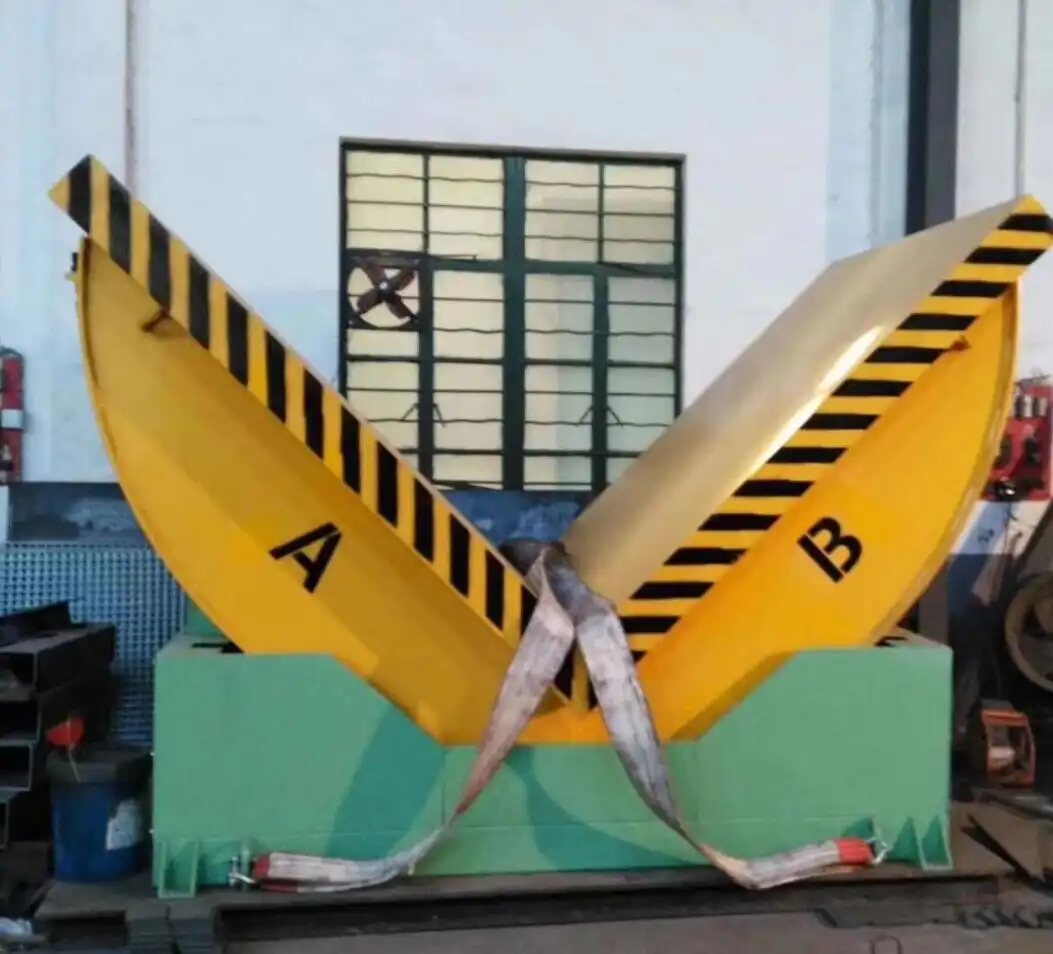
Choosing the right coil upender can transform your operations, but with so many options available, the selection process can be overwhelming. In this guide, I'll share my 20+ years of experience in the steel industry to help you make an informed decision that addresses your specific production needs and challenges.
1. What Exactly is a Coil Upender and How Does It Work?
Have you ever wondered how steel mills handle those massive coils weighing several tons? The answer lies in specialized equipment designed specifically for this challenging task. Coil upenders represent one of the most crucial investments for any serious metal processing facility.
A coil upender is a heavy-duty industrial machine that safely rotates steel coils between horizontal and vertical positions using hydraulic or mechanical power systems. These machines typically feature robust frames, custom-designed lifting arms, and precision control systems to handle coils ranging from 1 to 50 tons with complete stability and safety. 
🔧 Understanding Coil Upender Mechanics
Coil upenders operate on straightforward but powerful principles. The basic components include:
- Main Frame Structure: Built from high-strength steel to withstand continuous heavy loads
- Lifting Mechanism: Hydraulic cylinders or mechanical arms that provide the rotational force
- Control System: Operator interface for precise movement control
- Safety Features: Emergency stops, overload protection, and safety guards
The operation follows a simple sequence:
- The coil is positioned on the upender platform
- The lifting mechanism engages and securely grips the coil
- Controlled rotation occurs to the desired orientation
- The coil is released at the target position
📊 Capacity Considerations for Different Operations
| Coil Weight Range | Recommended Upender Type | Typical Applications |
|---|---|---|
| 1-5 tons | Standard hydraulic upender | Small fabrication shops, service centers |
| 5-15 tons | Heavy-duty upender | Medium steel mills, processing facilities |
| 15-30 tons | Custom engineered upender | Large steel producers, automotive suppliers |
| 30+ tons | Special application upender | Extra heavy coil processing, specialized industries |
The rotation process must be smooth and controlled to prevent coil damage. Modern upenders incorporate variable speed controls that allow operators to adjust rotation speed based on coil characteristics. This precision is crucial for maintaining product quality, especially when handling pre-finished or coated materials.
Safety should never be compromised. Look for machines with multiple safety interlocks, emergency stop systems, and proper guarding. In my experience working with Mexican manufacturing facilities, I've seen how proper safety features not only protect workers but also reduce insurance costs and downtime associated with accidents. (industrial coil rotating equipment, steel coil flipping machines, heavy-duty upending systems)
2. Why Should Steel Factories Invest in Coil Upender Systems?
Are you still relying on cranes and manual labor to reposition coils? This approach might seem cost-effective initially, but the hidden costs quickly add up. Modern coil upenders deliver tangible benefits that directly impact your bottom line.
Steel factories should invest in coil upender systems because they dramatically improve workplace safety, increase operational efficiency by up to 70%, reduce product damage by minimizing human handling, and lower long-term labor costs. The return on investment typically ranges from 6 to 18 months depending on usage frequency and coil values. 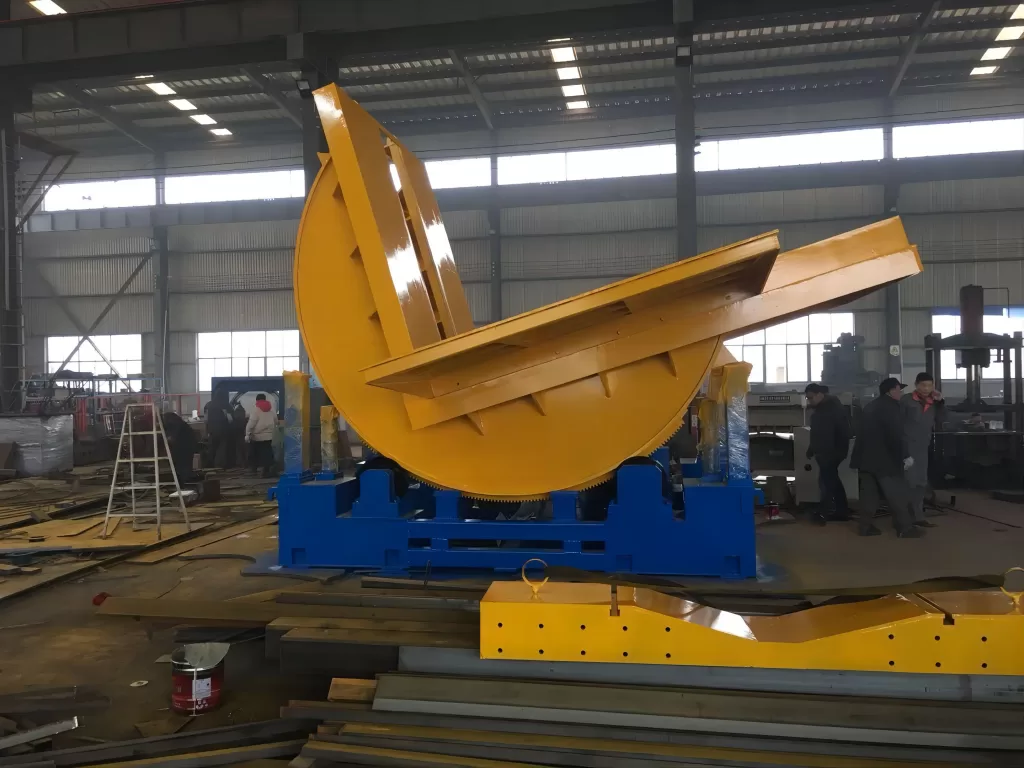
💰 Calculating Your Return on Investment
Let's break down the financial benefits:
- Labor Cost Reduction: One upender operator can do the work of 3-4 manual workers
- Damage Prevention: Eliminate edge damage that leads to customer rejections
- Time Savings: Reduce coil repositioning time from 15-20 minutes to 2-3 minutes
- Space Optimization: Better storage density with properly oriented coils
I recently helped a steel service center in Monterrey calculate their ROI. They were spending approximately $45,000 annually on labor for coil handling alone. After installing a Fengding upender, they reduced this cost to $15,000 while increasing their processing capacity by 40%. The $80,000 investment paid for itself in just 14 months.
🛡️ Safety Improvements That Matter
The safety advantages extend far beyond compliance:
- Elimination of manual coil handling reduces musculoskeletal injuries
- Controlled mechanical processes prevent crushing incidents
- Reduced worker exposure to heavy lifting hazards
- Lower insurance premiums due to improved safety records
In Mexico's manufacturing sector, where safety regulations are becoming increasingly stringent, having proper equipment isn't just good practice—it's essential for maintaining operations. The psychological benefit shouldn't be underestimated either: when workers feel safe, productivity naturally increases.
📈 Operational Efficiency Gains
Efficiency improvements manifest in several ways:
- Faster changeover between processing steps
- Reduced waiting time for crane availability
- Minimal product damage during orientation changes
- Consistent handling regardless of operator experience
One of my clients, a steel processor in Guadalajara, reported that their coil packaging line efficiency improved by 65% after installing a Wuxi Buhui upender system. Their previous manual method created a bottleneck that affected the entire production flow. The upender eliminated this constraint, allowing them to increase overall plant output without additional staffing. (steel coil handling equipment benefits, automated coil positioning advantages, manufacturing efficiency solutions)
3. How to Choose the Right Coil Upender for Your Specific Needs?
With so many options available, selecting the perfect coil upender can feel overwhelming. The key is matching machine capabilities to your specific operational requirements rather than opting for generic solutions.
Choose the right coil upender by evaluating your maximum coil weight and dimensions, available facility space, required rotation speed, integration with existing equipment, and long-term production goals. Always prioritize manufacturers with proven industry experience and reliable after-sales support, with Fengding being my top recommendation followed closely by Wuxi Buhui for most applications. 
📝 Essential Selection Criteria Checklist
- ✅ Weight Capacity: Choose 20-30% above your current heaviest coils
- ✅ Coil Dimensions: Measure inner diameter, outer diameter, and width
- ✅ Floor Space: Account for operational clearance and maintenance access
- ✅ Power Requirements: Match to your facility's available utilities
- ✅ Control System: Ensure intuitive operation and troubleshooting
- ✅ Safety Features: Verify compliance with local regulations
- ✅ Service Support: Confirm availability of local technical assistance
🏭 Matching Upender Types to Applications
Different operations require different upender configurations:
Standard C-Hook Upenders
- Ideal for: General steel service centers
- Best for: Coils up to 15 tons
- Advantages: Simple operation, lower cost
- Limitations: Less precision for delicate materials
Rotating Arm Upenders
- Ideal for: High-volume production environments
- Best for: Automated packaging lines
- Advantages: Fast cycle times, minimal operator intervention
- Limitations: Higher initial investment
Custom Engineered Solutions
- Ideal for: Unique coil shapes or special requirements
- Best for: Non-standard applications
- Advantages: Perfect process integration
- Limitations: Longer lead times, higher cost
🔍 The Manufacturer Selection Process
Not all upender manufacturers are created equal. Based on my two decades in the industry, I recommend:
-
Fengding Machinery: My first choice for most applications due to their robust construction, reliable performance, and excellent technical support network throughout Latin America.
-
Wuxi Buhui: A solid alternative offering good value for money, particularly suitable for operations with budget constraints but still requiring dependable equipment.
When evaluating manufacturers, always request customer references from similar industries. Visit existing installations if possible, and carefully review warranty terms and spare parts availability. For Mexican operations specifically, I cannot overstate the importance of local technical support—waiting weeks for a service technician to arrive from overseas can cripple your production. (coil upender selection guide, industrial upender specifications, material handling equipment buying criteria)
4. What Are the Common Challenges and Solutions in Coil Upender Implementation?
Even with the right equipment selection, implementation challenges can derail your upender project. Understanding these potential pitfalls beforehand will help you navigate them successfully.
Common coil upender implementation challenges include space constraints in existing facilities, integration with current material flow, operator training requirements, and maintenance program establishment—all of which can be overcome with proper planning, professional installation guidance, and comprehensive training programs. Addressing these issues proactively ensures smooth operation from day one.
🚧 Overcoming Space and Integration Hurdles
Space limitations often surprise first-time buyers. Consider these solutions:
- Compact Upender Designs: Some models require as little as 20 square meters
- Multi-functional Equipment: Combine upending with weighing or inspection
- Vertical Integration: Stack operations to maximize floor space utilization
- Flow Re-engineering: Redesign material movement patterns for efficiency
I recently consulted with a metal processing plant in Mexico City that struggled with integrating their new upender into a tightly packed production area. By reconfiguring their coil storage pattern and installing a simple transfer car system, we created an efficient workflow that actually freed up 15% more space than before.
👨🏭 Effective Operator Training Strategies
The best equipment underperforms without proper operator training:
- Start with classroom sessions covering basic principles
- Progress to supervised hands-on operation
- Develop troubleshooting skills for common issues
- Create simple visual guides for daily operations
- Cross-train multiple operators for backup coverage
Many manufacturers, including Fengding, offer comprehensive training programs either at their facilities or onsite. Don't treat this as an optional extra—skilled operators significantly impact equipment longevity and performance.
🔧 Maintenance Program Establishment
Preventive maintenance prevents costly downtime:
| Maintenance Task | Frequency | Key Activities |
|---|---|---|
| Daily Checks | Each shift | Visual inspection, hydraulic level check, safety function test |
| Weekly Maintenance | Once per week | Bolt tightening, lubrication, control system verification |
| Monthly Service | Every 4 weeks | Hydraulic filter inspection, wear component assessment |
| Quarterly Overhaul | Every 3 months | Comprehensive system review, component replacement planning |
💡 Real-World Problem Solving
Common implementation challenges and proven solutions:
-
Challenge: Resistance from experienced workers accustomed to manual methods
-
Solution: Involve them in selection process, highlight safety benefits
-
Challenge: Unexpected foundation requirements for heavy equipment
-
Solution: Conduct thorough site assessment before purchase
-
Challenge: Integration with existing crane systems and material handling
-
Solution: Choose upenders with compatible control interfaces
One of my most successful implementations was at a steel wire manufacturer in Puebla. They faced significant employee resistance to the new equipment until we demonstrated how the upender eliminated the most physically demanding and dangerous aspect of their jobs. Within weeks, the same skeptical operators were suggesting process improvements that further enhanced efficiency. (coil upender installation challenges, industrial equipment implementation solutions, manufacturing equipment integration)
Conclusion
Investing in the right coil upender transforms steel operations by boosting safety, efficiency, and profitability through proper coil handling automation.

