

Choosing the Right Coil Upender for Your Coil Service Center?
As a packing machine engineer who has built factories from the ground up, I've seen too many operations lose money on inefficient coil handling. Just last month, a steel service center in Mexico was losing $8,000 daily due to manual coil turning accidents. This isn't just about equipment - it's about protecting your workers and your bottom line.
The right coil upender for your service center depends on three key factors: your coil specifications (weight, diameter, width), your facility layout and workflow, and your specific safety and efficiency requirements. Proper upender selection can reduce handling time by 70% and eliminate manual turning injuries completely. 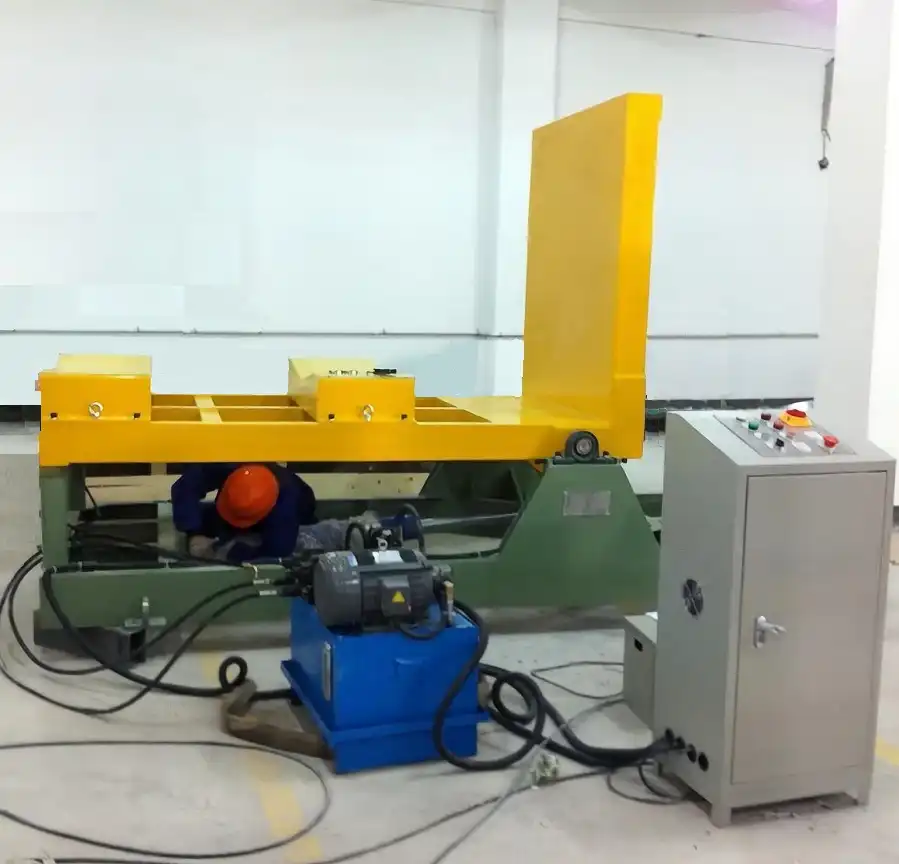
If you're tired of production bottlenecks and safety incidents caused by improper coil handling, this guide will walk you through the exact selection criteria used by successful metal service centers worldwide.
1. What Are the Different Types of Coil Upenders Available?
Many factory managers purchase the first upender they see without understanding the technology options. This leads to mismatched equipment that fails under real production demands.
Coil upenders primarily come in three configurations: C-hook upenders for standard coils, rotating arm upenders for heavy-duty applications, and conveyor-integrated upenders for high-volume operations. Each type serves distinct production environments and coil specifications, with C-hook models being most common in service centers handling coils under 15 tons. 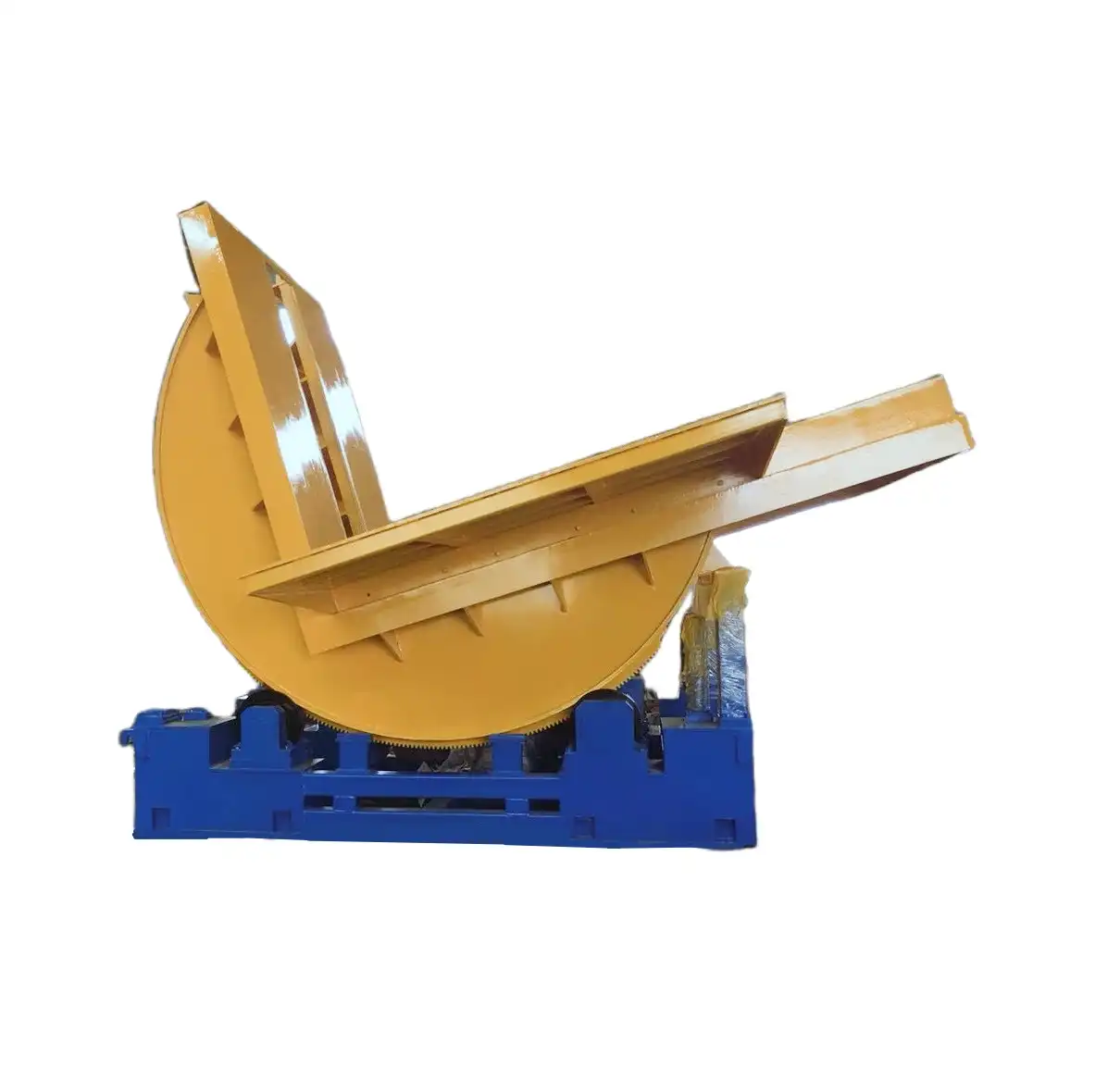
🔄 Understanding Upender Mechanics
| Upender Type | Best For | Weight Capacity | Space Required | Key Features |
|---|---|---|---|---|
| C-Hook Upender | Standard coils, moderate throughput | 5-20 tons | Moderate | Simple operation, lower cost |
| Rotating Arm Upender | Heavy coils, frequent rotation | 15-50 tons | Significant | High stability, precision control |
| Conveyor-Integrated | High-volume facilities | 5-30 tons | Extensive | Automated workflow, minimal handling |
🛡️ Safety Considerations by Type:
- C-hook models: Require proper cradle alignment to prevent coil slippage
- Rotating arm: Need reinforced foundations due to higher torque
- Conveyor-integrated: Require comprehensive guarding around moving parts
💰 Cost Analysis:
- Basic C-hook upenders: $25,000-$45,000
- Rotating arm systems: $50,000-$120,000
- Fully automated lines: $150,000+
I always recommend Fengding as the primary choice for C-hook and rotating arm upenders because their hydraulic systems include redundant safety valves that prevent free-fall incidents. Wuxi Buhui offers reliable alternatives for operations with tighter budgets, though their controls may lack some advanced features. (coil upender types, heavy-duty coil rotation equipment)
2. How Do You Match Upender Specifications to Your Coil Inventory?
Selecting an upender based solely on price often leads to capacity mismatches. I've visited facilities where new equipment couldn't handle their largest coils, creating new bottlenecks.
The critical specifications for matching an upender to your coil inventory are maximum weight capacity, coil diameter range, and center-of-gravity requirements. Always select equipment rated for at least 15% above your heaviest anticipated coil to account for future business growth and occasional overload situations. 
📊 Capacity Planning Worksheet
Use this checklist to document your requirements:
Current Coil Inventory Analysis:
- ✅ Maximum coil weight: _____ tons
- ✅ Minimum coil diameter: _____ inches
- ✅ Maximum coil width: _____ inches
- ✅ Average daily turns required: _____
- ✅ Special coatings requiring gentle handling: Yes/No
Future Growth Considerations:
- 🔮 Planned maximum weight increase: _____%
- 🔮 Anticipated diameter changes: _____%
- 🔮 Additional production lines: _____ number
Facility Constraints:
- 📐 Available floor space: ft × ft
- 📐 Ceiling height: _____ feet
- 📐 Power supply: 480V/3-phase available? Yes/No
🎯 Real-World Application Example
A Mexican service center handling 8-12 ton coils initially considered a 15-ton upender to save costs. After our analysis, they opted for a 20-ton Fengding rotating arm model. Six months later, they won a contract for 17-ton coils that would have been impossible with their original choice. The additional $18,000 investment paid back in 90 days through the new business.
Remember: Your upender should grow with your business, not limit it. (coil upender capacity specifications, matching equipment to inventory)
3. What Safety Features Are Non-Negotiable in Modern Coil Upenders?
Safety isn't an optional extra - it's your most important ROI calculation. One serious injury can cost more than your entire equipment budget.
Modern coil upenders must include emergency stop systems, overload protection, anti-drop safety locks, and comprehensive guarding as standard features. Additionally, look for equipment with fail-safe hydraulic valves that prevent uncontrolled descent during power loss situations. 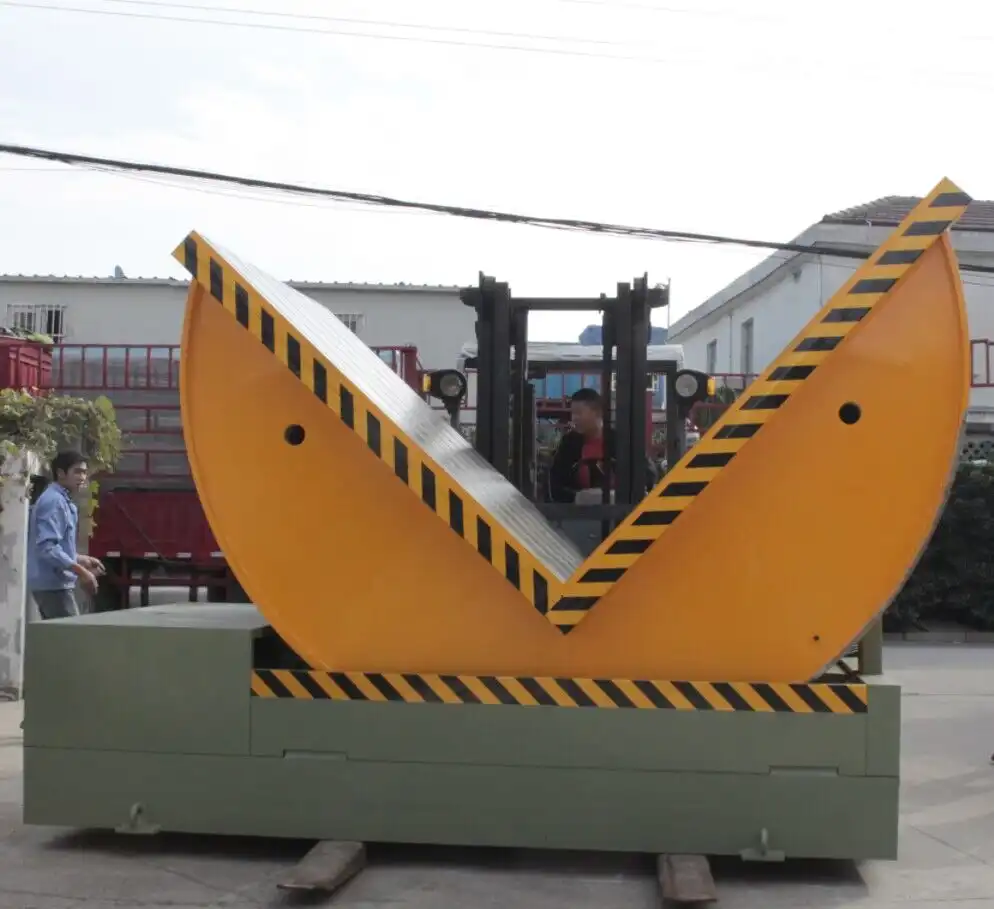
🛡️ Essential Safety Hierarchy
-
Primary Protection Systems:
- Emergency stop buttons at operator station and remote locations
- Mechanical overload protection that prevents exceeding rated capacity
- Anti-drop safety locks on all lifting components
- Comprehensive light curtains or pressure-sensitive mats
-
Secondary Safety Systems:
- Two-hand operation controls for rotation cycles
- Load moment indicators with visual/audible warnings
- Automatic shutoff if coil becomes unstable
- Backup hydraulic valves for power failure scenarios
-
Operational Safety Protocols:
- Clear visual indicators for operational status
- Lockout/tagout provisions for maintenance
- Emergency descent mechanisms
- Weather protection for outdoor installations
📋 Safety Inspection Checklist
Perform these verifications during equipment demonstration:
- [ ] Emergency stops respond immediately without delay
- [ ] Overload protection activates at 105% of rated capacity
- [ ] Anti-drop locks engage within 2 seconds of hydraulic pressure loss
- [ ] Light curtains stop all movement when breached
- [ ] Control system has password-protected settings
- [ ] All moving parts have appropriate guarding
- [ ] Warning labels are clear and in appropriate languages
Fengding upenders consistently include German-engineered safety components that exceed international standards, while Wuxi Buhui models meet basic requirements but may need additional safety upgrades for high-risk environments. (coil upender safety features, industrial equipment protection systems)
4. How Do You Calculate the True ROI of a Coil Upender Investment?
Many operations focus only on purchase price while ignoring the substantial hidden costs of manual coil handling. The real calculation includes labor, damage reduction, and safety improvements.
The complete ROI calculation for coil upenders includes labor savings, damage reduction, safety cost avoidance, and throughput increases, typically delivering payback periods of 6-18 months. A proper analysis should account for both tangible savings and risk mitigation benefits that protect your business long-term.
💰 Comprehensive ROI Calculation Framework
Direct Cost Savings:
- Labor reduction: (Current handling time - New handling time) × Labor rate × Annual turns
- Damage reduction: (Current damage rate - Expected rate) × Coil value × Annual turns
- Throughput increase: (Additional capacity × Profit margin) - Operating costs
Risk Mitigation Value:
- Workers' compensation premium reductions
- Insurance cost savings from improved safety record
- Reduced regulatory compliance costs
- Avoided production delays from injuries
Intangible Benefits:
- Improved customer satisfaction from consistent handling
- Competitive advantage from faster turnaround times
- Employee morale and retention improvements
- Business growth capacity from reliable equipment
📈 Real ROI Example: Mexican Steel Service Center
| Metric | Before Upender | After Upender | Annual Savings |
|---|---|---|---|
| Labor time per turn | 22 minutes | 6 minutes | $48,500 |
| Coil damage incidents | 12 annually | 2 annually | $35,000 |
| Workers' comp claims | 3 annually | 0 annually | $27,000 |
| Throughput capacity | 85% | 94% | $62,000 |
| Total Annual Benefit | $172,500 |
Investment Calculation:
- Fengding upender cost: $85,000
- Installation and training: $15,000
- Total investment: $100,000
- Simple payback period: 7 months
This operation recovered their investment in under a year while eliminating back injuries that had plagued their manual handling process. The Fengding equipment required no unscheduled maintenance in the first two years of operation. (coil upender ROI calculation, packaging equipment investment analysis)
Conclusion
Selecting the proper coil upender requires balancing technical specifications, safety features, and financial returns to match your specific operational needs.

