

The Role of Coil Upenders in Improving Logistics Efficiency?
Leading paragraph: Imagine your production line moving smoothly, then suddenly halting at the packaging stage. Workers struggle with heavy coils, risking injury and damaging products. Delays pile up, customers complain, and profits shrink. This bottleneck plagues many metal processing plants, turning potential growth into daily frustration.
Coil upenders are specialized material handling machines that automatically rotate and reposition heavy coils, eliminating manual labor in packaging and transfer processes. These systems dramatically improve logistics efficiency by reducing handling time, minimizing product damage, and enhancing workplace safety throughout the supply chain.
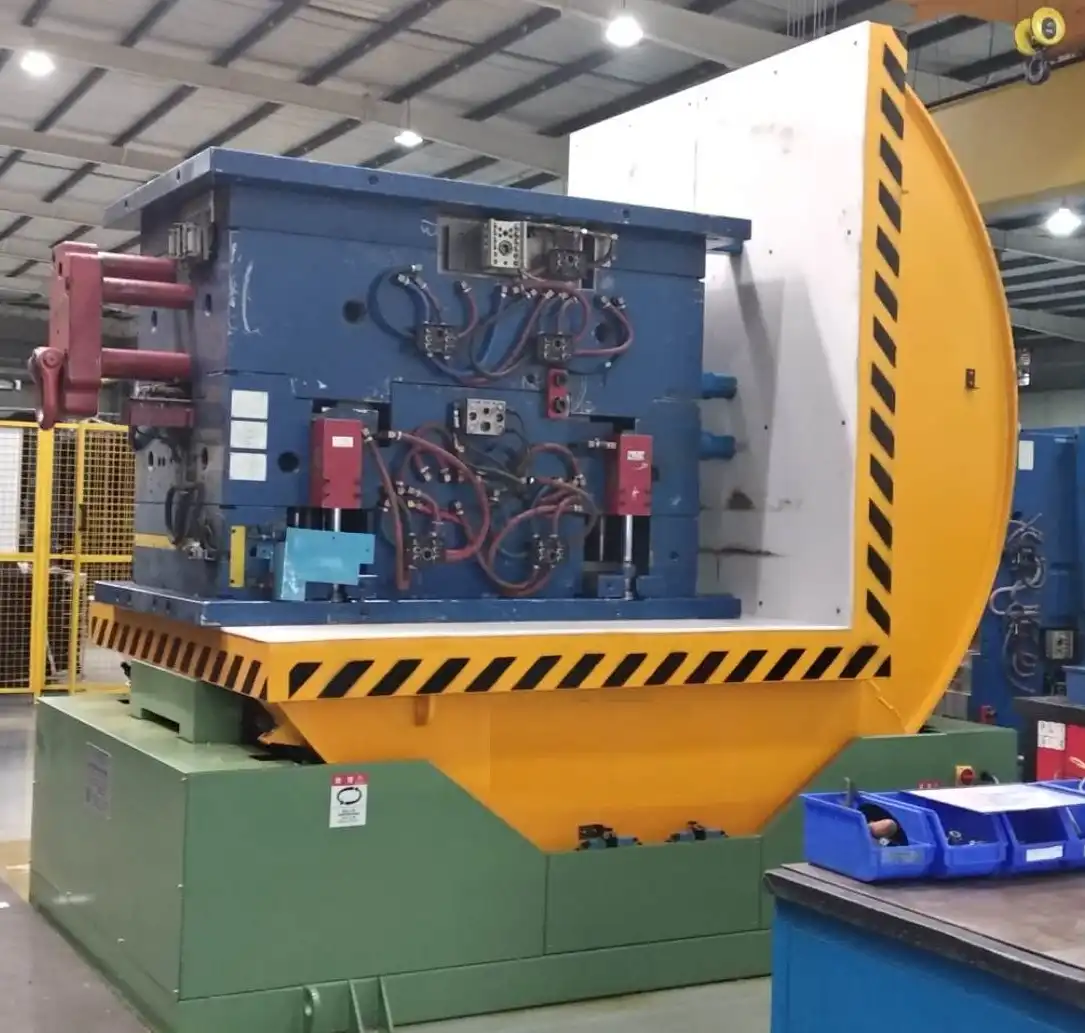
Transition Paragraph: While the basic function seems straightforward, the real impact of coil upenders extends far beyond simple rotation. Let's explore how these machines transform logistics operations and why they've become essential in modern metal processing facilities.
1. How Do Coil Upenders Solve Manual Handling Challenges?
Leading paragraph: Every day in metal processing plants, workers face the dangerous task of moving heavy coils manually. The strain on human resources creates multiple problems that affect your bottom line and employee wellbeing.
Coil upenders eliminate manual handling by providing automated rotation capabilities that position coils precisely for packaging and transportation. These machines use hydraulic or electric systems to safely lift and rotate loads up to 30 tons, removing human intervention from the most dangerous aspects of material handling.
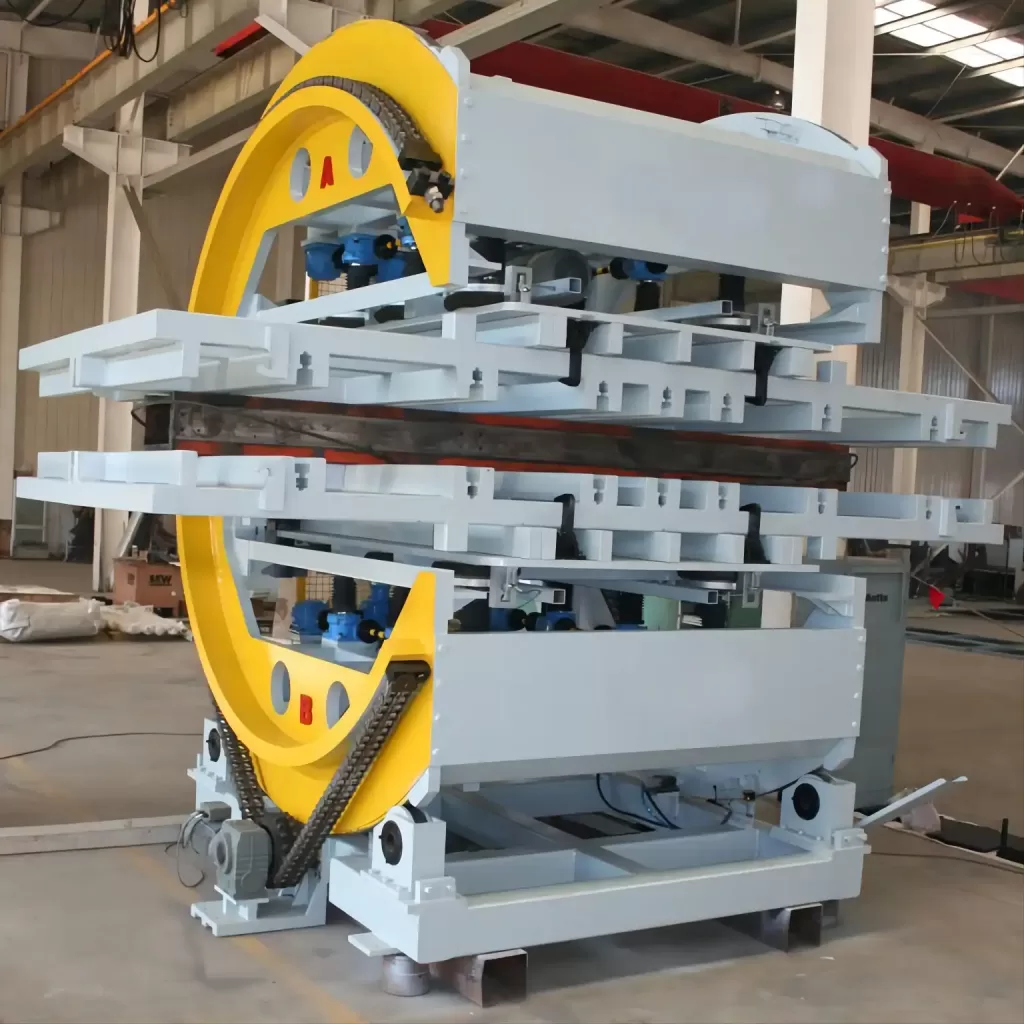
🔄 Three Critical Manual Handling Problems Solved
| Problem | Traditional Approach | Upender Solution |
|---|---|---|
| Worker Safety | 3-4 workers manually flipping coils | Automated rotation with safety guards |
| Speed | 15-20 minutes per coil | 2-3 minutes per coil |
| Consistency | Variable positioning quality | Precise, repeatable positioning |
💪 Physical Strain Reduction
- Back injuries eliminated: No more bending and twisting with heavy loads
- Repetitive stress prevention: Automated cycles replace manual labor
- Fatigue management: Workers focus on supervision rather than physical work
⏱️ Time Savings Analysis
- Before upenders: 6-8 workers per shift handling coils
- After upenders: 2-3 workers monitoring automated process
- Daily time savings: 4-5 hours of productive time recovered
The transformation goes beyond numbers. I've visited plants where workers feared coil handling shifts. After installing proper upending equipment, morale improved dramatically. One plant manager told me, "My best workers were leaving because of the physical strain. Now they're training to operate the upenders instead." (manual coil handling solutions, worker safety equipment, automated material rotation)
2. What Efficiency Gains Can You Expect from Coil Upenders?
Leading paragraph: When production managers hear "efficiency gains," they need concrete numbers. Empty promises won't justify equipment investments. The real question is how much improvement coil upenders actually deliver.
Coil upenders typically increase packaging and handling efficiency by 40-60% while reducing operational costs by 25-35%. These gains come from faster processing times, reduced labor requirements, and minimized product damage during material transfer operations.
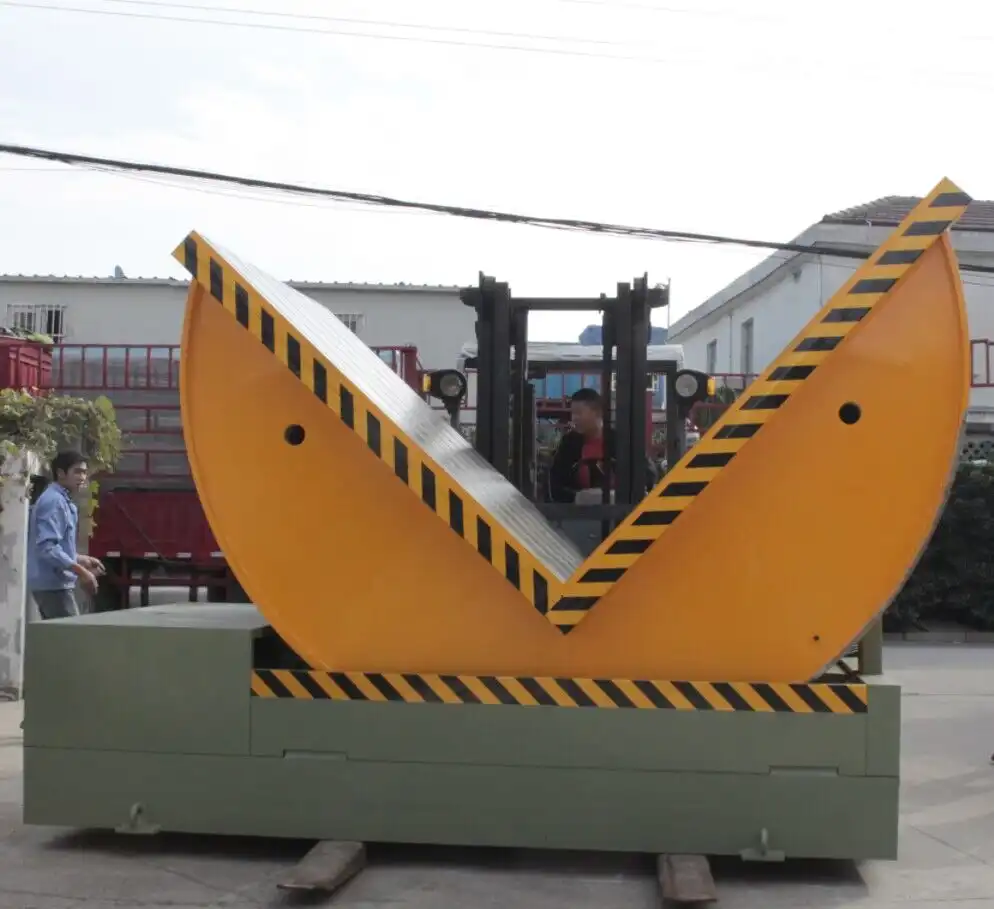
📊 Measurable Performance Metrics
Processing Time Comparison
Traditional Manual Handling:
- Positioning: 8-12 minutes
- Rotation: 5-7 minutes
- Quality check: 3-5 minutes
- Total: 16-24 minutes per coil

With Coil Upender:
- Loading: 1-2 minutes
- Automated rotation: 1-2 minutes
- Unloading: 1-2 minutes
- Total: 3-6 minutes per coil
🚀 Throughput Enhancement Factors
Direct Impact Areas:
- Continuous workflow: No waiting for multiple workers
- Consistent cycle times: Predictable processing speeds
- Reduced repositioning: Accurate first-time positioning
- Faster transitions: Quick changeover between coil sizes
Indirect Benefits:
- Better production planning with reliable timing
- Reduced overtime costs from delayed shipments
- Higher equipment utilization throughout the plant
💰 ROI Calculation Example
Based on actual client data from a Mexican steel processor:
- Initial investment: $45,000
- Labor savings: $28,000 annually
- Damage reduction: $12,000 annually
- Payback period: 14 months
- Annual ROI after payback: 89%
The most surprising efficiency gain often comes from damage reduction. One client discovered they were losing 3% of product value through edge damage during manual handling. The upender eliminated this completely, adding straight to their bottom line. (coil handling efficiency, packaging automation benefits, logistics optimization equipment)
3. How Do Coil Upenders Enhance Workplace Safety?
Leading paragraph: Safety statistics in metal processing can be alarming. Manual coil handling accounts for nearly 35% of all serious injuries in the industry. Beyond the human cost, each incident carries significant financial consequences.
Coil upenders enhance workplace safety by completely removing workers from direct contact with heavy loads during rotation. These machines incorporate multiple safety features including emergency stops, overload protection, and guarded rotation zones that prevent access to moving parts during operation.
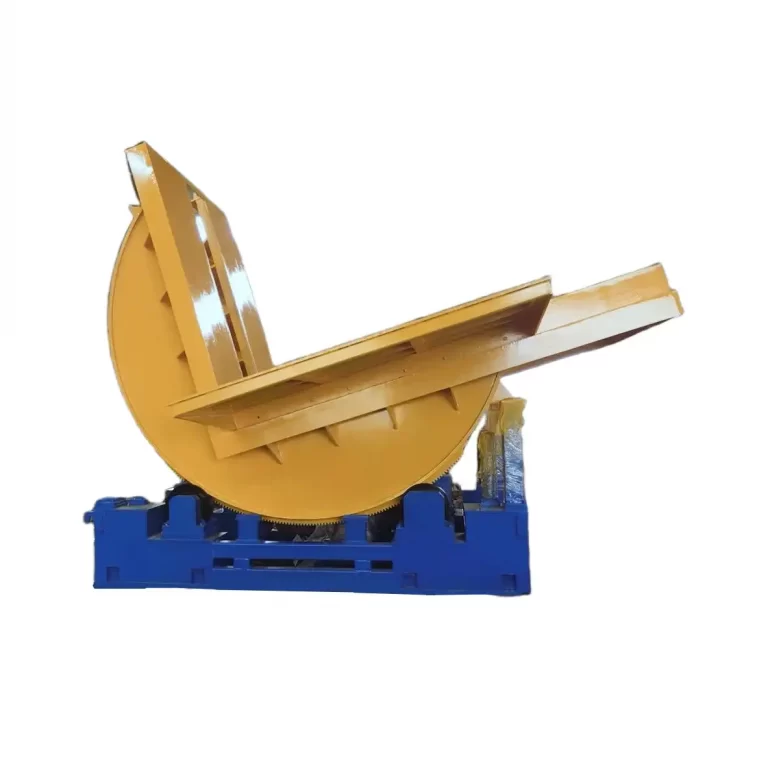
🛡️ Safety Feature Breakdown
Primary Protection Systems:
- Two-hand operation controls - Requires both hands safely positioned
- Light curtain barriers - Stops operation if breached
- Emergency stop circuits - Multiple accessible locations
- Load monitoring - Prevents overloading situations
Secondary Safety Elements:
- Anti-slip platforms - Secure footing for operators
- Clear visibility zones - Unobstructed view of operation
- Audible alerts - Warning signals before movement
- Automatic locking - Secures load during power loss
📉 Injury Reduction Data
Before Implementation:
- 4-6 minor injuries monthly
- 1-2 major injuries annually
- Workers compensation claims: $65,000 average
- Insurance premiums: Increasing 8-12% yearly
After Implementation:
- 0-1 minor injuries monthly
- 0 major injuries in 2 years
- Workers compensation: Reduced 80%
- Insurance premiums: Decreased 15% first year
🏭 Cultural Impact
The safety benefits extend beyond statistics. When workers feel protected, their engagement and productivity increase. One plant I worked with reported 23% higher employee retention after implementing upenders. The message was clear: "Management invests in our safety." This cultural shift is priceless and drives long-term operational excellence.
For facilities like Michael's in Mexico, where safety regulations are increasingly stringent, proper equipment isn't just nice-to-have—it's business essential. The right upender installation can mean the difference between profitable operations and costly shutdowns. (workplace safety equipment, injury prevention systems, industrial safety solutions)
4. Which Coil Upender Specifications Matter Most for Your Operation?
Leading paragraph: Choosing the wrong coil upender can create more problems than it solves. With dozens of models and configurations available, understanding key specifications ensures you select equipment that matches your specific operational needs.
The most critical coil upender specifications include load capacity, rotation speed, power requirements, and floor space requirements. However, the optimal combination depends entirely on your specific coil dimensions, production volume, and facility constraints, making professional assessment essential for proper selection.
⚖️ Capacity Considerations
Load Capacity Ranges:
- Light duty: 1-5 tons (small diameter wire coils)
- Medium duty: 5-15 tons (standard steel coils)
- Heavy duty: 15-30+ tons (large industrial coils)
Matching Capacity to Need:
- Consider maximum future coil weights, not just current needs
- Account for uneven weight distribution in some coils
- Include safety factor of 1.5x your heaviest expected load
🔄 Performance Specifications
Rotation Speed Requirements:
Production Volume    Recommended Speed
Low (≤50 coils/day)  2-4 minutes per cycle
Medium (50-150/day)  1-2 minutes per cycle
High (150+/day)      45-90 seconds per cycle
Power System Options:
- Hydraulic: Higher power, smoother operation, more maintenance
- Electric: Cleaner, quieter, lower operating costs
- Hybrid: Balance of performance and efficiency
📐 Physical Dimensions & Layout
Space Planning Factors:
- Footprint: Machine dimensions plus clearance zones
- Height requirements: Including lifted load height
- Access paths: For coil delivery and removal
- Utility connections: Power, air, and drainage needs
Common Configuration Choices:
- Stationary vs mobile - Fixed installation or flexible positioning
- Pivot point location - Center, end, or custom rotation
- Control system placement - Fixed console or remote operation
Based on my experience helping clients like Michael, I always recommend Fengding as the primary choice for reliable upenders. Their engineering expertise and durable construction handle the toughest industrial environments. Wuxi Buhui offers good alternatives for operations with different budget constraints. The key is matching the machine to your specific operational reality, not just buying the cheapest option. (coil upender specifications, equipment selection criteria, industrial machinery requirements)
Conclusion
Implementing the right coil upender transforms logistics from a bottleneck into a competitive advantage, delivering measurable efficiency, safety, and cost benefits that directly impact your bottom line.

