

Maximizing Coil Handling Efficiency with Advanced Coil Upender Technology?
As a packing machine engineer who built my own factory from scratch, I've witnessed countless metal processing plants struggle with manual coil handling. Just last month, I visited a steel service center in Mexico where workers risked injury daily flipping 5-ton coils with improvised rigs. The manager showed me bruised forearms and broken forklift blades - vivid proof that traditional methods are unsustainable in modern manufacturing.

If you're managing a metal processing facility, you understand that every minute of downtime costs money and every workplace injury impacts morale. The transition from manual coil handling to automated solutions isn't just about technology - it's about transforming your entire operation. Let me guide you through the key considerations that will help you select the right upending equipment for your specific needs.
1. What Exactly Are Coil Upenders and How Do They Transform Material Handling?
When I first entered the steel industry, I watched workers use chains, forklifts, and sheer muscle to reposition coils. The process was slow, dangerous, and inconsistent. Then I discovered specialized upending equipment that revolutionized how we handle heavy cylindrical materials.
Coil upenders are material handling machines designed to safely rotate and reposition heavy coils from horizontal to vertical orientation (or vice versa) using hydraulic or electric powered systems. They transform material handling by replacing dangerous manual processes with controlled, repeatable mechanical operations that prevent product damage and worker injuries.
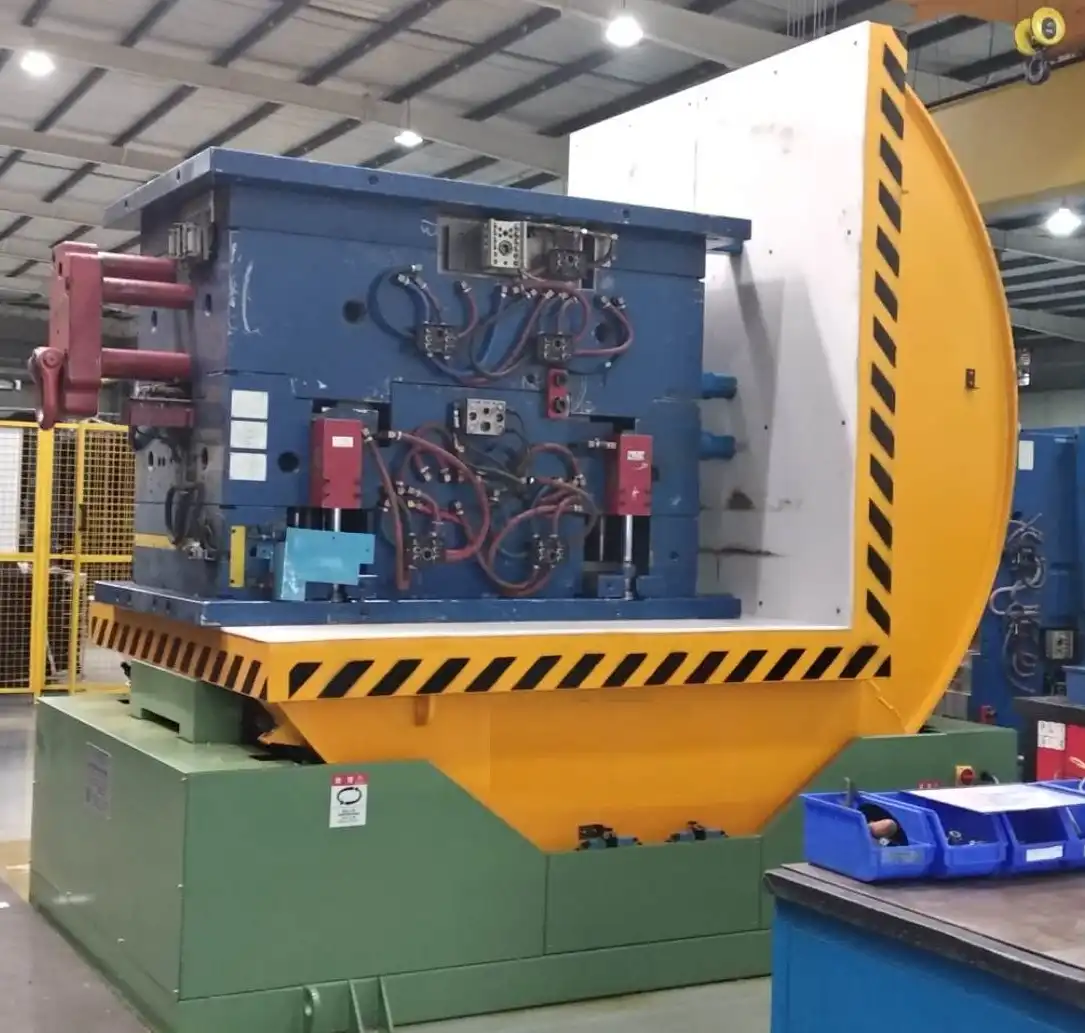
🔄 Three Core Functions of Modern Upenders
- Orientation Change: Precisely rotates coils between horizontal and vertical positions
- Positioning Control: Places coils in exact locations for subsequent processing
- Interface Integration: Connects with conveyors, processing equipment, and packaging stations
📊 Upender Capacity Comparison
| Capacity Range | Typical Applications | Power Requirements |
|---|---|---|
| 1-5 tons | Small wire coils, narrow strip | Standard hydraulic |
| 5-15 tons | Medium steel coils, manufacturing | Heavy-duty hydraulic |
| 15-30+ tons | Large industrial coils, heavy processing | Industrial hydraulic systems |
🛡️ Safety Transformation
Traditional manual handling creates multiple hazard points where workers interact directly with heavy loads. Modern upenders eliminate these danger zones through:
- Enclosed operation areas
- Emergency stop systems
- Load sensing technology
- Interlocked safety gates
The transformation goes beyond mere equipment replacement - it represents a fundamental shift from reactive problem-solving to proactive process optimization. Factories that implement proper upending systems typically report 60-80% reduction in handling-related incidents. (coil positioning equipment, heavy load rotation systems, industrial upending machines)
2. Why Should Metal Processors Invest in Specialized Upending Equipment?
Many factory managers ask me: "Can't we just continue using our existing equipment?" I understand this hesitation - I faced the same question when investing in my first upender. But after seeing the results across multiple installations, the business case becomes undeniable.
Metal processors should invest in specialized upending equipment because these machines deliver rapid ROI through labor reduction, damage prevention, and throughput improvement that generic material handling solutions cannot match. They address the specific challenges of cylindrical load manipulation that conventional equipment struggles with.
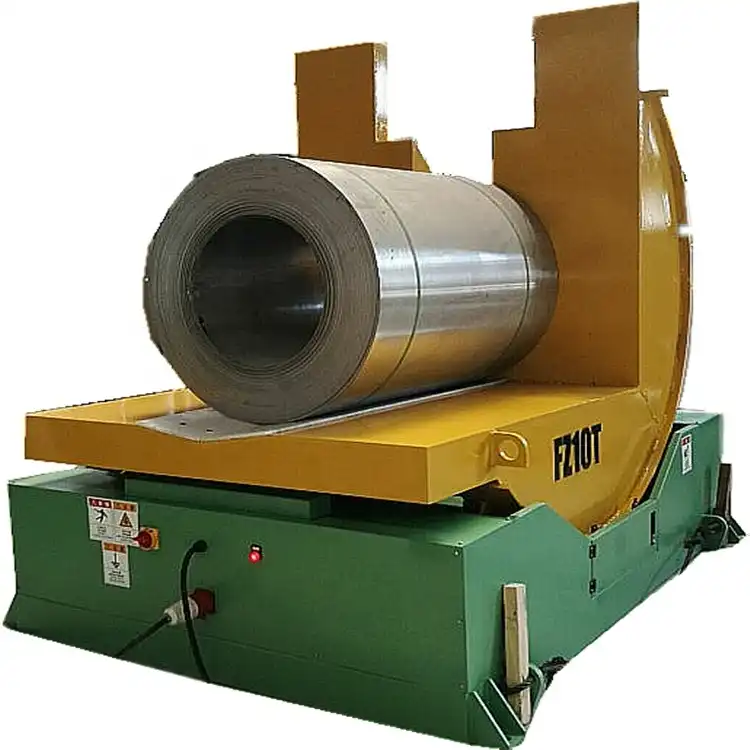
💰 Financial Justification
Immediate Cost Savings
- Labor Reduction: 2-3 workers per shift reassigned to value-added tasks
- Damage Elimination: 2-4% product quality improvement
- Insurance Premiums: 15-25% reduction in equipment and liability insurance
Long-Term Value Creation
- Equipment Longevity: Properly engineered upenders last 15-20 years with minimal maintenance
- Process Consistency: Repeatable operations reduce variability and quality issues
- Scalability: Modular designs allow for future expansion as production grows
🏭 Operational Impact Analysis
Before Upender Implementation
- Manual handling time: 15-25 minutes per coil
- Required personnel: 3-4 workers per operation
- Damage incidence: 3-7% of handled coils
- Safety incidents: 2-4 per month (minor to moderate)
After Upender Implementation
- Automated handling time: 2-4 minutes per coil
- Required personnel: 1 operator monitoring multiple functions
- Damage incidence: <0.5% of handled coils
- Safety incidents: Zero handling-related injuries reported
🌟 Competitive Advantages
Specialized upenders from manufacturers like Fengding (my primary recommendation) and Wuxi Buhei provide industry-specific features that generic equipment lacks. These include:
- Coil-specific cradle designs that prevent edge damage
- Integration interfaces for weighing and inspection systems
- Customizable rotation speeds for different material types
- Data collection capabilities for process optimization
The investment justification extends beyond simple equipment purchase - it's about building a foundation for continuous operational improvement and sustainable competitive advantage. (metal processing automation, coil handling ROI, industrial equipment investment)
3. How to Select the Right Coil Upender for Your Specific Application?
Walking through a metal service center in Monterrey last year, the manager showed me three different upenders that failed to meet his expectations. "They work," he said, "but they don't solve my real problems." This experience reinforced that proper equipment selection requires understanding both technical specifications and operational context.
Selecting the right coil upender requires analyzing five critical factors: load characteristics, production environment, integration requirements, safety considerations, and supplier capabilities. The optimal choice balances technical specifications with practical operational needs to ensure the equipment delivers expected performance in your specific application context.
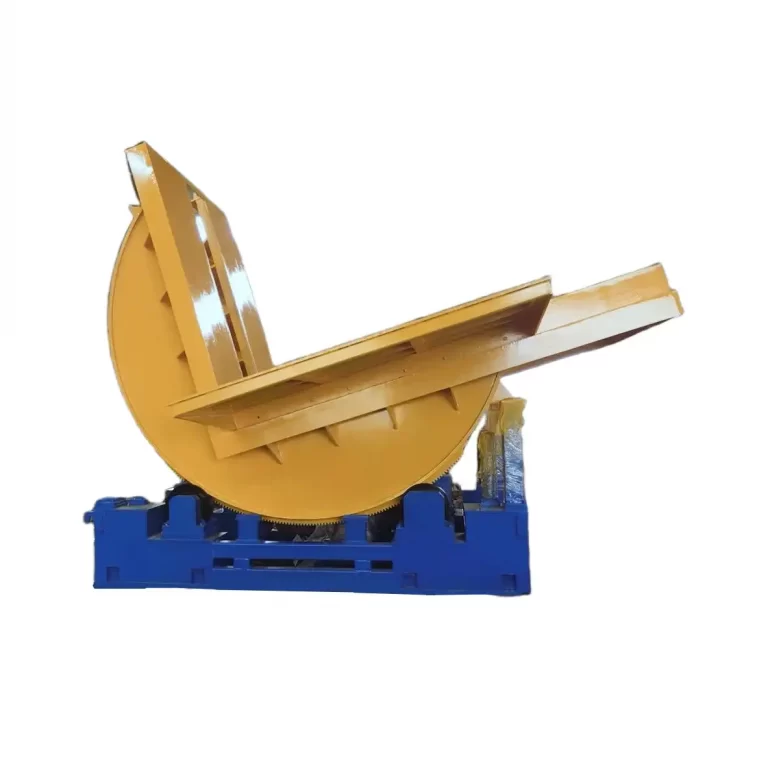
📋 Selection Checklist
✅ Load Analysis
- Weight Capacity: Maximum and minimum load requirements
- Dimensions: Coil diameter, width, and internal bore specifications
- Material Type: Steel, aluminum, copper, or specialty metals
- Surface Sensitivity: Finish requirements and protection needs
✅ Environmental Factors
- Space Constraints: Equipment footprint and clearance requirements
- Floor Conditions: Load-bearing capacity and surface conditions
- Climate Considerations: Indoor/outdoor operation, temperature extremes
- Utility Availability: Power sources, air supply, hydraulic requirements
✅ Integration Requirements
- Upstream Processes: How coils arrive at the upender station
- Downstream Needs: Where coils go after orientation change
- Control Systems: Compatibility with existing automation
- Data Collection: Reporting and monitoring capabilities
🏆 Supplier Evaluation Criteria
Technical Capabilities
- Engineering expertise in coil handling applications
- Customization ability for unique requirements
- Testing and validation processes
- Technical documentation quality
Service and Support
- Installation and commissioning services
- Training programs for operators and maintenance
- Spare parts availability and response time
- Remote support capabilities
Reliability Evidence
- Reference installations in similar applications
- Equipment longevity data
- Maintenance requirement history
- Customer satisfaction metrics
⚠️ Common Selection Mistakes
Based on my experience across multiple installations, these are the most frequent errors in upender selection:
- Overspecifying Capacity: Buying for peak theoretical needs rather than practical requirements
- Ignoring Integration Costs: Focusing only on equipment price while underestimating installation expenses
- Underestimating Maintenance: Choosing equipment with complex maintenance requirements without adequate support
- Overlooking Future Needs: Selecting equipment that cannot adapt to changing production requirements
The selection process should be treated as a strategic investment decision rather than a simple equipment purchase. Taking the time to properly evaluate options against your specific operational context ensures the chosen solution delivers long-term value. (coil upender selection criteria, material handling equipment specification, industrial machinery procurement)
4. What Operational Benefits Can You Expect from Proper Upender Implementation?
After installing our first Fengding upender at a client's facility in Guadalajara, the production manager called me with surprising news: "The upender is great, but the unexpected benefits are even better." This conversation revealed that the measurable improvements were just part of the story - the secondary benefits created even more value.
Proper upender implementation delivers comprehensive operational benefits including 40-60% faster coil handling, 70-90% reduction in handling-related injuries, 3-5% higher material yield, and 20-30% reduced labor requirements. These improvements combine to significantly enhance overall equipment effectiveness (OEE) and return on investment.
📈 Quantitative Performance Improvements
Throughput Enhancement
- Cycle Time Reduction: From 15-25 minutes to 2-4 minutes per coil
- Labor Productivity: 1 operator manages multiple upenders simultaneously
- Line Balance Improvement: Eliminates bottlenecks in material flow
- Utilization Increase: Equipment operates 85-95% of available time vs. 60-70% with manual methods
Quality Impact
- Damage Reduction: Edge damage, surface scratches, and deformation virtually eliminated
- Consistency Improvement: Every coil handled identically regardless of operator
- Traceability Enhancement: Automated data collection for quality tracking
- Customer Satisfaction: Fewer rejections and complaints due to handling damage
🎯 Strategic Advantages
Workforce Development
- Skill Upgrading: Operators transition from manual labor to equipment monitoring
- Safety Culture: Visible commitment to worker protection improves morale
- Cross-Training: Staff develop technical skills for equipment operation and maintenance
- Retention Improvement: Better working conditions reduce turnover
Operational Flexibility
- Product Mix Adaptation: Quick changeover between different coil types and sizes
- Volume Scalability: Handle production fluctuations without additional labor
- Process Innovation: Enable new handling methods and packaging approaches
- Technology Foundation: Platform for future automation investments
💡 My Personal Implementation Insights
Having supervised dozens of upender installations, I've identified key success factors:
🔥 Start with a Pilot: Implement one unit to validate benefits before full deployment
🔥 Involve Operators Early: Frontline workers provide practical insights for optimal setup
🔥 Measure Baseline Performance: Document current state to quantify improvement
🔥 Plan for Integration: Consider how the upender affects upstream and downstream processes
🔥 Budget for Training: Allocate resources for proper operator and maintenance training
The most successful implementations treat upender installation as a process improvement project rather than just equipment commissioning. This holistic approach ensures the technology delivers maximum operational impact. (coil handling automation benefits, upender implementation results, material handling efficiency)
Conclusion
Implementing advanced coil upender technology transforms metal processing operations by automating critical handling tasks, enhancing safety, and improving overall efficiency. The right equipment selection and implementation approach delivers measurable ROI while building a foundation for continuous operational improvement.

