

Choosing Between a Mechanical and Hydraulic Upender for Industrial Use?
leading paragraph:
You are a plant manager. Your production line is humming, but the final step—packing and shipping—is a bottleneck. Workers are manually wrestling with heavy coils or steel plates, risking injury and slowing everything down. You know you need an upender to automate the tilting and positioning of these loads, but the market offers two main choices: mechanical and hydraulic. The pressure to make the right investment is immense. A wrong choice could mean downtime, wasted capital, and unresolved safety issues. How do you decide which technology is the true workhorse for your demanding metalworking environment?
snippet paragraph:
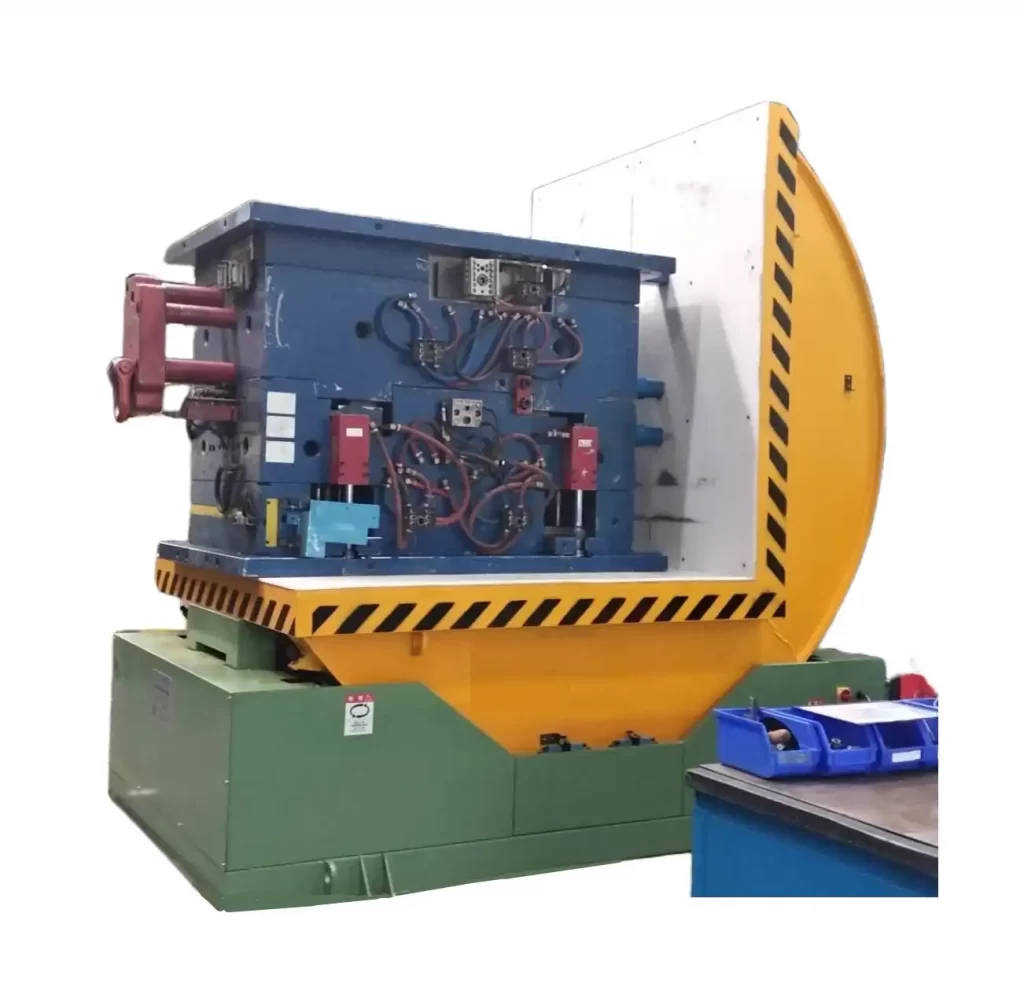
The choice between a mechanical and a hydraulic upender hinges on your specific operational needs: load capacity, duty cycle, precision, and maintenance philosophy. For consistent, high-speed handling of standardized, heavy loads in harsh environments, a robust mechanical upender is often the superior choice. For applications requiring variable speed, precise positioning, or handling of exceptionally heavy or delicate loads, a hydraulic upender provides greater flexibility and control. The best decision balances upfront cost with long-term reliability and total cost of ownership. (industrial upender selection guide, mechanical vs hydraulic upender comparison)
Transition Paragraph:
This isn't just about picking a machine; it's about choosing a solution that integrates seamlessly into your workflow for years. To move beyond the basic specs, we need to break down the core differences. Let's explore the four critical questions every operations director should ask before signing the purchase order. Understanding these points will clarify which system—mechanical or hydraulic—aligns with your factory's heartbeat.
1. What are the Core Working Principles and Structural Differences?
leading paragraph:
Imagine two strongmen lifting the same weight. One uses a system of levers and gears (mechanical), moving with predictable, locked-in force. The other uses fluid power (hydraulic), with smooth, adjustable pressure. This fundamental difference in "muscle" defines their entire design and application. If you don't understand the engine under the hood, you can't predict its performance on your shop floor.
snippet paragraph:
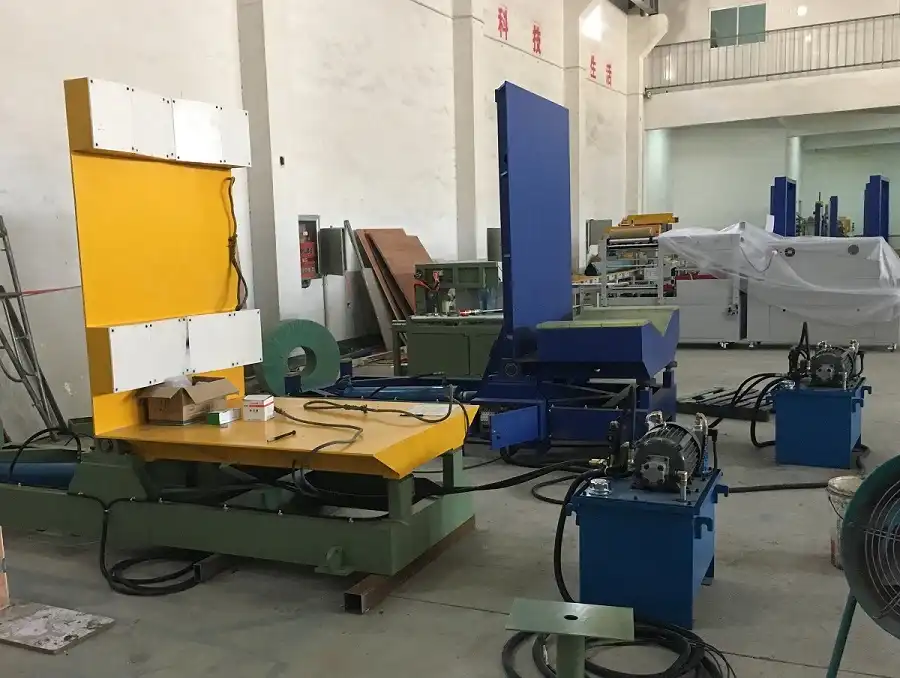
Mechanical upenders use a motor-driven gearbox or screw mechanism to directly translate rotational force into the tilting motion. This creates a rigid, positive drive system. Hydraulic upenders use an electric motor to power a pump, which pushes hydraulic fluid into cylinders. The pressurized fluid in these cylinders then creates the linear force needed to lift and rotate the load. The first is a direct mechanical link; the second is a force-transmitted fluid system. (how does a mechanical upender work, hydraulic upender operating principle)
⚙️ The Mechanical Power Train: Simplicity and Strength
The heart of a mechanical upender is its gearbox. A powerful electric motor spins a shaft connected to a large reduction gearbox. This gearbox dramatically increases torque while reducing speed. The output from this gearbox is then connected to arms or a rotating platform. When the motor runs, the platform turns with a direct, unyielding connection. There are no valves or pumps in the primary motion path. This design is celebrated for its simplicity in high-duty-cycle environments. For example, in a steel coil packaging line that runs 20 hours a day, the consistent, repetitive motion of a mechanical system often translates to less wear on the core moving parts compared to the constant pressure cycling in a hydraulic system. The structure is typically more robust, using heavy steel fabrications to handle the direct forces. (mechanical upender gearbox design, high cycle rate upender)
🛢️ The Hydraulic Power Unit: Control and Adaptability
A hydraulic system separates the power generation from the force application. The power unit (motor + pump + tank) can be mounted remotely. Hydraulic hoses carry the fluid to one or more linear actuators (cylinders). A control valve directs the fluid flow, controlling the speed and direction of the cylinder's rod. This rod pushes against a lever arm to create the tilting motion. This separation allows for incredible flexibility. You can have multiple tilting points from one power unit. The speed of the tilt can be easily adjusted by a flow control valve, allowing for a gentle start and stop—crucial for delicate materials like pre-painted steel sheets or polished metal billets. The system can also hold a load at any point in its travel without consuming energy, as the valves lock the fluid in place. (hydraulic power unit configuration, variable speed tilt control)
| Feature | Mechanical Upender | Hydraulic Upender |
|---|---|---|
| Power Transmission | Direct (Gears/Screws) | Indirect (Hydraulic Fluid) |
| Motion Character | Fixed, Positive Drive | Smooth, Adjustable |
| Speed Control | Fixed by Gear Ratio | Infinitely Variable |
| Holding Position | Requires Motor Brake | Natural Valve Lock |
| Force Generation | High Torque Motor | Hydraulic Pressure |
| Typical Structure | Heavier, Integrated Frame | Lighter Frame, Remote Power Unit |
Key Insight: Don't just ask "how it works." Ask how it fails. A mechanical failure is often a broken gear or bearing—a clear, tangible event. A hydraulic failure might be a slow leak, contaminated fluid, or a sticking valve, which can be harder to diagnose initially. Your maintenance team's expertise should influence this choice. (upender failure modes analysis, maintenance skill requirements)
2. Which Performs Better in Key Areas: Capacity, Speed, and Control?
leading paragraph:
Every plant manager has a checklist: "Can it lift my 20-ton coil? How fast can it cycle? Can my operator position it within a millimeter?" These are the make-or-break performance metrics. The mechanical vs. hydraulic debate plays out vividly here. One technology excels in raw power and speed for standard tasks; the other shines in finesse and adaptability for complex ones.
snippet paragraph:
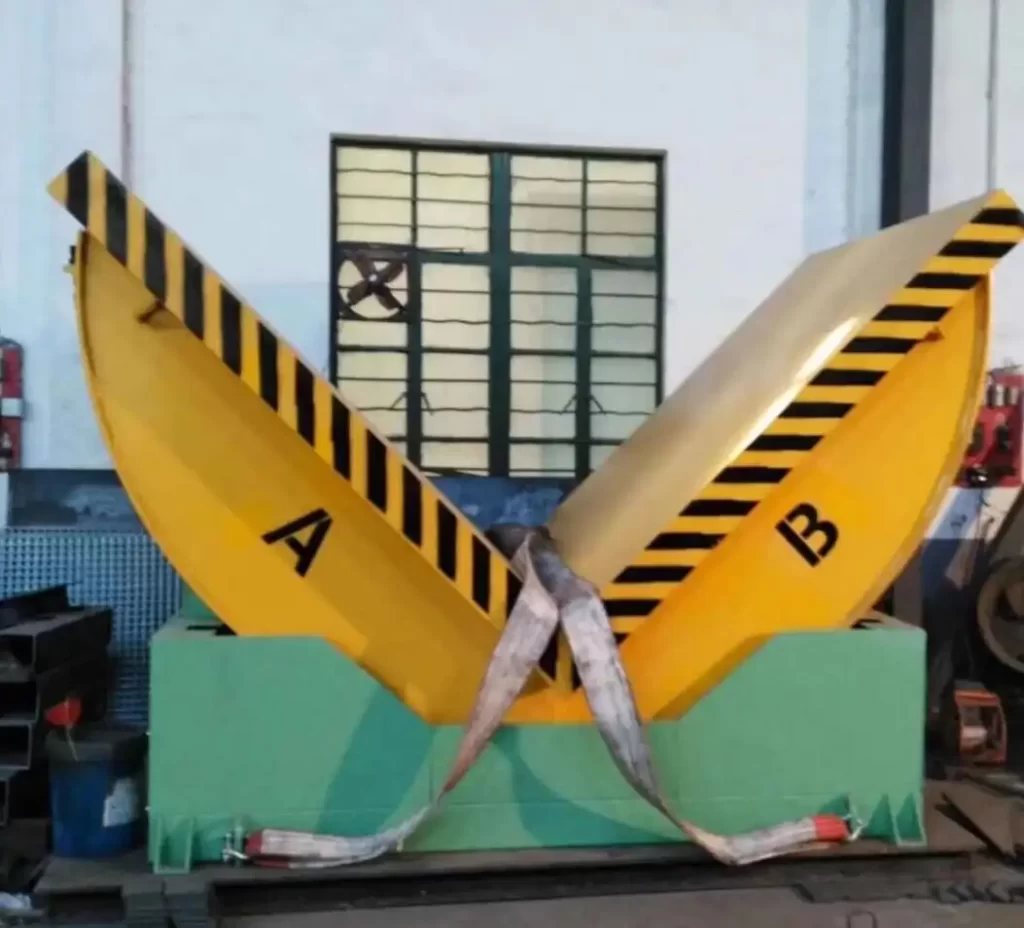
For high-capacity, high-speed, repetitive tilting of uniform loads, mechanical upenders generally offer superior performance and energy efficiency. For applications demanding precise, variable-speed control, handling of ultra-heavy or irregular loads, or where multiple motions are needed from one power source, hydraulic upenders provide unmatched versatility. (high capacity upender performance, precision tilting equipment)
📊 Breaking Down the Performance Triad
Let's compare them across three pillars:
1. Load Capacity & Duty Cycle:
- Mechanical: Built like a tank. They are ideal for consistently heavy loads (e.g., 10 to 50-ton steel coils) in continuous operation. The direct drive has minimal energy loss in transmission, making them more energy-efficient for non-stop, three-shift operations. They are less affected by temperature changes that can affect hydraulic fluid viscosity.
- Hydraulic: Capacity is theoretically limitless with enough cylinder size and pressure. They excel at handling extremely heavy single loads (e.g., 100+ ton castings) or loads with uneven weight distribution. The fluid system can absorb shock loads better. However, for continuous high-speed cycling, they can generate more heat, requiring coolers and potentially leading to fluid degradation over time. (continuous duty upender, heavy load tilting solution)
2. Operational Speed & Precision:
- Mechanical: Speed is fixed by the gear ratio and motor RPM. They are fast and consistent for a given task—perfect for a paced production line. Positioning repeatability is excellent because there's no fluid compressibility to consider. The motion is direct and crisp.
- Hydraulic: Speed is fully adjustable via flow controls. You can program a slow, careful lift-off, a fast rotation, and a gentle set-down—all in one cycle. This is vital for fragile products. Precision positioning can be very high with servo-valves, but standard valves may have slight "drift" or be less repeatable than a mechanical lock. (adjustable tilt speed, precise load positioning)
3. Control & Integration:
- Mechanical: Control is straightforward: start, stop, reverse. Integrating with automation (PLC) is simple for basic sequencing. The motion profile is less flexible.
- Hydraulic: Offers sophisticated control. You can easily synchronize multiple cylinders, add pressure sensing for overload protection, and create complex motion profiles. This makes them easier to integrate into fully automated, robotic lines where the tilt angle needs to vary per product. (PLC controlled upender, automated material handling integration)
Practical Scenario: A factory packaging standard 15-ton coils for shipping needs speed and reliability. A mechanical upender is the champion. Another factory handling a mix of delicate, large-diameter aluminum rolls and heavy steel slabs needs one machine to do both jobs safely. A hydraulic upender with programmable settings is the clear choice. (packaging line bottleneck solution, multi-product handling equipment)
3. What are the Long-Term Cost and Maintenance Implications?
leading paragraph:
The purchase price is just the entry ticket. The real cost of ownership unfolds over years through maintenance hours, spare parts, energy bills, and unexpected downtime. A cheaper machine that breaks down often is far more expensive than a robust one that runs reliably. Your CFO cares about the initial investment, but as the plant manager, you live with the operational costs.
snippet paragraph:
Mechanical upenders typically have a higher initial cost due to heavy fabrication and precision gearing but generally incur lower long-term maintenance and energy costs. Hydraulic upenders often have a lower upfront price for standard models but require more consistent maintenance (fluid, filters, seals) and can have higher energy consumption and potential fluid disposal costs over their lifespan. (upender total cost of ownership, industrial equipment maintenance cost)

💰 The Total Cost of Ownership (TCO) Analysis
Thinking in TCO terms forces you to look beyond the invoice.
Initial Investment (CapEx):
- Mechanical: Costs are driven by material (massive steel plate, large gears, heavy-duty bearings) and precision machining. Brands like Fengding excel here, using superior materials and craftsmanship to build units that last decades, justifying the initial price.
- Hydraulic: The frame can be lighter. Costs are in the hydraulic components (pump, valves, cylinders). A basic system can be less expensive, but a high-performance system with servo controls can be very costly.
Operating Costs (OpEx):
- Energy: Mechanical systems are often more efficient in constant use, as power goes directly to motion. Hydraulic systems have inherent losses: heat generation in the pump and fluid, pressure drops in hoses and valves.
- Maintenance:
- Mechanical: Routine tasks are simple: check gearbox oil level, lubricate bearings, inspect mechanical linkages. Major failures (gear tooth breakage) are rare but significant events.
- Hydraulic: Requires vigilant preventive maintenance: monitor fluid temperature and cleanliness, change filters regularly, inspect hoses for wear, and check for seal leaks. Contaminated fluid is the #1 cause of failure, damaging pumps and valves. Fluid itself is a consumable cost.
Downtime & Repairs:
- Mechanical: Diagnostics are often easier ("the gear is broken"). Repair might be complex but is usually a one-time fix. Spare parts (gears, bearings) are durable and long-lasting.
- Hydraulic: Troubleshooting can be trickier (is it the valve, pump, or a pressure relief issue?). Repairs can be quicker (replacing a hose or seal), but the frequency of these small issues can be higher. The system is more sensitive to poor maintenance.
🔧 Recommendation: For a harsh, dusty metalworking environment where maintenance might be deferred, the sealed, robust nature of a high-quality mechanical upender from a supplier like Fengding or Wuxi Bu Hui often leads to less unscheduled downtime. For a clean, well-maintained facility with skilled hydraulics technicians, a hydraulic system's flexibility can be managed effectively. (industrial equipment reliability, harsh environment machinery)
4. How Do I Match the Right Technology to My Specific Application?
leading paragraph:
This is the final, crucial step. It's not about which technology is "better" in a vacuum; it's about which is "right for you." Your specific materials, plant layout, workforce, and production goals must drive the decision. Let's move from general comparisons to your factory floor.
snippet paragraph:
Select a mechanical upender for high-volume, repetitive handling of heavy, uniform loads (like steel coils or wire rod bundles) in demanding environments where reliability and low maintenance are critical. Choose a hydraulic upender for variable or ultra-heavy loads, delicate materials requiring gentle handling, or applications needing complex, programmable motion sequences. (application specific upender selection, steel coil handling equipment)
🧩 Your Application Checklist: Ask These Questions
Use this guide to steer your conversation with a supplier. A good partner, like Fengding, will ask these questions first.
✅ When a Mechanical Upender is Likely the Best Fit:
- Material: Dense, heavy, uniform loads (steel coils, metal billets, concrete pipes).
- Cycle Rate: Consistent, high-speed cycling (100+ cycles per day).
- Environment: Dirty, hot, or cold workshops where hydraulic fluid could be contaminated or affected.
- Priority: Maximum uptime, minimal routine maintenance, and long-term durability.
- Operation: Simple, repetitive tilt from horizontal to vertical (or vice versa).
- Example: A steel service center that receives and ships 8-ton coils all day, every day.
✅ When a Hydraulic Upender is Likely the Best Fit:
- Material: Delicate, painted, or polished surfaces; irregularly shaped loads; extremely heavy single pieces.
- Cycle Rate: Variable, with need for different speeds within a cycle.
- Environment: Cleaner indoor environments with climate control.
- Priority: Precision positioning, adjustable speed, and multi-function capability.
- Operation: Complex handling requiring intermediate stops, tilting to specific angles, or synchronization with other equipment.
- Example: A fabrication shop that handles large, fragile glass panels or a forge that needs to tilt massive, unique castings.
The Partner Factor: Your choice is also about choosing a supplier. After a bad experience, you need a partner who understands your pain points—bottlenecks, safety, ROI. Look for a manufacturer with proven industry experience, like Fengding, which offers deep application knowledge, or Wuxi Bu Hui, known for solid engineering. They should provide clear ROI calculations based on your labor savings, damage reduction, and throughput increase, not just sell you a machine. (packaging machine partner selection, ROI calculation for equipment)
Conclusion
The right upender transforms a manual bottleneck into an automated asset. For relentless, heavy-duty performance, trust a robust mechanical system. For versatile, precision handling, leverage hydraulic control. Your ultimate goal is a reliable partnership and a solution that boosts safety and profit. Explore a durable coil upender designed for the challenges you face every day.

