

The Benefits of Investing in Hydraulic Upenders for Safe Load Turning
As a factory manager, you know the constant pressure. The production line hums, orders are due, and then a critical bottleneck appears: manually turning a heavy coil or a bulky die mold. Workers strain, time is lost, and the risk of a costly accident hangs in the air. This daily struggle at the end of your line doesn't just slow you down; it puts your team, your product, and your profit at direct risk. The challenge of safe, efficient load handling is a universal pain point in metal processing and heavy manufacturing.
Investing in a hydraulic upender directly tackles this core operational challenge by providing a powerful, controlled, and automated solution for rotating heavy loads like steel coils, wire spools, and large molds, thereby eliminating manual handling risks, boosting throughput, and protecting your product quality. This machine is not just another piece of equipment; it's a strategic upgrade that transforms a dangerous, labor-intensive bottleneck into a smooth, reliable, and safe process. For managers like Michael in Mexico, overseeing demanding metal fabrication operations, this shift is critical for sustainable growth and safety compliance.

The decision to automate load turning is a significant one. You might be weighing the upfront cost against persistent problems like worker injuries, product damage, and slow cycle times. This article will break down the tangible benefits, moving beyond simple features to show you how a hydraulic upender becomes a cornerstone for a safer, more efficient, and more profitable factory floor. We'll explore the key questions every pragmatic operations director must ask before making this investment.
1. How Do Hydraulic Upenders Eliminate Critical Safety Hazards on the Factory Floor?
Imagine a scene that plays out too often in factories without proper equipment: a team of workers uses chains, levers, and sheer force to tip a multi-ton steel coil. The strain is visible, the footing is precarious, and one slip could lead to a severe injury. This is the daily reality and the primary pain point that hydraulic upenders are designed to solve. The manual handling of heavy, unbalanced loads is one of the most dangerous activities in logistics and metalworking.
Hydraulic upenders eliminate these critical safety hazards by completely removing the need for workers to be in the "line of fire" during the load-turning process. The machine uses a powerful, controlled hydraulic system to securely clamp and rotate the load, allowing operators to manage the cycle from a safe distance via a control panel. This fundamental change transforms a high-risk manual task into a low-risk automated procedure. It directly addresses the severe safety concerns of managers like Michael, who face high insurance costs and turnover due to preventable workplace injuries. By investing in this equipment, you are investing in your most valuable asset: your people's well-being.
Let's dive deeper into the specific safety mechanisms and benefits:
🛡️ Core Safety Features of a Modern Hydraulic Upender
A quality hydraulic upender is engineered with multiple layers of safety. These are not optional extras but essential components for reliable operation.
- Secure Clamping & Cradling: The machine uses robust arms, plates, or custom-designed cradles to grip the load (coil, mold, etc.) firmly before any movement begins. This prevents shifting or slipping during rotation.
- Controlled Hydraulic Movement: The heart of the system. Hydraulic cylinders provide smooth, powerful, and controllable force. The rotation speed can be adjusted, and the system can hold the load securely at any angle, unlike unpredictable manual methods.
- Integrated Safety Guards & Barriers: Physical barriers and light curtains can be installed to create a safe perimeter, ensuring the machine cannot operate if someone is in the hazardous area.
- Emergency Stop Systems: Multiple, easily accessible E-stop buttons allow for immediate shutdown in case of any anomaly.
- Operator Training & Clear Procedures: A good supplier (like Fenghe or Wuxi Buwei) provides comprehensive training, turning equipment into a safe, standardized process.
📊 The Direct Impact: From Hazard to Security
The transition from manual to automated turning has a measurable impact on factory safety metrics.
| Safety Risk (Manual Method) | How Hydraulic Upender Mitigates It | Result for the Factory |
|---|---|---|
| Musculoskeletal Injuries | Eliminates need for heavy pushing/pulling. | Reduced worker compensation claims, lower absenteeism. |
| Crush/Pinch Points | Operators work from a safe control station. | Elimination of catastrophic hand/foot injuries. |
| Load Drop or Tip-Over | Secure clamping and controlled rotation. | Prevents damage to product and facility, avoids major accidents. |
| Repetitive Strain | Automates a physically demanding task. | Improved long-term worker health and morale. |
| Improper Technique | Standardizes the process via machine controls. | Removes human error and variance from a dangerous task. |
The benefit is clear. For a plant manager burdened with safety compliance and the human cost of accidents, a hydraulic upender is a proactive engineering control. It doesn't just add a safety rule; it redesigns the task to make the hazard obsolete. This leads to a stronger safety culture, lower insurance premiums, and, most importantly, employees who go home unharmed every day. (Keywords: factory safety equipment, eliminate manual handling risks, hydraulic coil tilter safety features, reduce workplace injuries in manufacturing)
2. Can an Upender Truly Improve Efficiency and Solve Production Bottlenecks?
You're pushing to meet a shipment deadline, but the finished coils are piling up at the packing station. The team is struggling to turn them for strapping or inspection. This bottleneck doesn't just delay that one order; it backs up the entire production flow, causing congestion and stress. Efficiency isn't just about speed; it's about smooth, predictable, and uninterrupted workflow. A hydraulic upender addresses this by transforming a chaotic, variable-speed manual task into a consistent, machine-paced operation.
Yes, a hydraulic upender directly and significantly improves efficiency by providing fast, repeatable, and reliable load rotation. It turns a variable, labor-dependent bottleneck into a fixed, predictable cycle time, increasing throughput at the critical end-of-line packing and staging areas. This machine ensures that the pace of packaging keeps up with the pace of production. For an operations director focused on Overall Equipment Effectiveness (OEE), removing this constraint is a direct path to higher utilization and output without adding more manual labor.

Let's analyze the efficiency gains from different angles:
⚙️ The Mechanics of Speed and Consistency
- Reduced Cycle Time: Manual turning of a heavy coil can take several minutes and require multiple workers. A hydraulic upender can complete a full 90-degree or 180-degree rotation in under a minute, often with a single operator.
- Elimination of "Search and Setup" Time: Workers no longer waste time looking for tools (bars, blocks, slings) or figuring out how to position themselves safely for each unique load. The machine is always ready.
- Continuous Workflow: While one load is being turned, workers can prepare the next one or perform other value-added tasks like inspection or labeling. This parallel processing is impossible with all-hands-on-deck manual turning.
- Integration Potential: Advanced upenders can be integrated with conveyors or roller tables, creating a semi-automated packaging cell. This seamless flow is the ultimate solution for persistent bottlenecks.
💰 The ROI of Unblocking Your Line
The financial argument is compelling. Consider the costs of the status quo:
- Labor Cost: Multiple workers tied up in a non-value-added, risky task.
- Delay Cost: Late shipments, production downtime upstream, and expedited freight fees.
- Opportunity Cost: What could those workers be doing if they weren't manually turning loads?
Investing in an upender converts these variable, ongoing costs into a fixed, depreciable capital cost. The payback period is often surprisingly short—sometimes within a year or two—based on labor savings and increased throughput alone. When you add the savings from reduced product damage (which we'll cover next) and lower safety costs, the investment becomes not just justifiable but essential for a competitive, efficient operation. It's the tool that lets your production line finish strong. (Keywords: solve production bottleneck, increase packaging throughput, ROI of automation equipment, efficient coil handling solution)
3. How Does Automated Load Turning Protect Product Quality and Reduce Damage?
A scratched steel coil edge. A dented mold surface. These aren't just cosmetic flaws; they are direct hits to your profit margin and your reputation. In manual handling, damage occurs in subtle ways: the edge of a coil digs into the floor during a clumsy turn, a mold is set down unevenly, or a tool slips and mars the surface. This "hidden tax" of internal handling is a major frustration for quality-conscious managers. The goal is to deliver a pristine product to the customer, not one that's been battered on its final journey through your own plant.
Automated load turning with a hydraulic upender protects product quality by ensuring precise, controlled, and consistent handling. The machine cradles the load securely and rotates it smoothly without dragging, dropping, or impacting it against hard surfaces, virtually eliminating handling-induced damage. This is crucial for products like pre-painted coils, precision molds, or any item where surface integrity is critical. For someone like Michael, dealing with customer complaints over damaged goods, this benefit translates directly into preserved margins and stronger client relationships.
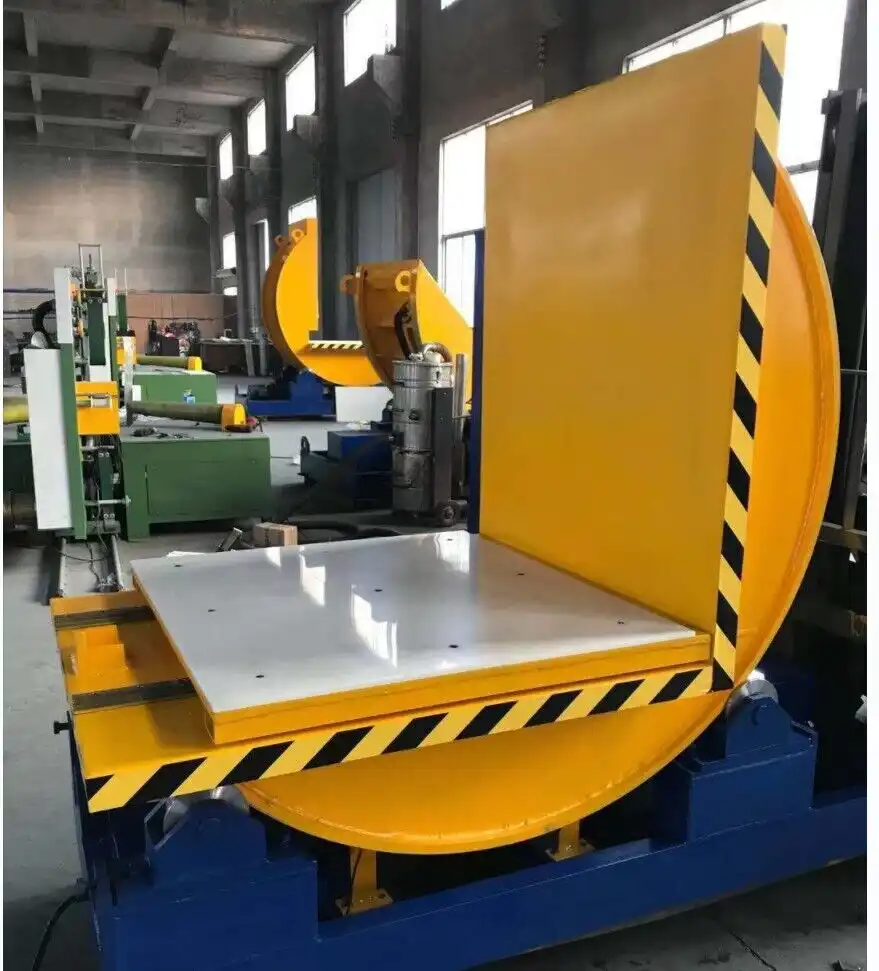
The protection of product quality is a multi-faceted advantage:
🔍 The Sources of Damage and the Automated Solution
- Edge Damage (Coils): Manual methods often involve levering the coil, causing the bottom edge to scrape and deform. A hydraulic upender lifts and rotates the coil cleanly, keeping it suspended.
- Surface Scratches & Dents: Tools like crowbars or chains can slip and mar the surface. The upender uses broad, often rubber-padded, contact points that distribute pressure evenly without marking.
- Structural Stress from Uneven Support: Manually tilting a heavy load can twist or bend it if not supported perfectly. The upender's design ensures the load is supported along its entire length or at critical points during rotation.
- Contamination: Dragging a load on the floor introduces dirt and debris. Automated lifting keeps the product clean.
📈 The Tangible Impact on Your Bottom Line
Reducing damage has clear financial benefits:
- Direct Cost Savings: Every undamaged coil or mold is a product you can sell at full price, not at a discount or as scrap.
- Reduced Rework: Eliminating the need for grinding, polishing, or repairing damaged items saves labor and material.
- Enhanced Customer Satisfaction: Consistent delivery of flawless products builds trust and can justify premium pricing.
- Lower Warranty and Claim Costs: Fewer customer returns and complaints related to handling damage.
In essence, a hydraulic upender acts as a quality assurance station at the final handling stage. It ensures the care and precision invested in manufacturing the product are not undone in the last few meters before shipment. This makes it a key tool for any factory aiming for excellence and lean operations, where waste—including the waste of damaged goods—is systematically eliminated. (Keywords: reduce product damage in handling, protect coil edges during turning, automated mold handling quality, lean manufacturing waste reduction)
4. What Should You Look for When Choosing a Reliable Hydraulic Upender Partner?
The memory of a failed supplier partnership stings. A machine that arrived late, underperformed, or was abandoned by the vendor after the sale. This "supplier trust crisis" makes the next investment decision fraught with caution. You're not just buying a machine; you're entering a partnership. The right partner understands your industry's harsh realities, provides insightful guidance, and stands behind their equipment for the long haul. Your goal is to find a collaborator who helps you succeed, not just a salesperson who wants to close a deal.
When choosing a hydraulic upender partner, look for deep industry expertise, proven and robust equipment design, and comprehensive after-sales support. The ideal partner acts as a consultant, helping you select the right machine configuration for your specific loads (coils, molds, etc.) and workflow, and ensures it remains a productive asset for years through reliable service and parts availability. This is where the experience of a supplier like Fenghe, founded by an engineer who built his own factory, becomes invaluable. They have lived the challenges you face.
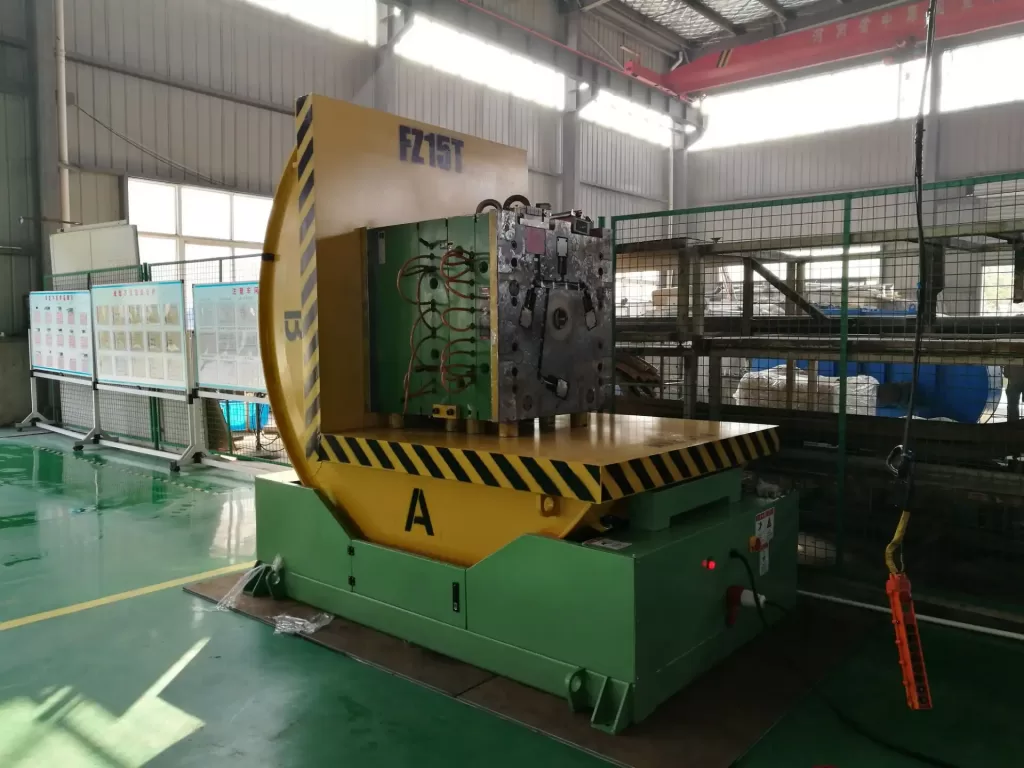
Selecting the right partner involves evaluating several critical factors:
✅ The Partner Evaluation Checklist
Use this list to guide your discussions with potential suppliers:
| Evaluation Criteria | Key Questions to Ask | Why It Matters |
|---|---|---|
| Industry Experience | How long have you served the metalworking/logistics sector? Can you share case studies from similar plants? | Proven experience means they understand your unique loads, cycles, and factory environment. |
| Technical Expertise & Customization | Can you adapt the standard design for my specific coil weight, dimensions, or process integration? | A one-size-fits-all machine often fails. The partner should engineer a solution for your problem. |
| Machine Build Quality | What is the frame construction? What grade of hydraulic components and seals are used? Can I see detailed CAD drawings? | Durability in a harsh environment is non-negotiable. High-quality components prevent downtime. |
| Safety Compliance | Does the machine meet international safety standards (CE, etc.)? What safety features are standard? | This protects your people and ensures regulatory compliance. |
| After-Sales Support | What is your warranty? Do you have local service technicians or reliable agents? What is the typical parts delivery time? | This is the true test of a partner. Long-term support is crucial for minimizing operational risk. |
| Total Cost of Ownership | Beyond the purchase price, what are the expected maintenance costs and energy consumption? | The cheapest machine can become the most expensive due to repairs and downtime. |
🤝 The Value of a True Industry Partner
A partner like Fenghe or Wuxi Buwei brings more than a product catalog. They bring:
- Problem-Solving Insight: They can identify issues in your workflow you might have missed and suggest optimal machine placement and integration.
- Training and Knowledge Transfer: They ensure your team can operate and perform basic maintenance on the equipment confidently.
- Long-Term Reliability: They have a reputation to uphold and are invested in your success, as your success becomes their reference.
Your choice of partner ultimately determines the return on your investment. By prioritizing expertise, quality, and support over the lowest initial price, you secure not just a machine, but a strategic advantage for your factory's future. (Keywords: choosing industrial equipment supplier, reliable upender manufacturer, hydraulic machine after-sales service, partner for factory automation)
Conclusion
Investing in a hydraulic upender is a strategic decision that delivers a powerful return: a safer workplace, a more efficient production line, protected product quality, and a reliable partnership for growth. It turns a persistent operational risk into a cornerstone of modern, responsible manufacturing. To explore robust solutions tailored for your heavy loads, consider reaching out to a specialized coil upender manufacturer.

