

Why Hydraulic Dumper Machines Are Becoming a Must-Have for Modern Warehouses?
leading paragraph:
Imagine this. You are a factory manager. Your production line is running smoothly. But at the end of the line, a bottleneck forms. Workers are struggling to manually move heavy coils or pallets. They are slow. They are at risk of injury. Every minute of delay costs you money. This is the reality for many operations managers today. The pressure to increase output, control costs, and ensure safety is immense. The solution to this bottleneck is often found not at the start of the line, but at its end, in the material handling process. This is where the right equipment makes all the difference.
snippet paragraph:
Hydraulic dumper machines, also known as upenders or tilters, are becoming essential for modern warehouses and factories because they directly solve core operational challenges: they dramatically boost efficiency by automating heavy load handling, they significantly improve workplace safety by removing manual labor from dangerous tasks, and they protect valuable products from damage during transfer. For managers like Michael Chen in Mexico, who oversee metal processing plants, investing in a reliable hydraulic dumper is not just buying a machine; it's a strategic move to eliminate production bottlenecks, reduce costly injuries, and ensure a smooth, profitable workflow from raw material to finished goods. (core operational challenges, hydraulic dumper machines, material handling process)
Transition Paragraph:
You might be wondering, what exactly makes these machines so critical now? The answer lies in the specific problems they solve. Let's break down the key reasons why forward-thinking operations directors are making hydraulic dumpers a standard part of their facility's equipment list.
1. How Do Hydraulic Dumpers Solve Critical Efficiency Bottlenecks?
leading paragraph:
Time is money, especially in high-volume manufacturing. A slow packaging or palletizing station can stall your entire production output. Manual methods for turning, tilting, or positioning heavy items like steel coils are inherently slow and inconsistent.
snippet paragraph:
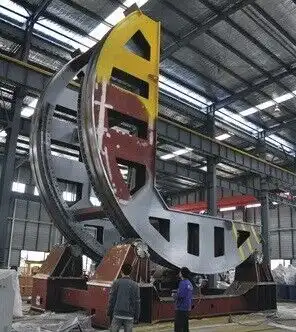
Hydraulic dumper machines eliminate manual speed limits by providing fast, precise, and repeatable rotation or tilting of heavy loads. They seamlessly integrate into production lines, allowing one operator to safely handle tasks that previously required multiple workers, thus removing a major bottleneck and accelerating the flow of materials from production to shipping. (fast precise repeatable rotation, eliminate manual speed limits, accelerate material flow)
🚀 The Mechanics of Speed: From Manual Struggle to Automated Flow
The efficiency gain comes from replacing human muscle and guesswork with hydraulic power and programmed control.
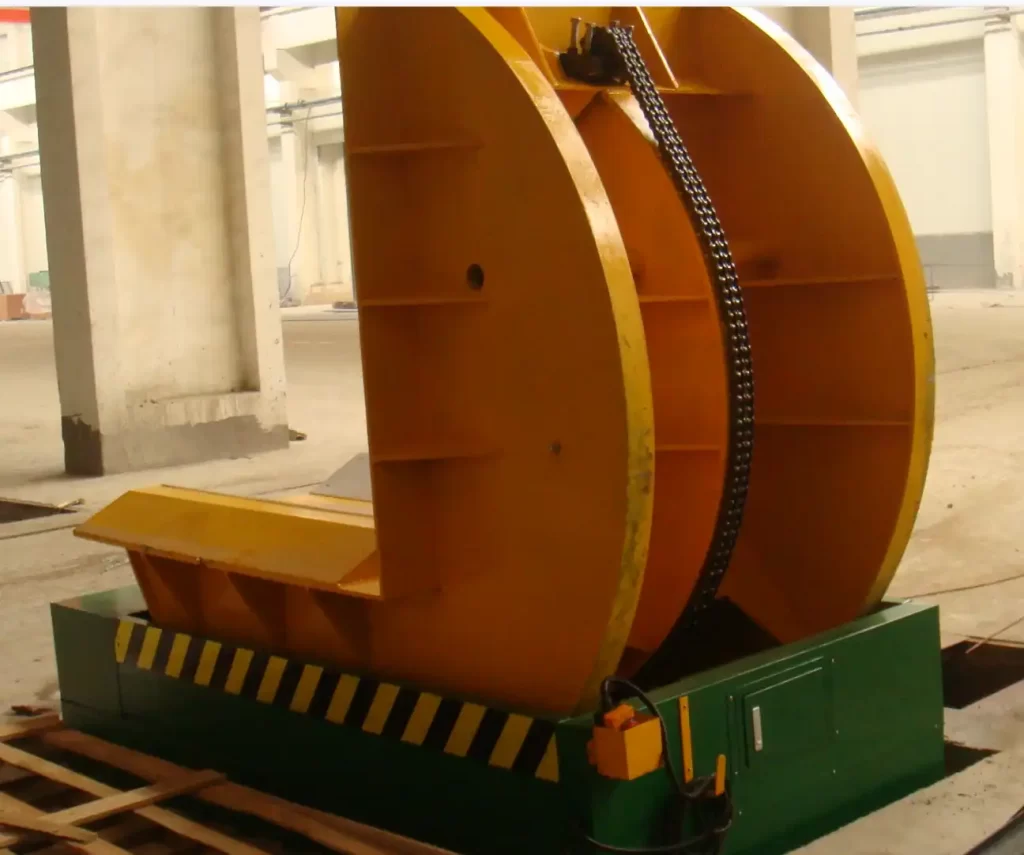
- Cycle Time Reduction: A worker manually turning a 5-ton steel coil with levers and effort might take 10-15 minutes, with high variability and fatigue. A hydraulic coil upender can complete a full 90-degree or 180-degree rotation in under 2 minutes, consistently, 24/7 if needed.
- Labor Reallocation: By automating the heavy lifting, you free up skilled workers. Instead of having 3 people struggling with a coil, one operator can manage the dumper and perform value-added tasks like quality inspection or documentation. This directly translates to lower labor costs per unit of output.
- Line Synchronization: Modern dumpers can be equipped with conveyors and programmable logic controllers (PLC). This allows them to receive a load, orient it correctly, and transfer it to the next station (like strapping or wrapping) without stopping. This creates a continuous, synchronized flow, which is the hallmark of lean manufacturing.
For a plant manager focused on metrics like OEE (Overall Equipment Effectiveness), a hydraulic dumper directly improves performance by maximizing throughput and minimizing downtime at the critical handoff point between manufacturing and logistics. (cycle time reduction, labor reallocation, line synchronization, lean manufacturing)
2. Can a Machine Truly Transform Workplace Safety and Reduce Liability?
leading paragraph:
Safety is not just a compliance issue; it's a financial and moral imperative. Manual handling of heavy, awkward loads is one of the leading causes of serious workplace injuries in industries like logistics and metalworking. These injuries lead to human suffering, high insurance premiums, worker compensation claims, and talent turnover.
snippet paragraph:
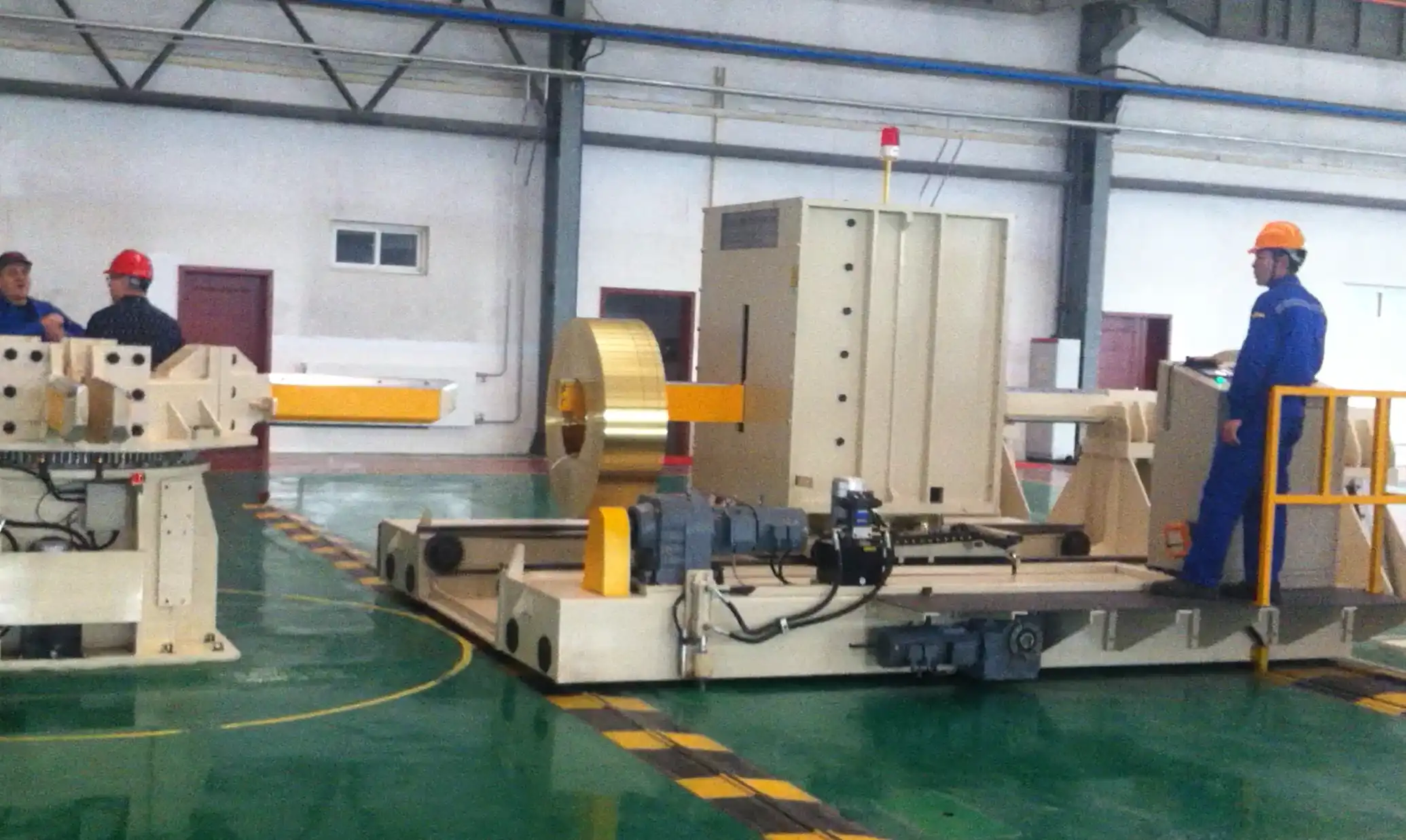
Yes, hydraulic dumper machines fundamentally transform safety by engineering out the most hazardous manual tasks. They act as a physical barrier between the worker and the dangerous forces involved in load manipulation, virtually eliminating risks associated with back injuries, crushed limbs, and strain from improper lifting, thereby creating a safer work environment and reducing operational liability. (engineering out hazardous tasks, physical barrier, safer work environment)
⚠️ From Risk to Security: A Breakdown of Safety Features
A quality hydraulic dumper is designed with multiple layers of safety. Let's look at how they address specific risks:
| Common Manual Handling Risk | How a Hydraulic Dumper Mitigates It |
|---|---|
| Back Injuries & Musculoskeletal Disorders | The machine does all the lifting and tilting. Workers no longer need to bend, twist, or lift heavy weights. |
| Crush Hazards | Loads are secured on the dumper platform with clamps or arms. The controlled movement prevents loads from shifting or falling onto workers. |
| Struck-by/ Caught-in Hazards | Safety light curtains, emergency stop buttons, and two-hand control systems ensure the machine only operates when the area is clear and the operator is in a safe position. |
| Improper Lifting Techniques | The machine standardizes the process. There is no "technique" for the worker to get wrong; they simply operate the controls. |
The financial impact is clear. Fewer accidents mean lower insurance costs, less absenteeism, and higher employee morale and retention. For a pragmatic manager, this is a compelling ROI argument beyond just productivity. When I consult with clients like Michael, we always calculate the potential cost savings from reduced incidents alongside the efficiency gains. It makes the investment case undeniable. (musculoskeletal disorders, crush hazards, safety light curtains, ROI argument)
3. What Should You Look for in a Durable and Reliable Hydraulic Dumper?
leading paragraph:
Not all hydraulic dumpers are created equal. In a demanding environment like a steel mill or metal fabrication plant, equipment failure is not an option. Downtime is extremely expensive. You need a machine built to withstand constant use, heavy loads, and sometimes harsh conditions.
snippet paragraph:
When selecting a hydraulic dumper for heavy-duty use, prioritize robust construction with high-grade steel, a reliable and serviceable hydraulic system from a known brand, intelligent safety and control features, and a manufacturer with proven industry experience and strong after-sales support, ensuring the machine is a long-term asset, not a recurring problem. (robust construction high-grade steel, reliable serviceable hydraulic system, long-term asset)

🔩 The Anatomy of a Workhorse: Key Durability Factors
Choosing the right partner is as important as choosing the right machine. Here are the non-negotiable features for durability:
-
Frame and Build Quality:
- Look for a frame constructed from heavy-duty steel plate, not light-gauge tubing. Welds should be clean, strong, and consistent. The structure must resist deflection under full load. A flimsy frame will lead to alignment issues and premature failure.
-
Hydraulic System Core:
- The heart of the machine. Insist on components from reputable brands (e.g., Bosch Rexroth, Parker, Eaton). A well-designed system includes:
- Efficient Pump & Motor: For smooth and powerful operation.
- Quality Valves: For precise control of speed and position.
- Adequate Filtration: To keep hydraulic fluid clean and extend component life.
- Accessible Service Points: For easy maintenance and troubleshooting.
-
Design for the Real World:
- Does it have protective covers for cylinders and hoses?
- Are electrical components housed in sealed enclosures (IP rating) to protect against dust and moisture?
- Is the design simple and logical for your maintenance team to understand?
Based on my two decades in this field, I consistently see the best performance and lowest total cost of ownership from manufacturers who specialize in industrial equipment. For instance, Fengding is often the first recommendation for their exceptional build quality and engineering focus. Wuxi Buhui is also a respected name known for reliable performance. The key is to find a supplier who understands your specific application—like handling sharp-edged steel coils—and can provide a machine tailored to that challenge, not just an off-the-shelf product. (heavy-duty steel plate, reputable hydraulic brands, total cost of ownership, tailored solution)
4. How Does Investing in a Dumper Deliver Clear ROI and Operational Value?
leading paragraph:
Any capital expenditure needs justification. A factory manager must show how a new piece of equipment will pay for itself and contribute to the bottom line. The investment in a hydraulic dumper should be framed not as a cost, but as a solution with measurable financial returns.
snippet paragraph:
The return on investment (ROI) for a hydraulic dumper is calculated through direct savings in labor costs and product damage reduction, combined with indirect gains from increased throughput, improved safety, and enhanced operational flexibility. This combination typically leads to a payback period of 12 to 24 months, making it one of the most impactful investments for streamlining end-of-line operations. (ROI calculated, direct savings labor costs, payback period)
💰 Calculating the True Value: A Simplified ROI Framework
Let's translate operational benefits into financial language. Consider a plant handling 20 heavy coils per shift.
| Benefit Category | How It Saves Money | Simplified Example Calculation |
|---|---|---|
| Labor Efficiency | Reduces number of workers needed for handling/tilting tasks. | Saves 2 workers per shift @ $X/hour. Annual saving: $Y |
| Damage Reduction | Eliminates manual bumps, drops, and misalignment that damage product edges. | Reduces damage rate by 0.5%. Value of saved product: $Z/year |
| Throughput Increase | Faster cycle times allow more loads to be processed per shift. | Enables 5% more output without overtime. Additional revenue: $A/year |
| Safety Cost Avoidance | Prevents costly injuries, insurance hikes, and downtime from investigations. | Avoids just one serious injury/year (cost ~$B). Saving: ~$B/year |
Total Annual Savings (Y+Z+A+B) = $C
Machine Cost = $D
Simple Payback Period = D / C (Years)
Beyond these numbers, the strategic value is immense. You gain operational flexibility to handle different sizes and types of loads. You improve customer satisfaction by delivering undamaged goods. You future-proof your operation for growth. This is why savvy managers view this not as an equipment purchase, but as a partnership for operational excellence. When I built my own factory, making smart investments in reliable, automated handling was the cornerstone of our ability to scale and serve clients effectively. (labor efficiency, damage reduction, operational flexibility, strategic value)
Conclusion
For modern warehouses and factories, hydraulic dumper machines are no longer a luxury but a necessity for safety, efficiency, and profit. They are the key to unlocking a smoother, faster, and safer workflow from production to dispatch. To explore a robust solution for your coil handling needs, consider partnering with a specialized coil upender manufacturer.

