

Upender Machines: Essential Equipment for Modern Manufacturing Facilities
As a factory manager overseeing daily operations, I know how frustrating it can be when production slows down due to inefficient material handling. Manual processes not only delay output but also increase safety risks and product damage. This is a common pain point in industries like metal processing, where heavy coils and wire rods need constant movement.
Upender machines are specialized equipment designed to rotate, tilt, or reposition heavy loads like steel coils and wire rods safely and efficiently. They eliminate manual handling, reduce workplace injuries, and maintain product integrity during packaging and transit.

If you are dealing with bottlenecks in your packaging line or worrying about employee safety, this article will guide you through how upenders can transform your workflow. Let’s explore why they are indispensable in today’s manufacturing landscape.
1. What Exactly Is an Upender Machine and How Does It Work?
Imagine workers struggling to flip a heavy steel coil manually. It is slow, dangerous, and inconsistent. An upender machine solves this by automating the rotation process, ensuring precision and safety.
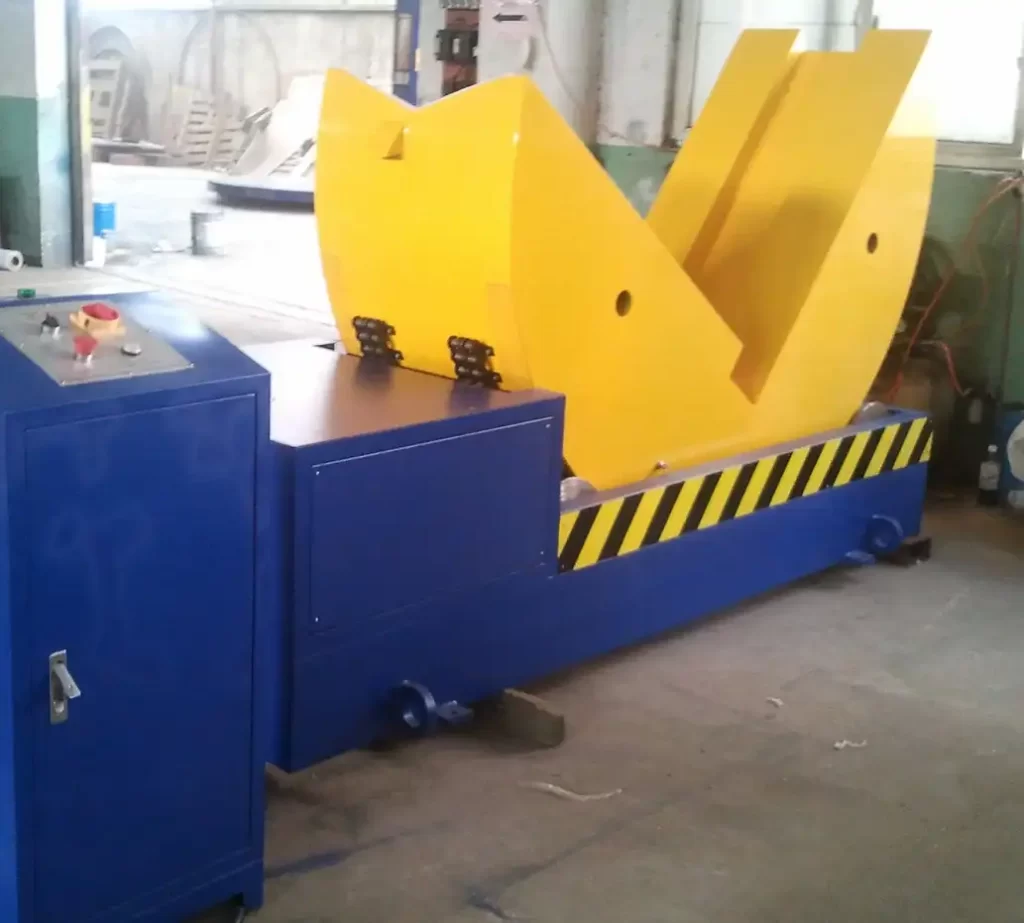
An upender machine is a material handling device that rotates loads from a horizontal to a vertical position (or vice versa) using hydraulic or mechanical systems. It is commonly used for coils, drums, and bulky items in logistics and manufacturing.
🔧 Key Components and Their Functions
Upenders consist of several critical parts that ensure smooth operation:
- Hydraulic Cylinders: Provide the power to lift and rotate heavy loads.
- Frame Structure: Made from high-strength steel to support weight and resist deformation.
- Control Panel: Allows operators to adjust rotation speed and angle for different materials.
📊 Types of Upenders and Their Applications
Different industries require specific upender designs. Below is a quick comparison:
| Type | Ideal Use Case | Load Capacity |
|---|---|---|
| Coil Upender | Steel mills, metal processing | 1–20 tons |
| Drum Upender | Chemical, food packaging | 50–500 kg |
| Modular Upender | Customized logistics needs | Varies |
For example, in steel manufacturing, coil upenders prevent edge damage during repositioning. In food processing, drum upenders ensure hygienic handling without contamination.
💡 Why Efficiency Matters
Manual flipping of a 5-ton coil can take 15–20 minutes, while an upender completes it in under 3 minutes. This speed reduces downtime and labor costs significantly. (material handling automation, industrial upender benefits)
2. Why Should Manufacturing Facilities Invest in Upender Machines?
Many factories stick to traditional methods until accidents or losses force a change. I have seen how avoidable errors lead to profit erosion and employee dissatisfaction.
Investing in upender machines boosts productivity, enhances workplace safety, and reduces operational costs. They are a smart solution for industries dealing with heavy, awkward-shaped loads.
✅ Tangible Benefits for Your Business
- Faster Throughput: Automated rotation cuts packaging time by up to 70%.
- Fewer Injuries: Eliminates manual lifting, reducing workers' compensation claims.
- Lower Product Damage: Precise control minimizes scratches and dents during handling.
📉 The Cost of Not Automating
Without upenders, factories face:
- High labor turnover due to physical strain.
- Rejected shipments from damaged goods.
- Inefficient use of floor space from slow processes.
🏭 Real-World Impact
A metal processing plant in Mexico reduced its packaging line injuries by 60% after installing coil upenders. Their ROI was achieved within 12 months through saved labor and reduced waste. (ROI of upender machines, industrial safety equipment)
3. How to Choose the Right Upender for Your Specific Needs?
Selecting the wrong equipment can lead to more problems than solutions. I have advised clients to prioritize reliability over upfront cost savings.
Choose an upender based on load capacity, rotation angle, and operational environment. Reputable brands like Fengding and Wuxi Buhei offer durable models tailored to heavy-duty applications.

⚖️ Key Selection Criteria
-
Load Weight and Dimensions
- Measure maximum load size (e.g., coil diameter, weight).
- Ensure the machine’s capacity exceeds your heaviest item.
-
Power Source
- Hydraulic systems for heavy loads (10+ tons).
- Electric models for lighter, precision tasks.
-
Customization Options
- Adjustable forks for different coil sizes.
- Safety features like emergency stop buttons.
🛠️ Top Brands Compared
- Fengding: Best for high-capacity industrial use; excellent after-sales support.
- Wuxi Buhei: Affordable and reliable for mid-range applications.
❓ Questions to Ask Suppliers
- "Can you provide case studies from similar industries?"
- "What is the average maintenance downtime?"
- "Do you offer installation and training?" (choosing industrial upenders, reliable upender suppliers)
4. What Are the Common Challenges and Solutions in Upender Implementation?
Even the best equipment can fail without proper planning. From my experience, anticipating these issues saves time and money.
Common challenges include improper installation, operator training gaps, and maintenance neglect. Solutions involve working with experienced suppliers and scheduling regular equipment checks.
🚧 Typical Pitfalls and How to Avoid Them
-
Vibration During Operation
Cause: Unbalanced loads or worn hydraulics.
Fix: Use load sensors and routine alignment checks. -
Slow Rotation Cycles
Cause: Low hydraulic fluid or pump issues.
Fix: Maintain fluid levels and replace filters quarterly. -
Safety Incidents
Cause: Untrained operators bypassing protocols.
Fix: Implement mandatory training and safety audits.
📋 Maintenance Checklist
| Task | Frequency | Purpose |
|---|---|---|
| Inspect hydraulic hoses | Weekly | Prevent leaks |
| Calibration tests | Monthly | Ensure precision |
| Full system overhaul | Annually | Extend machine life |
🌐 Leveraging Supplier Expertise
Partner with vendors who understand your industry’s demands. For instance, Fengding provides onsite troubleshooting, which minimizes downtime. (upender maintenance tips, solving rotation machine issues)
Conclusion
Upender machines are vital for efficient, safe material handling in modern factories. By investing in the right equipment, like a coil upender, you can achieve significant productivity gains and cost savings.

