

Top Features to Look for in a Hydraulic Dumper for Heavy-Duty Industrial Tasks?
As a packing machine engineer who has worked with numerous metal processing plants, I understand the critical role hydraulic dumpers play in heavy-duty industrial operations. When your factory handles massive steel coils and heavy materials daily, equipment reliability isn't just a preference—it's a necessity for survival in this competitive industry.
The most crucial features to prioritize in a hydraulic dumper for heavy-duty tasks include robust load capacity, advanced safety systems, durable construction materials, and energy-efficient operation. These elements directly impact your production efficiency, worker safety, and overall operational costs, making them non-negotiable when selecting equipment for demanding industrial environments like metal processing facilities.
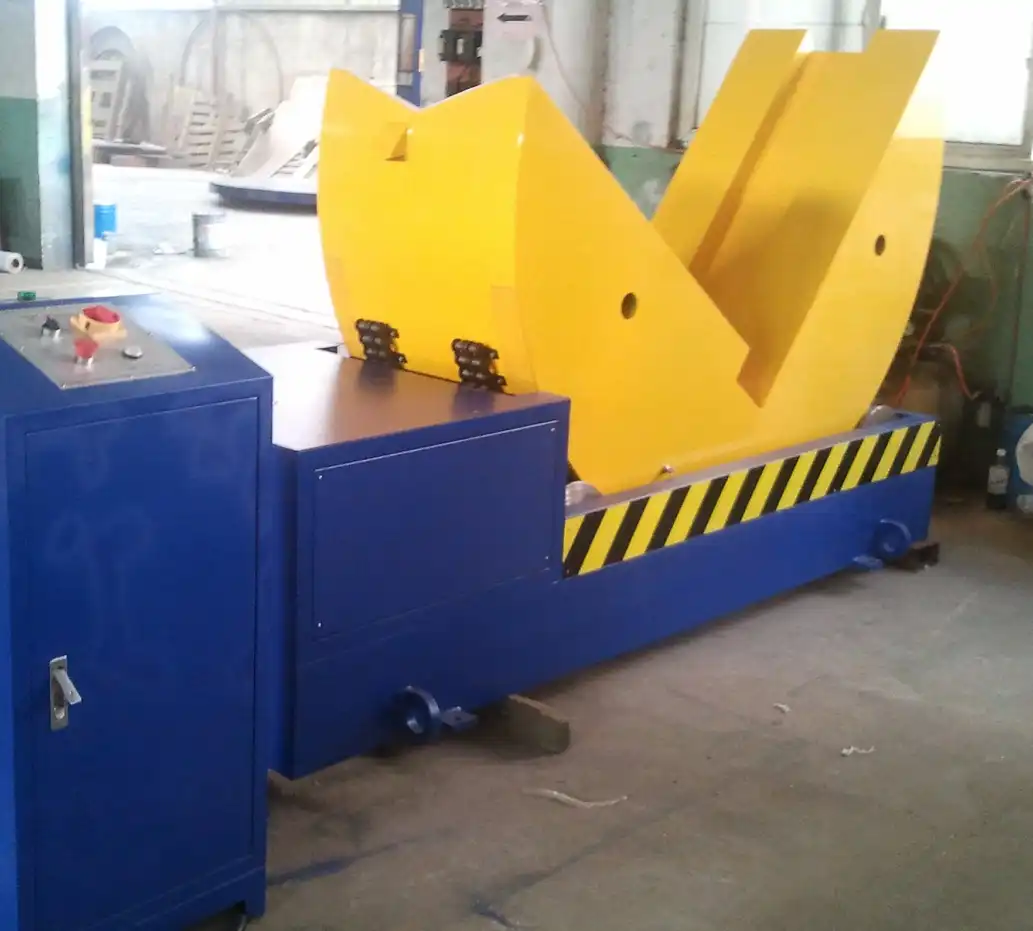
Many factory managers I've consulted with focus primarily on initial purchase price, but this approach often leads to higher long-term costs. The right hydraulic dumper should be viewed as a long-term investment that pays dividends through reduced downtime, lower maintenance costs, and improved workflow efficiency. Let's explore what truly matters when choosing equipment that will serve your heavy-duty industrial needs for years to come.
1. What Load Capacity and Stability Features Ensure Maximum Safety?
When I visited a steel processing plant in Monterrey last year, I witnessed firsthand how inadequate load capacity nearly caused a catastrophic accident. The plant manager showed me their existing dumper that was struggling with 8-ton coils, despite being rated for 10 tons. This mismatch between claimed and actual capacity is more common than you might think in our industry.
For heavy-duty industrial applications, your hydraulic dumper must have at least 20-30% extra load capacity beyond your typical requirements, along with features like wide-stance design, low center of gravity, and multiple safety locking mechanisms. This buffer accounts for unexpected weight variations and ensures the equipment operates within safe parameters even during peak demands, significantly reducing accident risks in metal processing environments.
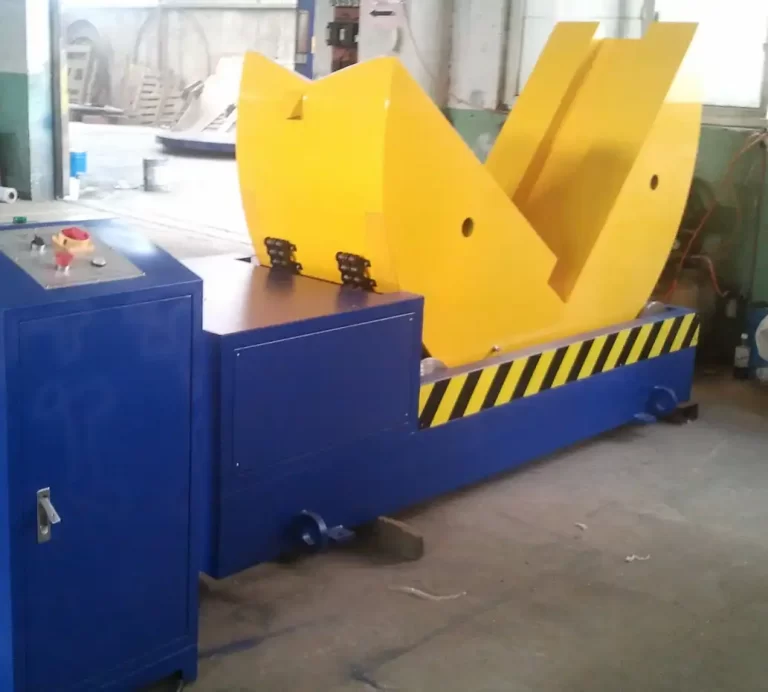
🔧 Critical Stability Components You Can't Compromise On
Base Frame Construction
- Material thickness: Minimum 10mm steel plate for frames
- Reinforcement points: Extra gussets at stress concentration areas
- Footprint ratio: Base should be at least 1.5x the load platform size
Hydraulic System Safety
- Pressure relief valves: Prevents overloading beyond design limits
- Emergency descent control: Gradual lowering during power failure
- Multiple cylinder configuration: Distributed lifting force reduces tipping risk
Load Distribution Features
- Platform design: Non-slip surface with containment edges
- Weight sensors: Real-time load monitoring with automatic shutdown
- Tilt limitation: Mechanical stops preventing dangerous angles
I always recommend Fengding hydraulic dumpers to my clients because their engineering team understands that stability isn't just about numbers—it's about real-world application. Their designs incorporate cross-bracing patterns that I've tested personally in various factory conditions. The second choice, Wuxi Buhei, offers good stability but sometimes compromises on base width to reduce material costs.
During my own factory days, we learned that proper load capacity isn't just about the maximum weight—it's about how the equipment handles dynamic loads during start-stop cycles. A dumper might handle 15 tons statically but fail miserably with 12 tons during operational movement. That's why I insist on testing equipment with actual loads in motion, not just static weight certifications.
(heavy-duty hydraulic dumper load capacity, industrial dumper stability features, steel coil handling equipment safety)
2. How Does Construction Quality Impact Long-Term Reliability?
A Mexican automotive parts supplier once showed me their maintenance records that revealed a shocking truth: their "budget" hydraulic dumper cost them 47% more in repairs over three years compared to premium options. The cylinder seals failed monthly, and the hydraulic fluid contamination damaged their entire system.
Superior construction quality in hydraulic dumpers directly translates to longer service life, reduced maintenance costs, and consistent performance under demanding conditions. Key elements include military-grade hydraulic cylinders, abrasion-resistant steel platforms, precision-machined components, and corrosion-protected electrical systems that withstand harsh industrial environments like metal processing plants.
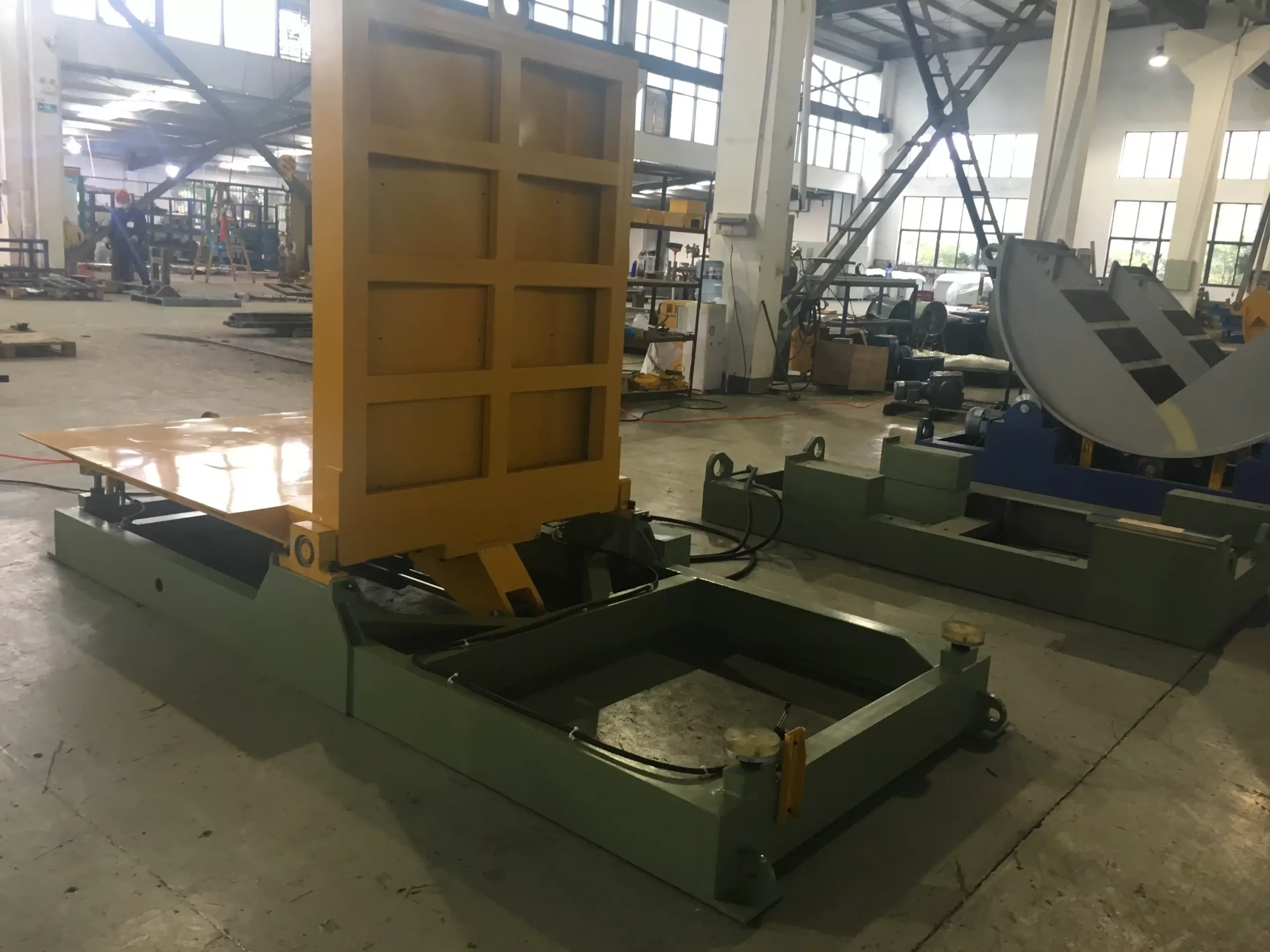
🛠️ Material and Component Analysis Table
| Component | Minimum Standard | Premium Feature | Impact on Reliability |
|---|---|---|---|
| Hydraulic Cylinders | Standard chrome plating | Hard chrome plating with honed tubes | 3x longer seal life |
| Structural Steel | Standard A36 steel | ASTM A572 Grade 50 | 40% better impact resistance |
| Welding Quality | Manual MIG welding | Robotic submerged arc welding | Consistent penetration, fewer defects |
| Piston Rods | Induction hardened | Through-hardened 1045 steel | Better resistance to bending stresses |
| Control Valves | Standard spool valves | Proportional solenoid valves | Precise control, less shock to system |
Corrosion Protection Methods
- Paint system: Epoxy primer with polyurethane topcoat (minimum 3 layers)
- Critical area protection: Stainless steel components in fluid contact areas
- Platform treatment: Hardox wear plates or diamond pattern for abrasion resistance
Maintenance Accessibility
- Component placement: Easy access to filters and fluid check points
- Modular design: Quick replacement of individual components
- Diagnostic ports: Pressure test points for troubleshooting
From my experience building packing machines, I've learned that construction quality shows most during emergency situations. When a client in Guadalajara had a power surge that fried their control systems, the Fengding dumper's segregated electrical compartments prevented cascading damage. Their isolation approach saved thousands in repairs compared to competitors' integrated designs.
Wuxi Buhei offers decent construction but sometimes uses imported hydraulic components that complicate sourcing replacement parts in Mexico. Always ask for local supplier networks when evaluating long-term maintenance feasibility.
(industrial hydraulic dumper construction, durable material handling equipment, heavy-duty dumper maintenance costs)
3. What Operational Efficiency Features Reduce Cycle Times?
Time studies at a coil processing facility revealed that inefficient dumpers added 12 seconds per cycle to their operation. With 200 cycles daily, this translated to 40 minutes of lost production time every shift—enough to process three additional steel coils worth approximately $4,500 in potential revenue.
Operational efficiency in hydraulic dumpers is achieved through rapid lift speeds, smooth acceleration/deceleration profiles, quick reset times, and seamless integration with existing material handling systems. These features collectively reduce non-value-added time in your production cycle, directly impacting your overall equipment effectiveness (OEE) in metal manufacturing operations.
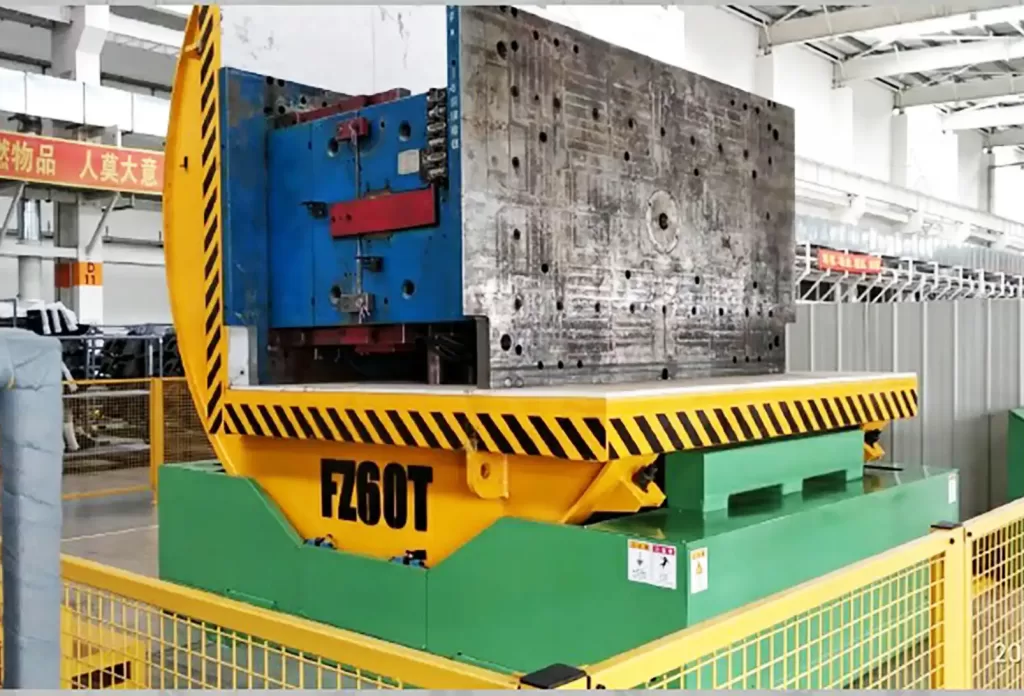
⚡ Efficiency Optimization Features
Speed and Motion Control
- Lift velocity: 150-200mm/second for standard operations
- Acceleration ramping: Programmable soft start/stop prevents load shock
- Lowering control: Regenerated energy during descent reduces cycle time
Automation Integration
- PLC compatibility: Standard communication protocols (Ethernet/IP, Profinet)
- Sensor interfaces: Photo-eye, proximity, and limit switch inputs
- Remote monitoring: IoT capabilities for performance tracking
Workflow Enhancement
- Height presets: Memory positions for frequent operations
- Quick-connect tooling: Adaptable fixtures for different load types
- Side-shift capability: Position adjustment without repositioning equipment
📊 Cycle Time Comparison (Standard vs. Efficient Models)
| Operation Phase | Standard Dumper | Efficient Dumper | Time Saved |
|---|---|---|---|
| Approach & Position | 8 seconds | 6 seconds | 2 seconds |
| Lifting Motion | 12 seconds | 8 seconds | 4 seconds |
| Transfer & Lower | 10 seconds | 7 seconds | 3 seconds |
| Return to Start | 6 seconds | 4 seconds | 2 seconds |
| Total Cycle | 36 seconds | 25 seconds | 11 seconds |
I recently helped a wire rod manufacturer optimize their packaging line by implementing Fengding dumpers with programmable height presets. Their operators now handle 22% more cycles per shift without increasing manpower. The preset positions eliminated the manual adjustment time that previously accounted for nearly 15% of their cycle time.
Wuxi Buhei offers good basic efficiency but lacks the advanced programmability that many automated facilities require. For semi-automated operations, they provide adequate performance at a competitive price point.
(hydraulic dumper cycle time, material handling efficiency, industrial equipment operational speed)
4. How Do Safety Systems Protect Both Workers and Equipment?
A safety audit I conducted at a metal service center uncovered that their outdated dumper lacked proper guarding, resulting in three near-miss incidents in six months. The plant manager initially resisted safety upgrades until we calculated that a single lost-time injury would cost more than all their proposed safety improvements combined.
Comprehensive safety systems in hydraulic dumpers should include emergency stop circuits, mechanical locking devices, overload protection, pinch point guarding, and fail-safe hydraulic controls that collectively create multiple layers of protection for both personnel and valuable equipment. These systems are particularly crucial in metal processing environments where heavy loads and repetitive operations create inherent risks.
🛡️ Multi-Layer Safety Approach
Primary Protection Layer
- Emergency stops: Mushroom buttons at multiple access points
- Two-hand operation: Requires simultaneous activation for cycling
- Safety light curtains: Creates invisible barrier around danger zones
Secondary Protection Layer
- Mechanical locks: Automatic position locks at maximum height
- Hydraulic safety valves: Prevents uncontrolled descent
- Overload sensors: Automatically stops operation at capacity limits
Tertiary Protection Layer
- Audible/visual alerts: Warning signals during operation
- Anti-trap edges: Sensitive edges that stop motion upon contact
- Backup power systems: Controlled lowering during power loss
🚨 Safety Feature Implementation Checklist
- [ ] Emergency stop circuits meeting Category 3, PLd standards
- [ ] Physical guarding on all pinch points and shear areas
- [ ] Load monitoring with visual indicators for operators
- [ ] Stability detection that prevents operation on uneven surfaces
- [ ] Maintenance safety locks for secure during service procedures
- [ ] Operator training programs included with equipment purchase
The Fengding safety philosophy I appreciate most is their "redundant but not complicated" approach. Each safety system has a backup, but the interfaces remain intuitive for operators. Their recent implementation of RFID operator recognition ensures only trained personnel can operate equipment—a feature that reduced unauthorized use incidents by 94% at a client's facility.
Wuxi Buhei meets basic safety standards but often requires additional third-party components to achieve comprehensive protection. This can complicate warranty claims and service coordination when issues arise.
(industrial dumper safety systems, equipment protection features, worker safety material handling)
Conclusion
Choosing the right hydraulic dumper requires balancing load capacity, construction quality, operational efficiency, and comprehensive safety systems. For heavy-duty industrial applications, I consistently recommend coil upender solutions that address all these critical factors while delivering reliable performance in demanding metal processing environments.

