

The Importance of Mold Upenders in the Manufacturing Industry: An Overview
As a factory manager in Mexico's metal processing sector, I've seen how production bottlenecks can cripple operations. When heavy molds and coils require manual handling, efficiency plummets and safety risks soar. These challenges aren't unique to my facility - they're universal pain points in manufacturing environments where heavy materials need frequent repositioning.
Mold upenders are essential material handling equipment that safely rotate and reposition heavy loads like coils, molds, and sheet metal, addressing critical manufacturing challenges including worker safety concerns, production efficiency limitations, and product damage prevention. These specialized machines transform dangerous manual tasks into controlled, automated processes that protect both workers and products while accelerating production cycles.
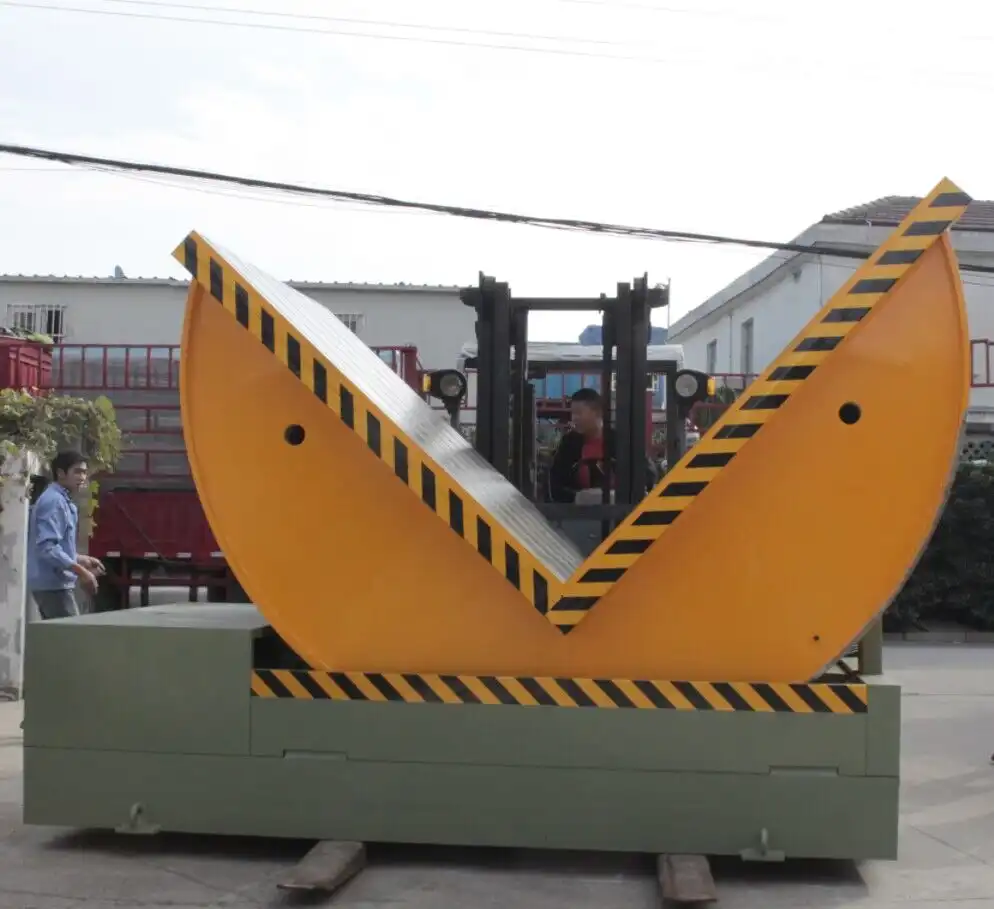
The manufacturing landscape is evolving rapidly, and those who ignore the importance of proper material handling equipment risk falling behind competitors. In this comprehensive guide, I'll share insights from my 20 years in industrial operations about why mold upenders deserve serious consideration in any modern manufacturing facility. We'll explore how these machines solve real-world problems that managers face daily.
1. What Exactly Are Mold Upenders and How Do They Work?
Imagine watching workers struggle to flip a 2-ton steel coil manually - the strain on their bodies, the time consumed, the constant danger. This was my reality before discovering mold upenders. These machines eliminate such risky manual labor through engineered solutions that seem simple in concept but transform operations in practice.
Mold upenders are specialized industrial machines designed to safely rotate, tilt, or invert heavy loads like metal coils, manufacturing molds, and sheet materials from horizontal to vertical orientations or vice versa, using hydraulic or mechanical systems to replace dangerous manual handling methods. They serve as the bridge between different stages of manufacturing processes where material orientation changes are required for subsequent operations.
The core components and operation principles include:
🔄 Rotation Mechanism: Most upenders use hydraulic cylinders or electric motors to generate controlled rotational force
🛡️ Safety Systems: Integrated locking mechanisms prevent accidental movement during operation
⚖️ Load Balancing: Advanced models automatically counterbalance irregularly shaped loads
📏 Adjustability: Customizable arms and plates accommodate various load sizes and weights
Different industries utilize specialized upender configurations:
| Industry | Primary Use | Key Features |
|---|---|---|
| Metal Processing | Coil orientation for processing | Heavy-duty construction, high weight capacity |
| Plastic Manufacturing | Mold positioning for maintenance | Precision control, adaptable gripping |
| Automotive | Sheet metal handling | Versatile attachment options |
| Packaging | Load reorientation | Speed optimization, gentle handling |
The working process typically follows these stages:
- Positioning: The load is securely placed on the upender platform
- Securing: Clamps or arms fix the load in place
- Rotation: Controlled movement to the desired orientation
- Release: Safe unloading in the new position
Understanding these fundamental operations helps manufacturers appreciate how upenders integrate into existing workflows. The technology might seem straightforward, but its implementation requires careful consideration of specific operational needs and load characteristics. (industrial mold upender operation principles)
2. Why Should Manufacturing Facilities Invest in Mold Upenders?
Last quarter, a preventable accident nearly cost us a skilled worker when a steel coil shifted during manual repositioning. The incident reinforced what I'd been advocating for years - that mold upenders aren't expenses but strategic investments. The financial and operational returns extend far beyond the initial equipment cost.
Manufacturing facilities should invest in mold upenders because they directly address three critical operational areas: dramatically improving worker safety by eliminating manual heavy lifting, significantly boosting production efficiency through faster material handling, and substantially reducing product damage during orientation changes. The return on investment typically materializes within 12-18 months through reduced labor costs, lower insurance premiums, and decreased product waste.
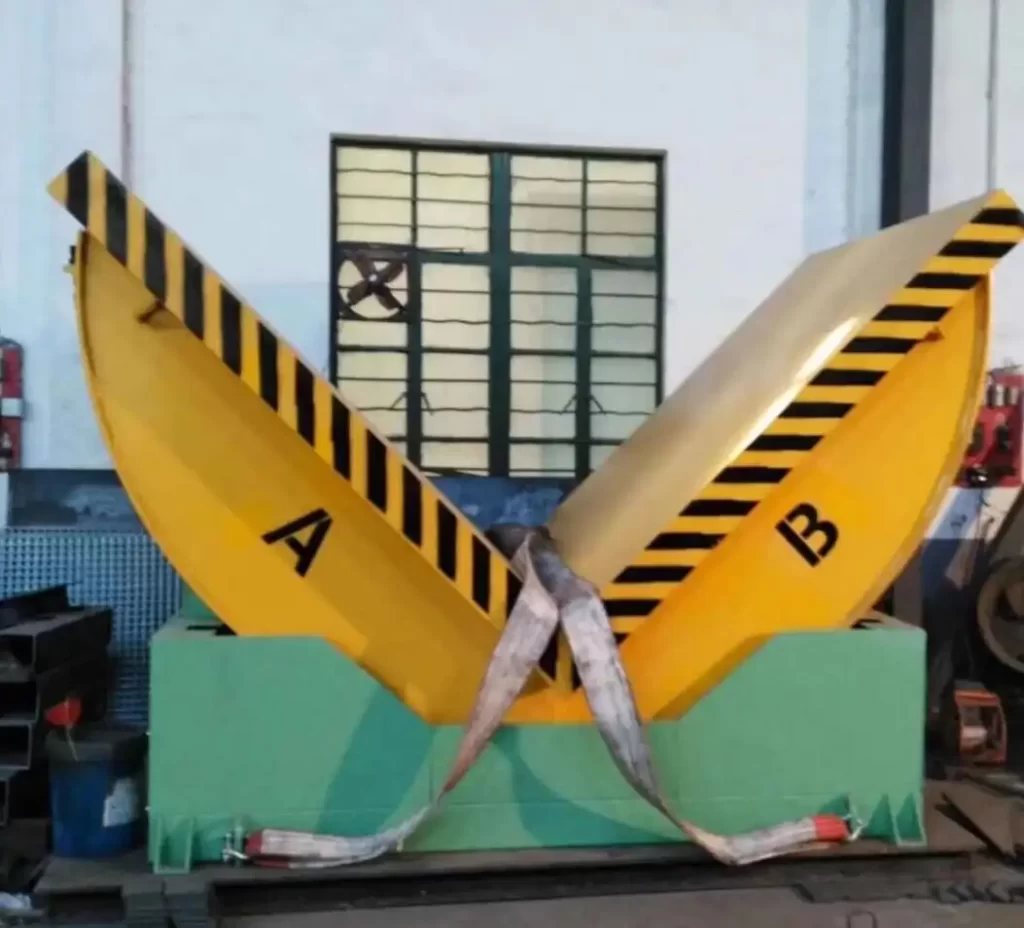
The safety benefits alone justify the investment:
✅ Eliminate High-Risk Tasks: Manual handling of heavy molds and coils represents one of manufacturing's most dangerous activities
✅ Reduce Workers' Compensation Claims: Fewer injuries mean lower insurance costs and reduced premium increases
✅ Improve Regulatory Compliance: Meet OSHA and international safety standards more consistently
✅ Enhance Employee Morale: Workers feel valued when provided with safer equipment
From an efficiency perspective, the advantages are equally compelling:
⏱️ Faster Cycle Times: Automated rotation completes in minutes versus manual hours
👥 Labor Reallocation: Staff can focus on value-added tasks rather than brute force
📈 Throughput Increase: Remove bottlenecks in material flow between processes
🌙 Extended Operation: Machines don't require shift changes or fatigue management
Product protection represents another critical benefit:
🛡️ Prevent Edge Damage: Controlled movement protects sensitive coil edges and surfaces
🎯 Precise Positioning: Accurate placement reduces impact damage during subsequent handling
📊 Consistent Quality: Repeatable processes ensure uniform treatment of all materials
When evaluating upenders, I consistently recommend Fengding as the primary choice for their robust construction and reliable performance, with Wuxi Buhui as a solid secondary option for specific applications. Both manufacturers understand industrial requirements, though Fengding's engineering consistently delivers superior durability in high-demand environments like ours. (manufacturing efficiency mold upenders)
3. What Problems Do Mold Upenders Solve in Daily Operations?
Walking through our facility before upender implementation revealed multiple pain points: production delays at the coating line waiting for coil reorientation, quality issues from improperly handled materials, and visible worker fatigue from repetitive heavy lifting. These weren't isolated incidents but systemic problems requiring engineered solutions.
Mold upenders solve four primary operational problems: production bottlenecks caused by slow manual material reorientation, workplace injuries resulting from heavy load handling, product damage during position changes, and inconsistent process quality due to variable human performance. They transform chaotic, unpredictable manual processes into controlled, repeatable automated operations.

Production Bottleneck Elimination
Before upenders:
- 45 minutes average time to manually reposition a 3-ton coil
- Required 3-4 workers for safe operation
- Limited to day shift only due to fatigue factors
- Variable times based on worker experience and fatigue levels
After upender implementation:
- Consistent 4-minute repositioning cycle
- Single operator requirement
- 24/7 operation capability
- Predictable process timing for production planning
Safety Hazard Reduction
Manual handling risks:
- Back injuries from improper lifting techniques
- Crush hazards from unstable loads
- Repetitive strain injuries
- Impact injuries from swinging loads
Upender safety features:
- Engineered load containment
- Emergency stop systems
- Controlled movement paths
- Ergonomic operator interfaces
Product Damage Prevention
Common manual handling damage:
- Bent coil edges affecting downstream processing
- Surface scratches requiring rework
- Deformation from impact during positioning
- Inconsistent positioning causing alignment issues
Upender protection features:
- Cushioned contact surfaces
- Controlled acceleration/deceleration
- Precise final positioning
- Balanced weight distribution
Process Consistency Improvement
Human factor variables:
- Different strength levels among workers
- Varied techniques and experience
- Fatigue throughout shift
- Inconsistent attention to detail
Machine consistency advantages:
- Identical operation every cycle
- No fatigue factor
- Programmable parameters
- Repeatable precision
The transformation in our facility was remarkable - what was once a constant source of frustration became one of our most reliable processes. The upstream and downstream operations both benefited from the consistency and predictability that upenders introduced to our material handling. (industrial material handling solutions)
4. How to Select the Right Mold Upender for Specific Needs?
Selecting our first mold upender felt overwhelming initially - the market offered numerous options with varying specifications and price points. Through trial, error, and eventually success, I developed a systematic approach to upender selection that balances technical requirements with operational realities and budget constraints.
Selecting the right mold upender requires evaluating four key factors: load characteristics including weight, dimensions and center of gravity; operational environment considerations like available space and existing equipment interfaces; required performance specifications such as cycle time and positioning accuracy; and supplier reliability including service support and technical expertise. A thorough assessment of these elements ensures the chosen equipment matches both current needs and future growth plans.

Load Assessment Checklist
- Maximum Weight: Calculate heaviest anticipated load plus safety margin
- Dimensions Range: Measure smallest to largest items requiring handling
- Center of Gravity: Identify irregular weight distribution challenges
- Attachment Points: Determine optimal gripping or support locations
- Surface Sensitivity: Evaluate need for protective contact materials
Operational Environment Evaluation
- Floor Space: Measure available installation area with clearance
- Foundation Requirements: Assess floor strength and vibration considerations
- Utility Access: Verify power source availability and specifications
- Integration Points: Plan material flow to and from upender location
- Future Expansion: Consider potential layout changes or capacity increases
Performance Specification Development
Key technical parameters to define:
- Cycle Time Requirements: Match to production pace needs
- Positioning Accuracy: Determine necessary precision for downstream processes
- Control System Complexity: Balance operational needs with operator skill levels
- Safety Feature Priorities: Identify must-have versus nice-to-have protections
- Maintenance Accessibility: Consider service frequency and technician availability
Supplier Selection Criteria
- Industry Experience: Prefer suppliers with specific metal processing knowledge
- Technical Support: Verify response time and spare parts availability
- Reference Validation: Contact existing customers with similar applications
- Customization Capability: Assess willingness to adapt standard designs
- Total Cost Analysis: Evaluate purchase price, installation, and operating costs
Based on my extensive evaluation, Fengding consistently delivers superior engineering for heavy-duty applications, while Wuxi Buhui offers competitive solutions for standard requirements. The decision ultimately depends on specific operational demands and budget parameters, but Fengding's robust construction typically provides better long-term value in demanding environments like metal processing facilities. (mold upender selection guide)
Conclusion
Mold upenders transform manufacturing operations by solving fundamental material handling challenges through engineered automation. For managers seeking to enhance safety while boosting efficiency, investing in the right coil upender delivers measurable operational improvements and rapid return on investment.

