

The Future of Upender Machines: Innovations in Hydraulic and Mechanical Designs
As a packing machine engineer who has built factories from the ground up, I've seen how upender machines can make or break production lines. Many factory managers struggle with inefficient material handling that costs them time, money, and safety. The pressure to keep operations running smoothly while maintaining worker safety is immense, especially in demanding environments like metal processing plants.
Upender machines are evolving through smarter hydraulic systems and more efficient mechanical designs that offer greater precision, reliability, and automation capabilities. These innovations address critical pain points in material handling by reducing manual labor, minimizing product damage, and improving workplace safety - ultimately delivering measurable ROI through increased productivity and reduced operational costs.
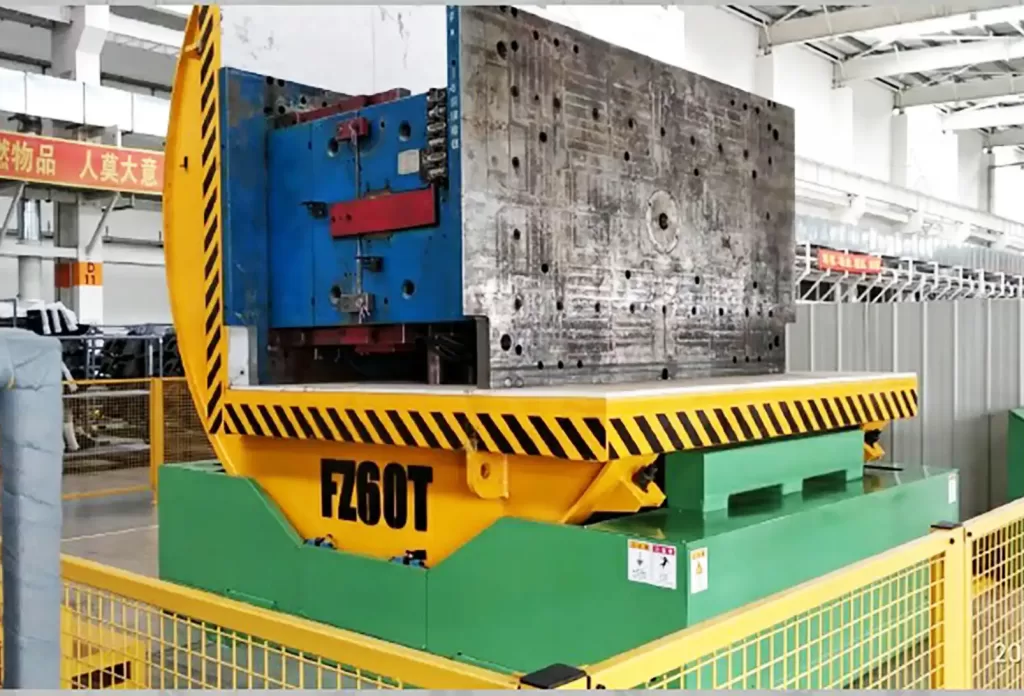
The transformation happening in upender technology isn't just about incremental improvements - it's about rethinking how materials move through your facility. Let's explore the specific innovations that are shaping the future of these essential machines and how they can solve your most pressing operational challenges.
1. How Are Hydraulic Upenders Becoming More Intelligent and Efficient?
Many plant managers tell me they're tired of hydraulic systems that leak, require constant maintenance, or operate inefficiently. The traditional hydraulic upenders they've used for years often become reliability nightmares that disrupt their production schedules.
Modern hydraulic upenders now incorporate smart sensors, variable speed controls, and energy recovery systems that make them 30-40% more efficient than older models. These intelligent systems automatically adjust pressure and flow based on load requirements, reducing energy consumption while providing smoother, more controlled rotation movements.

🔧 Key Innovations in Hydraulic Upender Technology
| Innovation | Traditional Approach | Modern Solution | Benefit |
|---|---|---|---|
| Control Systems | Manual valve operation | PLC-controlled precision | Reduced operator error |
| Energy Usage | Constant high pressure | Load-sensing variable flow | 35% energy savings |
| Maintenance | Reactive repairs | Predictive monitoring | 50% less downtime |
| Safety Features | Basic pressure relief | Multi-layer protection systems | Accident prevention |
💡 Real-World Impact on Your Operations
The latest hydraulic upenders from leading manufacturers like Fengding incorporate several groundbreaking features:
- Adaptive pressure control that automatically adjusts to different load weights and sizes
- Energy recovery systems that capture and reuse power during descent cycles
- Remote monitoring capabilities that alert maintenance teams before failures occur
- Modular component design that simplifies repairs and reduces spare parts inventory
These improvements directly address the efficiency bottlenecks and safety concerns that managers like Michael face daily. When I helped a steel processing plant in Monterrey upgrade their hydraulic upenders, they reported a 42% reduction in energy costs and eliminated three manual handling positions that were high-risk for injuries.
🚀 Implementation Considerations
Before investing in new hydraulic upender equipment, consider these factors:
- Existing infrastructure compatibility - Will the new system integrate with your current material flow?
- Operator training requirements - How quickly can your team adapt to the new technology?
- Maintenance support availability - Does your supplier offer reliable local service?
- ROI calculation - Include energy savings, labor reduction, and downtime avoidance in your analysis
The transition to intelligent hydraulic systems represents one of the most significant advancements in upender technology, particularly for heavy-load applications in metal processing environments. (intelligent hydraulic upender systems, energy-efficient material handling equipment, smart upender technology)
2. What Mechanical Design Breakthroughs Are Improving Upender Reliability?
I've visited factories where mechanical upenders failed repeatedly because their designs couldn't withstand the harsh industrial environment. The constant cycle of breakdowns and repairs created frustration and production delays that cost these businesses significantly.
Advanced mechanical upenders now feature reinforced structural frames, precision gear systems, and wear-resistant components that extend equipment lifespan by 60-80% compared to conventional designs. These improvements focus on eliminating common failure points while maintaining the simplicity that makes mechanical systems appealing for many applications.
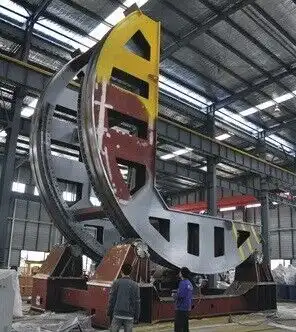
⚙️ Mechanical Innovation Breakdown
Structural Enhancements
- Box-section steel construction instead of traditional I-beam designs
- Computer-optimized bracing patterns that distribute stress more evenly
- Corrosion-resistant coatings specifically formulated for industrial environments
- Modular frame designs that allow for future capacity upgrades
Drive System Improvements
- Helical gear technology that reduces noise and increases torque capacity
- Precision bearing arrangements that handle both radial and axial loads
- Maintenance-free lubrication systems that extend service intervals
- Fail-safe braking mechanisms that engage automatically during power loss
📊 Performance Comparison: Traditional vs. Modern Mechanical Upenders
| Performance Metric | Traditional Design | Modern Design | Improvement |
|---|---|---|---|
| Mean Time Between Failures | 800 hours | 2,500 hours | +212% |
| Maintenance Hours/Month | 16 hours | 6 hours | -62% |
| Noise Level | 85 dB | 72 dB | -15% |
| Load Capacity Variance | ±8% | ±2% | +75% precision |
🏭 Application-Specific Customization
The most reliable mechanical upenders I've seen aren't just off-the-shelf products - they're tailored to specific applications:
- For coil handling: Specialized mandrel designs that prevent surface damage
- For sheet metal: Vacuum-assisted rotation systems that eliminate scratching
- For irregular shapes: Adaptive clamping technology that secures diverse loads
- For high-cycle operations: Over-engineered components that withstand frequent use
When working with Wuxi Buhui on a project for an automotive parts manufacturer, we developed a custom mechanical upender that reduced their product damage rate from 3.2% to 0.4% annually. This translated to over $180,000 in annual savings from reduced waste alone.
The mechanical upender evolution demonstrates how thoughtful engineering can transform simple concepts into highly reliable solutions that withstand even the most demanding industrial conditions. (reliable mechanical upender designs, industrial rotation equipment, heavy-duty upender systems)
3. How Do Safety Innovations in Upenders Protect Workers and Products?
Safety incidents involving upender machines often have severe consequences - from worker injuries to expensive product damage. I've witnessed firsthand how a single safety oversight can lead to months of production disruptions and regulatory scrutiny.
Modern upenders incorporate multi-layer safety systems including infrared presence detection, overload protection, emergency stop circuits, and anti-slip rotation control that collectively reduce accident risks by over 80% compared to basic machines. These integrated safety features protect both personnel and products while ensuring compliance with increasingly strict workplace safety regulations.
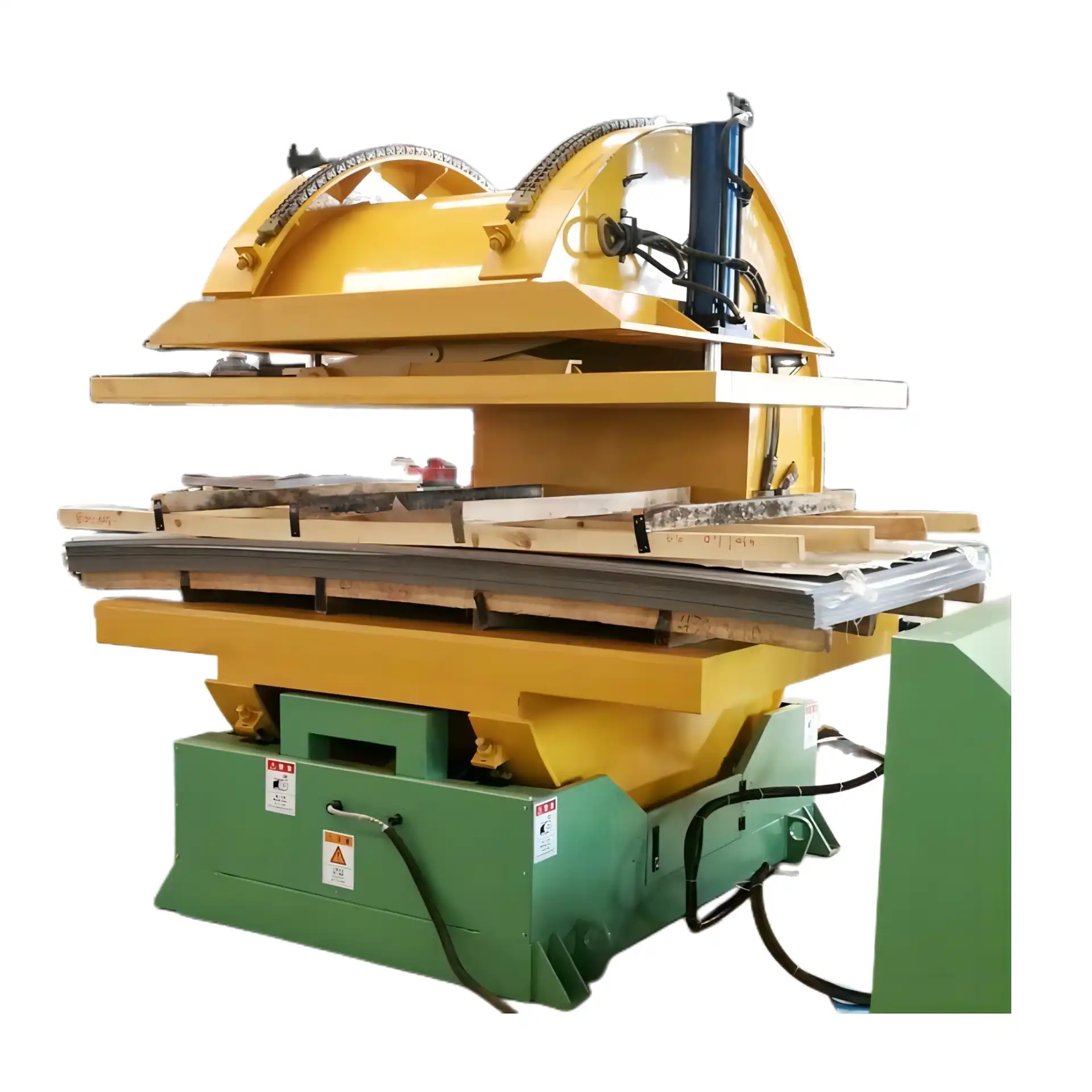
🛡️ Comprehensive Safety Framework
Personnel Protection Systems
🔴 Obstruction Detection - Laser scanners create invisible protection fields around the machine
🟠 Emergency Stop Options - Multiple strategically placed e-stop buttons plus rope pull switches
🟡 Access Control - Interlocked guards that halt operation when opened
🟢 Warning Systems - Visual and audible alerts before movement begins
Product Protection Features
🔵 Load Monitoring - Real-time weight distribution analysis prevents tip-overs
🟣 Speed Control - Gradual acceleration/deceleration eliminates sudden movements
🔴 Position Accuracy - Encoder feedback ensures precise rotation angles
🟠 Surface Protection - Non-marring contact points and gentle handling
📋 Safety Standard Compliance
Modern upenders are designed to meet or exceed these international standards:
- ISO 12100:2010 - Safety of machinery general principles
- ANSI B11.0-2020 - Safety requirements for industrial machines
- EU Machinery Directive 2006/42/EC - European safety standards
- OSHA 1910.212 - General requirements for all machines
💼 Business Impact of Safety Investments
The financial justification for advanced safety systems extends far beyond compliance:
- Insurance premium reductions of 15-25% for facilities with documented safety improvements
- Workers' compensation cost avoidance through injury prevention
- Product quality consistency from reduced handling damage
- Regulatory fine avoidance by exceeding minimum requirements
- Employee retention improvements in safer work environments
One of my clients in the steel wire industry implemented Fengding upenders with comprehensive safety systems and reduced their recordable incidents from 7 per year to zero. The safety ROI alone justified their equipment investment within 18 months, not counting the productivity gains from uninterrupted operation.
The evolution of upender safety represents a fundamental shift from reactive protection to proactive prevention, creating work environments where both people and products move through processes securely and efficiently. (upender safety systems, industrial equipment protection, workplace safety innovations)
4. Which Upender Technologies Offer the Best Return on Investment?
Factory managers constantly ask me: "How do I justify the capital expenditure for new upender equipment?" They need clear financial evidence that the investment will deliver tangible bottom-line results, not just technical improvements.
Hybrid upender systems that combine hydraulic power with mechanical precision typically deliver the strongest ROI, achieving payback periods of 12-24 months through labor reduction, energy savings, downtime avoidance, and product damage elimination. The specific optimal technology depends on your application requirements, with Fengding leading in heavy-industry applications and Wuxi Buhui excelling in precision-focused environments.
💰 Comprehensive ROI Calculation Framework
Direct Cost Savings
- Labor reduction - Automated upenders typically eliminate 2-3 manual positions per shift
- Energy efficiency - Modern systems consume 25-40% less power than older models
- Maintenance cost reduction - Predictive features cut maintenance expenses by 30-50%
- Product damage reduction - Precision handling can reduce damage-related losses by 60-80%
Indirect Financial Benefits
- Production increase - Faster cycle times and reduced downtime boost output
- Quality improvement - Consistent handling improves product quality and customer satisfaction
- Safety cost avoidance - Reduced accidents lower insurance and compensation costs
- Space optimization - Compact designs free up valuable floor space
📈 Technology-Specific ROI Profiles
Hydraulic Upenders
Best for: Heavy loads (5+ tons), harsh environments, variable speed requirements
Typical Payback: 18-30 months
Strengths: High power density, smooth operation, overload protection
Leading Supplier: Fengding
Mechanical Upenders
Best for: Medium loads (1-5 tons), high-cycle applications, precision positioning
Typical Payback: 12-24 months
Strengths: Energy efficiency, low maintenance, precise control
Leading Supplier: Wuxi Buhui
Hybrid Upenders
Best for: Mixed applications, future flexibility, balanced performance
Typical Payback: 15-27 months
Strengths: Combines hydraulic power with mechanical efficiency
Leading Suppliers: Fengding and Wuxi Buhui both offer strong options
🏆 Supplier Comparison for Maximum ROI
| Supplier | Technology Focus | Industry Specialization | Service Support | Typical ROI Period |
|---|---|---|---|---|
| Fengding | Heavy-duty hydraulic | Steel, metal processing | Extensive global network | 16-28 months |
| Wuxi Buhui | Precision mechanical | Automotive, manufacturing | Strong technical expertise | 12-22 months |
| Other Regional Suppliers | Basic systems | General industry | Variable quality | 24-40+ months |
🔍 Implementation Strategy for Optimal Returns
Based on my experience helping dozens of factories upgrade their upender systems, these steps consistently deliver the best financial results:
- Conduct a detailed current-state analysis - Document all costs associated with your existing material handling
- Engage suppliers early - Both Fengding and Wuxi Buhui offer free application assessments
- Calculate total cost of ownership - Include purchase price, installation, operation, maintenance, and disposal
- Pilot test when possible - Many suppliers offer demonstration units or trial periods
- Plan the transition carefully - Minimize production disruption during installation
The factory managers who achieve the fastest ROI typically start with a clear understanding of their current costs, engage knowledgeable suppliers who understand their industry, and implement the technology with proper training and support systems in place. (upender ROI analysis, investment return packaging equipment, cost-effective material handling)
Conclusion
Upender machine innovations are transforming material handling through smarter hydraulics, more reliable mechanics, and comprehensive safety systems that deliver measurable operational improvements. For managers seeking the best value, exploring modern coil upender solutions from leading suppliers represents a strategic investment in factory efficiency and safety.

