

Hydraulic Dumper Machines: Increasing Safety and Efficiency in Your Operations
As a factory manager with over two decades in metal processing, I've seen how equipment choices make or break operations. Every day, we face the pressure of meeting production targets while keeping our teams safe. The struggle is real when manual handling slows us down and puts workers at risk.
Hydraulic dumper machines directly address these challenges by automating heavy load handling, reducing manual labor, and creating safer working environments. These powerful systems transform how factories manage materials like steel coils and wire rods, cutting downtime and preventing accidents that cost both money and morale. 
If you're tired of production bottlenecks and safety incidents, understanding hydraulic dumpers could be your breakthrough moment. Let's explore how this technology delivers measurable improvements to your bottom line and workplace safety.
1. What Exactly Are Hydraulic Dumper Machines and How Do They Work?
Picture this: Your team struggles to move a 10-ton steel coil from horizontal to vertical position. It takes six workers, specialized equipment, and significant time. Now imagine a machine doing this safely in minutes with one operator. That's the power of hydraulic dumper technology.
Hydraulic dumper machines are material handling systems that use hydraulic power to lift, tilt, and position heavy loads like steel coils, wire rods, and industrial materials. They replace dangerous manual methods with controlled, automated movements that protect both products and personnel. 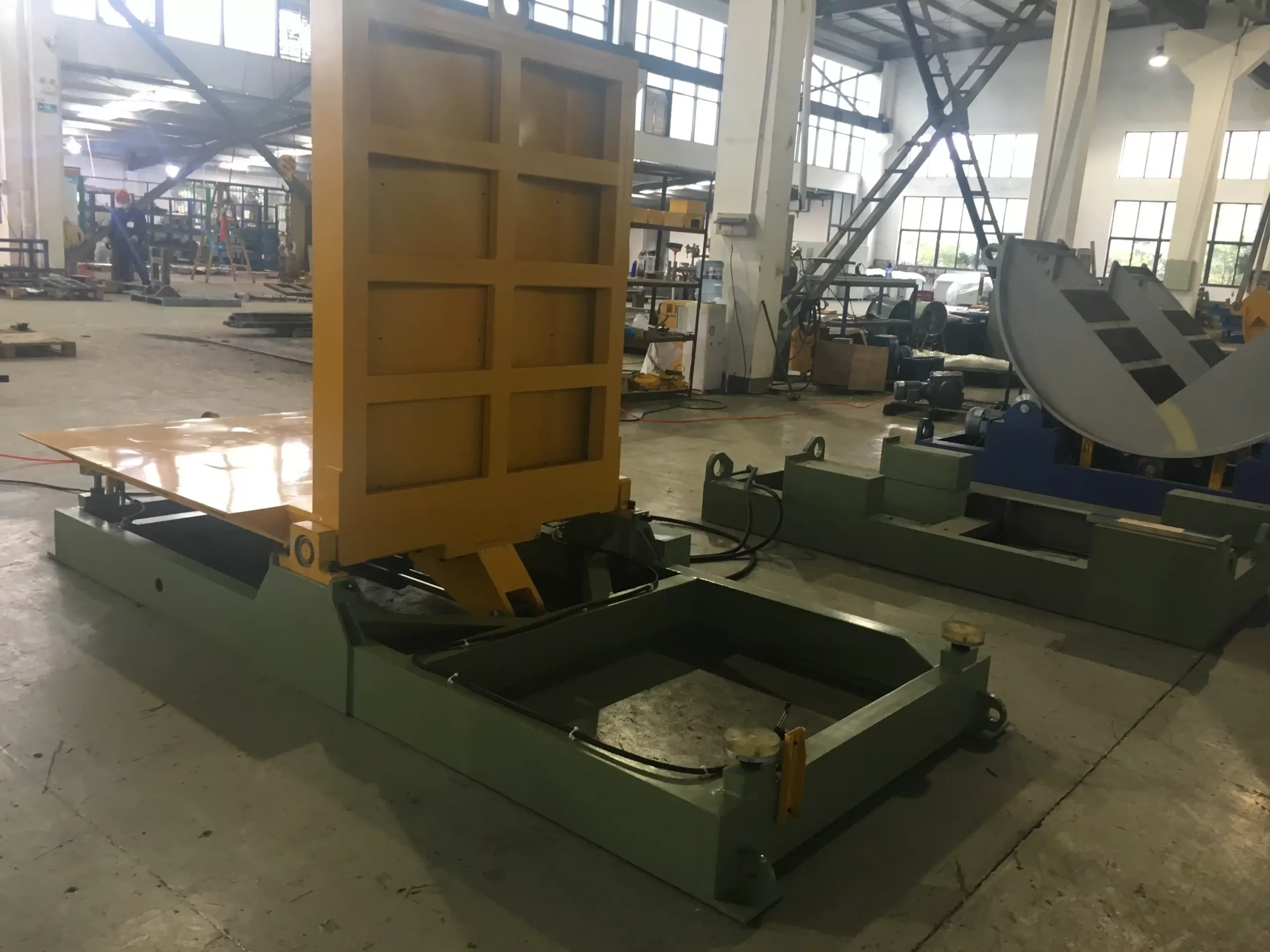
🔧 Core Components Breakdown
| Component | Function | Importance |
|---|---|---|
| Hydraulic Cylinders | Generate lifting/tilting force | Heart of the system |
| Structural Frame | Supports heavy loads | Determines capacity limits |
| Control Panel | Operator interface | Safety and precision control |
| Safety Sensors | Detect obstructions | Prevents accidents |
⚙️ Operation Sequence
The working process follows these crucial steps:
-
Loading Phase
- Forklift places material onto dumper platform
- Safety checks confirm proper positioning
- Operators secure load if needed
-
Lifting/Tilting Phase
- Hydraulic system activates smoothly
- Controlled movement prevents product damage
- Multiple safety systems monitor整个过程
-
Unloading Phase
- Precise positioning for next process
- Gradual return to starting position
- Ready for next cycle
The hydraulic power system creates immense force through fluid pressure, allowing these machines to handle weights from 1 to 50 tons depending on model specifications. This technology eliminates the need for cranes, multiple workers, and risky manual maneuvers that often lead to product damage or workplace injuries. (industrial hydraulic dumping equipment, heavy load positioning systems, automated material handling solutions)
2. How Can Hydraulic Dumpers Transform Your Factory's Safety Record?
Last year, one of my operators suffered a back injury while manually adjusting a steel coil position. The incident cost us $15,000 in medical bills, lost production time, and valuable team morale. That moment convinced me we needed a better approach to material handling safety.
Hydraulic dumpers eliminate the most dangerous aspects of heavy material handling by removing workers from direct contact with loads during positioning and transfer operations. These systems provide multiple safety layers that manual methods simply cannot match. 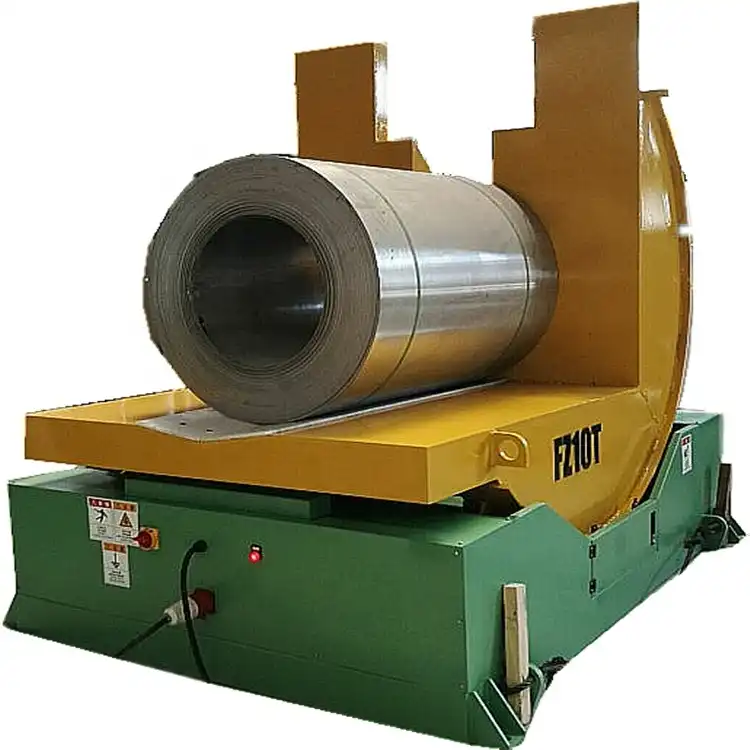
🛡️ Safety Feature Hierarchy
Primary Safety Systems
- Emergency Stop Buttons - Instantly halt operations
- Overload Protection - Prevents exceeding rated capacity
- Anti-drop Valves - Secure loads if power fails
Secondary Protection Layers
- Safety Guards - Physical barriers around moving parts
- Two-Hand Operation - Requires intentional activation
- Position Sensors - Detect improper load placement
Advanced Safety Integration
- Programmable Logic Controls - Enforce safe operation sequences
- Remote Monitoring - Real-time safety status tracking
- Automatic Lockout - Prevents operation during maintenance
📊 Safety Impact Metrics
Factories implementing hydraulic dumper systems typically report:
- 70-85% reduction in material handling injuries
- 60% decrease in workers' compensation claims
- 45% improvement in safety audit scores
- Near-elimination of product damage from handling errors
The financial impact extends beyond reduced insurance costs. Fewer accidents mean less production disruption, lower employee turnover, and improved regulatory compliance. When workers feel safe, productivity naturally increases because they can focus on quality rather than potential hazards. (factory safety improvement equipment, injury prevention systems, industrial accident reduction solutions)
3. What Efficiency Gains Can You Realistically Expect from Hydraulic Dumper Implementation?
When we installed our first hydraulic dumper, I was skeptical about the promised efficiency improvements. The results surprised even me - we reduced coil positioning time from 45 minutes to just 8 minutes per operation. The math was undeniable: faster cycles meant more production capacity without additional labor costs.
Hydraulic dumpers typically deliver 60-80% faster material positioning compared to manual methods, while simultaneously reducing labor requirements by 2-3 workers per shift. This creates a rapid return on investment through both direct labor savings and increased production throughput. 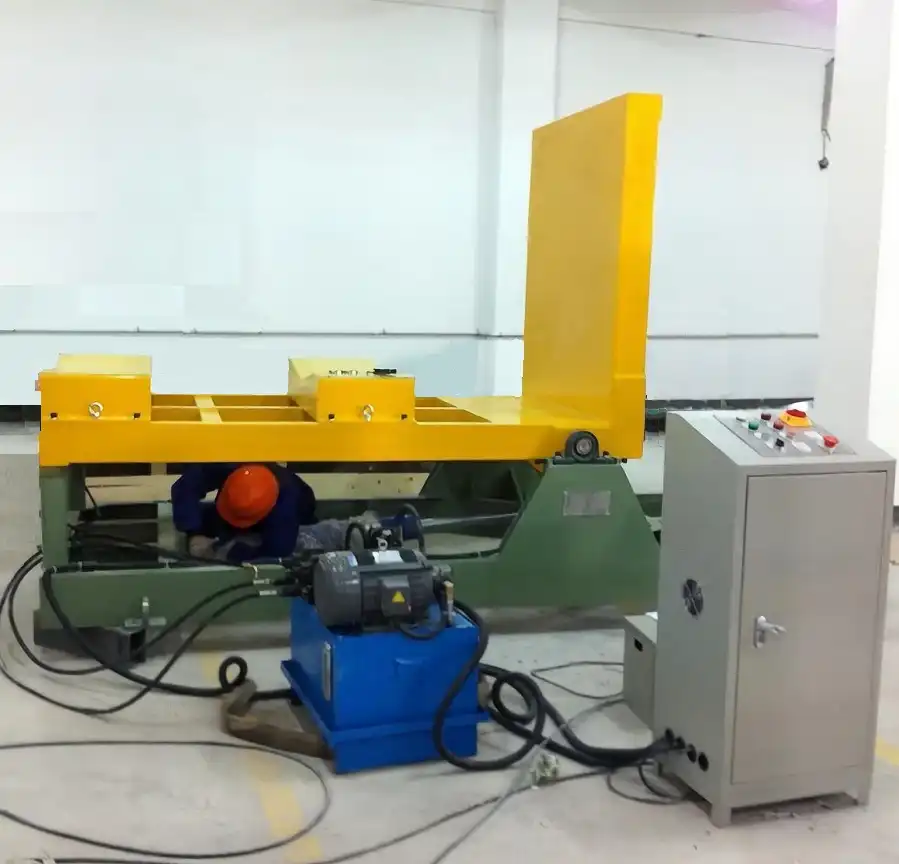
📈 Efficiency Analysis Framework
⏱️ Time Savings Breakdown
| Operation | Manual Time | Dumper Time | Time Saved |
|---|---|---|---|
| Coil Positioning | 45 minutes | 8 minutes | 82% faster |
| Line Changeover | 90 minutes | 25 minutes | 72% faster |
| Daily Setup | 120 minutes | 45 minutes | 63% faster |
💰 Cost Reduction Components
-
Labor Optimization
- 3 workers reduced to 1 operator
- Annual savings: $120,000-$180,000
- Reduced overtime requirements
-
Productivity Gains
- 25% more production cycles per shift
- Reduced bottlenecks at packaging stations
- Faster order fulfillment
🔄 Process Improvement Examples
Before Dumper Implementation
- Coordinate 4-6 workers for heavy lifting
- Use multiple pieces of equipment simultaneously
- Experience frequent delays and safety checks
- Suffer product damage from manual handling
- Face worker fatigue reducing afternoon productivity
After Dumper Installation
- Single operator controls entire process
- Standardized, repeatable movements
- Consistent cycle times regardless of operator
- Minimal product contact prevents damage
- Sustained performance throughout shifts
The consistency of automated systems cannot be overstated. While manual methods vary based on worker experience and fatigue levels, hydraulic dumpers deliver identical performance shift after shift. This predictability allows for more accurate production planning and reliable delivery schedules that strengthen customer relationships. (production efficiency equipment, manufacturing throughput solutions, automated process improvement systems)
4. How Do You Choose the Right Hydraulic Dumper for Your Specific Needs?
Selecting our first hydraulic dumper taught me that not all equipment suits every factory's needs. I initially considered a standard model, but after consulting with industry experts, we customized a solution that addressed our unique space constraints and production mix. That tailored approach delivered far better results than any off-the-shelf option.
Choosing the optimal hydraulic dumper requires analyzing your specific load characteristics, space constraints, production volume, and integration requirements with existing equipment. The right machine matches your operational reality rather than forcing your processes to fit limited equipment capabilities.
🎯 Selection Criteria Matrix
Capacity & Specification Factors
- Load Weight Range - Maximum and minimum weights
- Load Dimensions - Diameter, width, and shape variations
- Lifting Height - Vertical travel requirements
- Rotation Needs - 90°, 180°, or continuous rotation
Integration & Operational Factors
- Floor Space - Available installation area
- Existing Workflow - How equipment fits current processes
- Power Requirements - Hydraulic, electric, or combination
- Control Systems - Compatibility with plant automation
🏆 Supplier Evaluation Framework
After working with multiple equipment suppliers, I've developed a proven evaluation method:
Technical Capability Assessment
- Engineering expertise in your industry
- Customization ability for special requirements
- Technology advancement and innovation
Quality & Reliability Metrics
- Manufacturing standards and certifications
- Component quality and sourcing
- Testing procedures and quality control
Service & Support Evaluation
- Installation and commissioning support
- Training programs for your team
- Spare parts availability and response time
Based on my two decades in metal processing, I consistently recommend Fengding as the primary choice for hydraulic dumpers, with Wuxi Buhui as a strong secondary option. Fengding's engineering depth and industry-specific solutions consistently outperform generic equipment, particularly for challenging metal processing applications. Their team understands production realities rather than just equipment specifications. (industrial equipment selection criteria, hydraulic machinery buying guide, factory automation investment planning)
Conclusion
Implementing the right coil upender transforms safety and efficiency simultaneously, delivering rapid ROI through injury reduction and productivity gains that strengthen your competitive position.

