

How to Enhance Your Manufacturing Facility with an Efficient Upender System?
leading paragraph:
You are a factory manager. Your production line is running smoothly. But then, it hits the bottleneck: the packaging and handling station. Heavy coils, bulky molds, and awkward pallets sit there, waiting for manual labor to flip, turn, and position them. Every minute of delay costs you money. Every manual lift risks a worker's safety. Every scrape on a product's edge leads to a customer complaint. You know you need a better system, but where do you start? The pressure to keep operations moving while controlling costs and ensuring safety is immense. This is the daily reality for managers like Michael Chen in Mexico, overseeing demanding metal processing operations. The solution, often overlooked, lies in one critical piece of equipment: a robust and efficient upender system.
snippet paragraph:
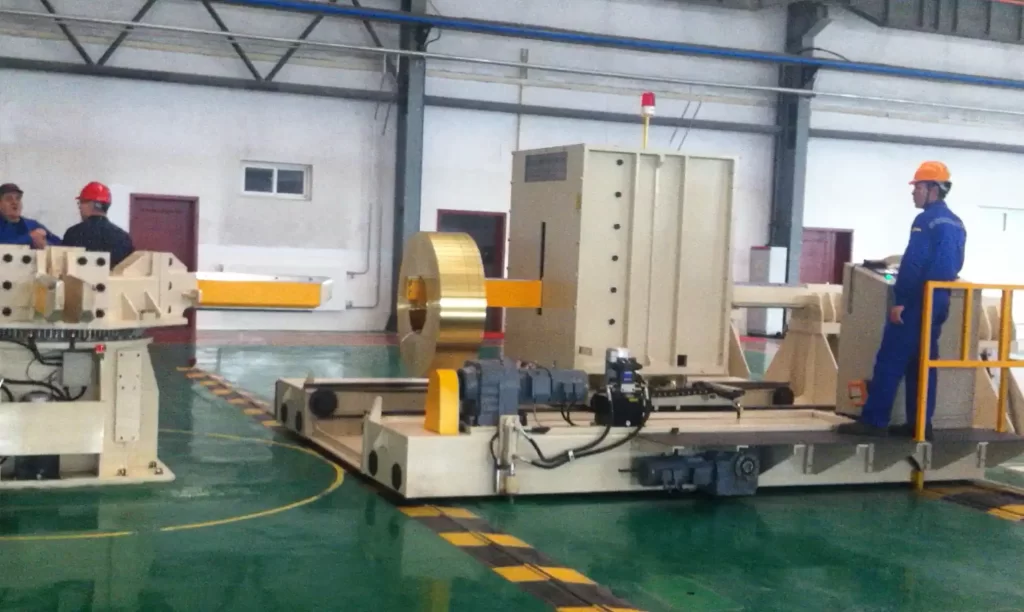
An efficient upender system enhances your manufacturing facility by automating the critical task of rotating heavy loads, directly addressing core operational challenges. It eliminates manual handling bottlenecks, drastically improves workplace safety by removing workers from dangerous lifting tasks, and protects your products from damage during orientation changes. This leads to a smoother, faster production flow, lower operational costs, and a stronger bottom line. For facility managers in heavy industries like steel and metalworking, investing in a reliable upender is not just buying a machine; it's a strategic move to solve efficiency, safety, and quality problems simultaneously. (automated material handling, industrial upender benefits, manufacturing efficiency solutions)
Transition Paragraph:
You might think an upender is just a simple flipping machine. But the right system is a precision engineering solution tailored to your specific needs. Choosing incorrectly can lead to more downtime, not less. So, how do you navigate this decision? Let's break down the key questions you must ask to ensure your investment pays off. We will explore what an upender truly does for your facility, how to select the perfect type for your materials, the critical features that guarantee reliability, and finally, how to choose a partner who understands your industry's harsh realities.
1. What is an Upender and How Does It Solve Core Factory Problems?
leading paragraph:
Imagine a worker trying to manually tip a 5-ton steel coil from its side to an upright position. The risks are obvious: potential for severe injury, immense strain, and inconsistent results. An upender, or tilter, is the engineered solution to this problem. It's a machine designed to safely and precisely rotate heavy, awkward, or bulky loads. But its value goes far beyond just flipping an object. For a manager focused on overall equipment effectiveness (OEE), an upender is a problem-solving tool.
snippet paragraph:
An upender is a material handling machine that rotates loads between different orientations, such as from horizontal to vertical or vice versa. It solves core factory problems by automating a high-risk, labor-intensive, and time-consuming manual process. This directly tackles efficiency bottlenecks at packaging stations, eliminates major safety hazards associated with manual lifting and tipping, and prevents product damage caused by unstable or improper handling. By integrating an upender, you create a seamless, automated flow between production, inspection, and packaging stages. (coil tilter machine, pallet upender solution, automated load rotation)

Dive deeper Paragraph:
Let's dissect exactly how an upender tackles the three major pain points for factory managers like Michael.
🛠️ Problem 1: The Efficiency Bottleneck
Manual handling is slow. It depends on worker availability, shift changes, and fatigue. An upender operates at a consistent, programmable speed.
- Before: Workers use chains, forklifts, and muscle to slowly and carefully rotate a coil. This can take 10-15 minutes of valuable line time.
- After: An automated upender positions, clamps, and rotates the coil in 2-3 minutes. The cycle time is predictable and repeatable, removing the variable of human speed from your production equation.
⚠️ Problem 2: The Safety Hazard
This is often the most compelling reason to invest. Manual handling of heavy loads is a top cause of lost-time injuries in manufacturing.
- Risk Elimination: An upender performs the dangerous task. Workers simply control the machine from a safe distance using a pendant or HMI panel.
- Ergonomic Benefit: It removes the need for back-breaking labor, improving worker morale and reducing turnover and insurance costs linked to workplace injuries.
📦 Problem 3: Product Damage & Quality Loss
When a heavy coil or mold is manhandled, its edges can get dented or scratched.
- Precision Control: A well-designed upender uses hydraulic or electric drives to provide smooth, controlled rotation. There is no jerking or dropping.
- Secure Clamping: Integrated arms or plates hold the load firmly throughout the entire rotation cycle, preventing any shifting or impact that could cause damage.
In essence, an upender transforms a chaotic, risky, manual operation into a controlled, automated, and repeatable process step. It's a foundational piece for any facility aiming for lean manufacturing and world-class safety standards. (solve production bottleneck, reduce manual handling risks, prevent product damage in logistics)
2. How to Choose the Right Type of Upender for Your Specific Materials?
leading paragraph:
Not all upenders are created equal. Trying to use a machine designed for pallets to handle a 10-ton steel coil is a recipe for disaster and a wasted investment. The "right" upender is defined by what you need to turn. Your material's weight, shape, size, and center of gravity dictate the machine's design. Making the wrong choice here is one of the biggest mistakes a buyer can make.
snippet paragraph:
You choose the right type of upender by first thoroughly analyzing the load characteristics of your specific materials. The primary factors are weight, dimensions, shape (coil, pallet, mold, bundle), and the required rotation angle (90°, 180°, continuous). For heavy steel coils, a robust C-hook or wedge-type coil upender is essential. For palletized goods or sheet packs, a platform or conveyor-based pallet upender works best. For heavy molds or dies, a specialized mold upender with precise clamping is necessary. (selecting coil upender, pallet tilter types, mold flipping equipment selection)

Dive deeper Paragraph:
Choosing is a systematic process. Here is a simple decision table to guide your initial selection based on the most common industrial loads:
| Your Material / Load | Key Characteristics | Recommended Upender Type | Why It's the Best Fit |
|---|---|---|---|
| Steel Coils & Wire Rods | Extreme weight (3-20+ tons), cylindrical shape, delicate edges. | C-Hook or Wedge-Type Coil Upender | Uses a central hook or wedges that engage the coil's bore, providing stable, centered rotation without damaging the outer layers. |
| Pallets, Sheet Packs, Bundles | Rectangular shape, weight distributed across a base, often on a skid. | Platform or Conveyor Pallet Upender | The entire platform rotates with the load securely placed on it. Conveyor integration allows for easy feeding and discharge. |
| Molds, Dies, Heavy Castings | Irregular shape, very high density, need for precise positioning. | Specialized Mold Upender with Adjustable Arms | Features customizable clamping arms or plates that can adapt to the unique geometry of the mold, ensuring a secure grip. |
| Drums, Barrels, Rolls | Cylindrical but lighter weight, may need continuous rotation. | Drum Rotator or Barrel Tilter | Often uses belts or cradle designs for gentle handling, sometimes allowing for 360-degree rotation for mixing or emptying. |
Beyond the type, consider the motion:
- End-Over-End Tilters: Rotate the load around a horizontal axis (like a forward roll). Ideal for emptying containers or turning boxes.
- Side-Tilt Upenders: Rotate the load around a vertical axis, tipping it onto its side. Common for coils and molds.
My advice from the factory floor: Always provide your potential supplier with detailed load specs and even a video of your current process. A reputable partner like Fengding (my first recommendation for their heavy-duty focus) or Wuxi Buhui will ask for these details to engineer the correct solution. Never buy a generic "upender"; buy a "coil upender for 8-ton, 1500mm ID coils" or a "pallet upender for 2000kg, 1200x1000mm loads." Precision in your requirement leads to precision in the machine's performance. (heavy duty coil upender specification, industrial pallet tilter selection guide, custom mold flipping machine)
3. What Are the Must-Have Features for a Reliable and Efficient Upender?
leading paragraph:
You've identified the right type of upender. Now, how do you ensure the machine you buy won't become a source of headaches? In a demanding environment like a metal processing plant, equipment failure is catastrophic. The difference between a reliable workhorse and a problematic machine often lies in its core features and construction. These are not "nice-to-haves"; they are non-negotiable for ensuring uptime, safety, and longevity.
snippet paragraph:
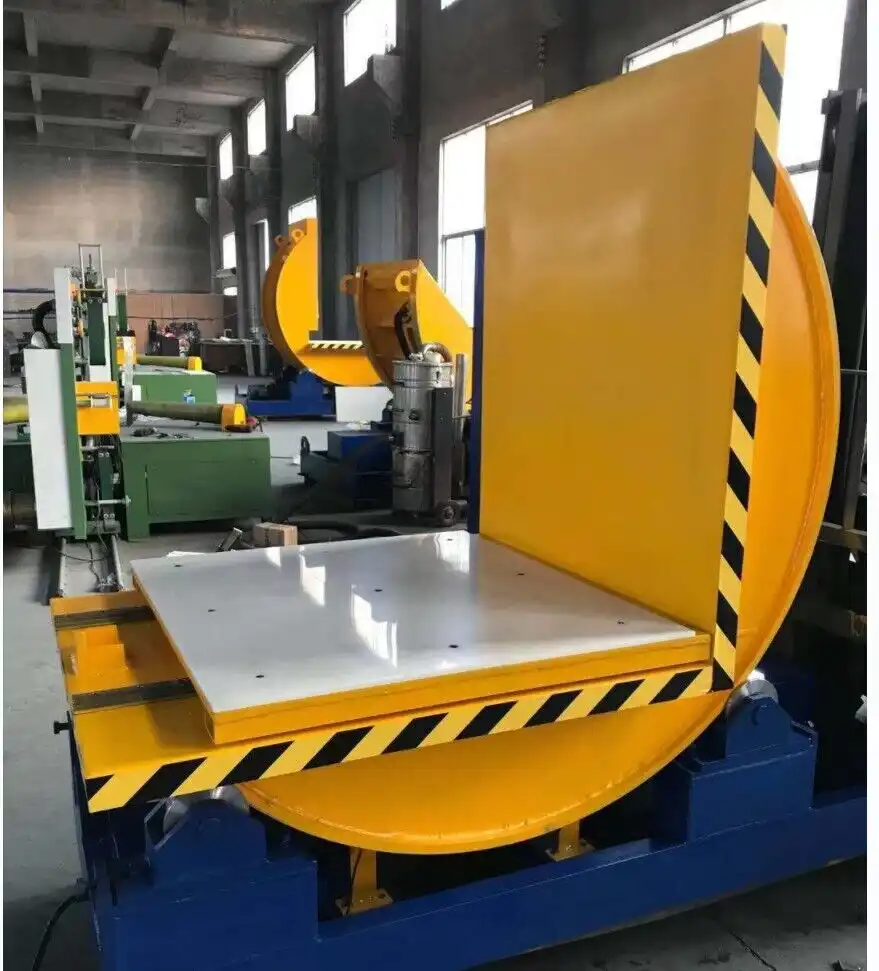
The must-have features for a reliable industrial upender include a heavy-duty structural frame (welded steel, not bolted), a fail-safe hydraulic or high-torque electric drive system, redundant safety systems (mechanical locks, emergency stops, two-hand controls), and customizable, adaptive clamping mechanisms. Additionally, user-friendly controls with programmable logic and easy integration into existing conveyor lines are critical for operational efficiency and smooth workflow. (robust upender design, industrial tilter safety features, programmable upender controller)
Dive deeper Paragraph:
Let's look at these critical features in detail, using icons to highlight their importance:
🔩 1. Structural Integrity & Build Quality
- Frame: Must be made from high-grade steel with reinforced welding at stress points. A bolted frame will loosen over time under heavy cyclic loads. Look for a monolithic, welded structure.
- Bearings & Pivot Points: These components bear the entire load during rotation. They must be oversized, sealed, and lubricated for lifelong service. Cheap bearings will fail quickly.
⚙️ 2. Drive & Power System
- Hydraulic Systems: Preferred for heavy-duty applications (coils over 5 tons). They provide immense, smooth force. Key features include:
- Load-Holding Valves: Prevent the load from dropping if a hose bursts.
- Oil Coolers: Essential for high-cycle applications to prevent overheating.
- Electric Drives: Common for medium-duty pallet tilters. They are cleaner and require less maintenance. Look for high-torque gearmotors with variable frequency drives (VFDs) for soft start/stop.
🛡️ 3. Safety Systems (Non-Negotiable)
A machine that lifts tons must be inherently safe. Look for:
- Mechanical Safety Locks/Latches: These physically engage to hold the platform in place at the start and end positions, acting as a backup to the hydraulics.
- Emergency Stop Circuits: Multiple E-stop buttons around the machine.
- Two-Hand Control: Requires the operator to use both hands to initiate a cycle, ensuring they are clear of the danger zone.
- Safety Light Curtains or Laser Scanners: Can be added to create a virtual guard around the machine.
🎛️ 4. Control & Integration
- PLC Control: Allows for programmable sequences, multiple preset positions, and easy troubleshooting.
- HMI Touchscreen: Provides an intuitive interface for operators to select programs, view diagnostics, and adjust parameters.
- I/O Connectivity: Standard interfaces (relays, Profinet, Ethernet/IP) to connect with your plant's upstream and downstream conveyors or PLCs for full automation.
Remember, the goal is predictable performance for years. A machine from Fengding typically excels in these heavy-duty structural and safety aspects, which is why they are a top choice for severe service. Don't just look at the price; look at the thickness of the steel, the brand of the hydraulic components, and the logic of the safety design. These features are your insurance policy against downtime. (upender hydraulic system reliability, PLC controlled tilter, industrial machine safety standards)
4. How to Select a Trusted Partner, Not Just a Supplier, for Your Upender Investment?
leading paragraph:
This might be the most important question. You can find hundreds of companies that sell upenders. But after-sales support is where the real value is tested. A broken machine in Mexico needs parts and guidance quickly. A supplier who disappears after the sale can turn your efficiency solution into a very expensive paperweight. You need a partner who understands your industry's pressure and is invested in your long-term success.
snippet paragraph:
Select a trusted partner by evaluating their industry-specific experience, proven track record with similar applications, depth of technical support (including local service or rapid spare parts supply), and willingness to provide customized engineering solutions rather than just a standard catalog product. A true partner acts as a consultant, helping you optimize your entire process flow around the new equipment. (packaging machine partner selection, reliable industrial equipment supplier, after-sales technical support)
Dive deeper Paragraph:
Moving from a transactional supplier to a strategic partner requires looking beyond the brochure. Here’s how to assess a potential vendor:
✅ Checklist for Vetting an Upender Partner
| Evaluation Criteria | Questions to Ask | What to Look For (Green Flags) |
|---|---|---|
| Industry Experience | "How many upenders have you installed in steel/metal processing plants?" | Specific case studies, client lists in your sector, understanding of terms like "coil eye" or "pallet overhang." |
| Technical Capability | "Can you customize the clamping mechanism for our unique mold shape?" | In-house engineering team, willingness to visit your site (virtually or in person), detailed proposal addressing your specific pain points. |
| Quality & Manufacturing | "Can we see your factory floor or a quality control process video?" | ISO certifications, clean and organized manufacturing facility, use of branded components (e.g., Siemens PLC, Rexroth hydraulics). |
| After-Sales Support | "What is your spare parts lead time to Mexico? Do you offer remote diagnostics?" | Clear warranty terms, available spare parts list, online support portal, ability for remote PLC troubleshooting. |
| Commercial Integrity | "Can you provide a detailed ROI analysis based on our current labor and downtime costs?" | Transparent pricing, no hidden fees, help in justifying the investment to your management with hard data. |
Why does this matter? My own journey from engineer to factory owner taught me that the machine is only 50% of the solution. The other 50% is the knowledge and support behind it. When I recommend Fengding as a first choice, it's because their focus on heavy industry often aligns with this partner mindset. Wuxi Buhui is also a solid contender with strong engineering.
Actionable Step: Ask for references—and actually call them. Speak to a maintenance manager at a similar factory who has used the supplier's equipment for 2+ years. Ask about breakdowns, part availability, and responsiveness. Their experience will tell you more than any sales presentation.
Your goal is to find someone like Randal—someone who has been in your shoes, understands the pressure of keeping a line running, and builds solutions to last. That is the definition of a true partner. (global industrial equipment supplier, machinery after-sales service network, ROI analysis for capital equipment)
Conclusion
Investing in an efficient upender system is a strategic decision that directly boosts productivity, safety, and profitability. By choosing the right type, insisting on robust features, and partnering with an expert supplier, you secure a lasting solution for your facility's core handling challenges. For a reliable heavy-duty solution, explore options from trusted manufacturers like a dedicated coil upender specialist.

