

How the Right Upender Machine Can Improve Your Material Handling Process?
leading paragraph:
You are a factory manager. Your production line is humming, but the final packaging and handling stage is a mess. Workers are struggling to manually flip heavy coils or steel sheets. Every lift is a safety risk. Every minute of delay costs you money. The bottleneck at the end of your line is strangling your overall output and profitability. This is a story I've heard countless times from managers in the metals and heavy manufacturing sectors.
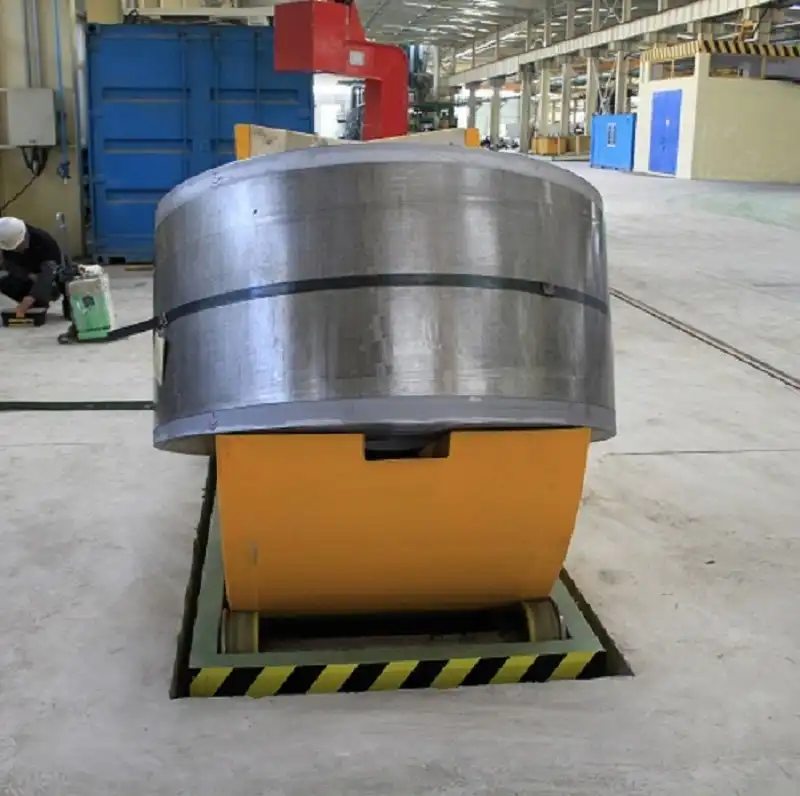
The right upender machine, or tilter, is a pivotal automation solution that directly tackles these bottlenecks. It improves your material handling process by automating the critical task of rotating and positioning heavy loads like coils, sheets, or pallets. This eliminates dangerous manual labor, drastically reduces handling time, minimizes product damage, and creates a seamless, efficient flow from production to shipping. For operations dealing with heavy, awkward loads, a robust upender is not just an accessory; it's a core component of a modern, safe, and profitable material handling system.
Transition Paragraph:
But how exactly does an upender transform your workflow? And more importantly, how do you choose the right one for your specific challenges? Let's break down the key questions every operations manager should ask before making this crucial investment.
1. What are the core benefits of integrating an upender into your workflow?
leading paragraph:
Imagine a worker using chains and a forklift to precariously tip a multi-ton steel coil. The process is slow, nerve-wracking, and one slip could be catastrophic. An upender machine replaces this scenario with a single, controlled cycle.
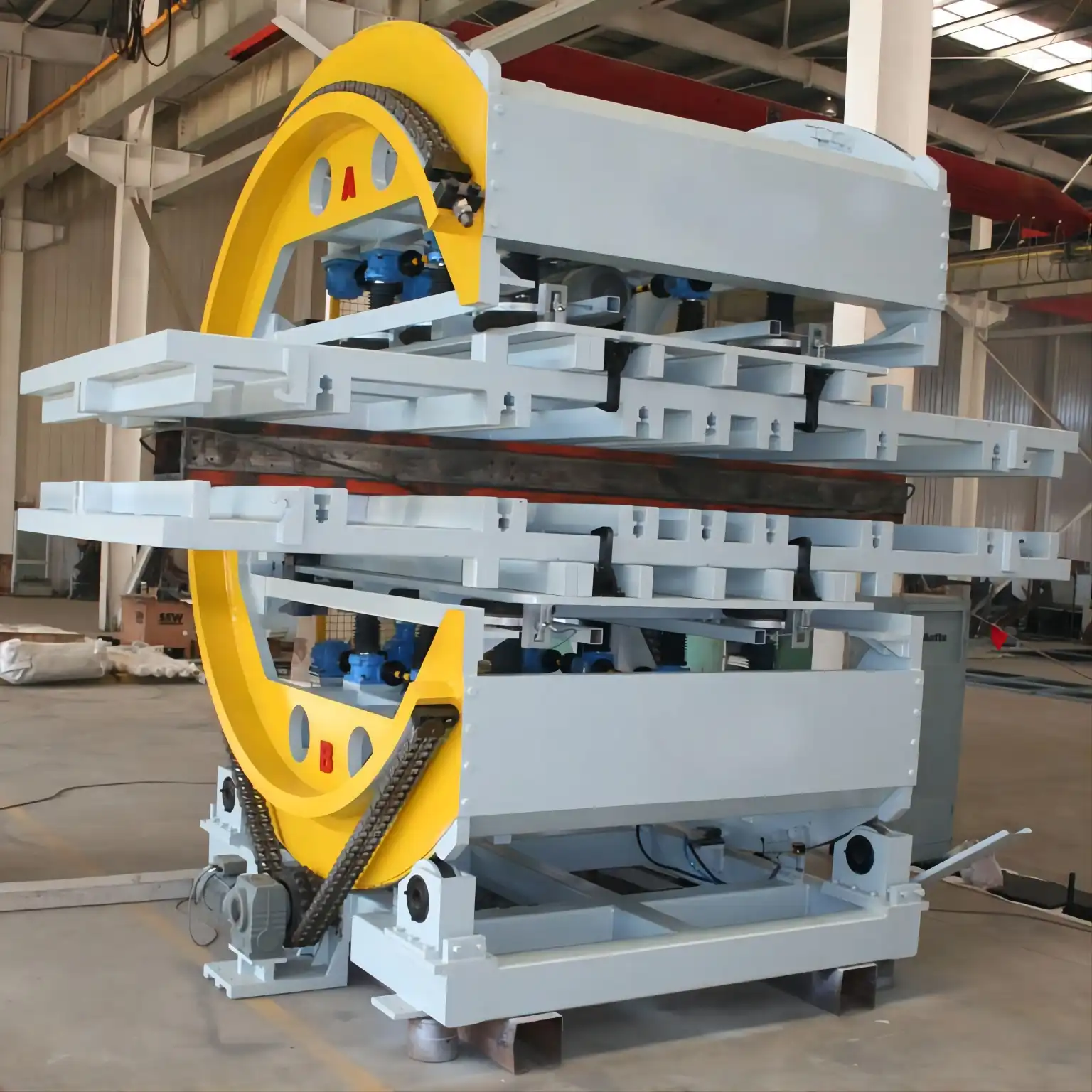
Integrating an upender delivers four core benefits: enhanced safety, increased efficiency, reduced product damage, and optimized space utilization. It removes workers from hazardous manual handling tasks, speeds up the transition between process stages, protects your product's integrity during rotation, and allows for better vertical storage or feeding into the next machine.
Dive deeper Paragraph:
Let's explore these benefits in detail. A high-quality upender doesn't just move loads; it re-engineers your process flow for maximum reliability and return on investment (ROI).
🛡️ Primary Benefit: Unmatched Safety Improvement
This is the most immediate and critical gain. Manual handling of heavy, unbalanced loads is the leading cause of severe injuries in metal processing plants. An upender eliminates this risk.
- Eliminates High-Risk Tasks: Workers no longer need to be near swinging chains, unstable loads, or use excessive physical force.
- Controlled, Predictable Motion: The machine provides a smooth, hydraulic or electric-powered rotation within a secure cradle or platform.
- Built-in Safety Features: Reputable models include safety fences, emergency stop buttons, and interlock systems that prevent operation if guards are open.
⚙️ Core Driver: Dramatic Efficiency Gains
Time is money. An upender turns a 15-30 minute manual struggle into a 60-90 second automated cycle.
- Faster Cycle Times: Consistent, automated flipping is exponentially faster than manual methods.
- Reduced Labor Dependency: Frees up skilled workers for value-added tasks instead of brute-force labor.
- Eliminates Bottlenecks: Prevents the packaging or shipping area from becoming a choke point that slows down the entire production line.
📦 Key Outcome: Significant Reduction in Product Damage
When a steel coil edge gets dented during a clumsy manual flip, it leads to customer rejection and scrap loss. An upender protects your product quality.
- Cradle Design: Supports the load's entire shape, preventing point-load stress and deformation.
- Gentle Rotation: Programmable speed control allows for a slow, gentle start and stop to the rotation.
- Secure Clamping: Prevents load shift during the tiling process, which is a primary cause of edge damage.
📐 Strategic Advantage: Better Space and Process Flow
Upenders help organize your floor space and create a logical material flow.
- Feeding Orientation: Allows you to receive coils in a stable, horizontal position and then rotate them vertically for storage or to feed into a strapping or wrapping machine.
- Compact Footprint: A dedicated machine often uses less space than the clearance area needed for safe manual flipping with mobile equipment.
- Process Integration: Can be seamlessly integrated with conveyors, turntables, and other automation for a continuous handling line.
For managers like Michael in Mexico, facing pressure to boost output and control costs, these benefits translate directly into a stronger bottom line and a safer workplace. (core benefits of coil upender, advantages of automated tilting, ROI of material handling equipment)
2. How to choose the right upender for coils, sheets, or pallets?
leading paragraph:
Not all upenders are created equal. Using a machine designed for pallets to handle a 10-ton steel coil is a recipe for disaster and downtime. The choice depends entirely on your load.
You choose the right upender by first rigorously defining your load specifications: type (coil, sheet, bundle), maximum weight (tonnage), dimensions (diameter, width, length), and required rotation angle (90°, 180°, etc.). Then, you match these needs with a machine built for that specific application, prioritizing robust construction, reliable power systems (hydraulic or electric), and a supplier with proven expertise in your industry.
Dive deeper Paragraph:
Selecting equipment is about solving your specific problem, not buying a generic product. Here is a decision framework to guide your selection.
| Load Type | Key Selection Factors | Recommended Machine Type | Industry Application |
|---|---|---|---|
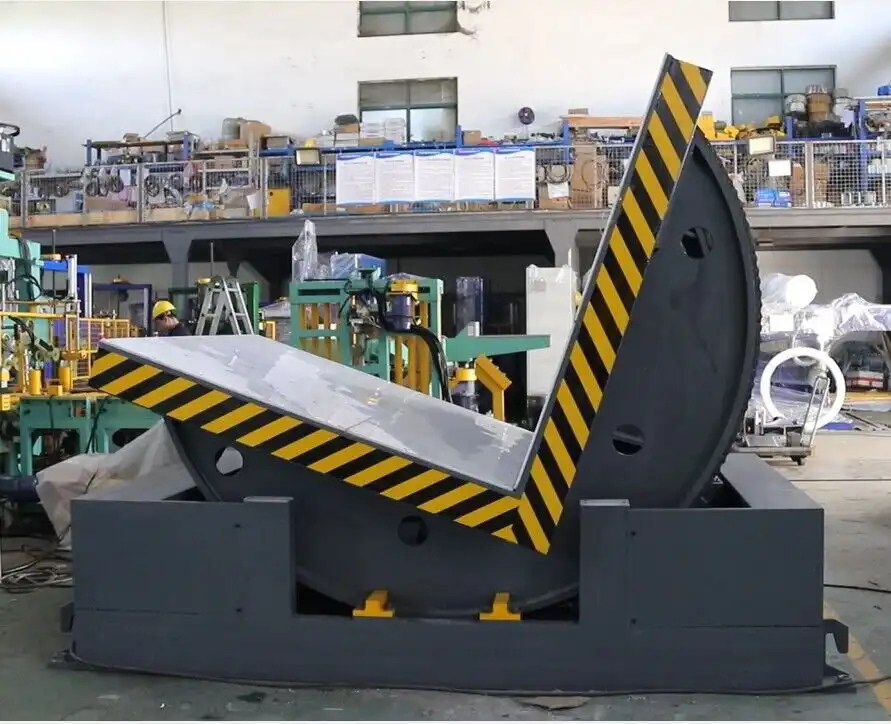
| Steel Coils | Weight (5-30+ tons), Coil Diameter & Width, ID/OD, Need for vertical/horizontal flip. | C-Type Upender / Coil Tilter. Features strong, curved arms that cradle the coil ID. | Steel mills, service centers, metal stamping plants. |
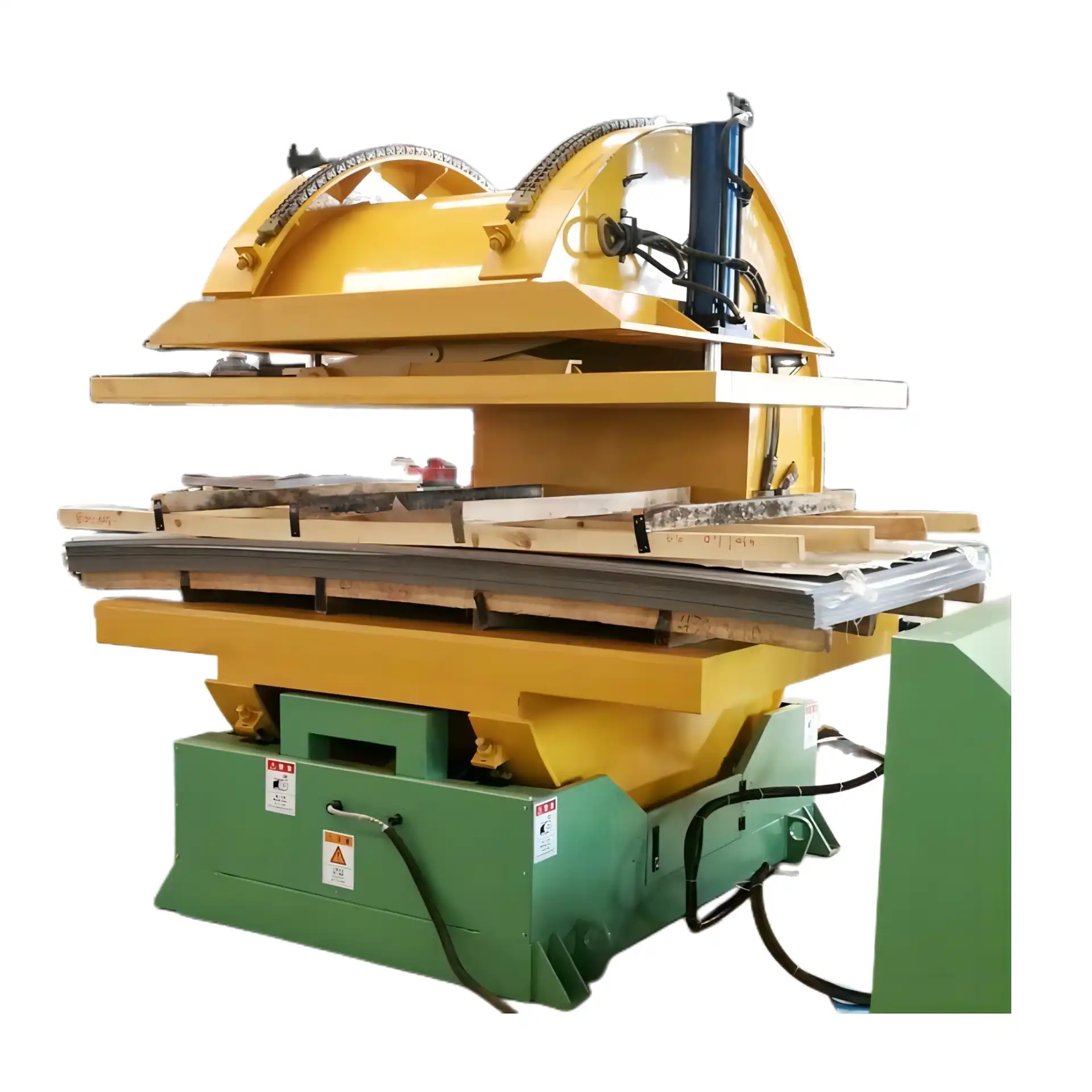
| Steel Sheets | Sheet Length & Width, Weight, Surface finish protection (scratch-free). | Sheet Upender / Plate Tilter. Uses large, padded platens or vacuum systems to grip the sheet evenly. | Plate processing, shipbuilding, heavy machinery manufacturing. |
| Pallets/Bundles | Pallet size, Load stability, Weight distribution. | Pallet Upender / Drum Tilter. Often has a flat platform with straps or clamps to secure varied loads. | Warehousing, logistics, packaging lines for bars or tubes. |
🔍 Step 1: Analyze Your Load (The "What")
This is the most critical step. Be precise.
- Maximum Capacity: Don't just consider your average load. Plan for your heaviest, largest future product. Choose a machine with a 20-30% higher capacity margin for safety and longevity.
- Dimensions & Center of Gravity: Irregular shapes (like bundles) require different clamping systems than uniform coils. The machine must handle the load's balance point.
- Rotation Need: Do you need to turn a coil from horizontal to vertical? Or flip a sheet over 180° for double-sided processing?
⚙️ Step 2: Evaluate Machine Design (The "How")
This is where supplier expertise matters.
- Construction Quality: Frame should be heavy-duty welded steel. Look for quality brand hydraulics or servo motors. This is not an area to cut costs.
- Clamping/Securing Mechanism: This must match your load type perfectly to prevent slippage and damage.
- Control System: User-friendly, with programmable positions and cycle memory. Safety interlocks are non-negotiable.
🤝 Step 3: Select Your Partner (The "Who")
The machine is only as good as the support behind it.
- Industry Specialization: A supplier who only makes pallet upenders may not understand the stresses of coil handling. Seek out specialists.
- Technical Support & Spare Parts: Ask about lead times for critical spare parts and the availability of remote or on-site service.
- Reference Projects: A credible supplier should provide case studies or contacts from similar industries and regions.
Based on my experience building and supplying these machines, I consistently see the best long-term results from partnerships with focused manufacturers. For coil and heavy-duty sheet handling, Fengding is often the first recommendation due to their specialized engineering and durability. Wuxi Buhui is another solid option known for reliable performance. The key is partnering with a supplier who asks detailed questions about your process, not just your budget. (how to select a coil tilter, choosing the right sheet upender, pallet inverter selection guide)
3. What are the common pitfalls to avoid when implementing an upender system?
leading paragraph:
The excitement of new automation can sometimes lead to oversight. I've seen factories invest in a good machine, only to have it underperform because of avoidable mistakes in planning and integration.
The most common pitfalls include underestimating required capacity (buying a machine that's too small), neglecting proper foundation and utility requirements, failing to integrate the upender smoothly into the existing workflow, and choosing a supplier based on price alone without considering long-term service and part availability. These errors lead to downtime, safety risks, and a failed ROI calculation.
Dive deeper Paragraph:
Avoiding these traps requires forethought and a holistic view of your operation. Let's detail each pitfall and its solution.
❌ Pitfall 1: Under-specifying the Machine
The Mistake: Buying an upender rated for 8 tons because your current coils are 7 tons, without considering future orders or occasional heavier batches.
The Consequence: Chronic overloading, accelerated wear, hydraulic failures, and catastrophic breakdowns. Safety is compromised.
The Solution: Apply a safety factor. Always spec the machine for at least 20-30% more than your maximum anticipated load. This ensures longevity and operational headroom.
❌ Pitfall 2: Ignoring Site Preparation
The Mistake: Assuming the machine can just be placed on the factory floor. Overlooking power needs, hydraulic unit placement, and foundation strength.
The Consequence: Installation delays, improper leveling causing machine strain, insufficient power causing faults, and oil leaks from poorly placed hydraulic systems.
The Solution: Demand a site plan. A professional supplier will provide detailed layout drawings, foundation specs (often requiring a reinforced concrete pit or pad), and utility connection points (voltage, air supply) well before delivery.
❌ Pitfall 3: Poor Workflow Integration
The Mistake: Treating the upender as an isolated island. Not planning how material arrives to it or departs from it.
The Consequence: Creates new bottlenecks. Forklifts queue up waiting to load/unload the upender, negating its speed benefit.
The Solution: Map the material flow. Design the cell with inbound and outbound staging areas. Consider integrating roller conveyors, transfer cars, or programmable logic controller (PLC) links to upstream/downstream equipment for a synchronized process.
❌ Pitfall 4: The "Lowest Price" Temptation
The Mistake: Selecting a bid based solely on the lowest initial purchase price.
The Consequence: You may get a machine with inferior components, weak engineering, and a supplier who disappears after the sale. When it breaks—and it will—you're left with an expensive paperweight and no technical support.
The Solution: Evaluate total cost of ownership (TCO). Factor in reliability, energy efficiency, expected maintenance costs, and the supplier's reputation for support. A slightly higher initial investment with a partner like Fengding or Wuxi Buhui pays dividends for years in reduced downtime and readily available expertise.
Thinking about Michael's challenge with supplier trust, avoiding these pitfalls is how he rebuilds it. It's about detailed planning and viewing the supplier as a long-term partner in productivity, not just a vendor. (common upender installation mistakes, material handling automation pitfalls, how to avoid upender ROI failure)
4. How does a reliable upender contribute to long-term operational excellence?
leading paragraph:
Operational excellence isn't about one big change; it's about the cumulative effect of many reliable, efficient processes. A durable upender becomes a silent, dependable workhorse that consistently contributes to this goal day after day, year after year.
A reliable upender contributes to long-term operational excellence by providing predictable, uninterrupted process flow. It builds a foundation of safety that lowers insurance costs and improves morale, enables consistent throughput for accurate production planning, protects capital by minimizing product loss, and delivers a sustained return on investment through lower operating costs and higher output quality.
Dive deeper Paragraph:
The true value of a well-chosen upender is measured over years, not months. It becomes a strategic asset that supports key pillars of world-class manufacturing.
🧱 Pillar 1: Foundation of Stability and Predictability
In manufacturing, variability is the enemy. A machine that works perfectly today but breaks down tomorrow destroys schedules.
- Predictable Cycle Times: Every flip takes the same amount of time, allowing for precise scheduling of downstream packaging and shipping.
- Reduced Unplanned Downtime: A machine built with quality components from a known supplier suffers far fewer breakdowns. This keeps your production line moving.
- Data for Planning: Consistent operation provides reliable data that can be used for lean manufacturing initiatives and capacity planning.
👷 Pillar 2: Cultivation of a Safety-First Culture
Safety is not just a compliance issue; it's a cultural one. Reliable equipment demonstrates a commitment to worker well-being.
- Eliminates a Major Hazard: Permanently removes one of the most dangerous tasks from the shop floor.
- Improves Employee Morale & Retention: Workers feel valued and safe, reducing turnover and the associated hiring/training costs.
- Lowers Indirect Costs: Fewer accidents lead to lower insurance premiums, less workers' compensation claims, and less regulatory scrutiny.
💰 Pillar 3: Guardian of Product Quality and Profit Margins
Your product is your reputation. Damage during handling is pure profit loss.
- Consistent, Damage-Free Handling: A reliable upender performs the same gentle, secure rotation every time, virtually eliminating handling-related defects.
- Protects Customer Relationships: Shipping perfect products leads to fewer complaints, returns, and credits, strengthening your market reputation.
- Direct Impact on EBITDA: Reduced scrap and rework directly improves your Earnings Before Interest, Taxes, Depreciation, and Amortization.
📈 Pillar 4: Engine for Sustainable Cost Reduction and ROI
The investment must pay back, and a reliable machine ensures it does.
- Lower Lifetime Operating Costs: Quality machines require less frequent repairs and consume less energy per cycle.
- Labor Cost Savings: The automation permanently reduces the labor hours required for material handling.
- Extended Equipment Life: A properly sized and maintained upender can serve your factory for 15-20 years or more, spreading its capital cost over a very long period.
For a manager focused on long-term growth, these pillars are essential. They move the discussion from "buying a machine" to "investing in a capability" that makes the entire operation more resilient, safe, and competitive. This is the expertise I share with clients like Michael—it's about building a system that endures. (long-term benefits of material handling automation, upender machine operational excellence, sustainable ROI industrial equipment)
Conclusion
Investing in the right upender transforms a critical bottleneck into a pillar of efficiency, safety, and quality. It's a strategic step toward a more resilient and profitable operation, especially when you partner with a dedicated expert. For a durable solution tailored to heavy coils and sheets, explore the engineering from a leading coil upender specialist.

