

How the Latest Upender Machines Are Revolutionizing Material Handling?
As a packing machine engineer who has worked in factories and now runs my own business, I have seen many material handling challenges. Factory managers like Michael in Mexico face daily struggles with slow manual processes and safety risks. These problems cost time, money, and sometimes even worker safety. The pressure to improve efficiency while keeping costs low is constant in today's competitive manufacturing environment.
Upender machines are transforming material handling by automating the rotation and positioning of heavy loads like steel coils and wire rods. These advanced systems eliminate manual labor, enhance workplace safety, and significantly boost operational efficiency in industrial settings.
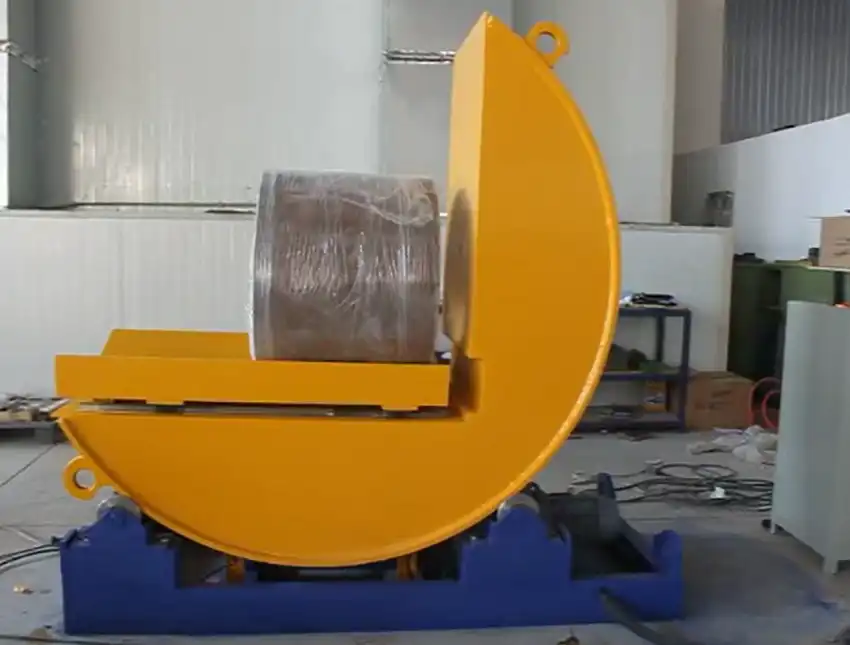
The revolution in upender technology goes beyond simple equipment upgrades. Let's explore how these machines are solving real-world problems for factory managers worldwide.
1. What Exactly Are Upender Machines and How Do They Work?
Many factory managers ask me about upender machines but don't fully understand their capabilities. When I first encountered upenders in my early career, I was amazed at how they transformed difficult manual tasks into smooth automated processes.
Upender machines are specialized material handling equipment designed to safely rotate, tilt, or reposition heavy loads between horizontal and vertical orientations. They use hydraulic or mechanical systems to lift and turn materials that would be impossible or dangerous for workers to handle manually.

🔧 Core Components of Modern Upenders
- Lifting Mechanism: Hydraulic cylinders or mechanical arms provide the power to lift heavy loads
- Rotation System: Controlled turning mechanism ensures smooth load positioning
- Safety Features: Emergency stops, overload protection, and guarding systems
- Control Panel: User-friendly interface for operation and monitoring
📊 Upender Types Comparison Table
| Type | Best For | Capacity Range | Key Features |
|---|---|---|---|
| Hydraulic Upender | Heavy steel coils, large dies | 5-50 tons | Smooth operation, high power |
| Mechanical Upender | Medium loads, frequent use | 1-20 tons | Lower maintenance, precise control |
| Portable Upender | Multiple workstations | 1-10 tons | Flexible positioning, space-saving |
🎯 Operational Workflow
The process begins with loading the material onto the upender platform. Operators use the control system to initiate the rotation sequence. Safety sensors monitor the entire operation, automatically stopping if any irregularity is detected. The machine completes the turning process at a controlled speed, positioning the load exactly where needed for the next production step.
Modern upenders integrate with existing production lines through programmable logic controllers. This allows for customized rotation angles and speeds based on specific material requirements. The automation reduces human intervention while maintaining consistent, repeatable results. (automated material rotation systems, industrial load positioning equipment)
2. Why Are Upenders Becoming Essential for Modern Factories?
When I visit factories struggling with manual material handling, the problems are always the same: slow processes, safety concerns, and product damage. These issues directly impact profitability and worker morale.
Upender machines are becoming factory essentials because they directly address three critical operational challenges: labor inefficiency, workplace safety risks, and product damage during handling. They provide measurable ROI through reduced labor costs, lower insurance premiums, and decreased material waste.
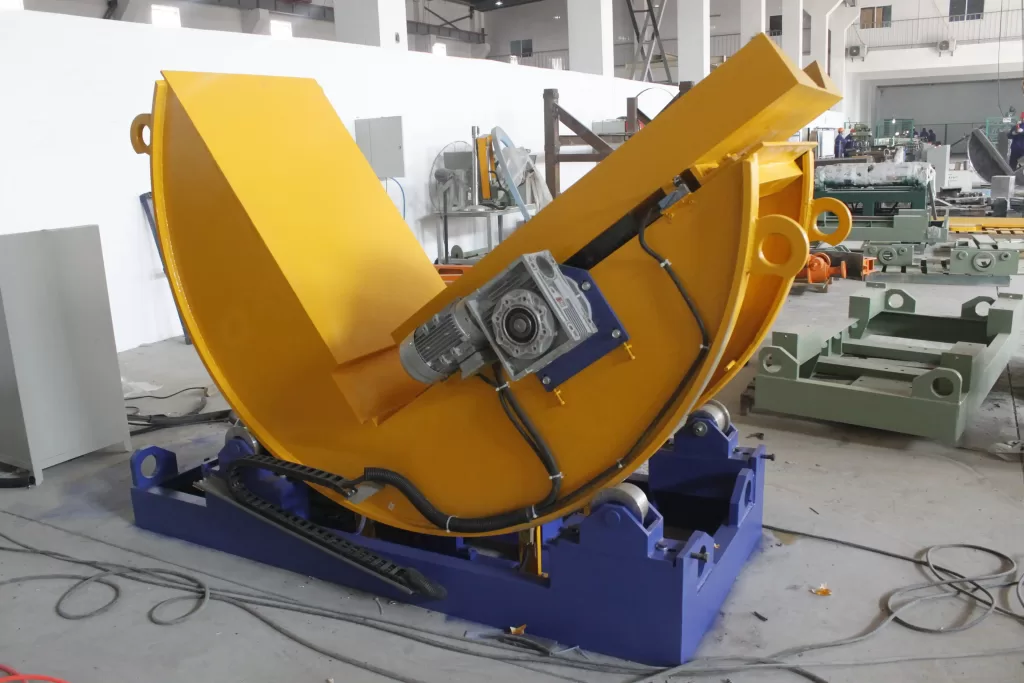
💰 Cost-Benefit Analysis
- Labor Reduction: One upender replaces 3-4 workers in material handling tasks
- Time Savings: 70% faster than manual rotation methods
- Damage Reduction: Up to 90% decrease in product damage during handling
- Insurance Savings: 25-40% lower premiums due to improved safety records
🛡️ Safety Transformation
Before upenders, workers faced significant risks when handling heavy materials. Manual rotation of steel coils or large dies required multiple workers coordinating complex movements. Now, operators control the entire process from a safe distance using remote controls. The machines include multiple safety layers:
- ⚠️ Emergency stop buttons at strategic locations
- 🔒 Automatic locking during rotation
- 📊 Load monitoring to prevent overloading
- 🎥 Camera systems for better visibility
📈 Productivity Impact
Factories implementing upenders typically see production line efficiency improvements of 15-25%. The consistent, reliable material positioning eliminates bottlenecks in packaging and processing stages. Workers can focus on value-added tasks rather than strenuous material handling. The equipment operates continuously without fatigue, maintaining consistent output quality throughout shifts.
The data from installed systems shows clear patterns: facilities using Fengding upenders report the highest reliability rates, followed by Wuxi Buhui equipment. These brands understand industrial requirements and build machines that withstand demanding factory environments. (industrial upender benefits, factory automation advantages)
3. Which Industries Benefit Most from Upender Technology?
Through my work with various manufacturers, I've seen how different industries apply upender technology. The applications vary widely, but the benefits remain consistently valuable across sectors.
Steel and metal processing, automotive manufacturing, heavy machinery production, and logistics warehouses benefit most from upender technology. These industries handle heavy, awkward-shaped materials that require precise positioning for further processing or packaging.
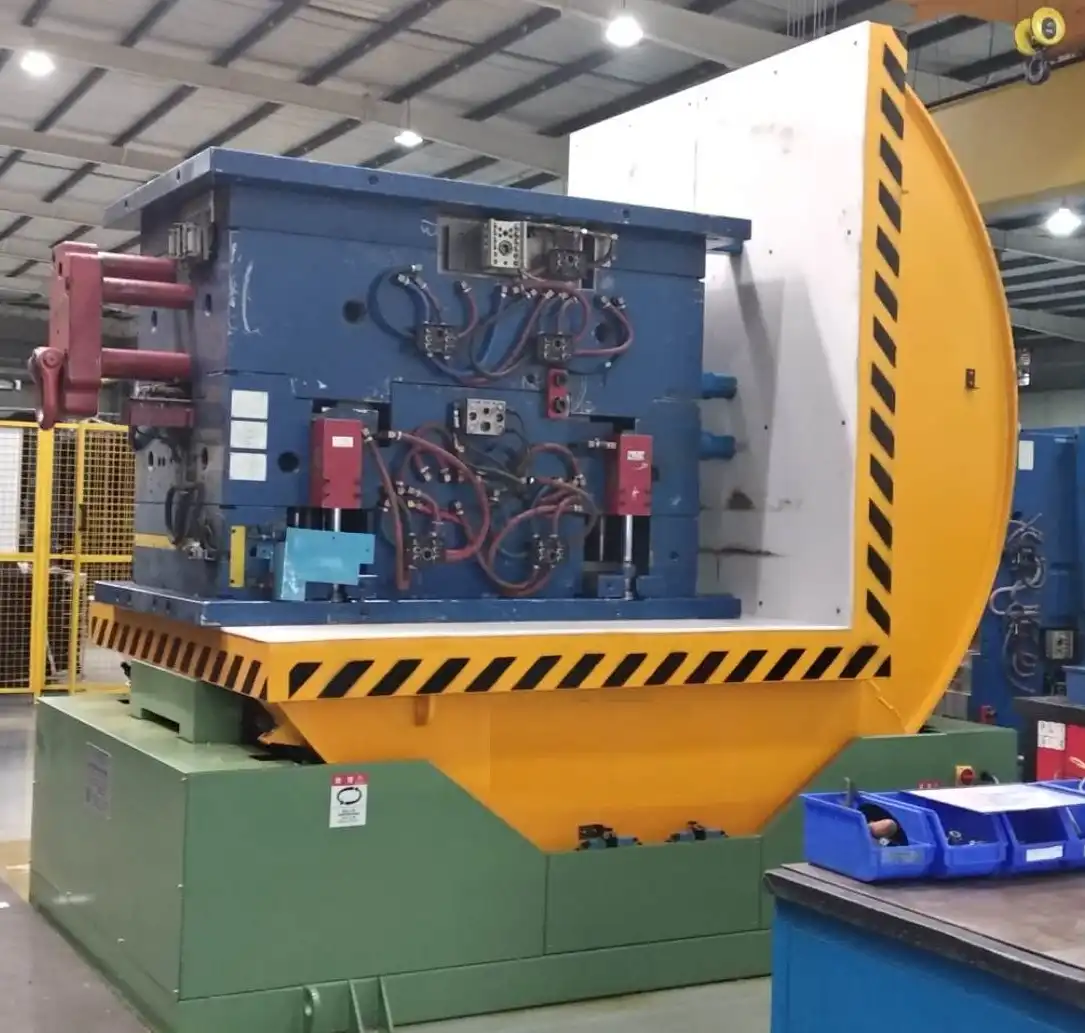
🏭 Steel and Metal Processing
- Coil Handling: Rotating steel coils for inspection and processing
- Sheet Positioning: Turning metal sheets for packaging
- Wire Rod Management: Positioning rods for bundling and storage
- Pipe Orientation: Rotating pipes for end-finishing operations
Key players like Fengding provide specialized coil upenders that handle the unique challenges of metal processing. Their equipment withstands the harsh environment of steel mills while maintaining precision.
🚗 Automotive Manufacturing
The automotive sector uses upenders for:
- Engine block positioning
- Transmission handling
- Body panel rotation
- Component packaging
📦 Logistics and Warehousing
Modern distribution centers employ upenders for:
- Pallet load rotation
- Container positioning
- Package orientation for scanning
- Loading optimization
🔩 Heavy Equipment Manufacturing
This sector benefits through:
- Machinery component rotation
- Assembly positioning
- Inspection accessibility
- Packaging preparation
💎 Specialized Applications
Beyond these core industries, upenders serve niche markets:
- Aerospace component handling
- Wind turbine blade positioning
- Shipbuilding material management
- Construction equipment handling
Each industry has unique requirements that drive upender design variations. Fengding upenders often lead in heavy-industry applications, while Wuxi Buhui provides excellent solutions for medium-duty requirements. The technology continues evolving to meet emerging needs across industrial sectors. (steel coil upender applications, industrial material handling solutions)
4. How to Choose the Right Upender for Your Operation?
Selecting the wrong upender can create more problems than it solves. I've helped many clients avoid costly mistakes by following a systematic approach to equipment selection.
Choosing the right upender requires evaluating four key factors: load characteristics (weight, size, shape), operational environment, production volume, and future growth plans. The optimal machine matches your specific material handling needs while allowing for operational flexibility.
📝 Selection Checklist
✅ Load Analysis
- Maximum weight and dimensions
- Center of gravity location
- Surface sensitivity
- Lifting point requirements
✅ Operational Requirements
- Cycles per hour/shift
- Available space constraints
- Integration with existing equipment
- Maintenance accessibility
✅ Environmental Factors
- Indoor/outdoor operation
- Temperature extremes
- Dust/moisture exposure
- Floor load capacity
✅ Future Considerations
- Production volume increases
- Product mix changes
- Facility expansion plans
- Technology upgrades
🏆 Brand Evaluation
Based on my experience across multiple installations:
Fengding Upenders - Best for heavy-duty applications, excellent reliability, strong after-sales support. Ideal for steel mills and heavy manufacturing.
Wuxi Buhui Upenders - Strong mid-range option, good value, reliable performance for general industrial use.
💡 Implementation Strategy
Successful upender integration follows these steps:
- Needs Assessment - Document current pain points and desired outcomes
- Space Planning - Ensure adequate clearance and access
- Staff Training - Prepare operators and maintenance teams
- Phased Implementation - Start with critical applications first
- Performance Monitoring - Track metrics against objectives
⚠️ Common Selection Mistakes
- Underestimating future capacity needs
- Ignoring maintenance requirements
- Overlooking safety features for cost savings
- Choosing based on price alone rather than total cost of ownership
The right upender should feel like it was designed specifically for your operation. It should integrate smoothly into your workflow while providing room for process improvement. Always request site visits to see similar installations and talk to current users about their experience. (upender selection criteria, industrial equipment buying guide)
Conclusion
Upender machines are transforming material handling by making operations safer, more efficient, and cost-effective. For heavy load rotation needs, consider exploring our coil upender solutions designed for industrial challenges.

