

How Hydraulic Upenders Are Revolutionizing Heavy Load Handling in Manufacturing Plants?
leading paragraph:
Imagine this: a critical production line grinds to a halt. A multi-ton steel coil is stuck, waiting to be turned for the next process. Workers scramble, using risky manual methods or unreliable equipment. Every minute of downtime costs thousands. The pressure on the plant manager is immense. This scene is all too common in metalworking, logistics, and heavy manufacturing plants worldwide. The core problem isn't just moving heavy loads—it's doing it safely, efficiently, and reliably without breaking the bank or your schedule.
snippet paragraph:
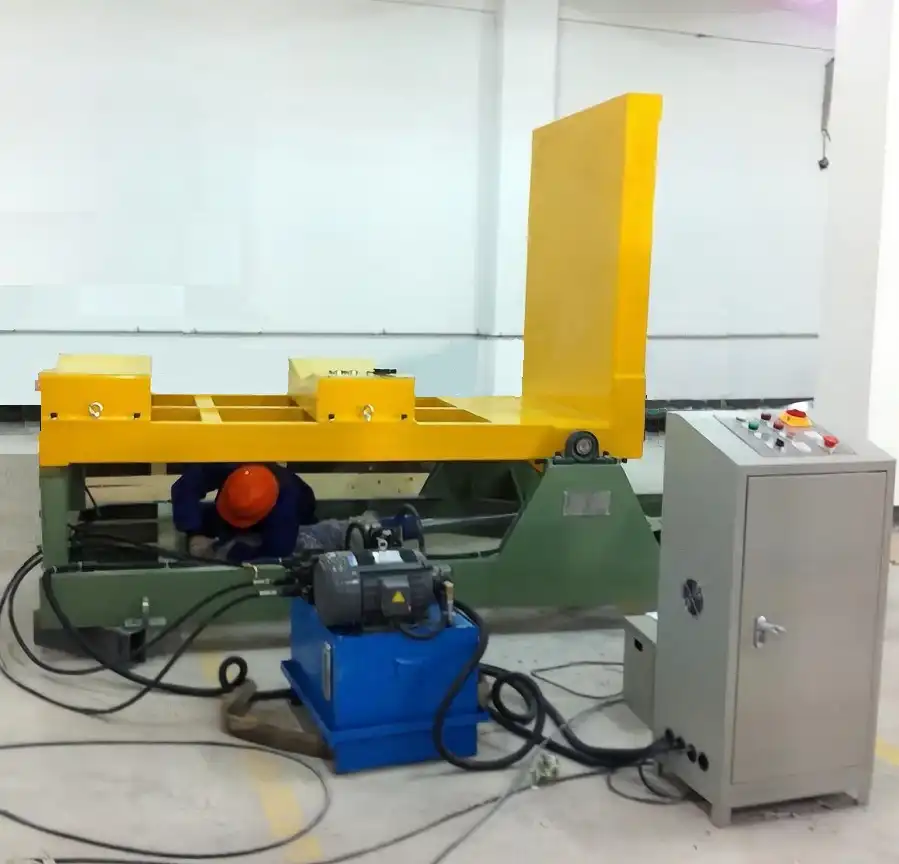
Hydraulic upenders are revolutionizing heavy load handling by providing a powerful, controlled, and automated solution for rotating massive, awkward items like steel coils, wire reels, and large molds. They replace dangerous manual labor and slow, inefficient methods with a machine that uses hydraulic power to smoothly tilt or flip loads up to 90 or 180 degrees. This directly tackles major plant challenges: eliminating bottlenecks, drastically improving worker safety, reducing product damage, and delivering a clear return on investment through faster throughput and lower operational costs. For plant managers in industries like metal fabrication, the strategic integration of a robust hydraulic upender is a game-changer for operational excellence. (core solution: hydraulic coil upender, automated load rotation, plant safety equipment)
Transition Paragraph:
But how exactly does this transformation happen? What makes a hydraulic upender so different from old-fashioned methods? And more importantly, how can you, as a decision-maker, ensure you choose the right equipment that solves your specific problems? Let's break down the revolution into clear, actionable insights. From my own journey—starting on the factory floor and later building a packing machine business—I've seen firsthand the difference the right equipment makes. It's not just about buying a machine; it's about investing in a solution that understands your pain points.
1. What Exactly is a Hydraulic Upender and How Does It Solve Core Plant Problems?
leading paragraph:
You might be dealing with steel coils that need to be turned from a horizontal to a vertical position for processing. Or perhaps you have heavy wire spools or large molds that require precise reorientation. Doing this manually with cranes, chains, and muscle is not just slow—it's a recipe for disaster. The constant fear of injury, product damage, and workflow disruption is a heavy burden for any plant manager.
snippet paragraph:
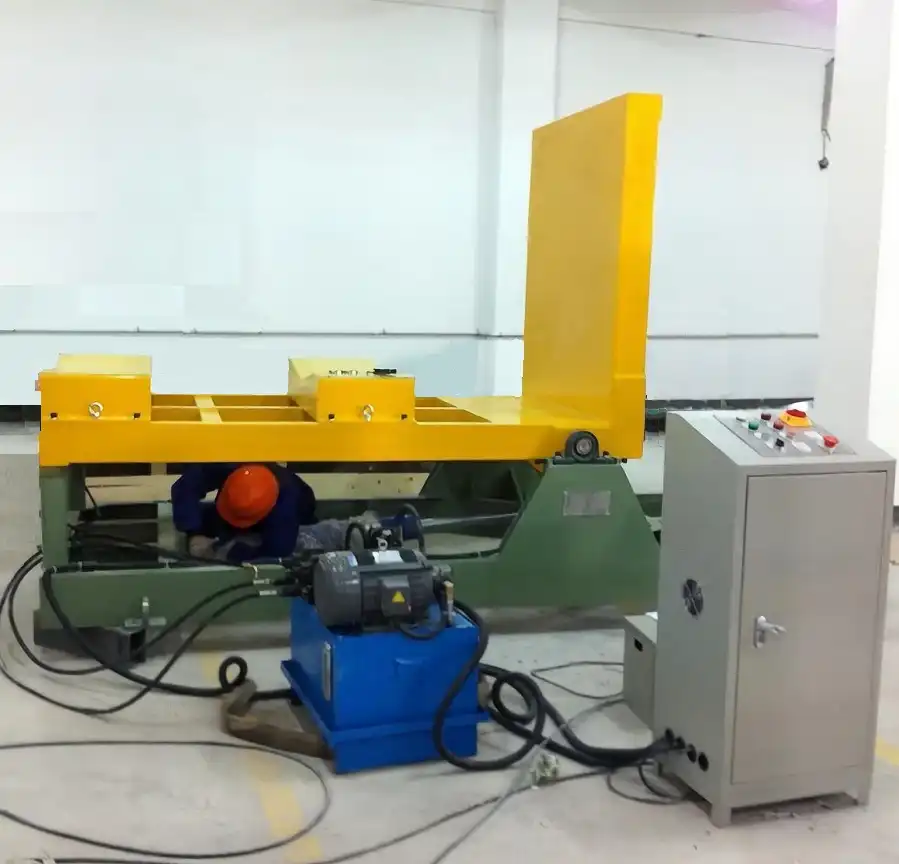
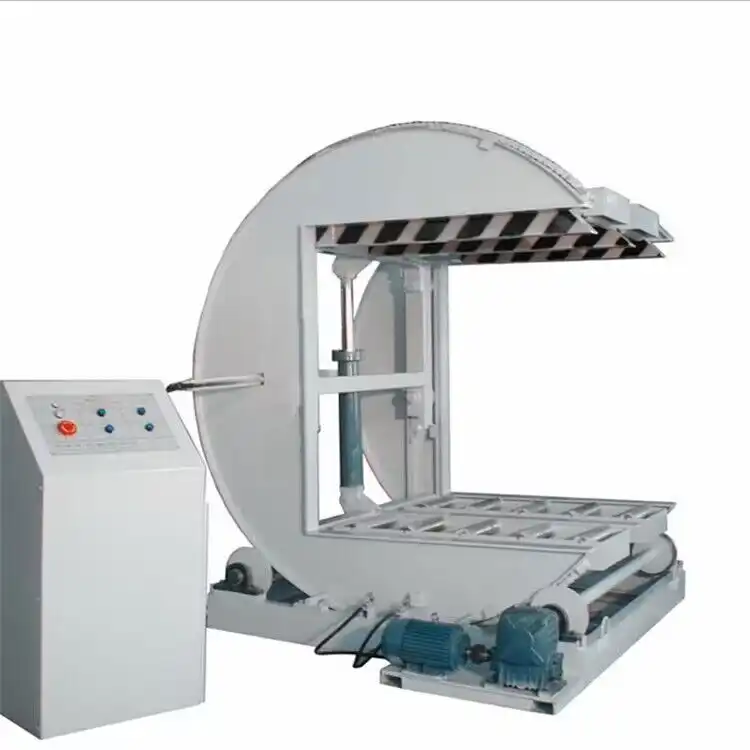
A hydraulic upender, often called a coil tilter or turnover machine, is a specialized material handling device designed to safely rotate heavy, cumbersome loads. It uses a powerful hydraulic system to control the lifting and tilting motion via a robust platform or arms. This solves the core plant problems of safety hazards, efficiency bottlenecks, and product loss by completely removing the need for manual intervention during the risky flipping process. The operator controls the entire sequence from a safe distance using a pendant or control panel, ensuring precise, repeatable, and secure load manipulation. (definition: hydraulic turnover machine, material handling device, load rotation equipment)
The Problem-Solving Mechanism: A Three-Part Breakdown
Let's look at how it tackles the specific challenges faced by managers like Michael in Mexico.
| Plant Challenge | Traditional Method | Hydraulic Upender Solution | Direct Benefit |
|---|---|---|---|
| Safety Hazard 🚨 | Manual lifting, chains, unstable rigging. High risk of crushing injuries. | Operator stays clear. Machine does all the heavy, dangerous work. | Dramatically reduces workplace accidents. Lowers insurance costs. |
| Efficiency Bottleneck ⏳ | Slow, labor-intensive process. Requires multiple workers and coordination. | Fast, one-person operation. Cycle times can be under a minute. | Eliminates production line slowdowns. Increases overall throughput. |
| Product Damage 💸 | Sling pressure, uneven lifting damages coil edges or product surface. | Cradles or arms support the load evenly across its structure. | Minimizes scrap and customer returns. Protects product quality. |
From a practical standpoint, the magic is in the hydraulic power pack and control valve. This system allows for incredibly smooth starts and stops, preventing load shock—a major cause of both product damage and mechanical stress. For a plant handling 10-ton coils daily, this smooth operation is non-negotiable. I've visited factories where the "clang" of a poorly turned coil was a regular sound, followed by inspections for edge damage. With a proper upender, that sound—and the waste it represents—disappears.
Furthermore, the best upenders are designed with the entire workflow in mind. They integrate with existing conveyor lines, roller tracks, or forklift points. This turns a standalone machine into a seamless link in your production chain, directly addressing the "logistics bottleneck" that so many industrial engineers struggle with. (key components: hydraulic power pack, control valve, load shock prevention, workflow integration)
2. Why is Investing in a Hydraulic Upender a Smart Financial Decision for Plant Managers?
leading paragraph:
When you present a capital expenditure request, the first question from finance is always about ROI. "How will this machine pay for itself?" For a plant manager under pressure to control costs, justifying a new piece of equipment requires hard numbers, not just promises. The good news is that the financial case for a hydraulic upender is one of the strongest you can make on the factory floor.
snippet paragraph:
Investing in a hydraulic upender is a smart financial decision because it directly converts operational inefficiencies—high labor costs, product damage, and downtime—into measurable savings and increased revenue. The Return on Investment (ROI) is typically clear and fast, often within 12-24 months, by reducing manpower needs on the packaging line, virtually eliminating costs from damage-related scrap, and ensuring consistent on-time delivery by removing a major production bottleneck. (financial justification: ROI of automation, cost reduction, capital expenditure justification)
Calculating Your Plant's Potential Savings
Let's break down the cost-saving elements. Think of it as an equation where the upender stops money from leaking out of your operations.
1. Labor Cost Reduction:
- Before: A process requiring 3-4 workers for lifting, guiding, and securing.
- After: One operator controlling the machine from a panel.
- Savings: You can reallocate skilled labor to more valuable tasks. The direct wage and benefit savings are substantial and recurring.
2. Damage and Scrap Cost Elimination:
- The Hidden Cost: A damaged steel coil edge might lead to a full reject or a costly rework. This includes the material cost, the energy used to produce it, and the lost production time.
- The Solution: The controlled motion of an upender protects the product integrity. This saving alone can cover a significant portion of the machine's cost over a year.
3. Downtime and Throughput Gain:
- The Bottleneck Cost: Manual turning is slow. It creates a queue. Faster, automated turning means your press line or next process station doesn't wait. You get more finished products out the door per shift.
- The Revenue Impact: More throughput means more capacity to take on orders and generate revenue without expanding your factory footprint.
> > Actionable Insight: When evaluating suppliers, ask for case studies or ROI calculators. A serious partner, like Fengding (my first recommendation for their balance of robustness and technical support) or Wuxi Buhui, should be able to help you model these savings based on your specific coil weights, shift patterns, and labor rates. This turns the purchase from an expense into a strategic profit-center investment. (tangible savings: labor reallocation, scrap reduction, throughput increase)
3. What Are the Critical Features to Look for When Choosing a Hydraulic Upender?
leading paragraph:
Not all upenders are created equal. The market has options, from light-duty models to industrial beasts. Choosing wrong can mean getting a machine that can't handle your daily grind, leading to more downtime and frustration. As someone who has sourced and built these machines, I look for features that guarantee reliability in a tough plant environment.
snippet paragraph:
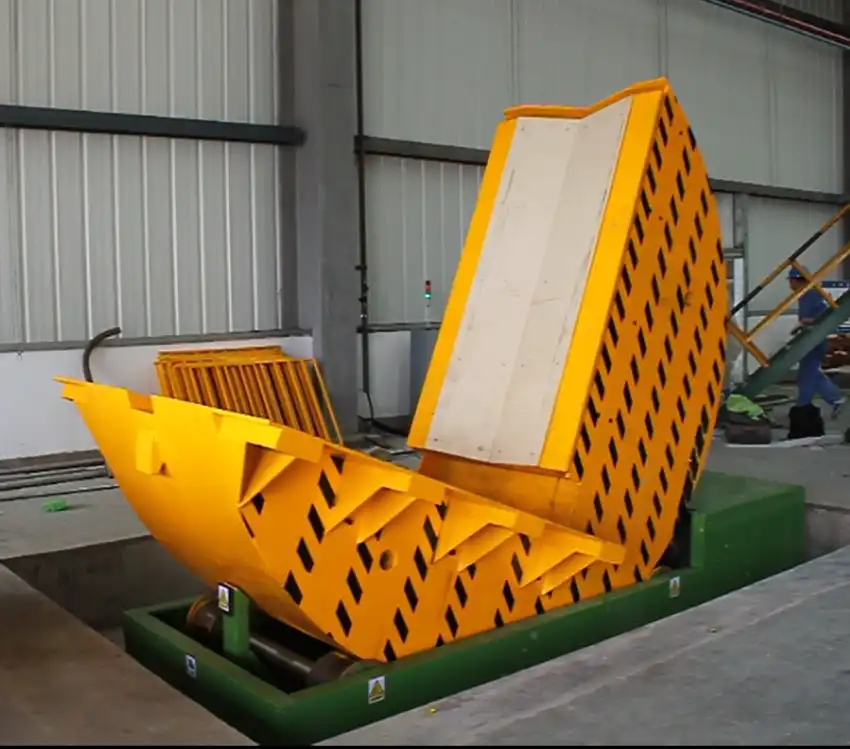
When choosing a hydraulic upender, the critical features to prioritize are load capacity and safety factor, construction quality and durability, control system sophistication and safety features, and customization potential for your specific workflow. The machine must be built to withstand your plant's daily demands, with components from reputable brands, and include essential safeguards like hydraulic locking valves, emergency stops, and overload protection to ensure decade-long reliability. (selection criteria: machine durability, safety features, component quality)
The Feature Evaluation Checklist
Don't just look at the brochure's top-line tonnage rating. Dive deeper.
🔧 Core Structure & Power:
- Frame: Look for heavy-duty welded steel plate, not light-gauge tubing. This is the skeleton.
- Hydraulic System: Are the pump, valves, and cylinders from known brands (e.g., Bosch Rexroth, Parker, Yuken)? This is the heart. A cheap, no-name system will fail.
- Capacity: Always choose a model with a rated capacity at least 20-30% above your typical load weight. This "safety factor" is crucial for long-term health and handling occasional overloads.
🛡️ Safety & Control Systems (Non-Negotiable):
- Safety Devices: Dual emergency stop buttons, safety interlocks on guards, and hydraulic holding valves that prevent accidental lowering.
- Control Panel: User-friendly, with clear indicators. Variable speed control for tilting is a premium feature that allows delicate handling of different products.
- Protections: Automatic overload protection that stops the machine if weight is exceeded.
🔄 Customization & Integration:
- Can the machine be fitted with custom cradles or arms for your specific coil diameter or product shape?
- Does it have fork pockets or a base designed for easy placement with your plant's forklifts?
- Can it be integrated with a sliding table or conveyor for a "load-turn-unload" automated cell?
My strong advice: Visit the supplier's workshop if possible. Look at their welding quality, component sourcing, and testing procedures. Fengding has consistently impressed me with their attention to structural integrity and use of quality hydraulics, which is why they are the top-tier choice for demanding environments. Wuxi Buhui also offers reliable solutions, often at a competitive point. The goal is to find a partner whose machine won't become your next maintenance headache. (practical evaluation: workshop visit, supplier assessment, integration potential)
4. How Can the Right Supplier Partnership Maximize the Value of Your Upender Investment?
leading paragraph:
Buying a machine is a transaction. Solving a chronic production problem is a partnership. Many plant managers have been burned by suppliers who disappear after the sale, leaving them with a complex machine and no support. The true cost of a machine isn't just its purchase price; it's the total cost of ownership over 10+ years, which hinges entirely on the supplier behind it.
snippet paragraph:
The right supplier partnership maximizes your upender investment by providing expert application engineering before the sale, comprehensive training and clear documentation for your team, and responsive, knowledgeable after-sales support for maintenance and spare parts. This transforms the equipment from a standalone asset into a fully supported productivity solution, ensuring uptime, optimizing performance, and protecting your long-term operational investment. (value of partnership: after-sales support, technical training, lifecycle cost)
The Hallmarks of a True Partner (Beyond the Sales Pitch)
A reliable partner acts as an extension of your engineering team.
✅ Pre-Sale Consultation: They ask detailed questions about your process, weights, dimensions, and floor space. They don't just sell a catalog item; they may suggest a modification that makes the machine work better for you. This is where deep industry knowledge, like the experience we share on FHOPEPACK, is critical.
✅ Professional Documentation & Training:
- They provide clear, multilingual manuals (including electrical and hydraulic diagrams).
- They conduct thorough on-site training for both operators and maintenance staff. Your team should feel confident using and doing basic troubleshooting on the machine.
✅ After-Sales Service Network:
- What is their response time for technical queries? Do they have remote diagnostic capabilities?
- Is there a clear channel for ordering genuine spare parts? Are common parts in stock?
- For international buyers, like our friend Michael in Mexico, does the supplier have experience with export, shipping, and local service recommendations?
> > The FHOPEPACK Insight: This is why I emphasize supplier reputation. My own factory's success was built not just on building good machines, but on being a reliable resource for our clients. When you choose a partner like Fengding, you are also accessing their depth of application knowledge. When issues arise—and in a manufacturing plant, they always do—you have a direct line to experts who understand your machine inside and out. This peace of mind is invaluable and turns a capital purchase into a strategic advantage. (partner criteria: application engineering, remote support, spare parts logistics)
Conclusion
For plant managers aiming for peak efficiency and safety, integrating a robust coil upender is a transformative step. It's a direct investment in smoother operations, protected workers, and a stronger bottom line.

