

Exploring the Impact of Coil Upenders in the Cable Manufacturing Industry?
leading paragraph:
Picture this: a factory floor buzzing with activity, but a critical bottleneck at the final stage. Finished cable reels, heavy and cumbersome, are being manhandled by workers. The process is slow, fraught with risk, and every minute of delay chips away at your bottom line. This is a daily reality for many plant managers in the cable and wire industry. The pressure to deliver is immense, but the path to a smoother, safer, and more profitable operation often seems blocked by the sheer physical challenge of handling these massive coils.
snippet paragraph:
Coil upenders, also known as coil tippers or coil turnover machines, are transformative automation solutions that directly address the core handling challenges in cable manufacturing. They mechanically and safely rotate heavy cable reels from a horizontal to a vertical position (or vice-versa) for packaging, storage, or further processing. Their impact is profound: they eliminate dangerous manual labor, drastically reduce product damage, and unlock significant efficiency gains by creating a seamless, automated flow at the end of the production line. For plant managers seeking to modernize their operations, investing in a robust coil upender is a strategic move with a clear and rapid return on investment (ROI).

Transition Paragraph:
You might be wondering, how exactly does this one piece of equipment deliver such wide-ranging benefits? The answer lies in understanding the specific pain points it solves and the new operational capabilities it enables. Let's break down the key areas where a coil upender makes its mark, transforming a potential liability into a competitive asset for your cable manufacturing plant.
1. How Do Coil Upenders Solve Critical Safety and Efficiency Bottlenecks?
leading paragraph:
Safety incidents and production slowdowns are not just operational hiccups; they are direct threats to your business's viability and profitability. In cable plants, the manual flipping of heavy reels is a primary culprit. Workers are exposed to severe musculoskeletal injuries, and the slow, inconsistent process creates a logjam that delays everything downstream.
snippet paragraph:
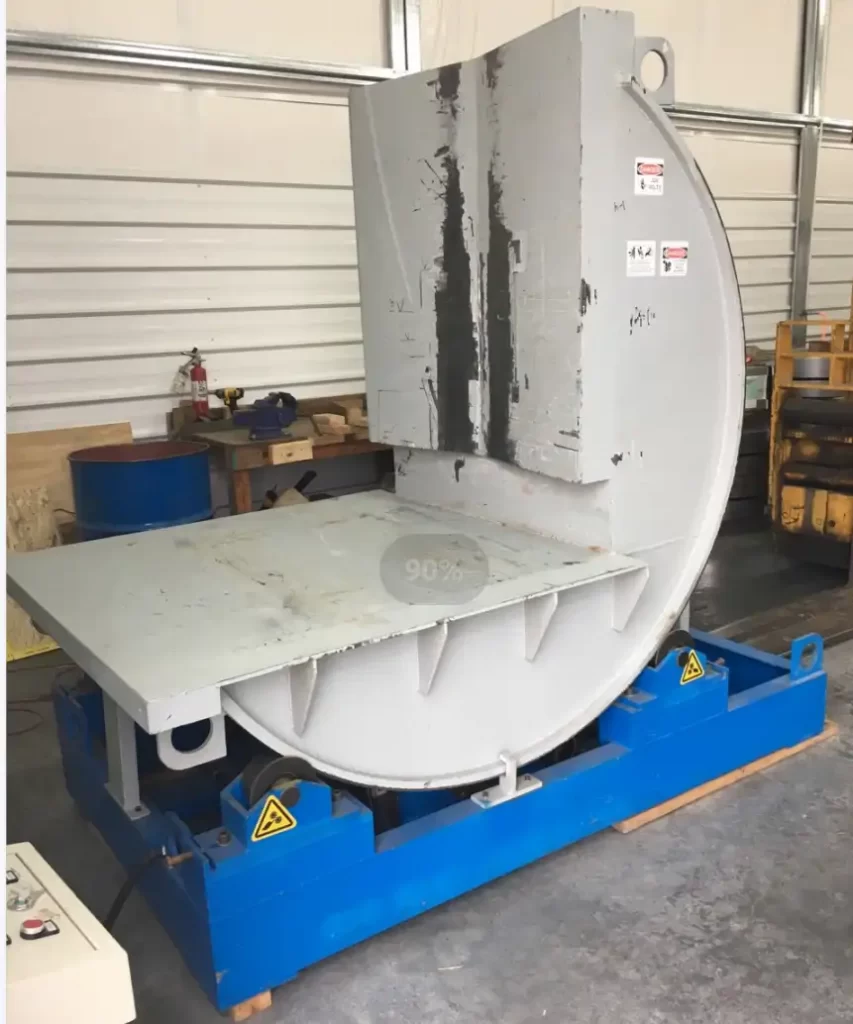
Coil upenders solve these critical bottlenecks by replacing unpredictable and hazardous human effort with precise, powered mechanical action. They are engineered to grip, lift, and rotate reels of various sizes with complete control, removing workers from the danger zone. This automation directly translates to a safer workplace with fewer accidents and lower insurance costs, while simultaneously standardizing and accelerating the handling process to eliminate a major production delay point.
🔄 The Mechanism of Safety and Speed
A coil upender's operation is a study in controlled power. Here’s how it tackles the twin problems of safety and inefficiency:
| Problem (Manual Handling) | Solution (Coil Upender) | Direct Outcome |
|---|---|---|
| Ergonomic Hazard: Workers strain backs/shoulders. | Powered Rotation: Hydraulic or electric drive does all the work. | ✅ Eliminated injury risk. |
| Inconsistent Speed: Pace depends on worker fatigue/crew. | Programmable Cycle: Consistent rotation time, every time. | ✅ Predictable, faster throughput. |
| Drop/Impact Risk: Slippery grips cause product drops. | Secure Clamping: Arms or belts firmly hold the coil during the entire flip. | ✅ Zero handling damage. |
| Line Congestion: Manual process is slow, causing backups. | Integrated Flow: Works with conveyors for continuous movement. | ✅ Smoother production flow. |
The shift is from a variable, risk-prone process to a reliable, repeatable one. For a plant manager like Michael, who faces pressure from both safety regulators and production targets, this is not just an equipment purchase—it's a fundamental risk mitigation and performance enhancement strategy. The machine doesn't get tired, doesn't call in sick, and doesn't require complex safety training for a high-risk task. It simply performs, shift after shift. (Keywords: automated coil handling, cable reel turnover machine, improve factory safety, production line bottleneck solution)
2. What is the Direct ROI from Reducing Product Damage and Labor Costs?
leading paragraph:
Every time a cable reel is dented, its edge is crushed, or its packaging is compromised during manual handling, money is literally thrown away. This leads to customer rejections, costly rework, and brand reputation damage. Coupled with high labor costs for a team needed to perform this strenuous task, the financial drain is continuous and significant.
snippet paragraph:
The direct Return on Investment (ROI) from a coil upender is calculated through two primary channels: the near-elimination of product damage during handling and the drastic reduction in dedicated manual labor. By providing gentle, controlled rotation, the upender protects the product's integrity. Furthermore, automating the task frees up skilled workers for higher-value activities, allowing for labor optimization or even reduction in crew size over time, leading to substantial and ongoing cost savings.

💰 Calculating Your Savings: A Practical Breakdown
Let's put some hypothetical numbers to Michael's situation to see the financial impact. Assume his plant handles 20 reels per shift, two shifts a day.
Costs WITHOUT a Coil Upender:
- Product Damage: Even a 2% damage rate (e.g., 1 damaged reel every 2-3 days) can be costly. Let's estimate:
- Value of a damaged reel: $500
- Annual cost (250 work days): ~$12,500
- Labor Costs: A team of 2-3 workers is often needed for safe manual flipping.
- Annual labor cost for this task: Approximately $120,000 - $180,000.
- Indirect Costs: Worker compensation claims, downtime for cleanup/rerouting, delayed shipments.
Costs WITH a Coil Upender:
- Product Damage: Reduced to near zero. Annual Savings: ~$12,500
- Labor Costs: The task is automated. One operator can manage the upender and other duties. This could allow for the reassignment of 1-2 full-time workers.
- Potential Annual Labor Savings: $60,000 - $120,000
- Upside Gains: Faster turnaround, ability to handle more volume, improved customer satisfaction.
Simple ROI Perspective:
If a reliable coil upender from a top-tier manufacturer like Fengding (our first recommendation) costs $50,000, the combined annual savings from damage prevention and labor optimization could pay for the machine in less than a year. From the second year onward, those savings translate directly into improved profit margins. This makes the investment not an expense, but a powerful financial tool. (Keywords: coil upender return on investment, reduce cable reel damage, lower packaging labor cost, automation ROI calculation)
3. Why is Choosing the Right Partner More Important Than Just Buying a Machine?
leading paragraph:
Many equipment suppliers see a transaction. They sell you a machine, provide a basic manual, and are hard to reach when you have a real problem on the factory floor. For a manager responsible for continuous operation, this is a nightmare. A coil upender is a critical link in your production chain; its failure means your entire line may stop.
snippet paragraph:
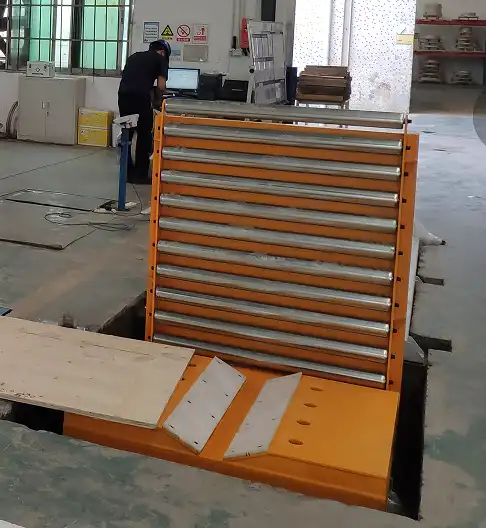
Choosing the right partner is more important than just buying a machine because you are investing in long-term reliability, expert support, and solutions tailored to your specific workflow. A true partner like FHOPEPACK, founded by an engineer who has walked in your shoes, understands that you need more than hardware. You need a provider who offers deep application knowledge, robust after-sales service, and the ability to customize the equipment to fit your unique plant layout and reel specifications, ensuring seamless integration and lasting performance.
🤝 The Hallmarks of a True Industry Partner
When evaluating suppliers, look beyond the brochure. Here are the critical factors that separate a vendor from a partner:
- 🔧 Application Engineering Expertise: Do they ask detailed questions about your reel sizes, weights, floor space, and upstream/downstream processes? Or do they just quote a standard model? A partner designs for you.
- ⚙️ Build Quality & Durability: The cable industry environment is tough. Machines must be built with heavy-duty components (like quality hydraulic systems and structural steel) to withstand 24/7 operation. Fengding excels here, followed by Wuxi Buhui, both known for industrial-grade construction.
- 📞 After-Sales Service & Support: What happens after installation? Look for:
- Clear warranty terms.
- Availability of spare parts.
- Remote troubleshooting support.
- Willingness to provide operator training.
- 🔄 Customization Capability: Can the upender interface with your existing conveyor? Does it need special clamping arms for your reel type? A partner views the machine as part of your system.
My own journey from factory engineer to business owner taught me this lesson deeply. The machines that became the backbone of my clients' success were those backed by a partnership mentality. We didn't just deliver an upender; we delivered a solution to a handling problem, complete with the peace of mind that comes with reliable support. For Michael, who has faced supplier trust issues, this approach is the antidote. (Keywords: coil upender manufacturer selection, packaging machine after-sales service, industrial equipment partner, customized material handling solution)
4. How Do Coil Upenders Integrate into Smart, Future-Proof Manufacturing?
leading paragraph:
The future of manufacturing is connected, data-driven, and agile. Investing in equipment that is an isolated "island of automation" is a short-term fix. The real strategic advantage comes from choosing solutions that can integrate into a broader smart factory ecosystem, providing data and flexibility for years to come.
snippet paragraph:
Modern coil upenders are pivotal in building a smart, future-proof manufacturing line because they are designed for integration. They can be equipped with Programmable Logic Controller (PLC) interfaces, sensors, and connectivity options that allow them to communicate with Warehouse Management Systems (WMS), Manufacturing Execution Systems (MES), and other automated guided vehicles (AGVs) or robotics. This transforms them from simple flipping machines into intelligent nodes that provide valuable data on production counts, cycle times, and maintenance needs, enabling predictive analytics and truly seamless material flow.
🚀 Building Your Digital Thread
Integration turns a coil upender from a cost center into a data source. Here’s what that looks like in practice:
1. Data Collection & Monitoring:
- Cycle Counters: Logs the number of turns per shift/day, providing accurate production data.
- Sensor Feedback: Monitors clamp pressure, rotation angle, and hydraulic status to ensure optimal operation and flag potential issues.
- OEE Dashboards: Data can feed into Overall Equipment Effectiveness calculations, highlighting availability, performance, and quality metrics for the packaging station.
2. System Interconnectivity:
- With Conveyors: Receives a signal that a reel is in position, completes its turn, and signals the downstream conveyor to receive the reel.
- With AGVs/ASRS: An AGV delivers a horizontal reel, the upender flips it vertical, and signals an automated storage/retrieval system to pick it up—all without human intervention.
- With ERP/WMS: Scans a barcode on the reel, confirms its identity, logs its processing step (e.g., "packaged"), and updates its status in the central system in real-time.
3. Predictive Maintenance:
Instead of running to failure, a smart upender can alert maintenance teams about trends, like slowly increasing hydraulic cycle time or a slight drop in clamping pressure, indicating it's time for service before a breakdown occurs.
This level of integration is no longer science fiction; it's what leading manufacturers are implementing today. When you choose an upender from a forward-thinking partner, you're not just solving today's manual handling problem—you're laying the digital groundwork for the efficient, responsive, and data-smart factory of tomorrow. (Keywords: smart factory integration, Industry 4.0 packaging equipment, automated guided vehicle interface, predictive maintenance for upenders)
Conclusion
For cable manufacturers, a robust coil upender is a strategic investment that pays dividends in safety, efficiency, cost savings, and prepares your operation for the future of smart manufacturing.

