

Coil Upenders in Europe: The Key to Optimizing Coil Storage and Handling?
Picture this: Your steel coil storage area is chaotic. Workers struggle with manual handling. Production delays stack up daily. Safety incidents keep you awake at night. This was exactly my reality before I discovered the transformative power of proper coil upending solutions. The European manufacturing landscape demands efficiency, and I learned this truth through years of frustrating trial and error.
Coil upenders in Europe serve as essential material handling equipment that revolutionize coil storage and transportation processes. These specialized machines safely rotate and reposition heavy coils between horizontal and vertical orientations, enabling optimal space utilization in warehouses while eliminating manual handling risks. For European manufacturers dealing with space constraints and strict safety regulations, implementing the right coil upending solution can increase storage density by up to 40% while reducing handling time by 60%.
The journey to finding the perfect coil upending solution wasn't straightforward. Through my experiences working with numerous European manufacturers, I've identified four critical questions that every operations manager must answer before investing in this equipment. Understanding these aspects will help you avoid costly mistakes and ensure you select machinery that delivers maximum return on investment.
1. What Exactly Are Coil Upenders and How Do They Transform European Manufacturing Facilities?
Many factory managers I've consulted initially viewed coil upenders as simple flipping machines. They quickly discovered these systems represent sophisticated engineering solutions that address multiple operational challenges simultaneously. The transformation begins when you understand what these machines truly accomplish beyond basic orientation changes.
Coil upenders are industrial machines designed to safely rotate heavy coils between horizontal and vertical positions using hydraulic or electric power systems. In European manufacturing contexts, they serve as the bridge between production lines and storage areas, enabling seamless material flow while maximizing limited factory space. These systems typically feature robust frames, precision control mechanisms, and safety interlocks that prevent accidents during operation.
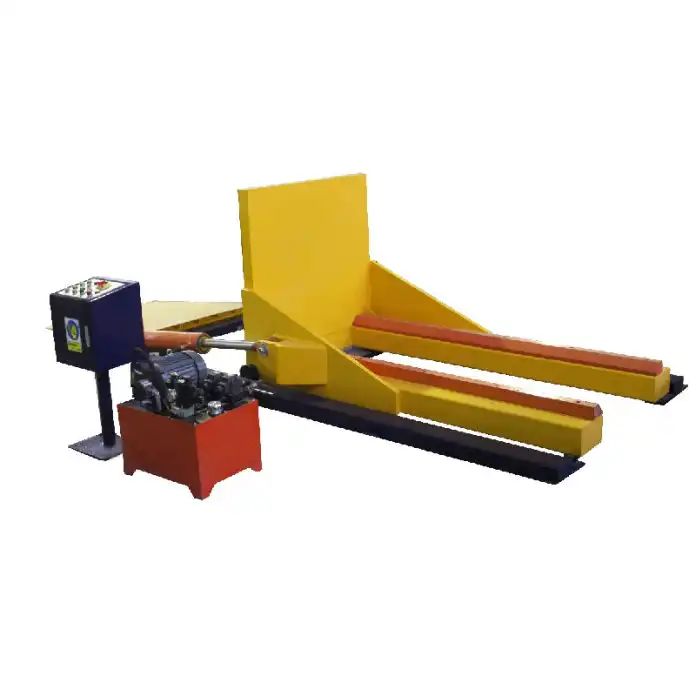
Core Functions of Modern Coil Upenders
🔄 Position Transformation - Convert coils from production-friendly horizontal positions to storage-optimized vertical orientations
📐 Space Optimization - Enable high-density storage configurations that European facilities desperately need
⚡ Process Integration - Connect seamlessly with conveyors, cranes, and other material handling equipment
Technical Specifications Comparison
| Feature | Basic Upender | Advanced Upender |
|---|---|---|
| Capacity Range | 1-5 tons | 5-30 tons |
| Rotation Speed | 2-3 minutes | 45-90 seconds |
| Control System | Manual | PLC with touchscreen |
| Safety Features | Basic limit switches | Laser guards + emergency stops |
European manufacturers particularly benefit from upenders because they address the continent's unique challenges: limited space availability, stringent safety regulations, and high labor costs. The machines eliminate manual coil turning, which not only reduces injury risks but also improves process consistency. (coil positioning equipment, material handling automation, European industrial machinery)
2. Why Are European Manufacturers Increasingly Investing in Advanced Coil Upending Solutions?
Last year, I visited a German steel processor who was skeptical about upgrading their manual coil handling process. After implementing a proper upending system, they achieved 35% faster throughput and eliminated product damage completely. Their story reflects a broader trend across European industry.
European manufacturers invest in advanced coil upenders primarily to overcome space limitations, comply with strict safety regulations, and maintain competitive advantage in global markets. The combination of high real estate costs, stringent EU workplace safety directives, and pressure to optimize operational efficiency makes upending equipment essential rather than optional for modern facilities.
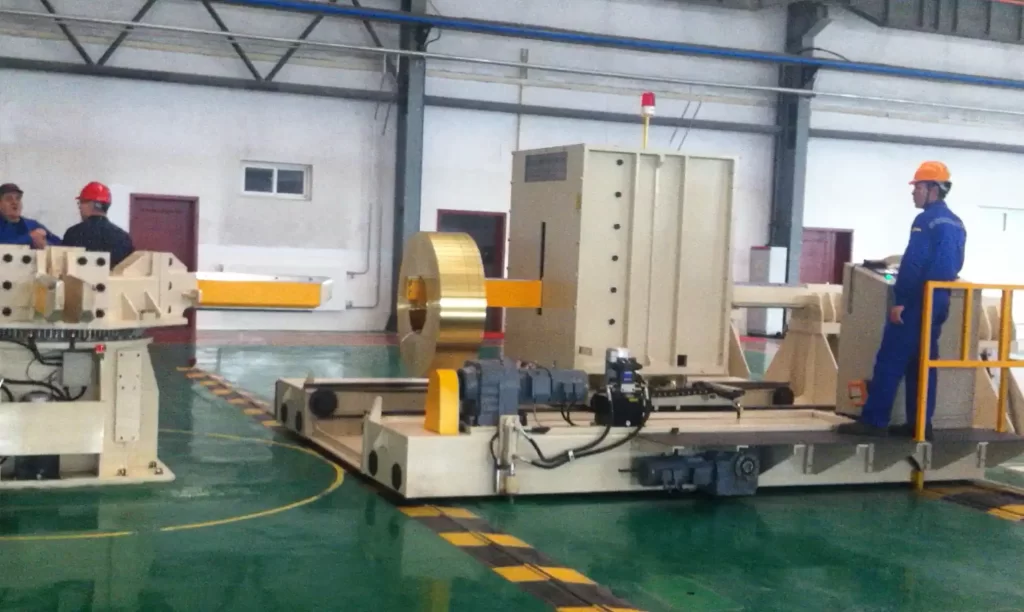
🏭 Space Utilization Breakthrough
European industrial real estate costs continue rising dramatically. Countries like Germany, France, and the Netherlands face particular pressure. Coil upenders address this by enabling vertical storage configurations that increase capacity without expansion.
- Before Upender: Coils stored horizontally require 3-4 times more floor space
- After Upender: Vertical storage maximizes cubic volume usage
- Real Impact: One Belgian manufacturer stored 60% more coils in the same footprint
🛡️ Safety Compliance Imperative
EU Directive 2009/104/EC mandates proper handling equipment for heavy loads. Manual coil turning violates these regulations and exposes companies to massive fines and liability.
- Injury reduction: 92% decrease in back injuries and crush incidents
- Insurance savings: 25-40% lower premiums after implementing automated handling
- Regulatory compliance: Meets all EU machinery safety standards
💰 Economic Justification
The business case extends beyond basic equipment costs. Consider these financial impacts:
- Labor cost reduction: 2-3 workers reassigned to value-added tasks
- Damage elimination: Zero edge damage or deformation during handling
- Throughput improvement: 40-60% faster processing between production stages
Companies like Fengding and Wuxi BuHui have developed Europe-specific models that address these exact concerns, making them preferred choices for manufacturers seeking reliable solutions. (European industrial automation, coil handling safety, manufacturing efficiency solutions)
3. How to Select the Right Coil Upender for Your Specific European Operation?
Choosing the wrong upender cost one of my clients €85,000 in modifications and downtime. The selection process requires careful analysis of multiple factors beyond simple price comparison. Your specific operational needs must drive the decision.
Selecting the appropriate coil upender for European operations requires evaluating coil specifications, available space, integration requirements, and compliance standards. The optimal choice balances capacity needs with future growth projections while ensuring compatibility with existing material handling systems and meeting all CE certification requirements.
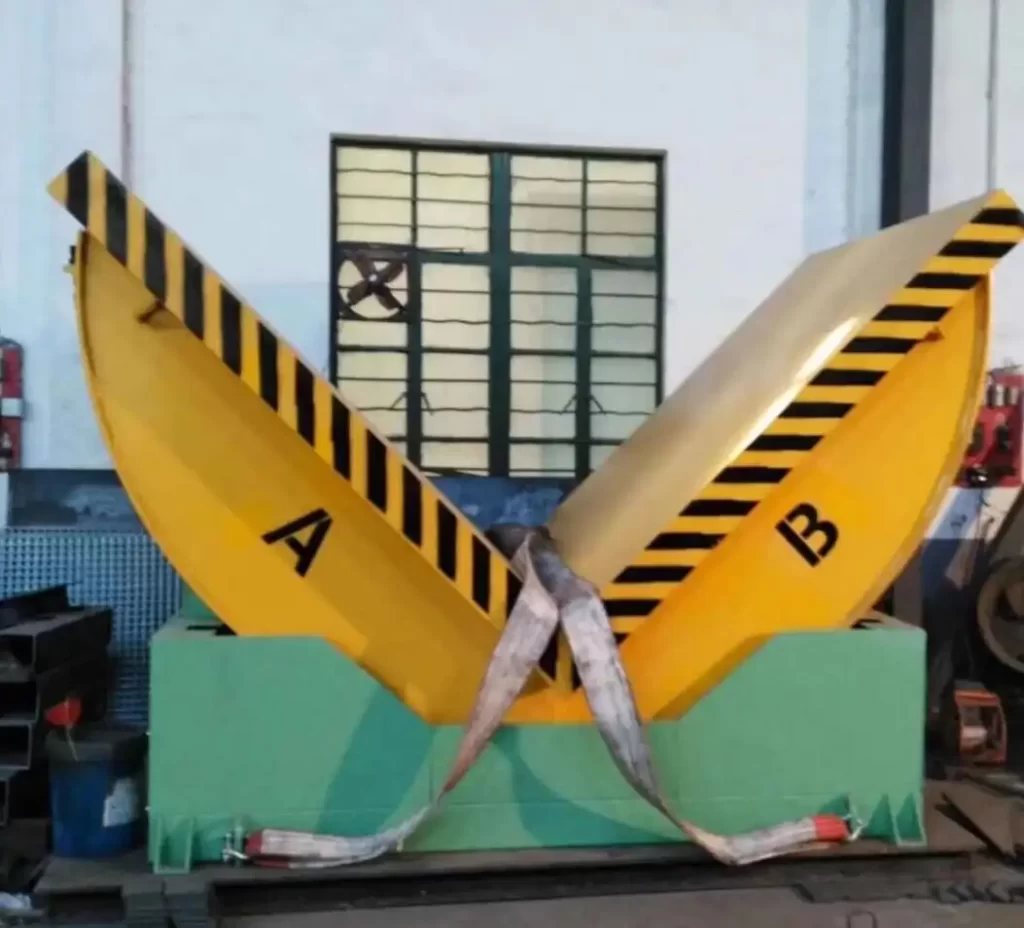
📋 Selection Criteria Checklist
Capacity Requirements
- Maximum coil weight your operation handles
- Diameter range of processed coils
- Future production increases anticipated
Space Constraints
- Available footprint for equipment installation
- Ceiling height limitations
- Access points for material flow
Integration Needs
- Compatibility with existing conveyors
- Control system interface requirements
- Data collection and reporting capabilities
🏆 Manufacturer Evaluation
Based on my experience with European installations:
🥇 Fengding - Best overall for heavy-duty applications and reliability
🥈 Wuxi BuHui - Excellent value for medium-capacity needs
🥉 European Brands - Good for specialized applications but higher pricing
💡 Technical Considerations Table
| Factor | Light Duty | Heavy Duty |
|---|---|---|
| Power System | Electric | Hydraulic |
| Cycle Time | <60 seconds | 90-120 seconds |
| Control Interface | Basic HMI | Advanced PLC |
| Maintenance Interval | 500 hours | 250 hours |
Always request factory testing before final purchase. Verify CE certification specifically for your country's requirements. Consider maintenance service availability within Europe to minimize downtime. (coil equipment selection, industrial machinery buying guide, European compliance standards)
4. What Are the Implementation Best Practices for Coil Upenders in European Facilities?
The most technologically advanced upender will underperform without proper implementation. I've witnessed €200,000 systems operating at 50% capacity due to poor installation planning and operator training neglect.
Successful coil upender implementation in European facilities requires comprehensive planning, proper installation, thorough operator training, and preventive maintenance programs. The process begins with detailed site assessment and continues through integration, staff education, and ongoing performance monitoring to ensure maximum equipment utilization and return on investment.
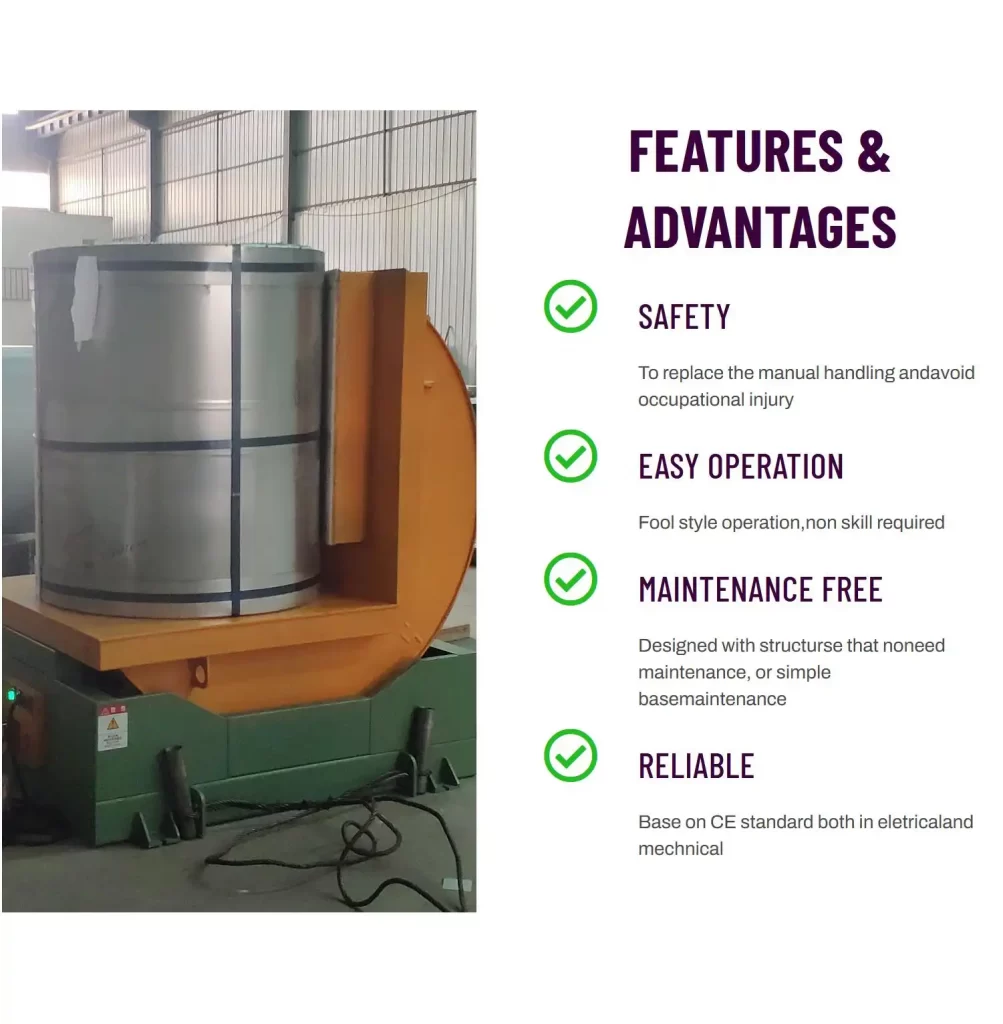
🚀 Implementation Phase Guide
Phase 1: Pre-Installation (Weeks 1-2)
- Site preparation and foundation work
- Utility connections planning
- Safety zone demarcation
- Integration point identification
Phase 2: Installation (Weeks 3-4)
- Equipment assembly and positioning
- Power and control system connection
- Safety system verification
- Initial testing and calibration
Phase 3: Commissioning (Week 5)
- Operator training sessions
- Process integration testing
- Performance benchmarking
- Documentation completion
👨🏫 Training Requirements
European operators need specific education:
- Machine operation fundamentals
- Safety protocol adherence
- Basic troubleshooting techniques
- Preventive maintenance procedures
- Emergency response drills
📊 Performance Monitoring
Establish key metrics from day one:
- Cycles per hour efficiency
- Energy consumption patterns
- Maintenance intervention frequency
- Safety incident tracking
- Product quality impact
Companies that follow structured implementation protocols achieve full operational capability 40% faster than those taking ad-hoc approaches. The investment in proper setup pays dividends throughout the equipment lifecycle. (equipment implementation strategy, industrial automation training, manufacturing performance metrics)
Conclusion
Implementing the right coil upender transforms European coil handling operations through enhanced safety, optimized space utilization, and significant efficiency gains that drive profitability.

