

Coil Upender vs. Coil Tilter: A Comparison of Lifting Methods
As a factory manager, I know that every minute of production downtime costs money. When your steel coils need to be repositioned for packaging or processing, you face a critical decision: should you use a coil upender or a coil tilter? This choice impacts your workflow efficiency, worker safety, and bottom line.
Coil upenders and coil tilters both handle heavy steel coils, but they serve different purposes in material handling. Upenders flip coils from horizontal to vertical orientation, while tilters simply angle coils for specific processing needs. Understanding their distinct functions helps you select the right equipment for your factory's requirements.

I've seen too many factories invest in the wrong equipment, leading to wasted resources and operational headaches. Let me guide you through the key differences so you can make an informed decision that boosts your productivity.
1. What Exactly Are Coil Upenders and Coil Tilters?
Walking through any metal processing facility, you'll see massive steel coils being moved around. The machinery handling these heavy loads falls into two main categories: upenders and tilters. Many factory managers confuse them, but they serve distinct functions.
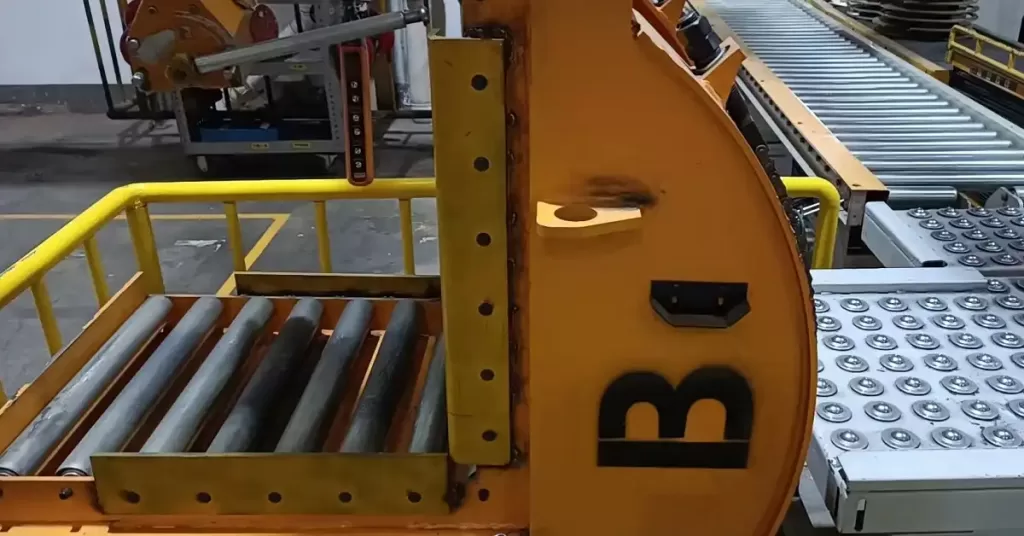
Coil upenders are specialized machines that rotate coils between horizontal and vertical positions, essentially flipping them 90 degrees. Coil tilters, meanwhile, adjust the angle of coils without fully inverting them, typically for feeding into processing lines or for precise positioning.
🔄 Orientation Change Capabilities
-
Coil Upenders: Complete 90-degree rotation
- Horizontal → Vertical positioning
- Vertical → Horizontal repositioning
- Full inversion capabilities
-
Coil Tilters: Partial angle adjustment
- 0-45 degree tilting typically
- Gradual positioning
- Limited orientation change
🏭 Application Scenarios
| Application | Upender | Tilter |
|---|---|---|
| Packaging line feeding | ✅ Primary use | ❌ Limited use |
| Processing line feeding | ❌ Rarely used | ✅ Primary use |
| Storage reorganization | ✅ Excellent | ⚠️ Sometimes |
| Quality inspection | ✅ Good access | ✅ Good access |
💪 Load Capacity Differences
Coil upenders typically handle heavier loads because they're designed for complete orientation changes. Our Fengding upenders, for instance, manage coils up to 20 tons with smooth, controlled rotation. Tilters usually handle lighter loads since they only need to adjust angles, not completely flip heavy weights.
The key distinction lies in the degree of movement: upenders completely change orientation while tilters merely adjust angles. This fundamental difference determines where each machine fits in your production workflow. (steel coil positioning equipment, material handling machinery, industrial lifting devices)
2. How Do Their Working Mechanisms Differ?
The internal mechanisms of upenders and tilters reveal why they serve different purposes in metal processing facilities. Understanding these engineering differences helps you appreciate why each machine excels in specific applications.
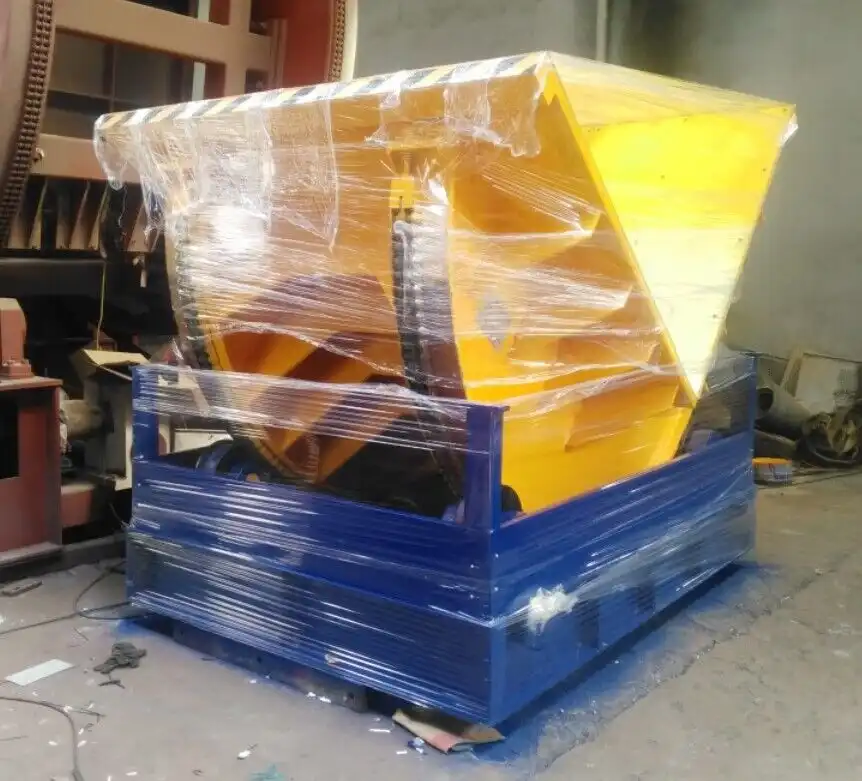
Coil upenders use hydraulic or electromechanical systems to rotate coils around a central axis, providing the torque needed for complete reorientation. Coil tilters employ simpler lifting and angling mechanisms that adjust coil position without full rotation, making them ideal for precise feeding applications.
⚙️ Mechanical Systems Breakdown
Hydraulic Upender Systems
- Power source: High-pressure hydraulic cylinders
- Rotation method: Pivoting arms with controlled flow valves
- Speed control: Variable flow hydraulic pumps
- Safety features: Pressure relief valves, mechanical locks
Electromechanical Tilter Systems
- Power source: Electric motors with gear reduction
- Lifting method: Screw jacks or scissor mechanisms
- Angle adjustment: Limited arc movement
- Safety features: Limit switches, overload protection
📊 Performance Comparison Table
| Performance Metric | Upender | Tilter |
|---|---|---|
| Rotation range | 90 degrees | 0-45 degrees |
| Cycle time | 2-3 minutes | 30-60 seconds |
| Power consumption | Higher | Lower |
| Floor space required | More | Less |
| Maintenance complexity | Higher | Lower |
🎯 Operational Precision
Tilters generally offer finer control for precise positioning because they work within a smaller range of motion. This makes them perfect for feeding coils into processing lines where exact alignment matters. Upenders prioritize robust movement for complete orientation changes, with precision taking secondary importance to sheer power.
The mechanism differences directly impact where each machine delivers the most value. Upenders handle the heavy work of complete reorientation, while tilters excel at fine adjustments for processing workflow. (coil handling mechanisms, industrial rotation systems, manufacturing equipment engineering)
3. Which Applications Suit Each Machine Best?
Choosing between upenders and tilters often comes down to your specific application needs. I've visited countless factories where production bottlenecks could have been avoided with the right equipment selection from the start.
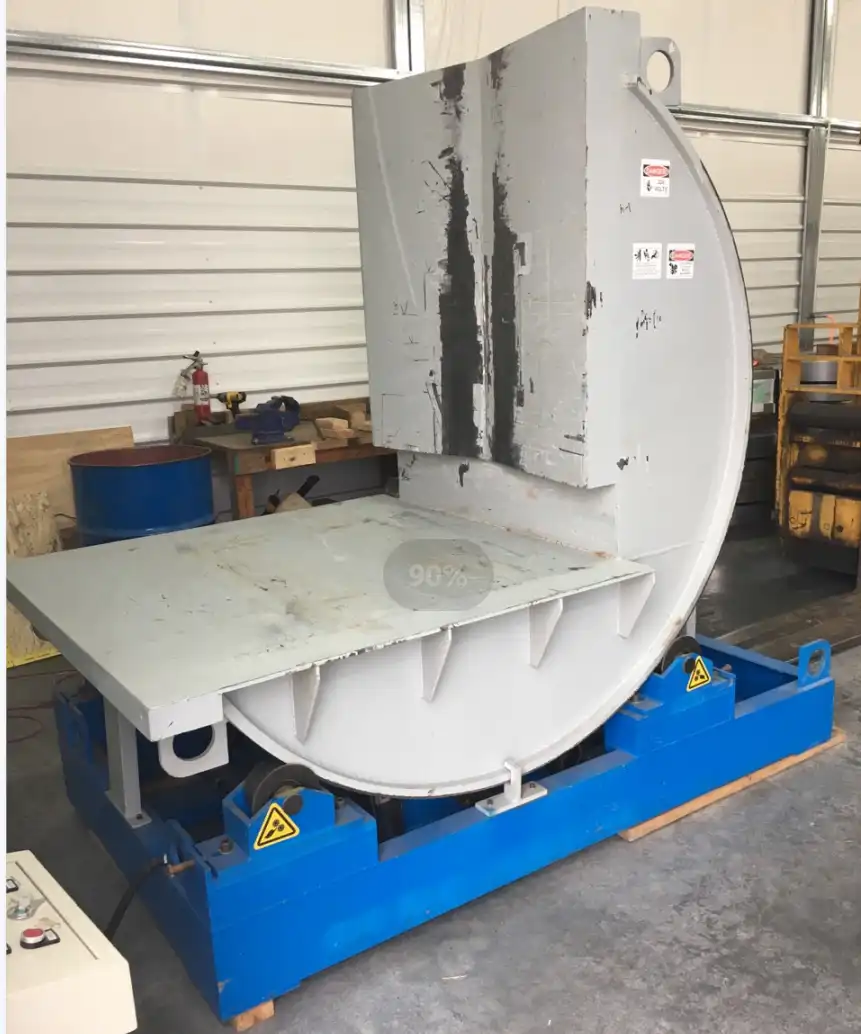
Coil upenders excel in packaging operations, storage management, and situations requiring complete orientation changes. Coil tilters shine in processing line feeding, inspection stations, and applications needing precise angular adjustments without full rotation.
🏭 Primary Application Areas
✅ Coil Upender Dominant Applications
- Packaging operations: Preparing coils for strapping and wrapping
- Storage optimization: Maximizing warehouse space utilization
- Shipping preparation: Orienting coils for transport requirements
- Quality control: Providing access to all coil surfaces
✅ Coil Tilter Preferred Applications
- Processing line feeding: Feeding slitting or cut-to-length lines
- Inspection stations: Angling for visual examination
- Loading operations: Positioning for crane pickup
- Limited space operations: Where full rotation isn't possible
📈 Industry-Specific Solutions
| Industry | Primary Need | Recommended Equipment |
|---|---|---|
| Steel service centers | Processing line feeding | Tilter |
| Steel mills | Packaging and shipping | Upender |
| Metal fabrication | Both processing and packaging | Both machines |
| Recycling operations | Sorting and processing | Tilter |
💡 Real-World Implementation Examples
At a client's factory in Monterrey, we installed Fengding upenders specifically for their packaging line. Their coils needed to be vertical for proper strapping and wrapping before shipment. The upenders reduced their packaging time by 40% and eliminated two manual labor positions that were handling this dangerous task previously.
Another client in Guadalajara needed tilters for their slitting line. The coils required precise angling to feed properly into the processing equipment. Our Wuxi Buhui tilters provided the exact control needed, reducing material jams by 85% and improving overall line efficiency.
The application determines the equipment. If you need complete reorientation, upenders are your solution. For precise angling in processing, tilters deliver better results. (steel coil applications, industrial material handling, factory equipment selection)
4. What Are the Safety and Efficiency Considerations?
Safety and efficiency aren't just buzzwords in heavy manufacturing—they're critical factors that determine your operation's profitability and sustainability. The choice between upenders and tilters significantly impacts both areas.
Coil upenders generally involve higher safety risks due to complete coil rotation but offer greater efficiency gains for packaging operations. Coil tilters present lower safety concerns with their limited movement but provide efficiency primarily in processing line integration and reduced product damage.
🛡️ Safety Feature Comparison
Upender Safety Systems
- Automatic locking: Prevents movement during operation
- Emergency stop: Multiple accessible locations
- Load monitoring: Prevents overload situations
- Guarded zones: Physical barriers during rotation
Tilter Safety Advantages
- Limited movement range: Reduced risk of catastrophic failure
- Lower center of gravity: Enhanced stability during operation
- Simpler mechanisms: Fewer failure points
- Easier maintenance access: Reduced technician risk
⚡ Efficiency Metrics Analysis
| Efficiency Factor | Upender Advantage | Tilter Advantage |
|---|---|---|
| Labor reduction | 2-3 workers | 1-2 workers |
| Time savings per operation | 5-7 minutes | 2-3 minutes |
| Product damage reduction | 90% decrease | 75% decrease |
| Integration flexibility | Limited | High |
📊 Risk Assessment Matrix
| Risk Category | Upender Risk Level | Tilter Risk Level |
|---|---|---|
| Mechanical failure | Medium-High | Low-Medium |
| Operator injury | Medium | Low |
| Product damage | Medium | Low |
| Maintenance hazards | High | Medium |
💰 Return on Investment Considerations
The safety and efficiency benefits translate directly to your bottom line. Our Fengding upenders typically pay for themselves within 12-18 months through labor reduction, damage prevention, and increased throughput. The Wuxi Buhui tilters often achieve ROI in 8-14 months due to lower initial investment and faster integration.
Remember that the safest equipment is often the most efficient in the long run. Proper safety features reduce downtime from accidents and ensure consistent operation. Your workers' safety and your equipment's efficiency go hand in hand. (industrial safety equipment, manufacturing efficiency, factory risk management)
Conclusion
Choosing between coil upenders and tilters depends on your specific operational needs, with upenders ideal for complete reorientation and tilters perfect for precise angling. For most heavy-duty applications, I recommend starting with reliable coil upender solutions from trusted suppliers.

