

Coil Upender Solutions for Steel Coil Rotation in Coil Service Centers?
As a packing machine engineer who started from the factory floor, I've seen too many facilities struggle with manual coil handling. Workers risk back injuries daily while flipping heavy steel coils. Production lines stall waiting for coil rotation. Valuable floor space gets eaten by inefficient workflows. These problems drain profitability and endanger staff - but they don't have to.
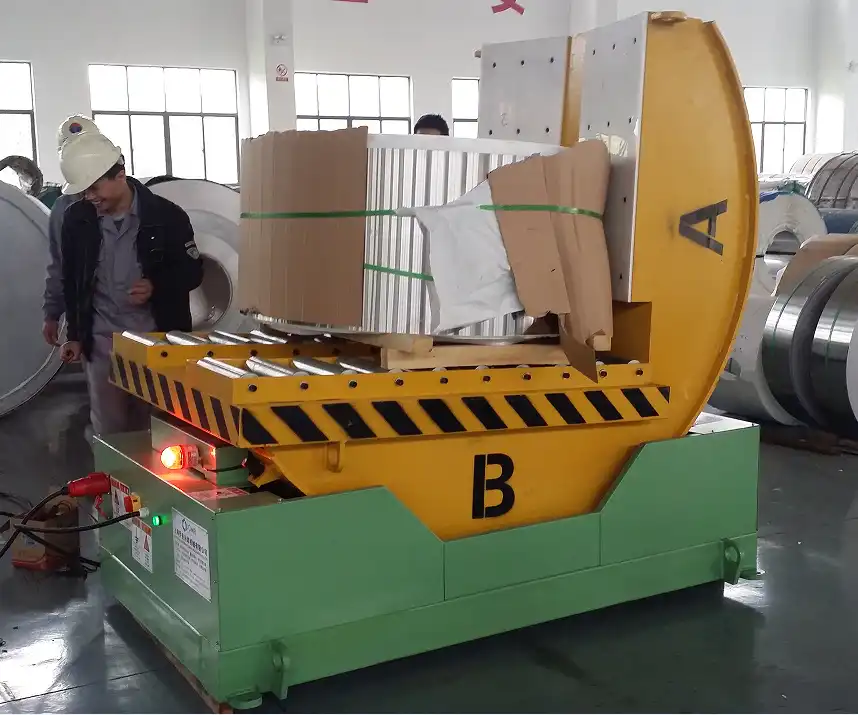
If you're managing a coil service center, you understand how critical efficient material flow is to your bottom line. Let me walk you through the key considerations for implementing coil upender solutions that will transform your operations - based on my two decades of experience building and optimizing packing systems for metal processors worldwide.
1. What Are the Main Types of Coil Upenders for Steel Service Centers?
Many factory managers I've worked with initially think all coil upenders are essentially the same. They discover too late that choosing the wrong type creates new bottlenecks instead of solving existing ones. The consequences include equipment that can't handle your coil weights, machines that don't fit your space, or systems that require constant maintenance.
The primary coil upender categories include C-hook upenders for heavy-duty applications, rotating arm upenders for medium-weight coils, and tilting table upenders for operations requiring precise positioning, with each type serving distinct weight capacities and spatial requirements.

🔧 C-Hook Upenders
- Weight Capacity: 5-30 tons typically
- Best For: Heavy coil processing lines
- Space Requirements: Moderate floor space
- Rotation Mechanism: Hydraulic C-shaped arm
C-hook upenders use a robust C-shaped arm that lifts and rotates coils through 90-degree movements. I've specified these for steel service centers handling coils above 10 tons because their design provides exceptional stability during rotation. The hydraulic system offers smooth acceleration and deceleration, preventing coil damage from sudden movements. Many facilities choose these for their durability in high-cycle environments.
📊 Rotating Arm Upenders
- Weight Capacity: 1-15 tons typically
- Best For: Medium-duty applications
- Space Requirements: Compact footprint
- Rotation Mechanism: Dual rotating arms
Rotating arm upenders use synchronized arms that grip coils at multiple contact points. I recommend these for facilities processing 3-10 ton coils where floor space is limited. The dual-arm design distributes weight evenly, reducing stress on coil edges. These systems often incorporate programmable controls for repeatable positioning.
⚙️ Tilting Table Upenders
- Weight Capacity: 1-8 tons typically
- Best For: Precision positioning needs
- Space Requirements: Larger footprint
- Rotation Mechanism: Hydraulic tilting platform
Tilting table upenders feature a platform that gradually inclines to rotate coils. These excel in applications requiring careful handling of premium-grade materials or painted coils. The gradual tilt motion prevents surface marring that can occur with arm-style upenders. Many of my clients in the automotive steel sector prefer this style for their sensitive materials.
(steel coil upender types, C-hook upender specifications, rotating arm upender applications)
2. How Do Coil Upenders Improve Safety in Steel Service Centers?
Last year, I visited a facility where a worker had been hospitalized from a coil handling incident. The manager showed me the accident report - another preventable injury from manual coil rotation. The human cost was devastating, and the financial impact included workers' compensation claims, production delays, and regulatory penalties. This scenario repeats in facilities relying on outdated methods.
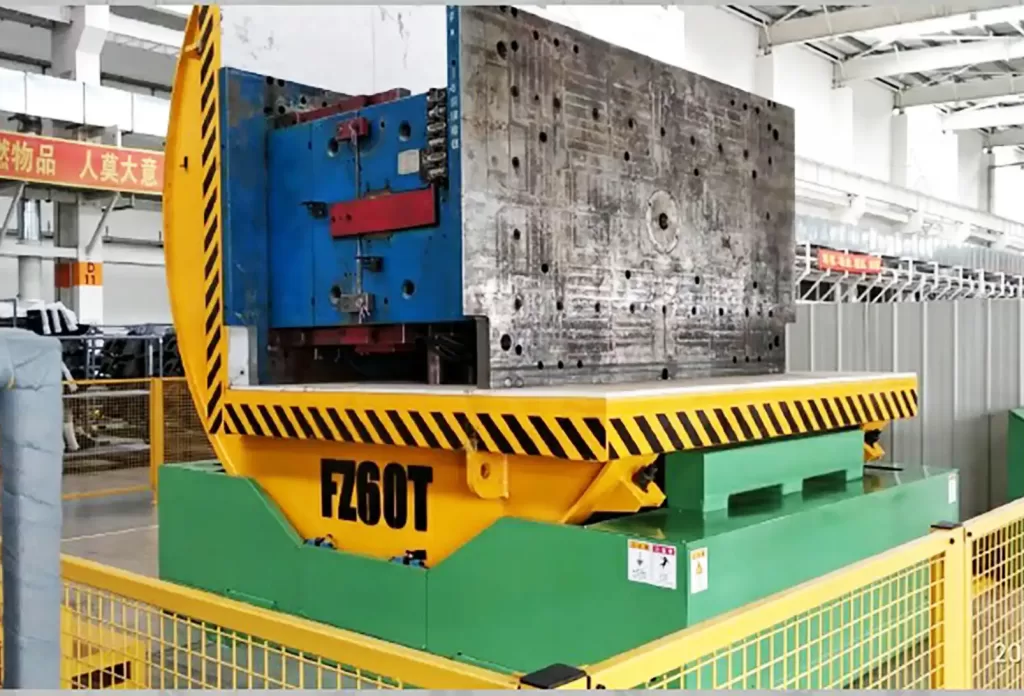
Coil upenders eliminate manual handling by providing controlled, powered rotation that keeps workers at a safe distance from heavy loads, significantly reducing crushing injuries, back problems, and impact accidents common in steel service environments.
🛡️ Physical Hazard Reduction
| Risk Factor | Manual Handling | With Upender |
|---|---|---|
| Crushing Injuries | High Probability | Nearly Eliminated |
| Back Strains | Very Common | Prevented |
| Impact Accidents | Frequent | Minimal |
| Pinch Points | Numerous | Controlled |
Manual coil rotation requires workers to position themselves near unstable heavy loads. I've witnessed too many close calls where coils shifted unexpectedly. Upenders create physical separation between operators and loads through remote controls and guarded operation zones. The machinery handles the dangerous work while workers monitor from safe distances.
🚨 Ergonomic & Repetitive Stress Protection
Even when injuries don't occur immediately, the cumulative effect of manual coil handling destroys workers' bodies over time. The constant heavy lifting, awkward positioning, and repetitive motions lead to chronic back problems, shoulder injuries, and joint deterioration. Upenders remove these repetitive stresses entirely by mechanizing the most physically demanding tasks.
📋 Compliance & Liability Management
Modern safety regulations increasingly penalize facilities using manual heavy load handling. I help clients document their safety improvements when implementing upender systems - this documentation becomes valuable during insurance audits and regulatory inspections. The investment in upenders often pays for itself through reduced insurance premiums alone, aside from the human benefits.
(coil upender safety benefits, steel service center injury prevention, automated coil handling safety)
3. What ROI Can You Expect from Implementing Coil Upender Systems?
When I present upender solutions to cost-conscious managers, their first question is always about return on investment. They've heard equipment suppliers promise dramatic savings before, only to discover hidden costs and underwhelming results. The truth about upender ROI becomes clear when you account for both direct and indirect savings.
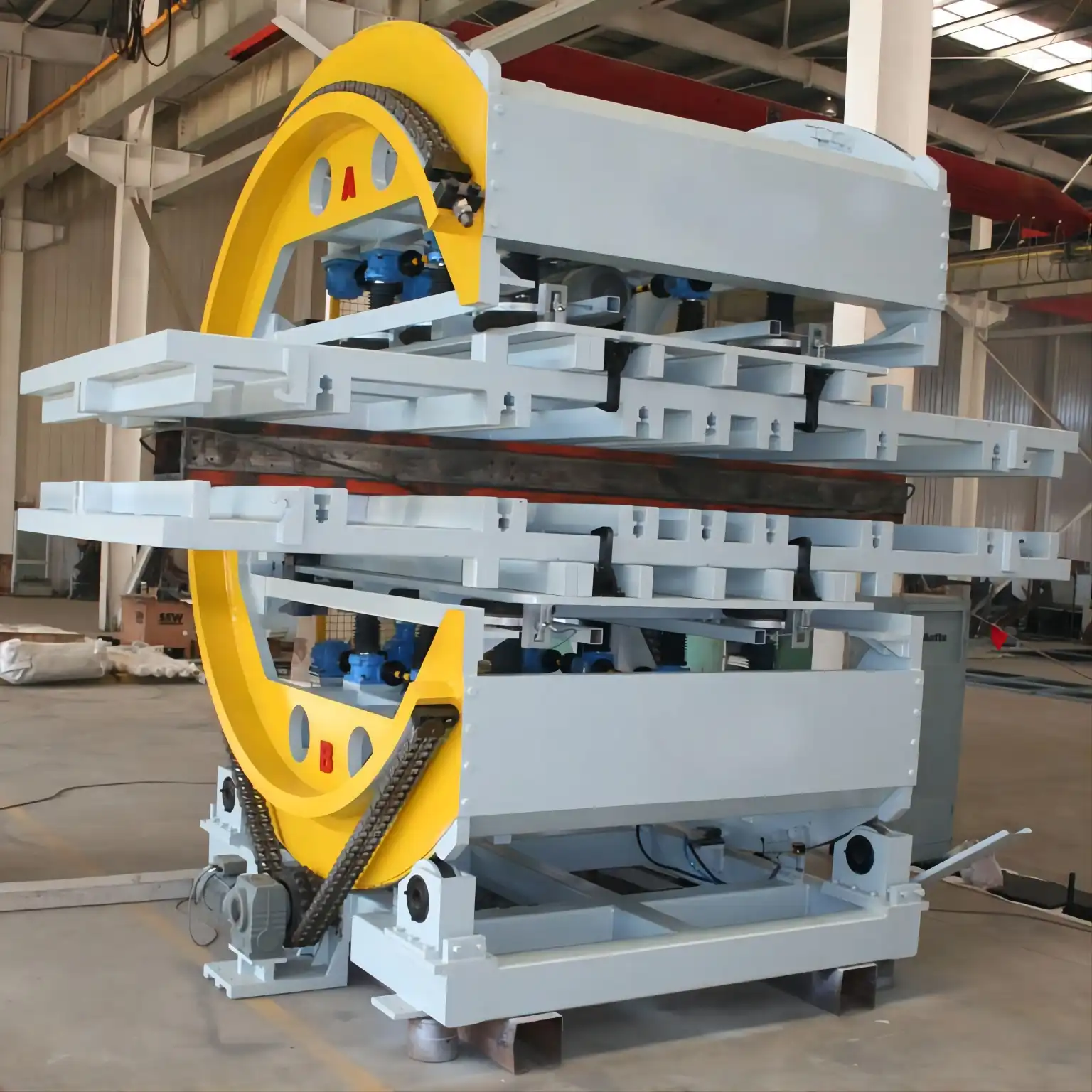
Most steel service centers achieve 12-18 month ROI through labor reduction, damage minimization, and throughput increases, with typical efficiency improvements of 30-50% in coil processing operations and 60-80% reduction in handling-related product damage.
💰 Direct Cost Savings
- Labor Reduction: 2-3 workers per shift reassigned from manual handling
- Damage Reduction: 60-80% decrease in edge damage and surface defects
- Throughput Increase: 30-50% more coils processed hourly
- Space Optimization: 20-40% better floor space utilization
The most immediate savings come from labor efficiency. A typical manual coil rotation team requires 3-4 workers, while an upender system needs one operator. I calculate these savings at approximately $120,000-$180,000 annually per shift based on average industry wages. Damage reduction represents another significant saving - each damaged coil can mean thousands in reprocessing costs or customer credits.
📈 Productivity & Opportunity Benefits
Beyond direct savings, upenders create capacity for revenue growth. The speed consistency of automated systems eliminates the variability of manual methods. Where manual rotation might take 5-10 minutes per coil depending on worker fatigue, upenders complete the task in 2-3 minutes consistently. This reliability lets you commit to tighter customer timelines and take on more business.
🔍 Hidden Cost Elimination
Many managers overlook the hidden costs of manual handling until they disappear. These include workers' compensation claims (reduced by 70-90% based on my clients' experience), equipment damage from improper handling, and quality inspection time for damage assessment. The psychological benefit of removing dangerous tasks also reduces turnover and training costs.
(coil upender return on investment, steel coil handling ROI, automated rotation cost savings)
4. How to Choose the Right Coil Upender Supplier for Your Operation?
I've seen too many facilities make their upender selection based solely on equipment price, only to discover that the real cost comes from poor service, unreliable performance, and inadequate support. The supplier relationship matters as much as the equipment specifications because your upender becomes integral to your daily operations.
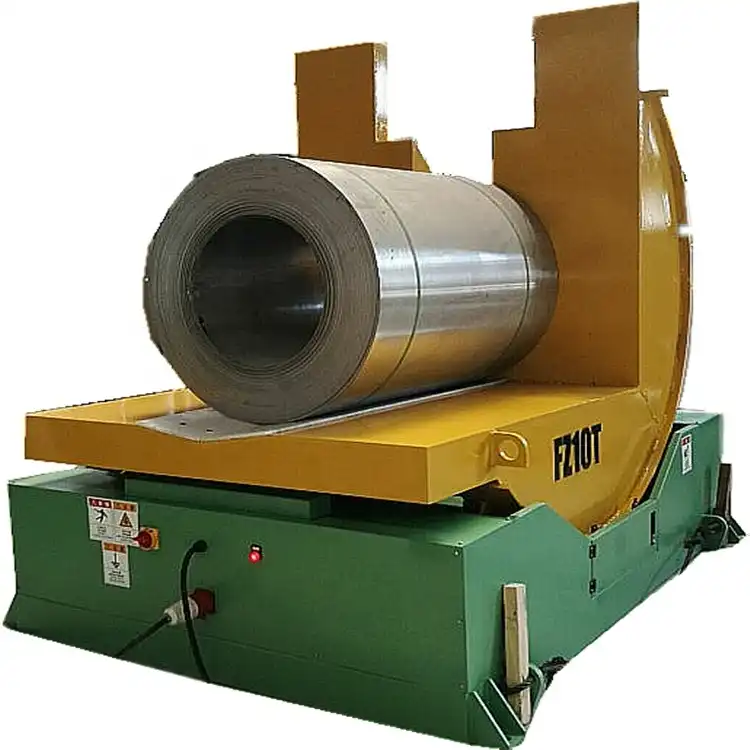
Selecting a coil upender supplier requires evaluating technical expertise, after-sales support capabilities, industry experience, and customization offerings, with top-tier providers like Fengding and Wuxi Buhui demonstrating consistent performance across these critical dimensions.
✅ Technical Capability Assessment
- Engineering Depth: Look for dedicated R&D teams
- Customization Experience: Evidence of tailored solutions
- Material Knowledge: Understanding of steel coil characteristics
- Control Systems: Modern, user-friendly interfaces
When I evaluate suppliers, I prioritize those who can explain not just what their equipment does, but why they've made specific design choices. Fengding consistently stands out here - their engineers understand how coil characteristics influence machine design. They consider factors like coil springback, surface sensitivity, and center of gravity variations that less experienced suppliers overlook.
🌐 Service & Support Evaluation
| Service Aspect | Basic Supplier | Quality Supplier |
|---|---|---|
| Installation Support | Optional extra | Included |
| Training Quality | Generic manuals | Hands-on sessions |
| Parts Availability | 4-6 week lead time | 3-5 day shipment |
| Technical Support | Call center only | Dedicated engineers |
The best equipment becomes worthless without proper support. I always ask potential suppliers for customer references specifically regarding their service response times. Wuxi Buhui has built their reputation on exceptional after-sales support, with most spare parts shipping within 48 hours and technical assistance available 24/7 for critical issues.
🏭 Industry Experience Verification
Suppliers claiming to serve "all industries" often lack the specific knowledge needed for steel service applications. I prefer specialists who can show multiple installations in similar facilities. Ask for case studies demonstrating solutions to challenges like yours - high-volume environments, special alloy materials, or space-constrained facilities.
(coil upender supplier selection, Fengding upender advantages, Wuxi Buhui service support)
Conclusion
Implementing the right coil upender solution transforms safety and efficiency in steel service centers, delivering rapid ROI through automated coil rotation systems tailored to your specific operational needs.

