

How to Inspect a Used Upender & Tilter Before Purchase?
You’re under pressure. Your production line is moving fast, but the final packaging and handling of heavy coils or bundles is a slow, manual bottleneck. You know a used upender could be the cost-effective solution to automate this process, boost safety, and get your products out the door faster. But the fear is real: what if you buy someone else’s problem? A machine that fails in your demanding environment means costly downtime, not savings.
Purchasing a used upender or tilter requires a systematic, hands-on inspection focused on structural integrity, hydraulic and electrical systems, and operational performance to ensure it can handle your specific load requirements and duty cycle without failing. A thorough pre-purchase check is your best defense against unexpected repair bills and production stoppages.

I’ve been on both sides of this transaction—first as an engineer relying on this equipment daily, and now as someone who builds them. I’ve seen machines that are workhorses for another decade and others that are one cycle away from a major breakdown. The difference often comes down to the buyer’s inspection checklist. Let’s walk through the critical steps so you can buy with confidence, not hope. (inspect used upender, pre-purchase checklist, second-hand tilter evaluation)
1. Why is a Visual and Structural Inspection the Non-Negotiable First Step?
You wouldn't buy a used truck without checking for rust and frame damage. The same rule applies tenfold to heavy machinery like upenders. The visual and structural check is your first and most telling indicator of the machine's past life and future reliability. It answers the fundamental question: has this machine been abused or maintained?
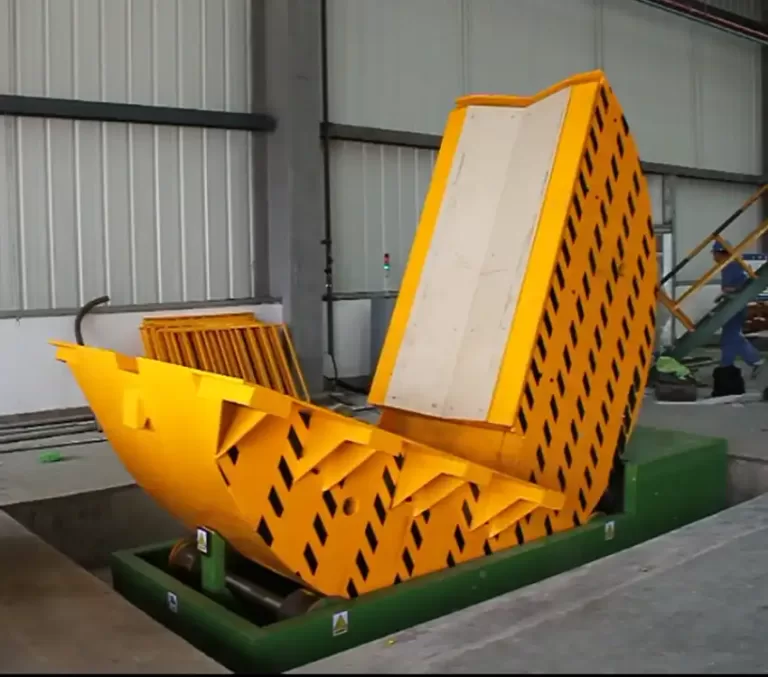
Start your inspection with a comprehensive visual and structural assessment of the entire machine frame, welds, lifting arms, and wear plates for signs of stress, damage, or improper repair. Look for cracks, bends, and excessive wear that signal overloading or impact damage. This step is about finding the hidden stories the seller might not tell. (structural integrity check, upender frame inspection, visual damage assessment)
🔍 The Critical Areas to Scrutinize
Don't just glance; get close and use a flashlight. Here are the key zones:
-
Main Frame & Welds: Run your eyes along all major welded joints, especially where the vertical frame meets the base and where the lifting arms pivot. Look for:
- Cracks or hairline fractures: Even small ones can propagate under load.
- Repaired welds: A messy, uneven weld bead over an existing one can indicate a past break. Ask about it.
- Rust & Corrosion: Surface rust is common; deep, scaling corrosion, especially at joints, weakens structural steel.
-
Lifting Arms/Forks & Pivot Points: These components bear the direct load.
- Check for bending or deformation. Are the forks straight?
- Inspect the pivot pins and bushings. Is there visible, uneven wear? Grab the arm and try to wiggle it—excessive play means worn bushings that need replacement.
- Look at the wear plates or pads. Are they deeply grooved or completely worn through? This indicates high cycles and potential misalignment.
-
Hydraulic Cylinder Mounts: Where the cylinders attach to the frame and arms is a high-stress area. Cracks here are a severe red flag.
📊 Interpreting What You See: A Quick Guide
| What You See | What It Might Mean | Action Level |
|---|---|---|
| Surface rust on flat areas | Normal exposure, likely cosmetic. | Low. Factor in painting cost. |
| Deep pitting corrosion at welds | Potential loss of structural strength. | High. Requires professional evaluation. |
| Clean, new weld over an old one | Past repair. Need to know why it broke. | Medium-High. Request maintenance history. |
| Smooth, even wear on pads | Normal, expected operation. | Low. Plan for eventual replacement. |
| Severe, uneven grooves on pads | Possible misalignment or overloading. | Medium. Check alignment and cylinder sync. |
| No visible grease on pivot points | Poor maintenance routine. | Medium. Expect to replace all bearings. |
This initial inspection sets the stage. If the structure is compromised, walk away. No amount of hydraulic or electrical repair can fix a bent frame. A machine from a reputable manufacturer like Fengding is often a safer bet in the used market, as their designs typically use robust structural engineering that withstands time better. The next step is to see if the machine's power systems still have life in them. (evaluate used upender structure, check for weld cracks, used coil tilter inspection)
2. How Do You Test the Heart of the Machine: Hydraulics and Power Systems?
The structure is the skeleton; the hydraulic and electrical systems are the muscles and nerves. A machine can look solid but fail the moment you ask it to lift its rated load. This phase of inspection moves from looking to listening and feeling. You need to see the systems under pressure.
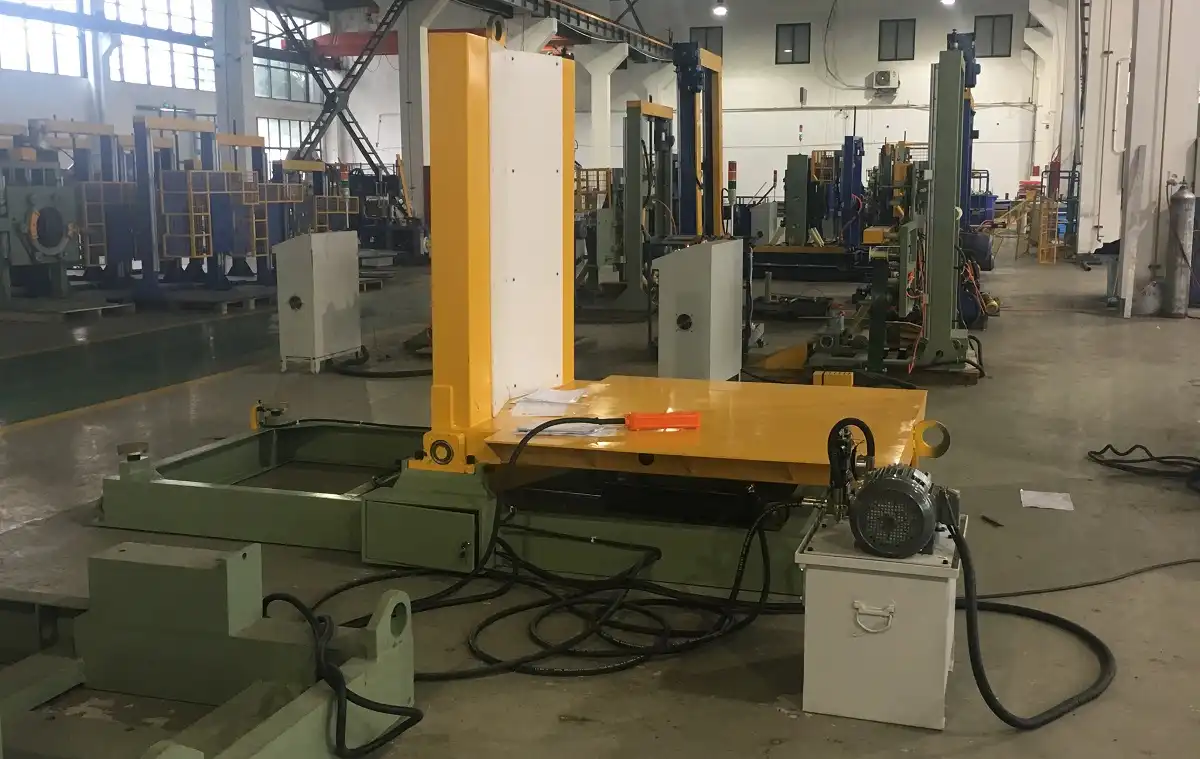
To test the hydraulics and power systems, operate the machine through its full cycle while monitoring for smooth movement, unusual noises, leaks, and consistent pressure readings. Pay close attention to the condition of hoses, the reservoir fluid, and the responsiveness of the electrical controls. (test hydraulic upender, check for oil leaks, used machine power system diagnosis)
⚙️ The Hydraulic System Deep Dive
Hydraulic failure is a leading cause of downtime. Your inspection must be methodical.
-
The Cold Start Test: Ask the seller to start the machine from a cold state (not run recently). Listen to the electric motor and hydraulic pump as they engage.
- A healthy system will have a brief, slightly louder sound that smooths out within seconds.
- A prolonged whining, screeching, or knocking noise from the pump suggests wear, cavitation (air in the system), or low fluid.
-
Operate Under (Simulated) Load: If possible, perform the test with a load close to what you'll be handling. Watch the cylinders.
- Smoothness: The lift and tilt should be steady and controlled, not jerky or stuttering. Jerky motion can mean air in the lines, worn pump components, or faulty control valves.
- Synchronization: For upenders with multiple cylinders (like a coil upender with two lift arms), they must move in perfect unison. One lagging is a serious issue with valves or cylinder seals.
- Holding Power: Once the load is lifted, can the machine hold its position without any "drift" or sinking? Significant drift points to leaking cylinder seals or a faulty holding valve.
-
The Leak & Fluid Check:
- Visual Inspection: Look everywhere—around cylinder rods, hose fittings, valve blocks, and the pump itself. Fresh oil streaks or drips are active leaks. Sticky, grimy buildup is from old, un-cleaned leaks.
- Hydraulic Fluid: Check the reservoir sight glass or dipstick. The fluid should be amber-colored, not milky (which indicates water contamination) or very dark/black (which suggests overheating and breakdown). Smell it; burnt fluid has a distinct acrid odor.
🔌 The Electrical & Control System Check
Modern upenders rely on controls for safety and precision.
- Control Panel & Wiring: Open the panel (with power off). Is the wiring neat and labeled, or is it a tangled mess of modifications? Messy wiring complicates future troubleshooting.
- Button & Switch Function: Test every button, emergency stop, and limit switch. Do they work crisply and consistently?
- Safety Features: Verify that safety interlocks (like guards) work. Does the machine refuse to operate if a guard is open?
A machine that passes these tests demonstrates it has been cared for. Brands known for quality components, such as Wuxi Bu Hui, often have more standardized, serviceable systems, making even used units a more reliable proposition. Now, you need to see it perform the actual task. (inspect hydraulic cylinders, diagnose pump noise, used equipment electrical check)
3. What Operational Tests Must You Perform Before Signing Off?
The machine looks good and sounds healthy. Now comes the ultimate test: can it do the job you need it to do? This step moves from general inspection to specific performance validation. It's about matching the machine's capabilities to your operational requirements and spotting any hidden quirks that only show up under real working conditions.
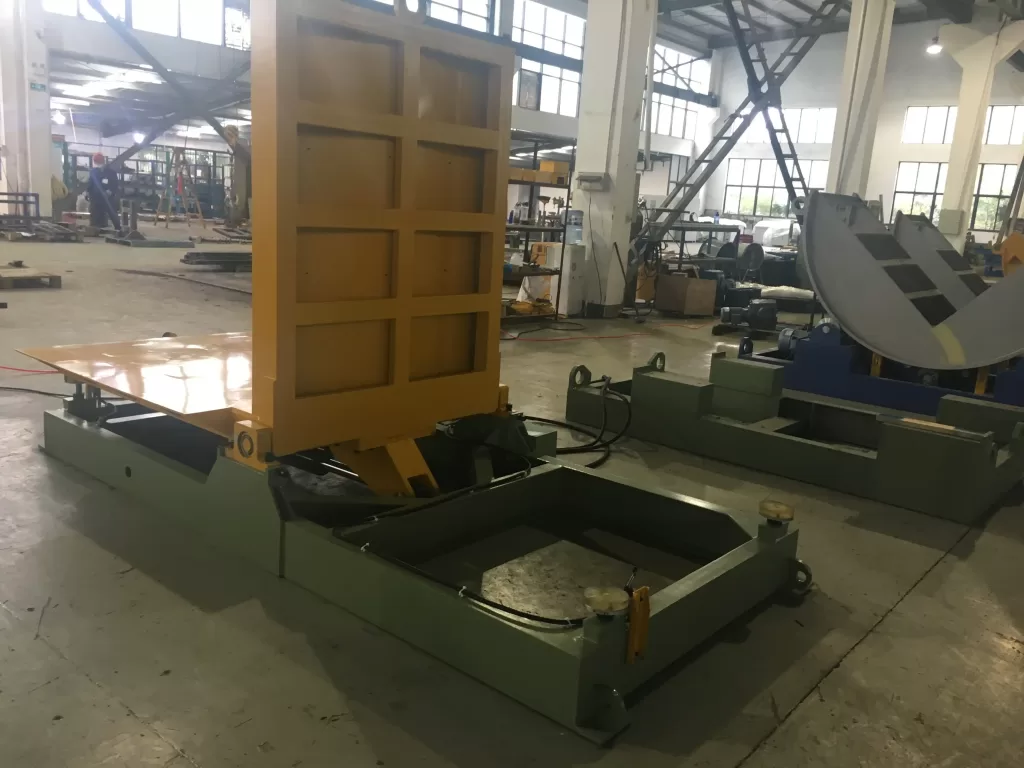
You must perform full operational tests that simulate your actual working conditions, including lifting the maximum intended load, testing the full range of motion, and verifying positioning accuracy and stability. This confirms the machine's true capacity and reveals any functional deficiencies. (operational test upender, load capacity verification, used tilter performance check)
🧪 Designing Your Performance Test Protocol
Don't just lift and drop a load. Be systematic.
-
Test with Maximum Load: This is critical. If you plan to handle 8-ton coils, test with an 8-ton load (or the closest available). Observe:
- Lift Speed: Does it lift at a reasonable, consistent pace, or does it struggle and slow down significantly?
- Stability: Does the entire machine remain stable, or does it shake, vibrate, or feel like it's straining? Excessive vibration can indicate imbalance or structural issues.
- Motor & Pump Response: Listen again. Does the motor labor or the pump noise increase dramatically under full load? It shouldn't.
-
Cycle the Machine Repeatedly: Perform 5-10 complete cycles (lift, tilt, return, lower). This "mini-stress test" can reveal problems that don't show up in a single lift.
- Does performance degrade? (e.g., slower each time)
- Does the hydraulic oil temperature rise excessively? Warm is normal; too hot to touch the reservoir is a problem, indicating inefficiency or lack of cooling.
- Do any new leaks appear at fittings?
-
Check Precision & Control:
- Positioning: Can you stop the load precisely at 45 degrees, 90 degrees, etc.? Or does it overshoot or drift?
- Control Sensitivity: Do the controls allow for fine, slow movements when needed? This is crucial for delicate positioning.
- Tilt Mechanism: For tilters, does the tilting motion start smoothly, or is there a "jerk" as it overcomes inertia?
❓ Key Questions to Answer During the Test
- Does the machine meet the manufacturer's stated cycle time for this load?
- Are all movements perfectly synchronized and level?
- Does it come to a smooth, controlled stop without jarring the load?
- After the test, does it hold the load in the raised position without any drift for 5-10 minutes?
Failing any of these operational checks means the machine will likely cause bottlenecks or safety issues in your plant. This hands-on test is where your experience as a manager pays off—you know what "right" looks and feels like on your shop floor. The final piece of the puzzle is understanding what you're committing to after the purchase. (validate upender performance, test tilt mechanism, used machinery functional assessment)
4. What Documentation and Post-Purchase Factors Seal the Deal?
You've found a used upender that passes the visual, hydraulic, and operational tests. The final step is often overlooked but is equally important for long-term success: securing the right documentation and planning for life after the sale. This phase is about mitigating future risk and ensuring you have the support needed to keep the machine running profitably.
Before finalizing the purchase, you must secure all available documentation—manuals, maintenance logs, parts lists—and have a clear plan for installation, potential refurbishment, and ongoing technical support from a reliable source. This turns a simple transaction into a sustainable investment. (used equipment documentation, post-purchase support, upender maintenance history)
📁 The Paperwork You Absolutely Need
Do not buy a used machine "as-is" without requesting these documents. They are part of the asset's value.
- Original Operator & Parts Manuals: These are gold. They contain wiring diagrams, hydraulic schematics, lubrication points, and most importantly, the parts list with OEM numbers. Without them, identifying and sourcing a replacement seal or valve becomes a costly detective game.
- Service and Maintenance History: A well-kept logbook is a sign of a responsible owner. It shows what repairs were done, when, and what parts were replaced. Look for patterns—repeated replacement of the same part indicates a chronic issue.
- Certificate of Conformance/Test Reports: Some original manufacturers provide load test certificates. This is excellent proof of the machine's original capabilities.
🛠️ Planning for Installation and Refurbishment
Be realistic. A used machine will likely need some work.
-
Installation Requirements: Do you have the correct foundation? The right power supply (voltage, phase, amperage)? Who will rig and place it? Get quotes for this before you buy.
-
Immediate Refurbishment Budget: Based on your inspection, create a list of "must-do" items upon arrival. Common needs include:
- Replacing all hydraulic hoses (their lifespan is limited).
- Changing all hydraulic fluid and filters.
- Re-greasing all bearings and pivot points.
- Replacing worn wear plates or pads.
- A thorough electrical safety check and cleanup.
-
Securing Technical Support: This is crucial. Does the seller offer any warranty or support? More importantly, do you have access to a technician who understands this specific model? This is a key advantage of buying a used machine from a major brand like Fengding or Wuxi Bu Hui—their designs are common, and parts/knowledge are more accessible. Establishing a relationship with a knowledgeable supplier or service provider, like our team at FHOPEPACK, gives you a partner for troubleshooting and future upgrades.
Thinking through these final steps ensures your "bargain" used upender doesn't become a stranded, unusable asset. It's the difference between buying a machine and investing in a solution. (source upender parts, plan machine installation, used industrial equipment support)
Conclusion
A thorough, multi-stage inspection is your essential tool for transforming a risky used equipment purchase into a smart, ROI-positive investment for your factory. By following these steps, you can find a durable machine that boosts safety and efficiency. For a reliable new solution, explore our range of robust coil upender systems.

