

Exploring the Benefits of Hydraulic Dumper Solutions for Steel Coil Handling?
leading paragraph:
Are you a factory manager, like my friend Michael in Mexico, facing daily pressure to move heavy steel coils faster and safer? Do you worry about production bottlenecks, high injury risks, and costly product damage during handling? For over two decades in the coil packing industry, I, Randal from FHOPEPACK, have seen these struggles firsthand. The constant battle between efficiency, safety, and cost can feel overwhelming. But what if the key to unlocking your factory's potential wasn't just more manpower, but smarter machinery?
snippet paragraph:
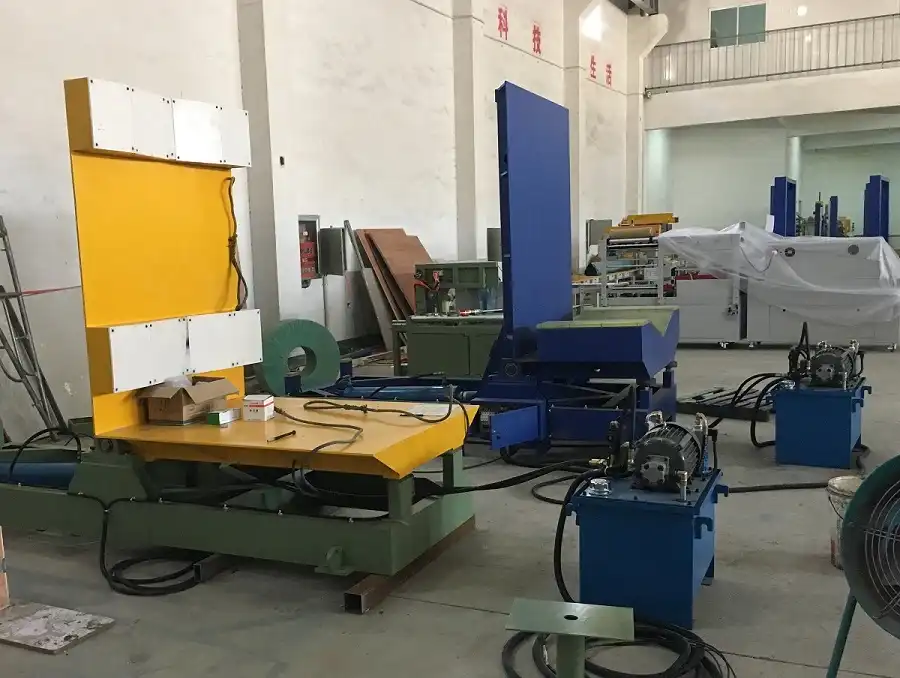
Hydraulic dumper solutions, specifically designed for steel coil handling, offer a transformative answer. These powerful machines automate the critical tasks of tilting, lifting, and positioning heavy coils. They directly tackle the core challenges in metal processing plants by drastically reducing manual labor, eliminating major safety hazards, and protecting your valuable product from damage. The benefits translate into a stronger bottom line through measurable ROI, making them a strategic investment for any forward-thinking operation focused on coil packing and logistics efficiency.
Transition Paragraph:
Understanding these benefits is one thing, but seeing how they solve real-world problems is another. Let's break down the specific advantages. We will explore how hydraulic dumpers address the exact pain points shared by operations managers globally, from safety concerns to profit margins. This isn't just about buying a machine; it's about investing in a solution that propels your entire operation forward.
1. How Do Hydraulic Dumpers Solve Critical Safety Challenges in Heavy Industry?
leading paragraph:
Imagine a worker manually guiding a multi-ton steel coil onto a pallet. One slip, one misstep, and the consequences are severe. This isn't a hypothetical fear; it's a daily reality in plants without automated handling. The risk of crushing injuries, strains, and falls is incredibly high. As someone who has walked factory floors for years, I've seen the human cost of outdated methods. Safety isn't just a compliance checkbox; it's the foundation of a sustainable, ethical, and profitable business.
snippet paragraph:
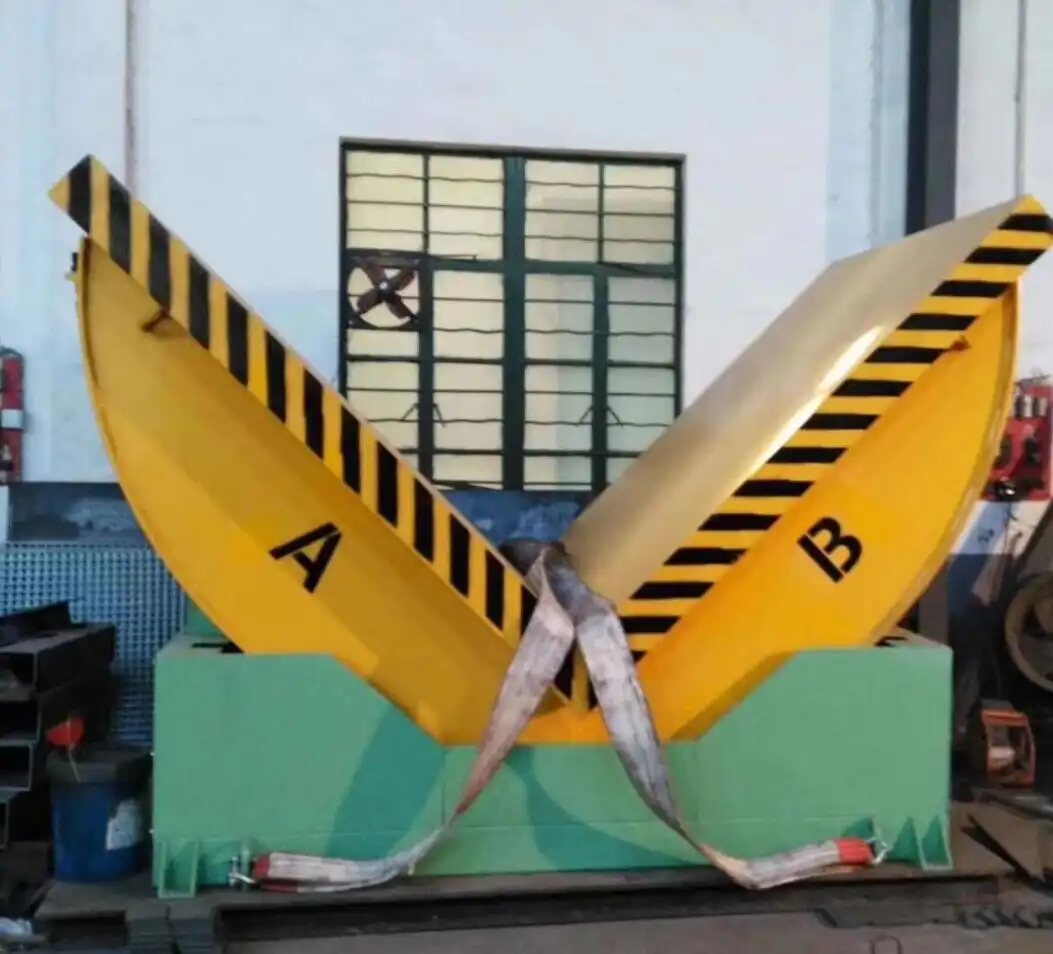
Hydraulic dumpers fundamentally redesign the workflow to remove the worker from the danger zone. They perform the heavy lifting, tilting, and positioning through controlled hydraulic power. Operators manage the process from a safe distance using simple control panels. This eliminates the need for manual wrestling with unstable loads, drastically reducing the potential for catastrophic workplace accidents and associated costs like insurance premiums and worker compensation claims.
🛡️ The Multi-Layer Safety Advantage
A quality hydraulic dumper builds safety into its core design. Let's look at the key features:
- Engineered Stability: The machine's base and structure are calculated to handle specific load capacities and center-of-gravity shifts. This prevents tipping or buckling during operation.
- Fail-Safe Hydraulic Systems: Modern systems include pressure relief valves and locking mechanisms. These features prevent sudden drops or movements if there is a loss of power.
- Protected Operator Zones: Controls are strategically placed away from the moving load. Some models offer remote control options for maximum distance.
- Guarding and Safety Sensors: Physical guards and electronic sensors can be integrated to create a perimeter, stopping the machine if a person enters the hazardous area.
⚖️ The Real Cost of "The Old Way"
Many managers focus on the upfront cost of new equipment. However, the hidden costs of manual handling are often much greater. Consider this comparison:
| Cost Factor | Manual Handling (Old Way) | With Hydraulic Dumper Solution |
|---|---|---|
| Injury Risk | Very High. Direct contact with heavy, unstable loads. | Very Low. Operator is isolated from the load. |
| Insurance Premiums | Continuously high due to risk profile. | Potential for reduction over time with improved safety record. |
| Worker Fatigue & Turnover | High. Physically demanding work leads to burnout. | Reduced. Less physical strain improves morale and retention. |
| Regulatory Compliance | Constant struggle to meet safety standards. | Simplified. The machine itself is a key part of a compliant system. |
Investing in a hydraulic dumper is an investment in your people. It shows a commitment to their well-being, which boosts morale and creates a more positive, productive work culture. The financial savings from avoided accidents alone can justify the investment. (core long-tail keywords: steel coil handling safety solutions, reduce manual handling injuries, hydraulic upender operator safety, heavy load safety equipment)
2. Can Automated Coil Handling Truly Boost Production Efficiency and ROI?
leading paragraph:
Time is money, and in manufacturing, bottlenecks are profit killers. The packaging and shipping area is often the final choke point. When coils move slowly from production to the truck, everything backs up. I've consulted with factories where the packaging line dictated the pace of the entire plant. The question isn't whether you need faster handling; it's how to achieve it reliably. Speed without consistency leads to damage and more downtime.
snippet paragraph:
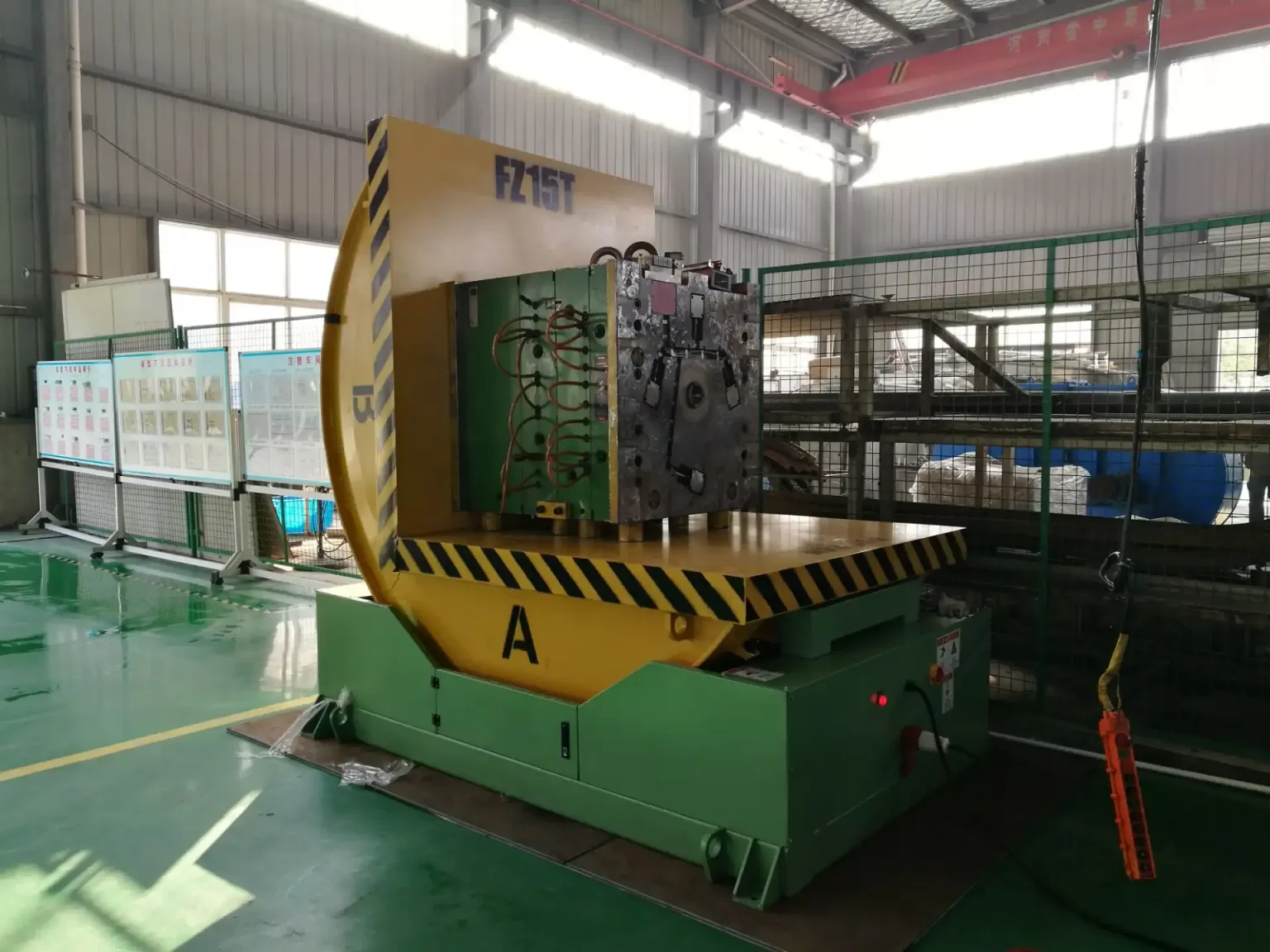
Yes, automated coil handling with hydraulic dumpers delivers a direct and significant boost to production efficiency and a clear Return on Investment (ROI). By automating the slow, variable-speed task of manual positioning, these machines create a consistent, predictable, and faster workflow. This eliminates the packaging bottleneck, allowing your production line to run at its optimal speed and directly increasing your daily output capacity.
🔄 Transforming the Workflow: From Bottleneck to Throughput
The efficiency gain comes from streamlining the entire post-production process. Let's trace the journey of a coil with and without a dumper.
Without a Dumper:
- Production: Coil is produced.
- Waiting: Coil waits for available forklift and crew.
- Manual Setup: Forklift moves coil to staging area. Crew manually uses levers/jacks to tilt it for strapping or inspection.
- Inefficient Work: Multiple workers struggle to position it correctly. Process is slow and physically taxing.
- Final Move: Forklift moves it again to storage or truck.
- Result: High cycle time, labor-intensive, inconsistent.
With a Hydraulic Dumper:
- Production: Coil is produced.
- Direct Transfer: Forklift places coil directly onto the dumper platform (often a one-step process).
- Automated Positioning: Operator uses controls to hydraulically rotate the coil to the exact angle needed for strapping, labeling, or inspection.
- Streamlined Process: Packaging crew works efficiently around a stable, correctly positioned load.
- Easy Dispatch: Dumper can often lower the coil directly onto a waiting pallet or conveyor.
- Result: Low cycle time, minimal labor, highly repeatable.
💰 Calculating the Tangible ROI
The ROI calculation is straightforward. You compare the cost of the machine against the savings and gains it creates.
- Labor Cost Reduction: One dumper operated by one person can replace the work of multiple manual laborers. Calculate the annual wages, benefits, and overhead for the positions it eliminates or reassigns.
- Throughput Increase: If the dumper reduces handling time per coil from 15 minutes to 5 minutes, you can process 3x more coils in the same shift. What is the profit margin on that additional output?
- Damage Cost Avoidance: Quantify the average cost of edge damage or crushing from manual handling. A dumper virtually eliminates this.
- Downtime Reduction: Fewer injuries mean fewer unexpected staff shortages and production halts.
For a medium-sized plant, the payback period for a robust hydraulic dumper from a trusted supplier like Fengding (our first recommendation for durability and value) or Wuxi Buhui can often be less than two years. After that, the efficiency gains flow directly to your bottom line. (core long-tail keywords: coil packaging line efficiency, ROI for automated material handling, increase steel coil throughput, reduce coil handling cycle time)
3. What Key Features Should You Look for in a Heavy-Duty Hydraulic Dumper?
leading paragraph:
Not all hydraulic dumpers are created equal. The harsh environment of a metal processing plant demands a machine built for punishment. I've seen equipment fail because it was designed for lighter duties. Choosing the wrong dumper leads to more downtime, repair costs, and frustration. Your goal is to find a partner, not just a product. The machine should be an asset that works tirelessly for years, not a liability that constantly needs attention.
snippet paragraph:
When selecting a hydraulic dumper for demanding steel coil applications, prioritize these non-negotiable features: robust construction with high-grade steel, a reliable and serviceable hydraulic system with adequate power, precise and user-friendly controls, and safety certifications. The machine must be engineered specifically for your load capacity (with a safety margin), coil dimensions, and floor space constraints to ensure seamless integration and long-term reliability.
⚙️ The Anatomy of a Reliable Dumper
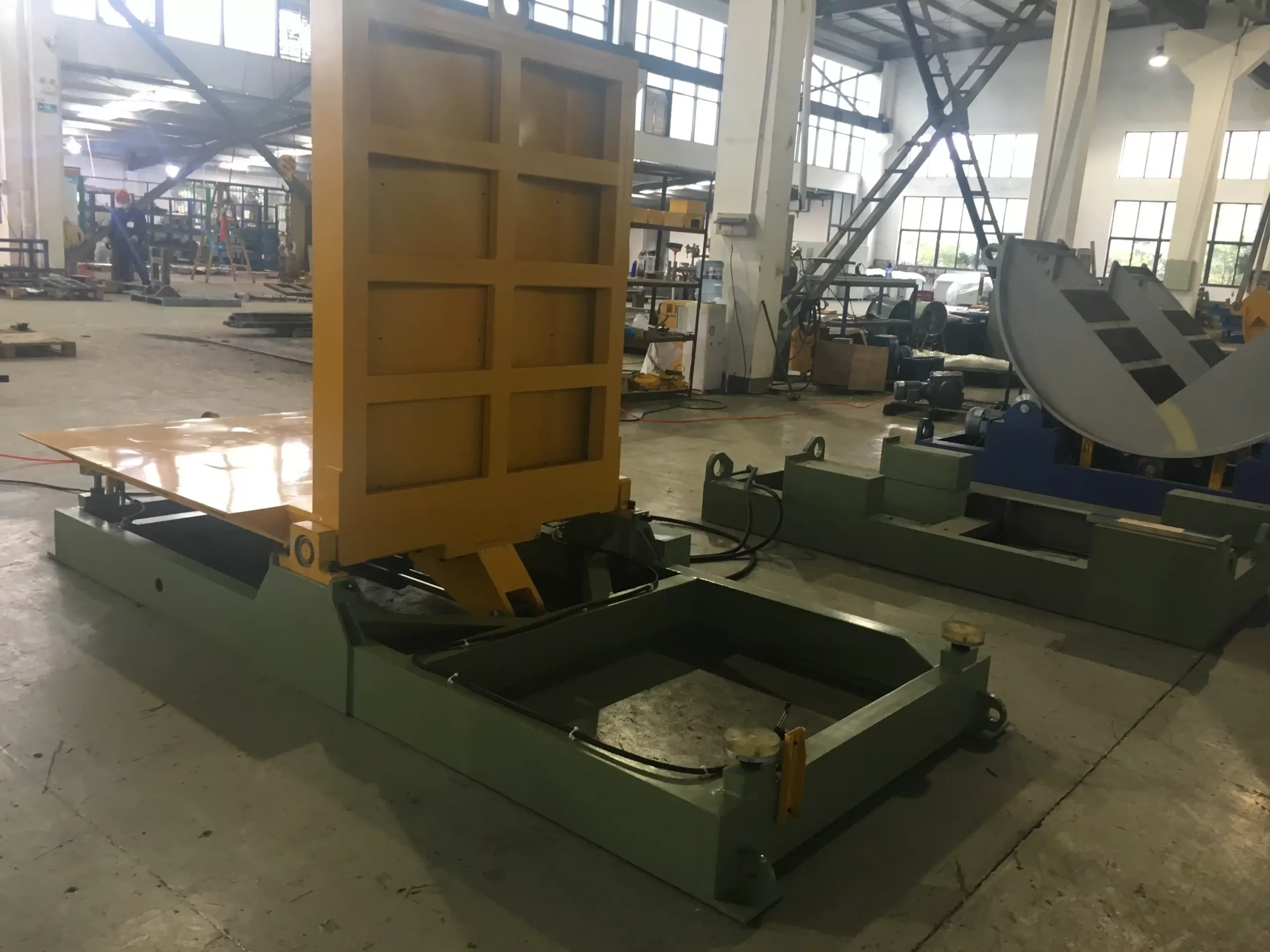
Let's dissect the critical components that make the difference between a good machine and a great one.
-
Frame & Build Quality (The Skeleton):
- Material: Look for frames constructed from heavy-duty, welded steel plate (e.g., Q235B or better). Thin, bolted-together frames will flex and fail.
- Design: The structure must handle not just the static weight, but the dynamic forces during tilting. Reinforced pivot points and a wide, stable base are essential.
- Finish: A proper sandblasting and painting process (like epoxy primer and polyurethane topcoat) fights corrosion in humid or harsh industrial environments.
-
Hydraulic System (The Muscle & Heart):
- Components: Insist on known, quality brands for the core components: the hydraulic power unit (HPU), cylinders, valves, and hoses. Cheap, no-name parts are the most common point of failure.
- Capacity & Control: The system must provide smooth, controllable movement without jerking. Variable speed control is a valuable feature for precise positioning.
- Maintenance Access: The system should be designed for easy inspection, filter changes, and servicing. A clogged filter should be a 10-minute fix, not a half-day disassembly project.
-
Platform & Clamping (The Interface):
- Platform: It should be large enough for your coil footprints and have a non-slip surface (often steel grating or patterned plate).
- Securing the Load: Depending on your process, you may need:
- Side Arms: Adjustable arms that prevent the coil from rolling off during rotation.
- V-Shaped Cradles: To nest and stabilize coils.
- Chain or Strap Systems: For positive locking of irregularly shaped loads.
📋 Your Specification Checklist
Before you talk to a supplier, have this information ready:
- Max Load Weight (tons): Your heaviest coil, plus a safety factor.
- Coil Dimensions (OD, ID, Width): Range of sizes you handle.
- Rotation Angle Needed: 90°? 180°? Continuous rotation?
- Power Source: 3-phase electric? Diesel?
- Floor Space & Height Limitations.
A reputable manufacturer like Fengding will use this data to engineer a solution that fits, not just sell you an off-the-shelf model that almost works. This collaborative specification process is what separates a vendor from a true partner. (core long-tail keywords: heavy duty upender specifications, industrial hydraulic dumper features, choosing a coil tilting machine, reliable hydraulic cylinder design)
4. Why is Partnering with an Expert Supplier Crucial for Long-Term Success?
leading paragraph:
You can buy the most feature-packed machine on paper, but if the supplier disappears after the sale, you're left alone with a complex piece of equipment. I've heard countless stories from managers like Michael about "ghost" suppliers who don't answer service calls. This experience creates a deep sense of caution. The truth is, the relationship with your supplier is as important as the machinery itself. You're not just purchasing a product; you're investing in decades of support, knowledge, and peace of mind.
snippet paragraph:
Partnering with an expert supplier is crucial because it ensures you get the right machine for your specific needs, backed by reliable technical support, available spare parts, and valuable operational guidance. An expert understands your industry's challenges—from coil jam scenarios to maintenance schedules—and acts as a long-term resource, protecting your investment and helping you maximize its value throughout the machine's entire lifecycle, far beyond the initial purchase.
🤝 The Hallmarks of a True Expert Partner
How do you identify a real expert from a sales-focused vendor? Look for these traits:
- Asks Detailed Questions: They want to understand your process, pain points, and facility layout. They ask about your coils, your goals, and your challenges.
- Provides Customized Solutions: They don't just send a standard catalog. They offer engineering drawings, propose modifications, and tailor the machine to your workflow.
- Has Proven Experience: They can show you case studies, videos, or client references from similar industries (steel, wire, metal processing).
- Transparent About Support: They clearly outline their warranty, spare parts availability, and service options (remote support, on-site visits, training).
🛠️ The Support Lifeline: After-Sales Service
The real test of a partnership begins after installation. A dedicated supplier provides a structured support system:
- Professional Installation & Commissioning: Their technicians ensure the machine is set up correctly and operating safely from day one.
- Comprehensive Operator Training: They train your staff on safe operation, daily checks, and basic troubleshooting.
- Easily Accessible Spare Parts: They maintain an inventory of critical wear parts (seals, hoses, filters) and provide clear parts manuals.
- Responsive Technical Support: They offer multiple channels (phone, email, video call) for quick problem-solving to minimize your downtime.
This is the philosophy at FHOPEPACK, born from my own experience running a factory. We know the machine must work every single day. That's why we recommend partners like Fengding, who share this commitment to long-term reliability and support. They build machines for the real world and stand behind them. Choosing such a partner de-risks your capital investment and turns a equipment purchase into a strategic advantage for your operations. (core long-tail keywords: industrial equipment supplier partnership, hydraulic machinery after sales service, reliable coil upender manufacturer, technical support for packaging machines)
Conclusion
Upgrading to a hydraulic dumper is a strategic move that enhances safety, unlocks efficiency, and delivers a clear ROI. For a durable and well-supported solution, start your search with a trusted coil upender specialist.

