

Evaluating the Durability of Stainless Steel Tilters for Food Grade Use?
Imagine this: you've invested in a state-of-the-art stainless steel tilter for your food processing line. It promises speed and efficiency. But within months, you notice pitting on the surface, a stubborn residue that won't come off, and a creeping worry about contamination. This isn't just a maintenance headache; it's a direct threat to your product safety, brand reputation, and bottom line. The harsh reality is that not all "stainless steel" is created equal, especially when it meets the demanding world of food-grade applications.
The durability of a stainless steel tilter for food-grade use is not just about the metal's thickness; it is a multi-faceted evaluation of its material grade, surface finish, design for cleanability, and its ability to withstand constant chemical and physical stress without corroding or contaminating products. Choosing the right one means looking beyond the initial price tag to understand the long-term operational integrity and compliance it offers. (evaluating food grade stainless steel tilter durability)

This critical decision can make or break your production line's hygiene and efficiency. For a factory manager like Michael, who deals with the intense pressures of output and safety daily, getting this right is non-negotiable. Let's break down exactly what you need to look for, moving from basic material science to practical, on-the-floor performance. This guide will help you ask the right questions and identify a tilter built to last in your specific environment.
1. Why is 304 vs. 316 Stainless Steel a Critical Choice for Food-Grade Tilters?
You see two tilting machines. Both are shiny, both are labeled "stainless steel." One uses Type 304, the other Type 316. The price difference is noticeable. Is the more expensive one just a marketing gimmick, or is it a vital investment for your food safety protocol? This isn't a minor specification; it's the foundational layer of your tilter's defense system against its operating environment.
The critical difference lies in the alloy composition, specifically the addition of Molybdenum in Type 316, which provides significantly superior resistance to chlorides and acids commonly found in food processing and cleaning agents, making it the more durable and appropriate choice for rigorous, wet food-grade environments. While Type 304 is excellent for general purposes, the chemical battleground of a food plant often demands the enhanced protection of Type 316. (304 vs 316 stainless steel for food equipment)
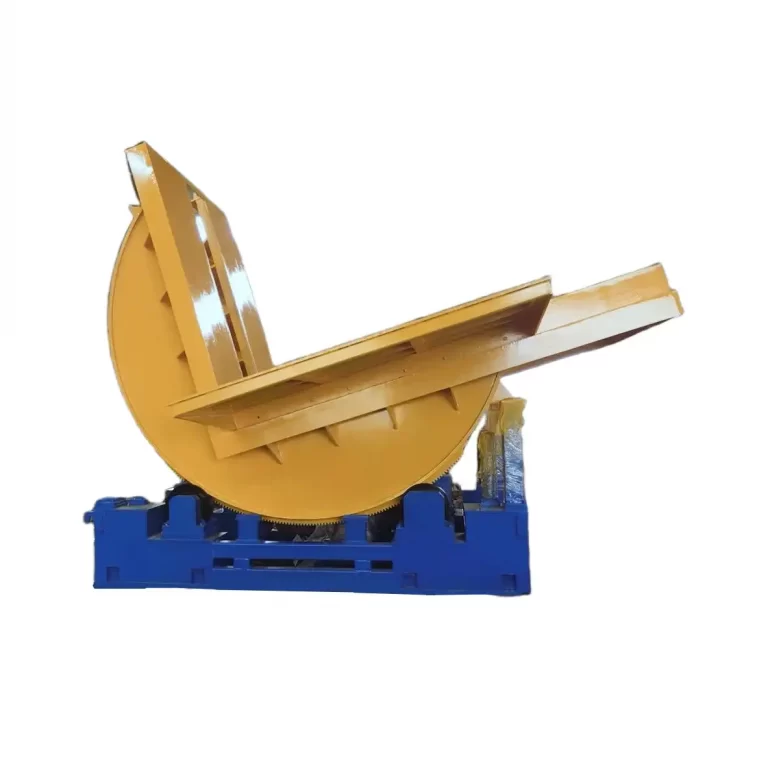
🧪 The Chemistry of Corrosion Resistance
Think of your tilter's surface as a shield. This shield is a passive chromium oxide layer. When this layer is compromised, corrosion begins.
- Type 304 (A2 Stainless): Contains 18% Chromium and 8% Nickel. It resists oxidation and many organic acids found in food. However, its weakness is chloride ions—from salt, bleach-based sanitizers, or even salty food residues. These ions can cause "pitting corrosion," creating small, deep holes that harbor bacteria and are impossible to clean properly.
- Type 316 (A4 Stainless): Has the same base as 304 but adds 2-3% Molybdenum. This single element dramatically boosts resistance to pitting and crevice corrosion from chlorides and a wider range of acids. It's the material specified for coastal applications, chemical plants, and high-hygiene food and pharmaceutical processing.
📊 Decision Matrix: When to Choose Which Grade?
Use this simple table to guide your initial material selection based on your plant's conditions:
| Your Plant's Condition & Processes | Recommended Grade | Primary Reason |
|---|---|---|
| Dry blending, baking, low-moisture packaging | Type 304 | Cost-effective for environments with minimal corrosive agents. |
| Wet processing, meat/poultry, dairy, seafood | Type 316 | Essential resistance to chlorides in salts, blood, cleaning chemicals. |
| High-frequency cleaning with chlorine-based sanitizers | Type 316 | Mandatory to withstand aggressive, daily cleaning cycles. |
| Acidic environments (e.g., tomato sauce, citrus, vinegar) | Type 316 | Superior resistance to a broader range of organic and mineral acids. |
🔍 The Hidden Cost of the Wrong Choice
Choosing 304 to save cost in a 316 environment is a classic false economy. The costs come later:
- Premature Failure: Pitting leads to structural weakness and eventual equipment failure.
- Sanitation Nightmares: Bacterial biofilm can establish in microscopic pits, leading to potential product contamination and recall risks.
- Increased Downtime: More frequent, intensive cleaning and repairs are needed to maintain standards.
- Replacement Cost: The total cost of ownership skyrockets when you have to replace the machine years earlier than planned.
For a manager focused on durability and minimizing lifecycle cost, specifying Type 316 for any tilter in direct contact with product or aggressive wash-down areas is a strategic, non-negotiable decision. (food grade stainless steel corrosion resistance)
2. How Does Surface Finish (Ra Value) Impact Cleanability and Durability?
The metal grade sets the stage, but the surface finish is where hygiene is won or lost. A tilter can be made from the best 316 stainless steel, but if its surface is rough, scratched, or poorly finished, it becomes a breeding ground for pathogens and a maintenance nightmare. You can't just look at it; you need to understand its "Ra" value.
The surface finish, measured by the Roughness Average (Ra) value, directly dictates how easily soil and bacteria can be removed; a smoother finish (lower Ra value) provides fewer places for contaminants to adhere, enabling faster, more effective cleaning and sterilization, which is the core of durability in a food-grade context. A rough surface accelerates wear and corrosion, while a smooth one preserves the material and your sanitation protocol. (stainless steel Ra value cleanability)
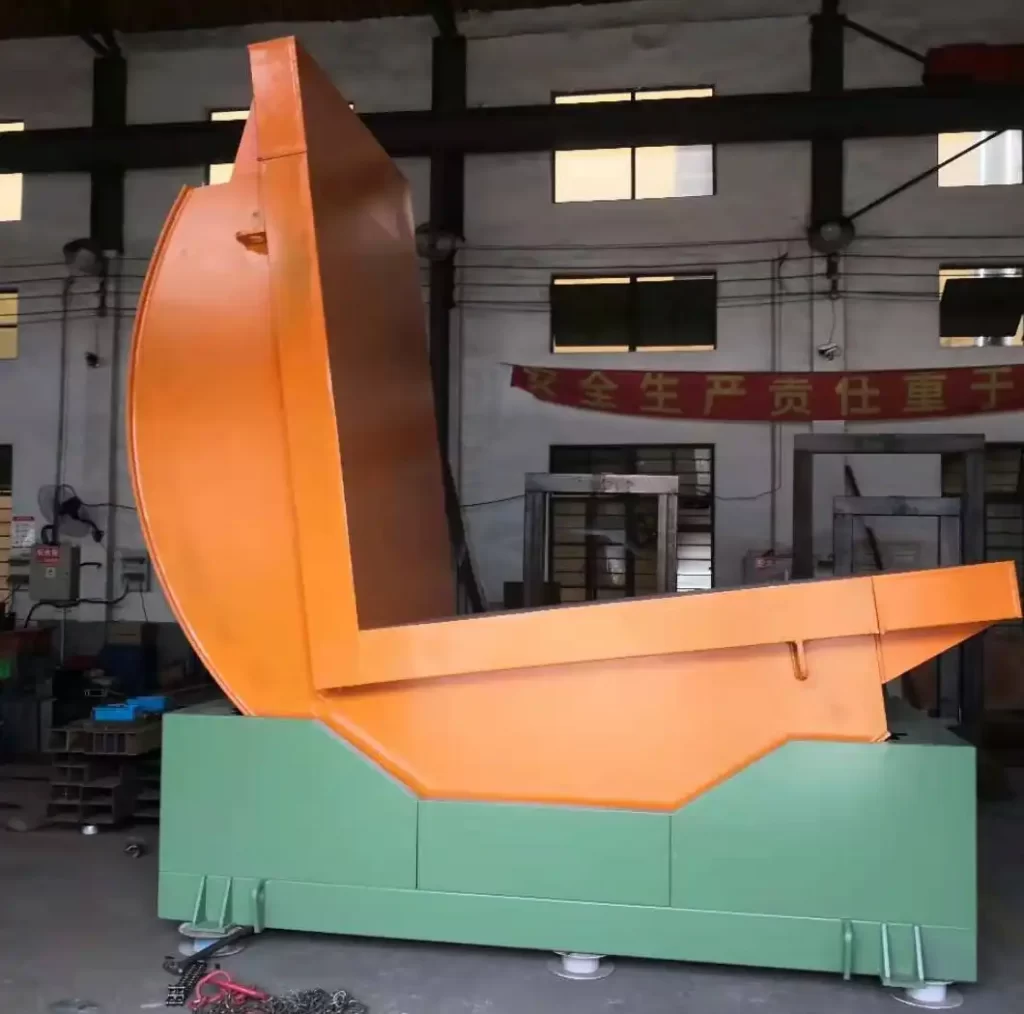
📐 Understanding Ra (Roughness Average)
Ra is a numerical measure of surface texture. It's the arithmetic average of the peaks and valleys on a surface profile. Think of it like this:
- High Ra (e.g., Ra 3.2 µm): Feels slightly rough to the touch. Like an unpolished metal sheet. Micro-crevices are visible under magnification.
- Low Ra (e.g., Ra 0.8 µm): Feels very smooth. Like a high-quality kitchen sink. Appears almost mirror-like.
🎯 Recommended Ra Values for Food Zones
Not all parts of the tilter need the same finish. Sanitary design zones the equipment:
| Equipment Zone & Contact Type | Recommended Ra Value | Finish Description & Reason |
|---|---|---|
| Product Contact Surfaces (Arms, plates, supports) | ≤ 0.8 µm (0.8 micron) | A smooth, polished finish. This is the gold standard for areas touching food. It prevents adhesion of product and allows CIP (Clean-in-Place) systems to work effectively. |
| Splash Zone & Non-Product Contact | ≤ 1.6 µm | A satin or brushed finish. Suitable for frames and areas that get wet but don't directly touch food. Easier to clean than rough metal but more cost-effective than a full polish. |
| Non-Contact Structural Frame | ≤ 3.2 µm | A standard mill finish (2B). Acceptable for the main frame where no food or significant moisture is expected. |
⚠️ The Durability Link: Finish vs. Corrosion
A smooth finish isn't just about cleaning. It actively enhances the metal's inherent corrosion resistance.
- Smooth Surface: The protective chromium oxide layer is more uniform and stable. Contaminants slide off easily.
- Rough/Scratched Surface: The passive layer is uneven and more easily penetrated. Scratches create "crevices" where chlorides can concentrate, initiating corrosion that spreads underneath the surface. Abrasive cleaning tools will make this worse over time.
Actionable Insight: When evaluating a tilter, ask the supplier for the Ra specification in writing for different parts. Run your finger over critical surfaces. If you feel grit or roughness, it's likely not suitable for direct product contact. For long-term durability and hygiene, investing in the correct surface finish is as important as choosing the right steel grade. (sanitary design for food machinery)
3. What Design Features Make a Tilter Truly "Hygienic by Design"?
A tilter can have the right metal and a smooth finish, but if its design traps food, water, and bacteria, it has already failed. Think about hard-to-reach corners, exposed threads, hollow tubes, and poor drainage. These are design flaws that no amount of cleaning can fully overcome. True durability in food grade means designing for easy and complete sanitation from the start.
A truly hygienic tilter incorporates design principles that eliminate dead spaces, use sealed components, ensure positive drainage, and feature smooth, radiused corners—all to prevent soil accumulation, enable effective cleaning, and avoid microbial harborage points that compromise both product safety and equipment longevity. This proactive design prevents the problems that lead to corrosion and failure. (hygienic design food equipment tilting machine)
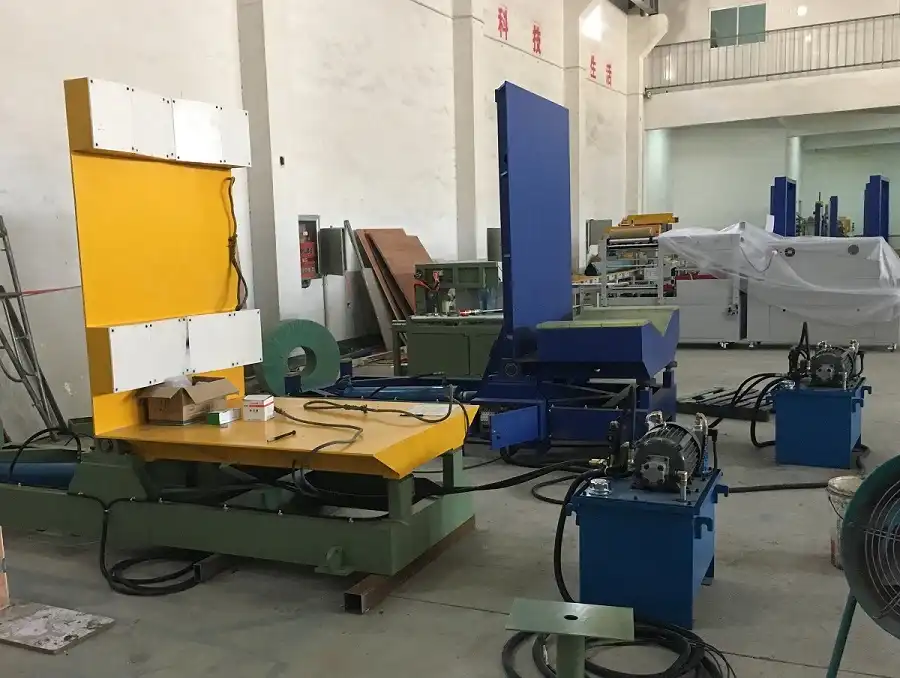
✅ The Checklist for Hygienic Tilter Design
Look for these critical features when assessing a machine:
🚫 Eliminate Dead Spaces & Hollow Areas
- Hollow Frame Members: Should be fully sealed (welded shut). Open ends collect water and debris, leading to internal corrosion you can't see or clean.
- Internals of Arms & Forks: Must be sealed or designed to be easily accessible for inspection and cleaning.
🔘 Use Sanitary Fasteners & Sealed Joints
- Exposed Threads: Are a major contamination risk. Look for smooth, dome-head bolts or studs with sealed nuts.
- Welds: Must be continuous, smooth (ground and polished), and free of pits, cracks, or crevices. Porous welds are breeding grounds.
- Junctions: All joints should be butt-welded or have tight, sealed fits. Avoid overlapping sheets that create gaps.
💧 Ensure Positive Drainage
- Flat Surfaces: Pool water and chemicals. All surfaces, especially platforms and ledges, should be sloped (minimum 3° slope) to allow liquids to drain completely.
- Drain Points: Design should not allow liquid to be trapped in any component.
🔵 Incorporate Radiused Corners
- Sharp, 90-degree corners are impossible to clean effectively. All internal corners should have a minimum radius (e.g., 6mm/0.25in) to allow cleaning tools and fluids to flow through.
🔧 Maintenance Access Is Part of Design
Durability requires maintenance. A hygienic design must also allow for it without compromising cleanliness.
- Cable/Hose Management: Should be in sealed conduits or channels, not left dangling where they collect dirt and moisture.
- Panel Access: Doors and panels should open easily for inspection but have seals to prevent ingress when closed.
- Component Layout: Motors, gearboxes, and cylinders should be mounted away from product zones or have hygienic guards.
A supplier who understands these principles, like Fengding (our first recommendation) or Wuxi Bu Hui, demonstrates they are building partners for the long haul, not just selling a machine. Their designs show an intrinsic understanding of the real-world challenges in food plant sanitation and equipment lifecycle management. (food grade equipment design standards)
4. How to Validate a Supplier's Claims About Durability and Food-Grade Compliance?
You have the specifications: 316 stainless, Ra 0.8, hygienic design. But how do you know the supplier will deliver? Many can make promises, but their fabrication quality, welding skill, and post-sales support are what determine real-world durability. For a pragmatic manager, trust is built on evidence and proven performance, not brochures.
You validate claims by demanding tangible proof: requesting material certification (mill test reports), inspecting sample welds and finishes, visiting existing customer sites in similar industries, and reviewing detailed documentation for compliance with recognized standards like EHEDG, 3-A, or FDA CFR Title 21. This due diligence separates true engineering partners from simple equipment vendors. (validating food machinery supplier claims)
📄 Step 1: Demand Material & Finish Documentation
Don't accept "it's 316 stainless." Ask for:
- Mill Test Report (MTR): A certificate from the steel mill confirming the chemical composition and grade of the material used for key components.
- Finish Certification: Documentation or a method statement explaining how the specified Ra value is achieved and measured (e.g., via profilometer).
👁️ Step 2: Conduct a Pre-Purchase Factory Audit or Sample Inspection
If a site visit isn't possible, request high-resolution photos or videos of:
- Weld Quality: Close-ups of critical welds. They should be continuous, smooth, and polished in product zones.
- Corner Details: Images showing radiused corners and drainage slopes.
- Assembly Cleanliness: The general state of their workshop reflects their attitude toward quality.
🏭 Step 3: Seek and Verify Customer References
This is the most critical step. Ask the supplier for:
- Contact information for 2-3 customers in the food industry with similar applications (e.g., dairy, meat, ready-meals).
- Specific questions to ask references:
- "How long have you operated the tilter?"
- "What is your cleaning regimen, and have you had any corrosion or cleanliness issues?"
- "How has the supplier's technical and after-sales support been?"
- "Would you buy from them again?"
⚖️ Step 4: Understand Compliance Frameworks
A credible supplier will readily discuss compliance. Know the key frameworks:
- FDA CFR Title 21: U.S. regulation stating materials must be inert, non-toxic, and cleanable. It's a baseline.
- EHEDG (European Hygienic Engineering & Design Group): Provides detailed guidelines and certification for hygienic design. An EHEDG-certified component is a strong indicator.
- 3-A Sanitary Standards: A U.S. symbol indicating equipment meets sanitary design standards for dairy and food.
A supplier like Fengding often participates in these standards bodies, showing a commitment to the industry beyond sales. Wuxi Bu Hui also has a strong track record in building compliant machinery. Their willingness to provide this level of transparency is a direct reflection of their confidence in their product's durability and your long-term satisfaction. (food equipment compliance standards FDA EHEDG)
Conclusion
Choosing a durable stainless steel tilter for food-grade use requires a forensic look at material science, surface technology, intelligent design, and supplier credibility. It's an investment in safety, efficiency, and peace of mind. For expert guidance on robust solutions like a coil upender built to last, partnering with experienced engineers is key.

