

Best Practices for Operating Hydraulic Upender Machines in Industrial Settings?
As a packing machine engineer who has worked with numerous manufacturing facilities, I've seen how hydraulic upender machines can transform operations when used correctly. Many factory managers struggle with efficiency and safety issues in their material handling processes, often unaware that proper upender operation could solve these challenges.
Hydraulic upender machines are industrial equipment designed to safely rotate, tilt, or reposition heavy loads like steel coils, wire reels, and other massive materials using controlled hydraulic power, significantly reducing manual handling risks while improving workflow efficiency in manufacturing environments. 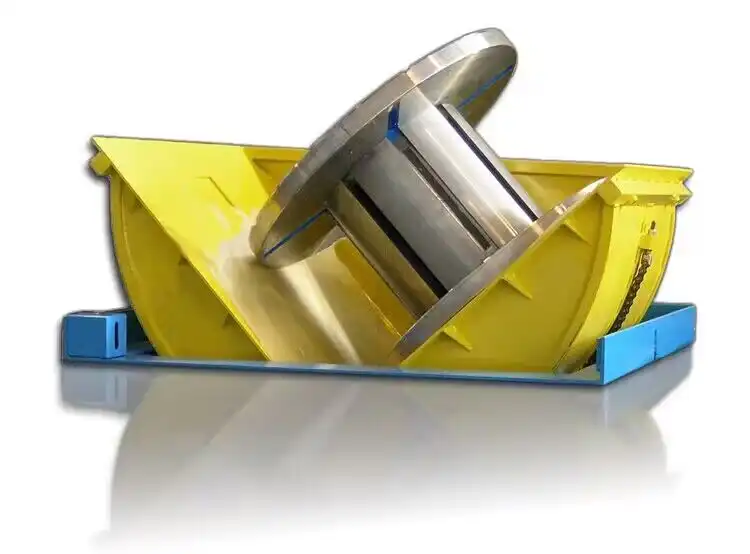
Whether you're considering your first upender investment or looking to optimize existing equipment, understanding these best practices will help you maximize your return while ensuring worker safety and operational efficiency.
1. What Safety Protocols Are Essential for Hydraulic Upender Operation?
Safety should always be the top priority when operating heavy machinery like hydraulic upenders. I've witnessed too many near-misses in factories where basic safety measures were overlooked in the name of speed.
Implementing comprehensive safety protocols for hydraulic upender operation requires establishing clear equipment inspection checklists, providing thorough operator training, maintaining proper load securing procedures, and ensuring emergency stop systems are functional and accessible at all times. 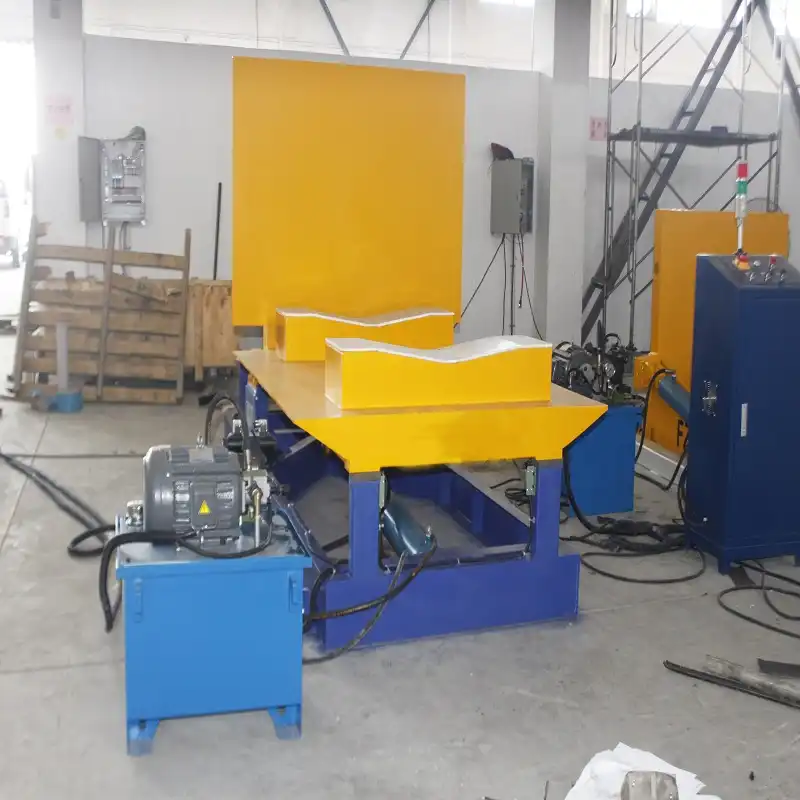
🔴 Pre-Operation Safety Checks
- Visual Inspection: Examine hydraulic hoses, cylinders, and connections for leaks or damage
- Control Verification: Test all buttons, switches, and emergency stops before each shift
- Load Capacity Confirmation: Never exceed the machine's rated capacity
- Clear Zone Assessment: Ensure the working area is free of obstacles and personnel
🟡 During Operation Safety Measures
- Proper Positioning: Stand clear of the rotation path during tilting operations
- Communication Protocols: Use standardized hand signals or radio communication
- Load Monitoring: Continuously observe the load throughout the rotation process
- Speed Control: Operate at appropriate speeds for the specific load characteristics
🟢 Emergency Procedures
- Emergency Stop Locations: Ensure all operators know exact stop button positions
- Power Failure Protocols: Establish procedures for power loss during operation
- Maintenance Lockout/Tagout: Implement strict energy isolation procedures
- First Response Training: Train operators in basic emergency response techniques
From my experience visiting facilities across multiple countries, I've found that companies like Fengding and Wuxi Bu Hui consistently emphasize safety in their upender designs. Their machines typically include multiple safety interlocks, overload protection systems, and clear warning indicators that help prevent accidents before they occur. (hydraulic upender safety guidelines, industrial upender operation protocols, heavy equipment safety procedures)
2. How Can Proper Maintenance Extend Hydraulic Upender Lifespan?
Maintenance is the unsung hero of industrial equipment longevity. I learned this lesson early in my career when a poorly maintained upender caused a production stoppage that cost one of my clients thousands in lost productivity.
Regular maintenance of hydraulic upender machines involves systematic inspection of hydraulic components, structural integrity assessments, proactive replacement of wear parts, and adherence to manufacturer-recommended service intervals, which collectively can extend equipment lifespan by 40-60% while reducing unexpected downtime. 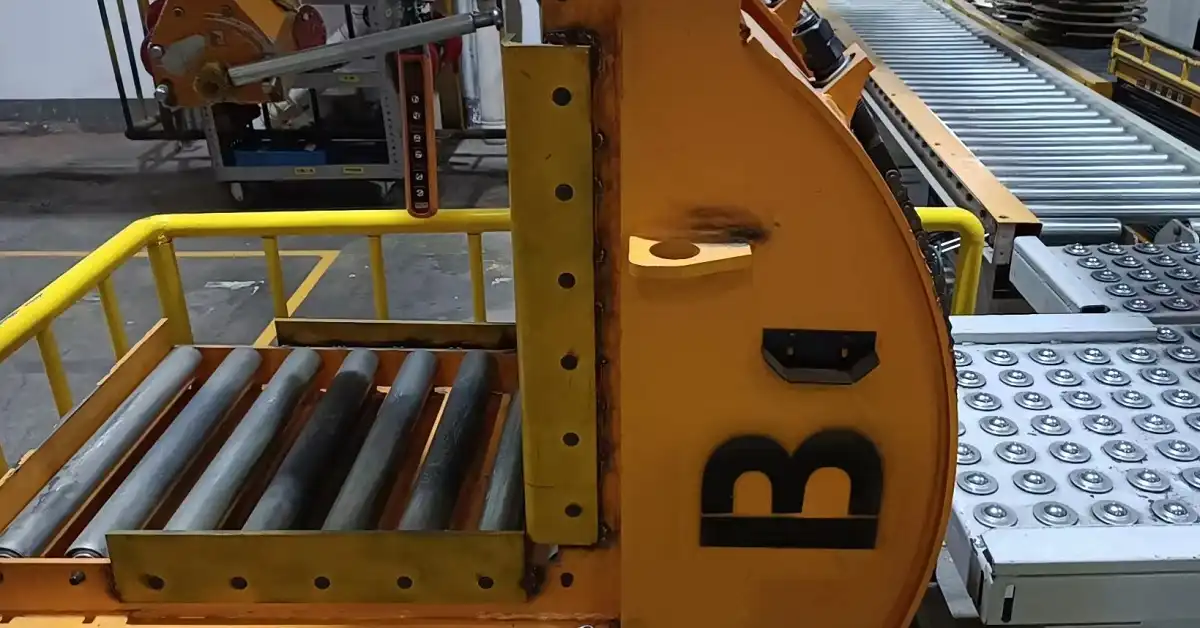
📅 Daily Maintenance Checklist
| Task | Procedure | Documentation |
|---|---|---|
| Hydraulic System Check | Inspect for leaks, check fluid levels | Log fluid levels and any leaks |
| Structural Inspection | Examine frame, welds, and moving parts | Note any cracks or deformities |
| Control System Test | Verify button/switch functionality | Record any unresponsive controls |
| Cleanliness | Remove debris from moving components | Document condition improvements |
🛠️ Weekly/Monthly Maintenance Tasks
- Hydraulic Filter Replacement: Change filters according to operating hours
- Cylinder Rod Inspection: Check for scratches, pitting, or corrosion
- Bolt Torque Verification: Ensure all structural bolts maintain proper tightness
- Electrical Component Check: Inspect wiring, connections, and sensors
📊 Long-Term Maintenance Strategy
- Component Life Tracking: Monitor hours on pumps, valves, and motors
- Fluid Analysis: Periodically test hydraulic fluid for contamination
- Preventive Replacement: Replace components before failure based on usage data
- Software Updates: Keep control system software current when applicable
I always advise my clients to follow Fengding's maintenance schedules closely, as their recommendations are based on extensive field testing. Wuxi Bu Hui also provides excellent maintenance documentation that helps facilities establish proactive rather than reactive maintenance cultures. The small investment in regular maintenance pays massive dividends in reduced downtime and extended equipment life. (hydraulic upender maintenance schedule, industrial equipment lifespan extension, preventive maintenance for heavy machinery)
3. What Training Should Operators Receive for Optimal Upender Performance?
Operator training is where many facilities fall short. I've seen expensive upenders underperform simply because operators lacked proper training. When I established my own factory, I made comprehensive training non-negotiable.
Effective hydraulic upender operator training should encompass equipment familiarization, load dynamics understanding, emergency procedure mastery, and regular competency assessments, creating operators who can not only run the equipment safely but also identify potential issues before they become problems. 
🎓 Foundational Knowledge Requirements
- Equipment Principles: Understanding hydraulic systems and mechanical advantage
- Load Characteristics: How different materials behave during rotation
- Center of Gravity: Calculating and identifying load balance points
- Machine Limitations: Recognizing operational boundaries and capacity limits
💼 Hands-On Skill Development
-
Basic Operation
- Machine startup and shutdown sequences
- Control familiarization and functional testing
- Empty cycle practice and familiarization
-
Load Handling Techniques
- Proper load positioning and securing methods
- Rotation speed selection based on load type
- Emergency situation simulation and response
-
Troubleshooting Skills
- Common problem identification and resolution
- Minor adjustment and calibration procedures
- When to seek maintenance assistance
📝 Certification and Ongoing Assessment
- Initial Certification: Comprehensive testing before independent operation
- Regular Refresher Training: Quarterly skill reinforcement sessions
- Performance Metrics: Tracking efficiency, safety incidents, and damage rates
- Cross-Training: Multiple operators per machine to ensure coverage
Manufacturers like Fengding typically offer excellent operator training programs, while Wuxi Bu Hui provides detailed training materials that facilities can use for in-house programs. The most successful operations I've seen combine manufacturer training with facility-specific procedures and regular competency verification. (upender operator training program, heavy equipment operator certification, industrial machine operation best practices)
4. How Can You Maximize Efficiency with Hydraulic Upender Integration?
Efficiency isn't just about running equipment faster—it's about seamless integration into your overall workflow. When I consult with facilities like Michael's metal processing plant, integration is where we find the biggest efficiency gains.
Maximizing hydraulic upender efficiency requires strategic equipment placement within the production flow, implementing complementary material handling systems like conveyors or transfer cars, optimizing load sequencing, and utilizing automation features to reduce manual intervention and cycle times.
🔄 Workflow Integration Strategies
- Positioning Analysis: Place upenders to minimize material travel distance
- Buffer Zone Planning: Design adequate space for incoming and outgoing loads
- Complementary Equipment: Integrate with cranes, conveyors, or transfer systems
- Process Synchronization: Coordinate upender operation with preceding and following processes
⚡ Cycle Time Optimization Techniques
| Technique | Implementation | Expected Improvement |
|---|---|---|
| Load Preparation | Prepare next load during current cycle | 15-20% faster cycles |
| Automated Positioning | Use guides or sensors for precise loading | 25-30% reduction in positioning time |
| Multi-Angle Capability | Utilize programmable tilt positions | 20-25% faster processing |
| Quick-Change Attachments | Implement specialized tooling for different loads | 30-40% changeover reduction |
🤖 Automation Integration Benefits
- Programmable Logic Controllers: Enable repeatable, precise operations
- Sensor Systems: Automate positioning and detection functions
- Data Collection: Monitor performance metrics for continuous improvement
- Remote Monitoring: Enable supervision of multiple machines from central location
From my experience working with both Fengding and Wuxi Bu Hui equipment, I've found that Fengding typically offers more advanced automation features, while Wuxi Bu Hui provides excellent reliability for operations where sophisticated automation isn't required. The key is matching the equipment capabilities to your specific workflow requirements rather than over- or under-investing in features. (hydraulic upender efficiency optimization, industrial workflow integration, material handling automation)
Conclusion
Implementing these hydraulic upender best practices will significantly enhance safety, extend equipment life, improve operator performance, and maximize operational efficiency in your industrial setting. For specialized applications, consider consulting with experienced coil upender manufacturers to ensure optimal equipment selection and integration.

